


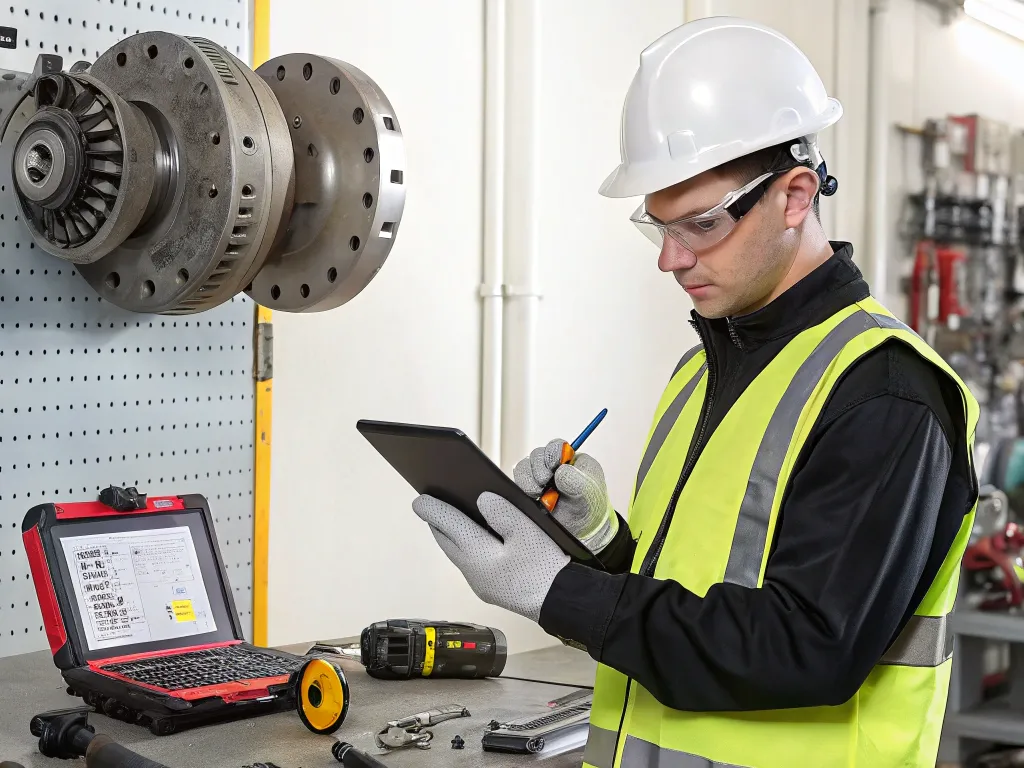
A zuverlässiger Pflege der PVC-Recyclingmaschine Das Programm muss Staub, abrasiveschädliche Kontamination, Hitze und korrosive Abfallprodukte kontrollieren, während es Messer, Lagerungen, Wälzlager, Schermaschen, Waschtanks, Trockner und Extruder schützt. Die folgende Checkliste ordnet die Arbeiten nach Häufigkeit, damit Bediener vermeidbare Stillstände und uneinheitliche Ausbeute verhindern können.
Befolgen Sie stets die Lockout/Tagout-, Schmier- und Wartungsanweisungen des Maschinenherstellers. Die Wartungsintervalle sind zu verkürzen, wenn die Anlage verschmutzte Rohre, Profile, Bodenbeläge, Kabelmaterial oder andere hochgefüllte PVC-Abfälle verarbeitet.
PVC-spezifische Wartungsrisiken
- Staub und Mineralfüllstoff: Feine Partikel und Calciumcarbonat beschleunigen den Verschleiß und können Lager, Sensoren und elektrische Gehäuse kontaminieren.
- Wärmehistorie: Übermäßige Temperatur oder Verweilzeit können PVC zersetzen, die Ausbeute verschönern und korrosive Dämpfe erzeugen.
- Metalle und inkompatible Polymere: Schmutzmetalle beschädigen die Messer und Schnecken; PE-, PP-, PET- und Gummifehler können die Qualität des recycelten PVC verringern.
- Feuchtigkeit und Waschrückstände: Schlechte Trocknung verursacht instabile Extrusion und Ablagerungen; verschmutztes Recyclingwasser reduziert die Waschanleistung.
Wartungsplan: Täglich bis jährlich
| Häufigkeit | Überprüfungen und Maßnahmen | Warnhinweise |
|---|---|---|
| Jede Schicht / täglich | Saubere Förder- und Entladungsbereiche; prüfen Schutzeinrichtungen, Notauslösungen, ungewöhnliche Geräusche, Vibrationen, Motorlast, Temperaturen, Kühltwasserfluss und Leckagen; leeren Staubabsaugpunkte. | Steigende Ampere, heiße Lager, unbeständiger Förderstrom, geruch von verbrannten Materialien, vergilbter PVC oder reduzierte Durchsatz. |
| Wöchentlich | Prüfen Sie Klingen, Schläuche, Bänder, Kupplungen, Befestigungsmaterialien, Magnete und Metallschleudern von Kompaktor oder Shredder; reinigen Sie Kühlrippen, Sensoren und Steuerräume mit zugelassenen Methoden. | Runde Messerkanten, zu viele Feinstückchen, gebrochene Bänder, lose Schrauben, beschädigte Sieböffnungen oder wiederkehrende Metallalarme. |
| Monatlich | Prüfen Sie den Lagerzustand und die Schmierung gemäß dem Handbuch; überprüfen Sie Pumpen, Dichtungen, Spraydüsen, Tankablagerungen, Trocknerstromlauf, Getriebeölvolumen und elektrische Verbindungen. | Ölaustritte, laute Pumpen, schwacher Sprühprofil, schlechtes Entwässern, hoher Getriebetemperatur oder lose Kontakte. |
| Halbjährlich / vierteljährlich | Messen Sie Messerklingen- und Siebverschleiß; justieren Sie Antriebe; kalibrieren Sie Temperatur-, Druck- und Lastsensoren; prüfen Sie den Zustand von Walzen, Hülsen, Filtern und Düsen; überprüfen Sie die Ersatzteillagerbestände. | Ausrichtung der Ausgangsgröße, Temperaturverschiebung, Druckspitzen, schwarze Flecken, häufige Siebwechsel oder sinkende Pelzqualität. |
| Jährlich | Führen Sie eine geplante Stillstandsprüfung mit qualifizierten Technikern durch; warten Sie Motoren, Getriebe, Hydrauliksysteme, Wasseraufbereitung und Rauchsammlung; aktualisieren Sie Risikoabschätzungen und Bedienerausbildung. | Wiederholte ungeplante Stillstände, ungelöste Vibrationen, Korrosion, Isolationsbeschädigung oder chronische Qualitätsverluste. |
Bauteil für Bauteil Prüfliste
Shredder, Zerkleinerer und Mahlmaschine
Entfernen Sie nur abgelagertes PVC-Staub nach Isolation. Überprüfen Sie die Messer auf Späne, Risse und ungleichmäßigen Verschleiß; halten Sie die spezifizierte Messerabstand und Drehmoment ein; ersetzen oder drehen Sie Messer als Satz, wenn erforderlich. PVC-Rohr- und Profil-Schneidmühle Dabei sollte auch die Rotorausbalancierung, die Schersintegrität und die sicheren Lagerhausungen geprüft werden.
Washing, Trennung und Trocknung
Saubere Spraydüsen und Filter, entferne Schlamm aus dem Tank, überprüfe Wasserchemie und Durchfluss und inspiziere Pumpen und Dichtungen. Verfolge die Feuchtigkeit der Flakes nach mechanischer und thermischer Trocknung. Ein plötzlicher Anstieg deutet oft auf eine blockierte Luftströmung, abgenutzte Dewatering-Schichten oder überlastete Ausrüstung hin. Überprüfe den gleichen Bereich Stabile Kunststoffwäschanlage für PP, HDPE und PVC für die verbundenen Prozessstufen.
Extruder, Filter und Pelletisierungslinie
Trenden Sie Schmelztemperatur, Motorlast und Druck anstatt auf eine einzelne Messung zu verlassen. Verhindern Sie lange Standzeiten, verwenden Sie den genehmigten Purgierungs- und Stilllegungsverfahren, und prüfen Sie Schneckeln, Züge, Filter und Düsen auf Ablagerungen oder Korrosion. Verwenden Sie niemals Reinigungsmittel oder Purgiermaterialien ohne Bestätigung der PVC-Kompatibilität.
Sensoren, Steuereinheiten und Sicherheitsanlagen
Halten Sie Schränke trocken und staubfrei, testen Sie Sicherheitsverriegelungen und Notausgnge, kalibrieren Sie kritische Temperatur- und Drucksensor, und untersuchen Sie wiederkehrende Alarmsignale. Das Umgehen einer Sicherheitsverriegelung kann eine geringe Blockade in Ausrüstungsschaden oder ein Bedienergefahr umwandeln.
Fehlerbehebung: Symptome, Überprüfungen und Maßnahmen
| Symptom | Erste Überprüfung | Korrigierende Richtung |
|---|---|---|
| Motorstrom steigt, während die Durchsatzmenge fällt | Messer schärfe und Spalt, blockierte Sieb, Beschickungsspitzen, Lager temperatur | Sicher stoppen, die Einschränkung beseitigen, den Verschleiß überprüfen und die genehmigte Beschickungsgeschwindigkeit wiederherstellen. |
| Die Flakesgröße wird unregelmäßig | Sieb beschädigt, lose Messer, Rotorzustand und Beschickungsverteilung | Beschädigte Verschleißteile ersetzen und die Ausrichtung und den Drehmoment der Schrauben überprüfen. |
| PVC verdunkelt sich oder entwickelt schwarze Flecken | Temperaturgenauigkeit, Aufenthaltsdauer, Ablagerungen, Kontamination und Filtration | Befolgen Sie das genehmigte Abschalt- und Reinigungsverfahren; kalibrieren Sie die Sensoren und überprüfen Sie die Totzonen. |
| Trockene Flakes bleiben zu feucht | Entwässerungssieb, Trocknerluftstrom, Beschickungsgeschwindigkeit, Wasserübertragung und Dichtungen | Drainage und Luftstrom wiederherstellen, dann testen Sie die Feuchtigkeit vor dem Extrudieren. |
| Extruderdruck wird unstabil | Beschickungskonsistenz, Feuchtigkeit, Filterbeladung, Temperaturprofil und Fremdpolymere | Beschickung stabilisieren, wie angegeben filtern oder reinigen und das Materialklassifizieren überprüfen. |
Fahren Sie nicht weiter, wenn unklare Hitze, Vibration, Geruch, Rauch oder wiederholte Sicherheitsausfälle auftreten. Isolieren Sie das System und beteiligen Sie qualifizierte Wartungspersonal.
Wartungsprotokolle und Ersatzteile
Die Laufzeit, die Verarbeitungskapazität, die Motorlast, die Lagertemperaturen, die Messerkäufe, die Schmierung, die Filterwechsel, die Alarme und die Ergebnisse der Ausbeutequalität werden aufgezeichnet. Trenddaten ermöglichen prädiktive Wartungen. Wichtige Verschleißteile – Messer, Siebe, Bänder, Lager, Dichtungen, Heizgürtel, Thermokupplungen und zugelassene Filter – werden gemäß den Lieferzeiten der Lieferanten vor Ort aufbewahrt.
Häufig gestellte Fragen
Wie oft sollte PVC-Recyclinganlagen gereinigt werden?
Loosen und entfernen Sie Staub und Material am Ende jeder Schicht oder Produktionslauf. Die Häufigkeit der tiefen Reinigung hängt von der Kontamination, dem Füllstoffgehalt und den Betriebsstunden ab; verwenden Sie die Inspektionsergebnisse und die Herstelleranweisungen.
Was zeigt an, dass Bremsklingen der Zerkleinerer servicebedürftig sind?
Typische Anzeichen sind steigende Motorlast, geringerer Durchsatz, unregelmäßige Korngröße, mehr Feinanteil, Wärmeentwicklung, Vibrationen sowie sichtbare Verrundungen, Ausbrüche oder Risse. Halten Sie den vorgegebenen Spalt ein und tauschen Sie die Messer aus, bevor Folgeschäden entstehen.
Wie kann die PVC-Zersetzung während der Extrusion reduziert werden?
Temperatur und Verweilzeit kontrollieren, tote Zonen und Kontamination vermeiden, Kühlung und Sensoren präzise halten und die Start-, Still- und Spülprozedur des Lieferanten befolgen. Diskrepanz, Geruch oder Druckinstabilität sofort untersuchen.
Welche Wartungsdaten sollten Bediener aufzeichnen?
Zeichnen Sie Betriebszeit, Materialqualität, Durchsatz, Motorstrom, Temperaturen, Drücke, Feuchtigkeit, Alarmsignale, Verschleißmessungen, Schmierung und Ersatzteile. Konstante Aufzeichnungen offenbaren Verschleiß vor einem Ausfall.
Müssen Sie eine PVC-Zerkleinerungs- oder Waschanlage planen? Bewerten Sie die PVC-Rohr- und Profil-Schneidmühle Und Waschanlage aus starrem Kunststoff, dann kontaktieren Sie unser Ingenieurteam mit Ihren Material- und Wartungsanforderungen.
