


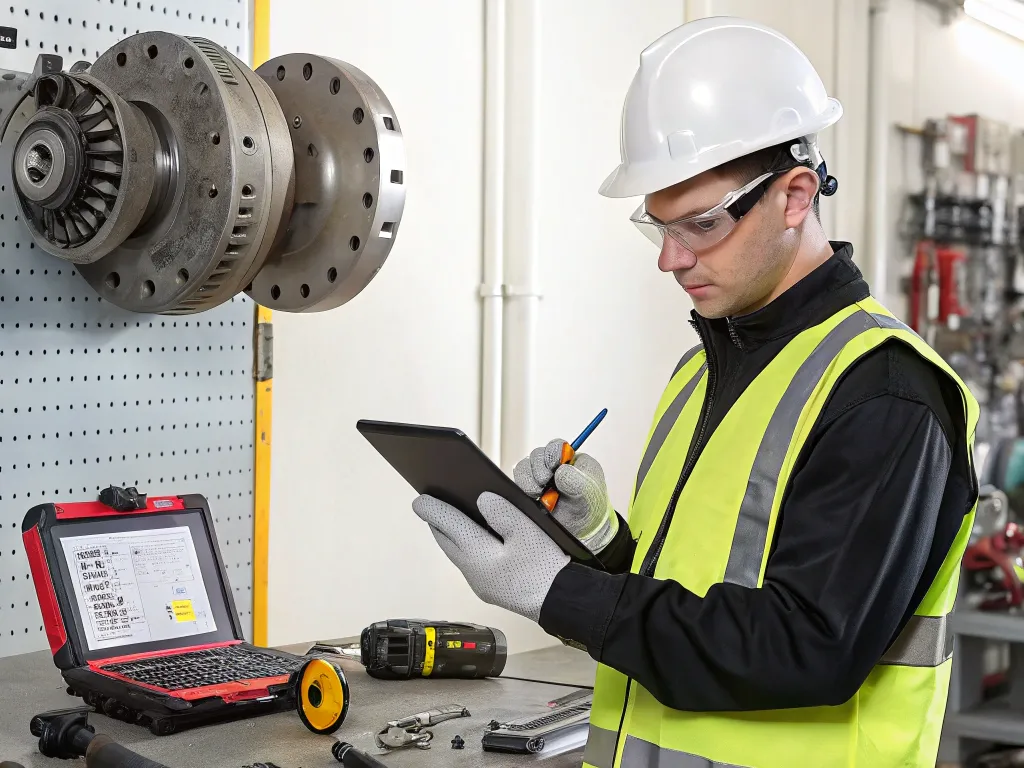
Надежный Обслуживание оборудования для переработки ПВХ Программа должна контролировать пыль, абразивное загрязнение, тепло и коррозионные продукты деградации, при этом защищая лезвия, подшипники, сита, емкости для промывки, сушилки и экструдеры. Ниже приведён список проверок, организованный по частоте, чтобы операторы могли предотвратить ненужные простои и неравномерный выход продукции.
Always follow the machine manufacturer’s lockout/tagout, lubrication and service instructions. Maintenance intervals should be shortened when the line handles dirty pipe, profiles, flooring, cable material or other high-filler PVC waste.
Риски специфического обслуживания PVC
- Пыль и минеральный наполнитель: Тонкие частицы и кальцинированная сода ускоряют износ и могут загрязнять подшипники, датчики и электрические корпусные части.
- Термический режим: Избыточная температура или длительное время нахождения в рабочей зоне могут деградировать ПВХ, изменить цвет выходного продукта и выделять коррозионные газы.
- Металл и неподходящие полимеры: Несанкционированный металл повреждает резцы и шнеки; загрязнение PE, PP, PET и резиной может снизить качество переработанного PVC.
- Влажность и остатки моющего средства: Плохое высыхание вызывает нестабильную экструзию и отложения; грязная циркулирующая вода снижает эффективность промывки.
График технического обслуживания: Ежедневный до ежегодного
| Частота | Проверки и действия | Предупреждающие знаки |
|---|---|---|
| Каждая смена / ежедневно | Очистите зоны подачи и выброса; проверьте ограждения, аварийные остановки, необычный шум, вибрации, нагрузку на двигатель, температуры, поток охлаждающей воды и протечки; опорожните точки сбора пыли. | Рост ампеража, перегретые подшипники, нестабильное подача, запах горелого, темное PVC или снижение производительности. |
| Еженедельно | Проверяйте ножи, сита, ремни, муфты, крепежные элементы, магниты и металлодетекторы измельчителя или шредера; очищайте ребра охлаждения, датчики и шкафы управления с использованием утвержденных методов. | Круглые края режущих ножей, избыточная фракция пыли, треснувшие ремни, ослабленные болты, поврежденные отверстия сита или повторяющиеся металлические сигналы. |
| Ежемесячно | Проверьте состояние подшипников и смазку согласно руководству; проверьте насосы, уплотнения, распылительные головки, осадок в емкости, поток воздуха в сушилке, уровень масла в коробке передач и электрические соединения. | Выход с маслом, шумные насосы, слабый распыляющий узор, плохое обезвоживание, высокая температура коробки передач или подтянутые клеммы. |
| Квартально / полугодово | Измерить износ режущего ножа и решетки; выровнять приводы; откалибровать датчики температуры, давления и нагрузки; проверить состояние вала, барабана, фильтра и фильеры; проверить запасы запасных частей. | Смещение выходного размера, отклонение температуры, пики давления, черные точки, частая смена решеток или снижение качества пеллет. |
| Ежегодно | Выполните плановый осмотр с квалифицированными техниками; обслужите двигатели, редукторы, гидравлические системы, системы очистки воды и извлечения дыма; обновите оценки рисков и обучение операторов. | Повторяющиеся аварийные остановки, нерешенные вибрации, коррозия, повреждение изоляции или хронические потери качества. |
Проверочный список по компонентам
Шредер, измельчитель и мельница
Удалите накопленный пыль ПВХ только после изоляции. Проверяйте резцы на обломки, трещины и неравномерный износ; поддерживайте указанный зазор между лезвиями и момент затяжки; заменяйте или поворачивайте лезвия парами при необходимости. дробилкой для труб и профилей из ПВХ Также следует проверять баланс ротора, целостность сита и надежность корпуса подшипников.
Промывка, Сепарация и Сушка
Очистить распылительные насадки и фильтры, удалить отложения в емкости, проверить химический состав и поток воды, а также проверить насосы и уплотнения. Отслеживать влажность фраков после механической и термической сушки. Резкое увеличение часто указывает на засорение воздушного потока, изношенные сепараторы дегидратации или перегруженное оборудование. Проверить тот же домен. Линия промывки жесткого пластика для PP, HDPE и PVC для связанных этапов процесса.
Экструдер, фильтрация и гранулирование
Обеспечьте тенденцию плавильной температуры, нагрузки на двигатель и давления, а не полагайтесь на одно значение. Предотвращайте длительное нахождение в рабочем состоянии при остановках, используйте утвержденную процедуру промывки и остановки, и проверяйте винты, валы, фильтры и фильеры на наличие отложений или коррозии. Никогда не смешивайте очистительные химикаты или материалы для промывки без подтверждения совместимости с PVC.
Сенсоры, Управляющие Системы и Системы Безопасности
Сохраняйте шкафы сухими и пылеустранимыми, проверяйте блокировки и аварийные остановки, калибруйте критические датчики температуры и давления, и исследуйте повторяющиеся звуковые сигналы. Пропуск блокировки может превратить незначительное засорение в повреждение оборудования или опасность для оператора.
Troubleshooting: Symptoms, Checks and Actions
| Симптом | Сначала проверьте | Корректирующее направление |
|---|---|---|
| Ток двигателя увеличивается, а производительность падает | Острота ножей и зазор, забитый сито, резкий подач, температура подшипника | Остановите безопасно, устраните ограничение, проверьте износ и восстановите одобренную скорость подачи. |
| Размер хлопьев становится неустойчивым | Повреждение сита, ослабленные ножи, состояние ротора и распределение подачи | Замените поврежденные изношенные детали и проверьте выравнивание и момент затяжки гаек. |
| PVC потемневший или появление черных точек | Точность температуры, время пребывания, отложения, загрязнение и фильтрация | Следуйте утвержденной процедуре остановки и чистки; калибруйте сенсоры и проверьте мертвые зоны. |
| Сухие хлопья слишком влажные | Сито для осушения, поток воздуха в сушке, скорость подачи, переток воды и уплотнения | Восстановите дренаж и поток воздуха, затем повторно проверьте влажность перед экструзией. |
| Давление экструдера становится нестабильным | Консистенция подачи, влажность, нагрузка на фильтр, профили температуры и посторонний полимер | Стабилизируйте подачу, замените или очистите фильтр в соответствии с указаниями, и проверьте сортировку материала. |
Не продолжайте работу без объяснения повышения температуры, вибрации, запаха, дыма или повторных срабатываний безопасности. Изолируйте систему и привлеките квалифицированный персонал для обслуживания.
Записи о техническом обслуживании и запасные части
Записывайте время работы, производительность, нагрузку на двигатель, температуру подшипников, замену ножей, смазку, замену фильтров, аварийные сигналы и результаты качества выходного продукта. Данные трендов позволяют осуществлять прогнозное обслуживание. Сохраняйте на месте критически важные изнашиваемые детали — ножи, сита, ремни, подшипники, уплотнения, нагревательные ремни, термосопротивители и одобренные фильтры — в соответствии с временными рамками поставщика.
Часто задаваемые вопросы
Как часто следует очищать оборудование для переработки PVC?
Удалите свободную пыль и материал в конце каждой смены или цикла производства. Частота более глубокой очистки зависит от загрязненности, содержания наполнителей и времени работы; используйте результаты проверки и инструкции производителя.
Как показывает, что лезвия измельчителя требуют обслуживания?
Типичные признаки — рост нагрузки на двигатель, снижение производительности, неравномерный размер частиц, увеличение количество фракций, нагрев, вибрация и видимые заусенцы, трещины. Поддерживайте указанный зазор и заменяйте лезвия до возникновения вторичных повреждений.
Как можно снизить деградацию PVC при экструзии?
Управляйте температурой и временем нахождения, избегайте зон застоя и загрязнения, поддерживайте точность охлаждения и датчиков, и следуйте процедурам старта, остановки и промывки, рекомендованным поставщиком. Сразу проводите расследование в случае изменения цвета, запаха или нестабильности давления.
Какие данные по техническому обслуживанию должны регистрировать операторы?
Записывайте время работы, класс материала, производительность, ток двигателя, температуры, давления, влажность, сигналы тревоги, измерения износа, смазку и замену деталей. Устойчивые записи позволяют выявить ухудшение состояния до возникновения поломки.
Необходимо спланировать линию измельчения или мытья PVC? Обзор дробилкой для труб и профилей из ПВХ и линия мойки из жесткого пластика, затем свяжитесь с нашей инженерной командой с вашими материалами и требованиями по техническому обслуживанию.
