


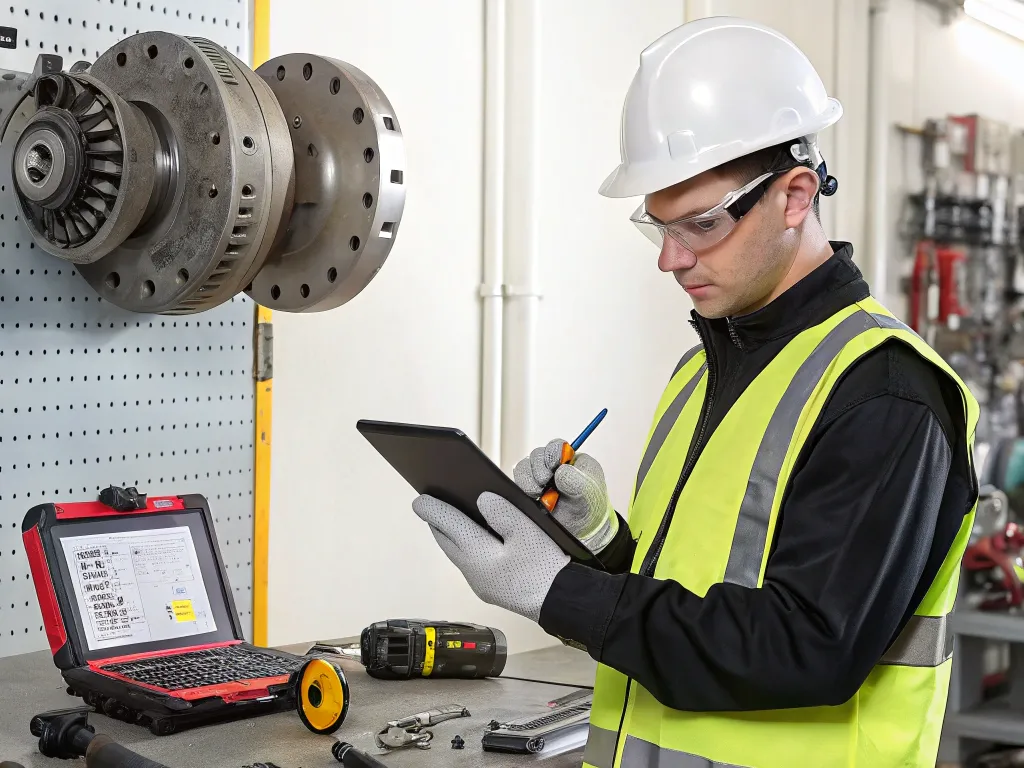
信頼性のある PVCリサイクル機械のメンテナンス プログラムは、ダスト、研磨材汚染、熱および腐食性劣化副産物を制御し、刃、ベアリング、スクリーン、洗浄タンク、乾燥機および Extruder を保護する必要があります。以下のチェックリストは、頻度ごとに作業を整理し、オペレーターが予防可能なダウンタイムと一貫性のない出力を防ぐことができるようにします。
Always follow the machine manufacturer’s lockout/tagout, lubrication and service instructions. Maintenance intervals should be shortened when the line handles dirty pipe, profiles, flooring, cable material or other high-filler PVC waste.
PVC特有のメンテナンスリスク
- 塵と矿物充填材: 微粉塵と炭酸カルシウムは摩耗を促進し、ベアリング、センサー、電気機器の箱を汚染することがあります。
- 熱履歴: 過剰な温度や滞留時間はPVCを劣化させ、出力を色あせさせ、腐食性の煙を生じる可能性があります。
- 金属および不適合なポリマー: tramp metal damages cutters and screws; PE, PP, PET and rubber contamination can reduce recycled-PVC quality.
- 水分と洗浄残渣: 不良な乾燥は押出しの不安定化と沈殿物の発生を引き起こし、汚れた循環水は洗浄性能を低下させます。
メンテナンススケジュール:日次から年次まで
| 頻度 | 検査と対応 | 警告表示 |
|---|---|---|
| 毎シフト / 日次 | 清掃給料および排出エリア;ガード、緊急停止、異常な騒音、振動、モーターロード、温度、冷却水流量および漏れを点検;ダストコレクタポイントを空ける。 | アンペアレッジの上昇、熱いための軸受、不安定な給料、焼けた臭い、PVCの黒ずみまたは処理能力の低下。 |
| 毎週 | クラッシャーやシュレッダーの刃、スクリーン、ベルト、カップリング、紧固具、磁石、金属探知機を点検せよ。冷却ファン、センサー、制御箱は承認された方法で清掃せよ。 | 丸い刃先、過剰な微粉、クラック付きベルト、緩んだボルト、損傷したスクリーンホール、または繰り返しの金属アラーム。 |
| 月次 | ベアリングの状態と潤滑油についてマニュアルを参照して確認し、ポンプ、シール、スプレノズル、タンクの沈殿物、乾燥機の空気流、ギアボックスの油位、電気接続を検査します。 | 油漏れ、ノイズの多いポンプ、弱いスプレーパターン、不良な脱水、ギアボックス温度の高さまたは緩みの端子。 |
| 四半期 / 半年ごと | カッターとスクリーンの摩耗を測定し、ドライブの整列を行い、温度、圧力、負荷センサーのキャリブレーションを行い、スクリュー、バルク、フィルター、ダイスの状態を検査し、予備部品の在庫を確認する。 | 出力サイズのずれ、温度オフセット、圧力の急騰、黒いほこり、頻繁なスクリーン交換やプレット品質の低下。 |
| 刃先の回転または交換(エッジの摩耗が2mmを超えた場合)、シートの測定 | 計画停機検査を実施し、資格のある技術者がモーター、ギアボックス、液压システム、水処理および煙気抽出を点検・メンテナンスする。リスク評価とオペレーター培训を更新する。 | 繰り返しの計画外の停止、未解決の振動、腐食、絶縁損傷、または慢性の品質低下。 |
部品ごとのチェックリスト
Shredder, Crusher and Grinder
PVC埃スカレートした塵を隔離した後のみ除去します。カッターを破片、割れ、不均一な摩耗の有無を点検し、指定された刃の隙間とトルクを保ち、必要に応じて刃を交換または回転させます。 PVCパイプ・プロファイル用粉砕機をご参照ください 回転子のバランス、スクリーンの健全性、および安全なベアリングケースも確認する必要があります。
洗浄、分別および乾燥
スプレノズルとフィルターを清掃し、タンクの沈殿物を除去し、水の化学組成と流量を確認し、ポンプとシールを検査します。メカニカルおよび熱乾燥後のフラークの水分を追跡します。急激な増加は、空気流のブロック、脱水筛の摩耗、または設備の過負荷を示すことがあります。同ドメインのレビューを行います。 PP、HDPE、PVC用硬質プラスチック洗浄ライン 接続プロセス段階のため。
押出機、フィルタリングおよびペレット化
トレンド温度、モーターロード、圧力を確認し、単一の読み取りに依存するのではなく、長時間の滞留時間を防ぐ。停止中は、承認された purge( purge )および shutdown( shutdown )手順を使用し、スクリュー、バレル、フィルター、ダイスを積着物や腐食の有無を確認する。清掃化学物質や purge 材料を混ぜる前に、PVC の互換性を確認する。
センサー、制御システムおよび安全システム
Keep cabinets dry and dust-free, test interlocks and emergency stops, calibrate critical temperature and pressure sensors, and investigate recurring alarms. Bypassing an interlock can turn a minor blockage into equipment damage or an operator hazard.
トラブルシューティング:症状、チェック方法、および対応措施
| 症状 | 初めに確認してください | 矯正方向 |
|---|---|---|
| モーター電流が増え、処理能力が低下する | カッターナイフの鋭さと隙間、ブロックされたスクリーン、給料の急騰、ベアリング温度 | 安全に停止し、制限を解除し、摩耗を検査し、承認された給料速度を復元します。 |
| フラークサイズが一貫しない | スクリーン損傷、キーワードのずれ、ローターの状態、給料の分布 | 損傷した摩耗部品を交換し、位置ずれと紧固具のトルクを確認します。 |
| PVCは暗くなったり、黒い斑点が発生したりします。 | 温度精度、滞留時間、堆積物、汚染、ろ過 | 承認された停止および清掃手順に従い、センサーを校準し、死領域を検査してください。 |
| 乾燥したフラークはまだ湿りすぎています | 脱水用スクリーン、乾燥機の空気流量、給料率、水の残留とシール | 排水と空気流量を復旧し、押出し前に水分を再テストします。. |
| 押出機の圧力が不安定になります | 給料の均一性、水分、フィルターロード、温度プロファイルと異物ポリマー | 給料を安定させ、指定されたフィルタリングを交換または清掃し、材料の分類を確認します。. |
不明な熱、振動、臭い、煙や繰り返しの安全トラップを通じて運転を続けないでください。システムを隔離し、資格のあるメンテナンススタッフを巻き込んでください。.
メンテナンス記録と消耗品
運転時間、生産量、モーターロード、ベアリングの温度、ナイフの交換、潤滑、フィルターチェンジ、アラーム、出力品質結果を記録します。トレンドデータは予測メンテナンスを可能にします。重要な摩耗部品(ナイフ、スクリーン、ベルト、ベアリング、シール、ヒーターボンド、サーモキュプラ、認可済みフィルター)は、サプライヤーのリードタイムに従って現場に保持してください。.
よくある質問
PVCリサイクル機器はどのくらいの頻度で清掃すべきですか?
シフトの終わりや製品の運転の終わりに軽い塵や材料を取り除きます。深い清掃の頻度は汚染、フィラーの含有量、運転時間に依存します;検査結果と製造者の指示を使用してます。.
粉砕機の刃がサービスが必要であるとどのようにわかりますか?
一般的な兆候は、モーターロードの上昇、低い生産量、不規則な粒子サイズ、より多くの粉砕、熱、振動、目に見える丸み、チップや割れです。指定されたギャップを維持し、二次的な損傷が発生する前に刃を交換してください。.
押出し中のPVCの劣化をどのように減らすことができますか?
温度と滞在時間を制御し、デッドゾーンや汚染を避け、冷却とセンサーを正確に保ち、サプライヤーの起動、停止、クリアリング手順に従います。色の変化、臭いや圧力の不安定性がすぐに調査してください。.
運転手が記録すべきメンテナンスデータはどれですか?
運転時間、材料グレード、生産量、モーターカレント、温度、圧力、水分、アラーム、摩耗測定、潤滑、部品交換を記録します。一貫した記録は、故障前に劣化を明らかにします。.
PVCの粉砕または洗浄ラインを計画する必要がありますか? ご確認ください: PVCパイプ・プロファイル用粉砕機をご参照ください そして 硬質プラスチック製の洗濯ライン, その後 当社のエンジニアリングチームにご連絡ください。 あなたの材料とメンテナンス要件に基づいてです。.
