


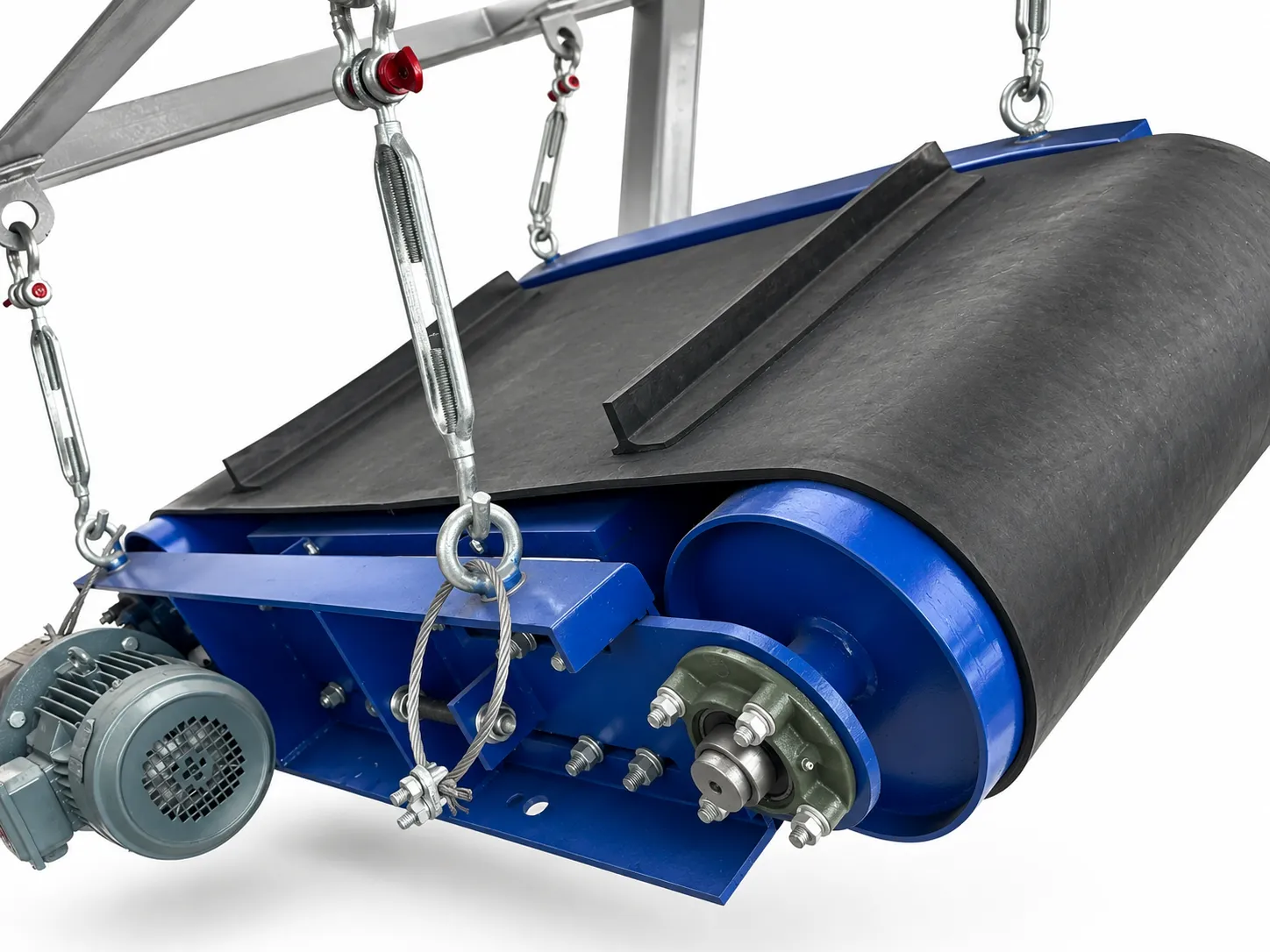
Magnetische separator voor materiaalrecycling
Een magnetische separator verwijdert ijzerhoudende metalen uit plastic korrels, gemengde afvalstoffen, mijnbouwmaterialen en andere bulkstromen voordat het metaal schade toebrengt aan crushers, granulators, extruders of uiteindelijke sorteerinstallaties. Configuraties omvatten hoge-intensiteit suspensionsmagneten (overband) voor diepe lastverwijdering op transportbanden.
- Vangt roestvrijstalen plakjes, bouten, spijkers, draad en andere magnetische verontreinigingen uit bewegende materiaalstromen op.
- Beschermt afgeleide apparatuur terwijl de zuiverheid en herverkooptwaarde van het gerecycleerde materiaal worden verbeterd.
- Beschikbaar als hoge-intensiteit suspensionsmagneten, trommelmagneten, magnetische riemen en lijnspecifieke modules.
Hoe een Magnetische Scheider Werkt
Een magnetische separator plaatst een gereguleerd magnetisch veld nabij het materiaalstroom. Ijzerhoudende metalen reageren op de magnetische kracht en scheiden zich van plastic, papier, glas, hout, mineralen of andere niet-magnetische materialen.
1. Materialvoeding
Het materiaal beweegt over een transportband, goot, trommeloppervlak of riem. Een consistent laag verbetert de scheiding omdat de magneet elke deeltje gelijkmatiger kan bereiken.
2. Magnetische vangaring
IJzer en staal worden aangetrokken door het magnetisch veld terwijl niet-magnetische materialen hun normale pad blijven volgen.
3. Afvoer scheiding
Gecaptureerd metaal wordt afgevoerd naar een aparte verzamelplaats, wat verontreiniging vermindert en de machines die daarnaast worden beschermd.
Soorten magnetische scheiders
De juiste magnetische separator hangt af van waar het metaal optreedt, hoe diep het materiaaloppervlak is en of u handmatige of continue afvoer nodig heeft.
Overbandmagneet/Suspensionsmagneet
Geïnstalleerd boven een transportband (ook wel hoogintensieve ophangmagneet genoemd). Projecteert een sterk magnetisch veld in diepe materiaalbedden om ijzerresten op te tillen vóór shredders, brekers of granulatoren. Ideaal voor kunststoffen, afval, hout, aggregaat en recyclinglijnen met hoge belading.
Draaimagneet
Magnetische trommel met continue afvoer. Nuttig wanneer het materiaal rechtstreeks over de trommel gaat en de lijn automatische scheiding van ferrometaal uit droog bulkgoed nodig heeft.
Magnetische pulley
Geïnstalleerd als koprol van de transportband. Een compacte keuze voor continue ferroscheiding aan het einde van een transportband, zonder een grote bovenliggende unit toe te voegen.
Wervelstroomscheider
Voor non-ferrometalen. Wordt gebruikt na ferro-verwijdering wanneer de lijn ook aluminium, koper, messing en andere geleidende non-ferrometalen moet terugwinnen.
Belangrijkste toepassingen
Magnetische separatie ondersteunt zowel de bescherming van apparatuur als de zuiverheid van het product in recycling en industriële materiaalverwerking.
-
Kunststof recycling
Verwijdert bouten, spijkers, draad, staalfragmenten en roestvrijstalen plakjes uit PET, HDPE, PP, PE-film en recycleerlijnen voor harde plastic.
-
Afvalsortering
Herwint ijzerhoudende metalen uit stedelijk afval, RDF/SRF-voorbereiding en mixed material recovery facilities.
-
Mijnbouw & Steengroeven
Scheiding van ijzerhoudend materiaal en beschermt crushers, screens en conveyors tegen ongewenste metaalverontreiniging.
-
Productie
Houdt malers, molens en productielijnen draaiend door metaal uit het ruwe materiaal te verwijderen voordat het de machines bereikt.
Selectie- en Bedrijfsfactoren
Goede scheiding hangt niet alleen af van de magneetsterkte. De materiaalstroom en installatiepositie zijn net zo belangrijk.
Materiaaltype, bulkdichtheid, deeltjesgrootte en vochtigheidsgraad.
Verwachte grootte, vorm en laadrate van ferromagnetische verontreiniging.
Conveyor breedte, band snelheid, belastingdiepte en installatiehoogte.
Of de installatie handmatige reiniging, automatisch afvoeren of continue bedrijfsvoering nodig heeft.
Waarom het ertoe doet
Bij plasticrecycling kan een klein staalfragment messen van crushers, screens, pelletizercomponenten of extruder schroeven beschadigen. Een juist geplaatste magnetische separator vermindert dit risico voordat het metaal de dure downstream apparatuur bereikt.
Voor hogere zuiverheidsdoelen wordt magnetische scheiding vaak gebruikt voordat er wordt overgegaan tot dichtheidscheiding, luchtklassering, optische sortering of pelletisatie.
Typische Technische Parameters
De uiteindelijke specificaties hangen af van het type separator en de indeling van de recyclinglijn. Deze parameters zijn gemeenschappelijke besprekingspunten tijdens de selectie van de apparatuur.
| Parameter | Typische opties | Selectie-aantekeningen |
|---|---|---|
| Type Separator | Overband, trommel, riem, eddy current | Match het type met de materiaalstroom, metalen type en afvoereis. |
| Conveyor Breedte | Aangepast aan lijnbreedte | De magnetische zone moet het volledige materiaalstroom dekken. |
| Materiaal Laag Diepte | Lage en gelijkmatig verspreide lagen zijn het voorkeur. | Diepe belasting vermindert de opvangprestaties, vooral voor kleine metaalstukjes. |
| Reinigingsmethode | Handmatig of automatisch afvoeren | Automatisch afvoeren wordt het voorkeur voor continue en hoog-contaminatie lijnen. |
| Installatiepositie | Boven de conveyor, bij afvoer of hoofdriem | Plaats de separator voor gevoelige machines zoveel mogelijk. |
Typische opties
Selectie-aantekeningen
Magnetische scheider met hoge intensiteitssuspensie
Ook bekend als een overbandmagneet of gesuspendeerde magneet, deze configuratie hangt boven de transportband en onttrekt continu zwerfijzer uit diepe materiaallagen—beschermend tegen toeleveringsinstallaties en verbeterend de productzuiverheid.
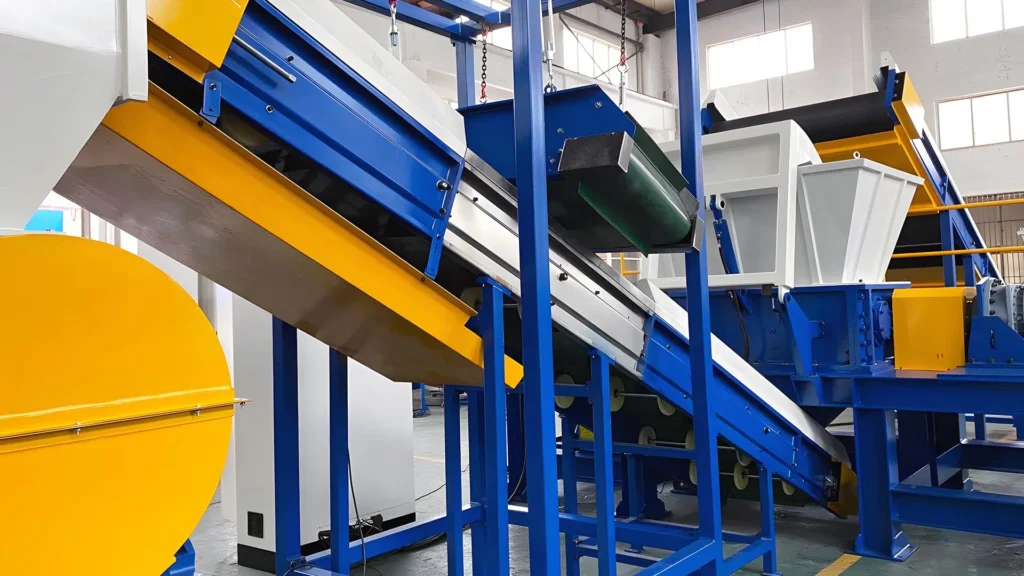
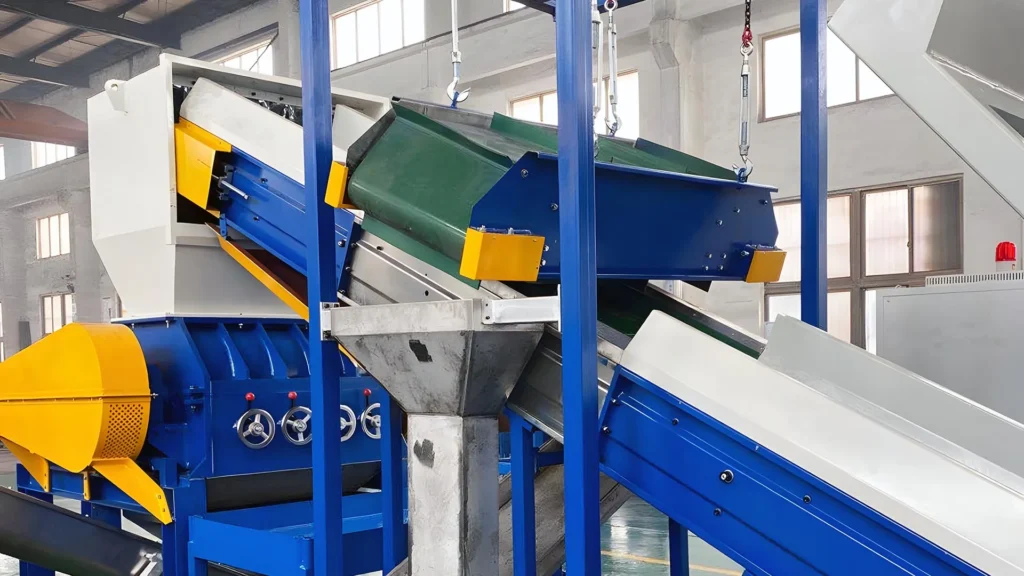
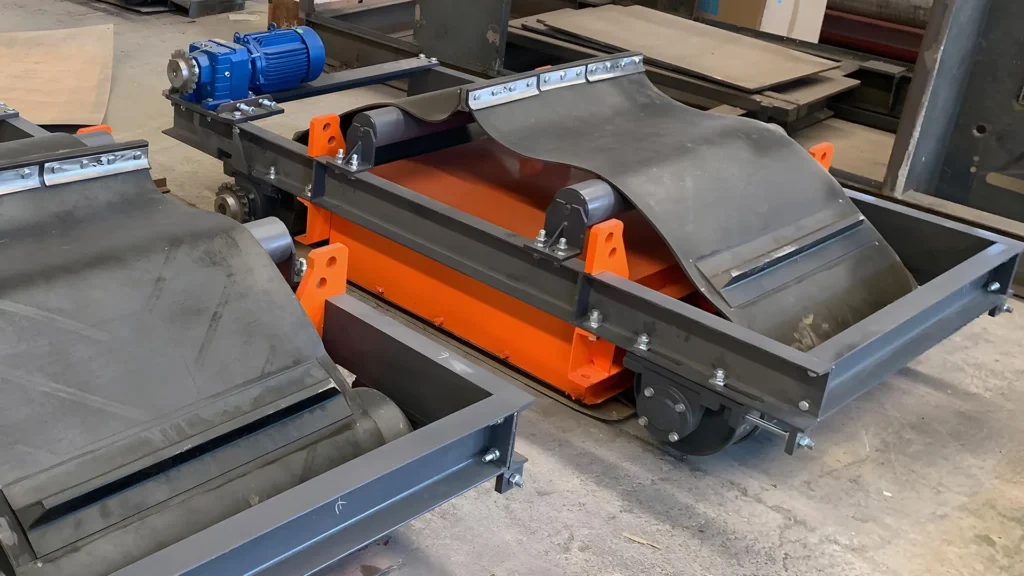
Geplaatst boven de band om een krachtige veldintensiteit in de materiaalstroom te projecteren zonder het transport te onderbreken.
IJzerhoudende metalen worden opgeheven uit het productstroom en gelost voor verzameling, verminderend handmatige schoonmaakstops.
Vangt zwerfijzer vroeg op zodat shredders, malers en granulators schade en ongeplande stilstanden vermijden.
Gewoonlijk in plastic- en bandenrecycling, mijnbouw en mineralen, houtbewerking en andere bulkzuiveringslijnen.
Gerelateerde apparatuur
Bouw een schoner herwinningssysteem op door magnetische scheiding te combineren met de juiste downstream sorteer- en recyclingapparatuur.
Wervelstroom magnetische scheider
Win niet-ferromagnetische metalen zoals aluminium en koper op na verwijdering van ferromagnetische metalen.
Kettingafvaltransporteur
Voer gemengd materiaal onder een overbandmagnetische separator in op een gereguleerde en consistente snelheid.
Trommelscherm
Scheid materiaal op maat voor magnetische sortering om blootstelling en consistentie van herwinningsresultaten te verbeteren.
Kunststofbreker
Verklein schoongemaakt plastic in gereguleerde korrels na het magnetische separeren van de bovengenoemde installatie om de snijkamer te beschermen.
Veelgestelde vragen
Monteer het voor krushers, granulators, extruders, pelletizers of fijn sorteerapparatuur wanneer ferromagnetische metalen de benedengelagde machines kunnen beschadigen.
Nummer. Standaard magnetische separators verwijderen ferromagnetische metalen zoals ijzer en staal. Aluminium, koper en brons vereisen meestal een eddy current separator.
Overbandmagneten zijn gebruikelijk boven transportbanden. Trommelmagneten en magnetische riemen zijn nuttig wanneer de indeling compacte, continue ferromagnetische afvoer vereist.
Magneetsterkte, riemsnelheid, laagdiepte, materiaaldistributie, installatiehoogte en deeltjesgrootte beïnvloeden allemaal de opvangprestaties.
Het hangt af van de kwaliteit. Magnetisch ferritisch en martensitisch (400-serie) roestvrijstaal reageert op het veld, maar niet-magnetisch austenitisch (300-serie) roestvrijstaal is grotendeels onzichtbaar voor een standaard magnetische separator en vereist eddy current of sensorgebaseerde sortering.
De magneetkracht daalt scherp met de afstand, dus de separator moet dicht genoeg zitten zodat zijn veld het onderste deel van de materiaallag bereikt. Een diepe of onevenlastige laag, of een te hoog gemonteerde magneet, laat kleine ijzerhoudende stukjes door slippen. Een diepe, gelijkmatig verspreide stroom bij de juiste opening geeft de meest betrouwbare opvang.
Garantie & installatie
-
Garantiedekking
Standaard fabrieksgarantie is van toepassing op ondersteunde machineonderdelen en fabricagefouten.
-
Installatie & ondersteuning
Wij verzorgen installatiebegeleiding, inbedrijfstelling, opleiding van operators en onderdelenservice volgens projectafspraak.
Vraag een Aanbeveling voor Magnetische Separatie aan
Deel uw materiaal, transportbandbreedte, capaciteit en vervuilingdetails. Onze ingenieurs kunnen een geschikte magnetische separatorconfiguratie aanbevelen.
