



Ein Recycling-Bander kann lose Kartonage, Kunststofffolie, PET-Flaschen, Papier und andere recycelbare Materialien in dichte, transportbereite Bündel umwandeln. Für ein Unternehmen besteht der Wert nicht nur in einer saubereren Abfallfläche. Der richtige Bander kann die Handhabungszeit reduzieren, die Sammelhäufigkeit senken, die Lagerkontrolle verbessern und konsistente Bündel produzieren, die einfacher zu bewegen oder zu verkaufen sind.
Dieser Leitfaden erläutert, wo diese Einsparungen herkommen, wie vertikale und horizontale Bänder sich unterscheiden und welche Informationen ein Gerätelieferant benötigt, bevor er ein Gerät empfiehlt. Er ist für Recyclinganlagen, Verteilerzentren, Hersteller, Lagerhäuser, Verpackungsoperationen und andere Einrichtungen gedacht, die einen Recycling-Bander für geschäftliche Zwecke bewerten. Recycling-Bander für geschäftliche Nutzung auswählen.
Kurze Antwort: Wählen Sie einen Bander auf Basis des Materialverhaltens, des Spitzenfütterungsgeschwinds, der Zielbündelmaßen, der Beladungsmethode, des verfügbaren Raums, des Arbeitsplans und der Nachgelagerten Logistik – und nicht nur der Geschäftsgröße.
Was macht ein Recycling-Bander?
Ein Bander verwendet hydraulischen Druck, um lose recycelbare Materialien in einem Behälter zu komprimieren. Der fertige Bündel wird mit Draht, Gürtel oder einem anderen Bindungssystem gesichert, so dass er mit weniger Platz gelagert, gestapelt, geladen und transportiert werden kann.
Ein Bander unterscheidet sich von einem Kompressor und von einem Entbänder. Ein Kompressor kann den Abfallvolumen reduzieren, ohne einen gebundenen Bündel zu erzeugen. Ein Entballungsmaschine vornehmlich das Gegenteil: Er öffnet komprimierte Bündel, damit Flaschen oder andere Futtermittel kontrolliert in eine Recyclinglinie eintreten können.
Wie ein Bander Geschäftsoperationen verbessern kann
1. Reduzieren Sie den Lager- und Transportvolumen
Lose Verpackungen und Kunststoffabfälle enthalten eine große Menge an leerem Raum. Durch Komprimieren in einheitliche Bündel kann eine Einrichtung Kisten, Vorlagewechselbereiche, Sattelschlepper und Container effizienter nutzen. Weniger teilgefüllte Sammelbehälter können die Transportkosten pro Tonne reduzieren, obwohl die tatsächlichen Einsparungen von der Bündeldichte, den Fahrzeugbeschränkungen, dem Ladegewohnheiten und den lokalen Sammelgebühren abhängen.
2. Verbessern Sie die Effizienz der Materialhandhabung
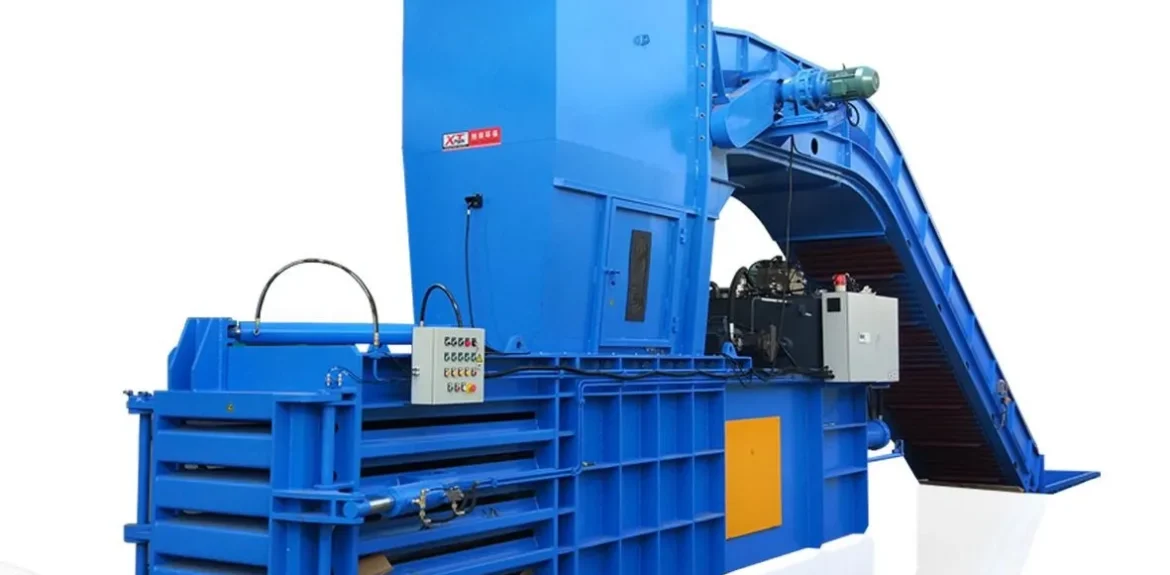
Einheitliche Bündel sind einfacher zu zählen, zu wiegen, zu stapeln und mit geeigneten Handhabungsmitteln zu bewegen. Ein gut durchdachter Fütterungs- und Auswurfprozess reduziert auch wiederholte manuelle Bewegungen von loseem Material. In höheren Volumenbetrieben kann ein Förderschleppband und automatische Bindung einen unregelmäßigen Abfallstrom in einen vorhersehbaren Produktionsabschnitt umwandeln.
3. Verbessern Sie Ordnung und Materialkontrolle
Lose Folie, Kartons, Flaschen und Reststücke können Gänge verstopfen, Kontamination verbreiten oder instabile Haufen bilden. Ein definiertes Bündelbereich macht die Trennung und Inventarkontrolle einfacher. Der Bander selbst muss dennoch mit geeigneten Schutzeinrichtungen, Interlocken, Notstopp, Schulung und schriftlichen Verfahren installiert und betrieben werden. Beziehen Sie sich auf anwendbare lokale Anforderungen und Ressourcen wie OSHA Maschinensicherheitsanweisungen.
4. Erhöhen Sie den Wert und die Konsistenz von Recyclingmaterialien
Einige Recycler und Mühlen bevorzugen definierte Bündelmaße, Gewichte, Bindungsmethoden und Kontaminationsgrenzen. Die Produktion wiederholbarer Bündel kann die Annahme und Logistik vereinfachen, aber ein Bander kann keine schlechte Sortierung korrigieren. Materialqualität, Feuchtigkeit, Kontamination und die Anforderungen des empfangenden Käufers bleiben entscheidend.
Bündelung unterstützt auch breitere Recyclingprogramme, indem recycelte Materialien einfacher konsolidiert und transportiert werden können. Das US-amerikanische EPA-Übersicht über Recyclingvorteile bietet zusätzlichen Kontext zu Ressourcenschutz und Müllvermeidung.
Vertikale vs. horizontale Recycling-Bänder
Vertikal und horizontal beschreiben die Richtung des Kompressionshebels und die allgemeine Maschinenanordnung. Weder Typ ist universell besser. Die richtige Wahl hängt davon ab, wie viel Material ankommt, wie konstant es ankommt und wie viel Automatisierung die Einrichtung benötigt.
| Auswahlkriterium | Vertikaler Bander | Horizontaler Bander |
|---|---|---|
| Typischer Workflow | Intermittenter oder Batch-Ladung | Kontinuierliche oder hochfrequente Ladung |
| Raumprofil | Kleinerer Raumbedarf, aber überprüfen Sie die Überkopf clearance | Größere Fläche und Zugangsanforderungen für den Service |
| Beschickung | In der Regel manuell oder assistiert | Oft mit Schüttgutbehälter oder Fördersystem |
| Binden | Häufig manuell oder halbautomatisch | Manuell, halbautomatisch oder vollautomatisch |
| Arbeitsbedarf | Mehr Bedienerbeteiligung pro Ballen | Weniger Bedienerbeteiligung bei Automatisierung |
| Optimale Eignung | Niedrig bis mittlerer Volumen und begrenzter Flächenbedarf | Mittlerer bis hoher Volumen und Linienintegration |
| Investitionsprofil | Im Allgemeinen geringere Anfangskomplexität | Höhere Automatisierung und Integrationskosten |
Dies sind allgemeine Muster, keine festen Regeln. Große senkrechte Maschinen, kompakte horizontale Maschinen, geschlossene Türen Ballenpressen, Kanalballenpressen, Zweikolben-Systeme und anwendungsspezifische Designs können die Vergleichbarkeit ändern. Überprüfen Sie das vollständige Rumtoo-Ballenpressen-Spektrum bei der Anpassung des Maschinentyps an Material und Produktionszielen.
Passen Sie die Ballenpresse auf das Material an
Der Materialtyp beeinflusst den Rebound, den Reibungswiderstand, das Feuchtigkeitsverhalten, die Fördersteifigkeit, die Ballendichte und die Bindeanforderungen. Ein Lieferant sollte repräsentatives Material bewerten, anstatt sich nur auf eine breite Bezeichnung wie “Kunststoff” oder “Papier” zu verlassen.”
| Material | Wichtige Eigenschaften | Häufigste Konfigurationsprioritäten |
|---|---|---|
| OCC, Kartons und Papier | Faltgröße, Feuchtigkeit, Kontamination, erforderlicher Walzenballen | Fütterungsöffnung, Scherensystem, Ballengeometrie, Bindekabel |
| PET-Flaschen und Dosen | Hoher Rückprall, Kappen, verbleibender Flüssigkeit, Lochstatus | Rückprallkontrolle, Vorpressung, dicht und stabile Bindeung |
| PP/PE-Folie und Stretchfolie | Niedrige Volumendichte, Verhedderung, Kontamination, hoher Rückprall | Gesteuerte Fütterung, großer Eingang, anti-bridging Design |
| Rohstoffplastik und Behälter | Teilgröße, Wanddicke, eingeschlossene Luft, gemischte Harze | Eingangsmaße, Vorbehandlung, Kompressionskraft |
| Textilfaser und Vliesstoffe | Elastizität, lange Fasern, Wickelverhalten | Kammergeometrie, Fütterungskontrolle, sichere Bindeung |
Für Anwendungen in Getränkebehältern, vergleichen Sie Konfigurationen, die für PET-Flaschen und Dosen. Für stark papierhaltige Ströme, überprüfen Sie eine dedizierte Altpapierballenpresse. Hochleistungsanlagen mit Förderband erfordern möglicherweise einen vollautomatischen horizontalen hydraulischen Ballenpressen.
Sieben Eingaben sind erforderlich, um die richtige Banderolle auszuwählen
- Materialbeschreibung: Identifizieren Sie das Material, die Abmessungen, die Schüttgutdichte, die Feuchtigkeit, die Kontamination und das Reboundverhalten.
- Täglicher Volumen und Spitzenfütterungsgeschwindigkeit: Alone die durchschnittliche Tonne pro Tag kann kurze Zeiträume mit sehr hoher Beladungsdauer verbergen.
- Zielbandmaß specification: Bestätigen Sie die bevorzugten Bandabmessungen, das Gewicht, die Dichte und die Bindeart mit Ihrem Transporteur oder Materialkäufer.
- Fütterungsmethode: Definieren Sie, ob das Laden manuell, mit Gabelstapler unterstützt, Schüttgutbecken gefüttert oder an einen Förderband und Sortieranlage angeschlossen wird.
- Verfügbares Standortfläche: Bieten Sie eine Anordnung, die den Bodenbereich, die Deckenhöhe, Zugangstüren, Wartungszonen und den Entfernungsweg der Bänder zeigt.
- Stromversorgung und Steuereinrichtungen: Bestätigen Sie den Stromversorgung, hydraulische Kühlbedingungen, Steuereingaben und alle vorgelagerten oder nachgelagerten Interlocke.
- Betriebsplan: Geben Sie die Anzahl der Schichten, verfügbare Bediener, Automatisierungsziel, Wartungsfähigkeit und erwartetes zukünftiges Wachstum an.
Eine nützliche Angebotsanfrage sollte die Annahmen hinter der Empfehlung darlegen. Fragen Sie den Lieferanten, welche Materialeigenschaften verwendet wurden, wie der Durchsatz definiert wird, ob die Binde- und Fütterungseinrichtungen enthalten sind und welche Baustellenarbeiten der Käufer verantwortet.
Wie man den ROI der Banderolle schätzt
Beurteilen Sie die Banderolle nicht nur nach dem Kaufpreis. Vergleichen Sie den aktuellen Abfallentsorgungsprozess mit dem vorgeschlagenen Prozess über den gleichen Produktionszeitraum.
Monatlicher Nettogewinn = reduzierte Sammel- und Transportkosten + reduzierte Handhabungsarbeit + verbesserte Einkünfte aus recycelbaren Materialien – Strom, Kabel, Wartung und zusätzliche Betriebskosten.
Kurze Amortisationszeit = Installationsprojekt-Kosten / monatlicher Nettogewinn.
Die Installationsprojekt-Kosten sollten Maschine, Fracht, Entladung, Fundamente, Elektroinstallation, Förderbänder, Schutzeinrichtungen, Inbetriebnahme und Bedienertraining einschließen. Erstellen Sie auch einen konservativen Fall mit niedrigeren Materialpreisen und realistischer Verfügbarkeit. Dies verhindert, dass eine attraktive Headline-Rechnung die Integrations- und Betriebskosten verdeckt.
Gängige Fehler bei der Wahl von Pressmaschinen
- Größenbestimmung nur nach durchschnittlichem täglichen Volumen: der Pressmaschinen könnte dennoch zu einem Engpass während der Spitzenproduktion werden.
- Ignorieren des Materialrückpralls: Flaschen und Folie können unterschiedliche Fütterungs-, Komprimierungs- und Bindestrategien als Papier erfordern.
- Kaufen nur nach Presskraft: Kammergröße, Zykluszeit, Fütterungsstabilität und Ballenhandling können ebenfalls wichtig sein.
- Überspringen der Ballenspezifikation des Käufers: eine effiziente Maschine kann dennoch einen Ballen produzieren, der für den Transport oder den Wiederverkauf unbequem ist.
- Installationsspielraum unterschätzen: Zeichnungen müssen Zugang für Wartung, Türbewegungen, Förderbänder, Drahtlagerung und Ballenabwurf umfassen.
- Annehmen, dass Automatisierung Überwachung eliminiert: automatisierte Systeme erfordern dennoch Inspektion, Reinigung, Wartung und sichere Betriebsanweisungen.
Sicherheit, Wartungs- und Servicenplanung
Bevor Sie kaufen, überprüfen Sie Schutzeinrichtungen, Zugangstüren, Notstopps, Querriegel, Abschaltungsvorkehrungen, Betriebsübersicht und die sichere Methode zur Entfernung von Störungen. Der endgültige Entwurf und die Verfahren müssen den auf dem Installationsort geltenden Vorschriften entsprechen.
Ein Vorbeugungs-Wartungsplan sollte den Zustand des Hydrauliköls, Filter, Schläuche, Zylinder, Führungselemente, Schnittkanten, wo vorhanden, Draht- oder Gürtelsysteme, Sensoren, Kühlgeräte und strukturelle Inspektionen umfassen. Fordern Sie bevor Sie einen Kaufauftrag erteilen empfohlene Ersatzteile, Serviceintervalle, Fehlerbehebungsdokumentation, Fernunterstützung und den Inbetriebnahmeumfang an.
Häufig gestellte Fragen
Eine vertikale Bandermaschine verwendet in der Regel einen kleineren Fußabdruck und eignet sich für intermittierende, geringere Ladevolumen. Eine horizontale Bandermaschine ist im Allgemeinen besser für kontinuierliche Fütterung, höheren Durchsatz, Konvektorintegration und größere Automatisierung geeignet. Die genauen Fähigkeiten hängen vom Modell ab.
Die richtige Wahl hängt von der Filmmenge, der Schüttgutdichte, der Kontamination, dem Rebound, der Fütterungsmethode und dem Zielballen ab. Geringe oder unregelmäßige Mengen könnten eine vertikale Banderrolle geeignet machen, während kontinuierliche industrielle Filmmengen in der Regel einen horizontalen Bander mit kontrollierter Fütterung und Antivibrationsmerkmalen benötigen.
Preis variiert je nach Presskraft, Kammervolumen, Durchsatz, Bindungssystem, Fördereinrichtung, Automatisierung, Schutzeinrichtung, elektrischer Norm, Fracht und Installationsumfang. Ein zuverlässliches Angebot erfordert Materialdaten, Produktionsziele und eine Standortplanung.
Einige Baler können mehrere Materialien verarbeiten, aber Einstellungen, Fütterungsverhalten, Ballendichte und Bindungsanforderungen können sich unterscheiden. Bestätigen Sie jedes Material beim Hersteller und trennen Sie inkompatible oder kontaminierte Ströme.
Bieten Sie Materialbilder oder Proben, Bruttodichte, Stücksgröße, Feuchtigkeit und Verunreinigung, stündlicher und täglicher Volumen, Zielballendimensionen und -gewicht, Fütterungsmethode, verfügbare Fläche, Stromversorgung, Arbeitsplan und erforderliche Automatisierung.
Ein Baler komprimiert lose Materialien zu gebundenen Ballen für Lagerung und Transport. Ein Entbaler öffnet komprimierte Futterballen, damit das Material getrennt und in Sortier-, Wasch- oder Recyclinganlagen geführt werden kann.
Anfrage nach einer Pressmaschinenempfehlung
Senden Sie uns Ihre Materialdetails, Zielkapazität, bevorzugte Ballengröße, Fütterungsmethode und verfügbare Anordnung. Rumtoo wird eine geeignete Konfiguration empfehlen und klären, was im Angebot enthalten ist.
