


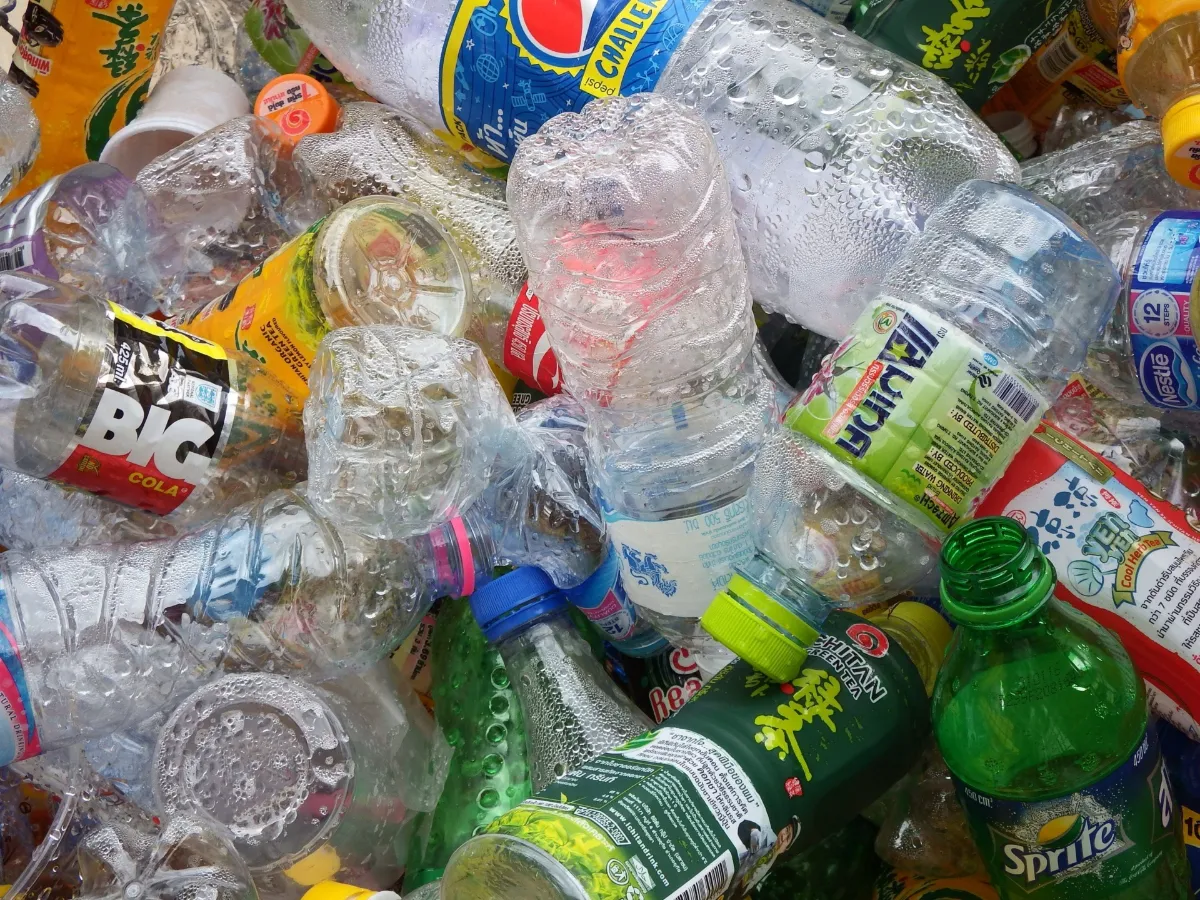
Der Markt für recyceltes Polyethylenterephthalat (rPET) wandelt sich von Anwendungen mit minderwertigen Fasern hin zu hochwertigen Lebensmittelverpackungen. Für Betreiber von Recyclinganlagen ergeben sich daraus neue Anforderungen an die Anlagenausstattung. Die Erreichung der für Premium-Anwendungen erforderlichen Reinheitsgrade – typischerweise ein PVC-Gehalt von <50 ppm – hängt vollständig von der Effizienz der Anlagen ab. PET-Flaschen-Recyclingsystem.
1. Polyesterfaser (Stapelfaser)
Der Fasermarkt, der historisch gesehen der größte Abnehmer von rPET ist, bleibt ein wichtiger Absatztreiber. Gewaschene Flocken werden zu Polyester-Stapelfasern (PSF) extrudiert für:
* TextilienFleece, Sportbekleidung und Autopolster.
* Einrichtungsgegenstände: Teppichböden, Kissenfüllungen und Vliesstoffe.
Technische EinschränkungFür das Faserspinnen ist eine gleichbleibende intrinsische Viskosität (IV) erforderlich. Kunststoffgranulator ist unerlässlich, um eine gleichmäßige Flockengeometrie zu erzielen und Zuführungsprobleme in den Spinnextrudern zu vermeiden.
2. Tiefziehfolien (Verpackung)
Saubere rPET-Flocken werden zunehmend direkt zu Platten extrudiert, die für tiefgezogene Produkte wie Obstschalen, Blisterverpackungen und Backwarenschalen verwendet werden.
* AussehenHöchste Transparenz ist unerlässlich. Dies erfordert eine Wäscheleine mit Heißwaschanlage, um alle Klebstoffreste und trüben Verunreinigungen zu entfernen.
3. Flaschen-zu-Flasche-Abfüllung (Lebensmittelqualität)
Die lukrativste, aber auch anspruchsvollste Anwendung. Große Getränkehersteller (Coca-Cola, PepsiCo) benötigen rPET-Granulat zur Mischung mit Neuware.
* StandardsDie Einhaltung der FDA/EFSA-Vorschriften erfordert Dekontaminationstechnologien, die flüchtige organische Verbindungen (VOCs) entfernen. Der Prozess beginnt mit optischer Sortierung und hochintensiver Reibungswäsche, um vor der Pelletierung eine Reinheit von 99,91 TP6T zu gewährleisten.
4. Hochfeste Industrieumreifung
Grüne PET-Umreifungsbänder ersetzen Stahlbänder in der Logistik.
* Materialeigenschaften: Erfordert rPET mit hoher Zugfestigkeit. Der Extrusionsprozess reagiert empfindlich auf Feuchtigkeit; daher sind effiziente Zentrifugaltrocknung und thermische Trocknungssysteme entscheidende Vorverarbeitungsschritte.
5. Technische Kunststoffe & Compoundierung
Recyceltes PET wird mit Glasfasern oder Flammschutzmitteln für die Herstellung von Spritzgussteilen für die Automobilindustrie (z. B. Motorabdeckungen, Scheibenwischerarme) vermischt.
* wird bearbeitetDiese Anwendung nutzt häufig eine Einwellenzerkleinerer zur Behandlung von hartnäckigen Spülrückständen oder fehlerhaften Spritzgussteilen vor der erneuten Granulierung.
Empfohlene Verarbeitungstechnologie
Um diese lukrativen Märkte zu erschließen, empfehlen die Ingenieure von Rumtoo ein mehrstufiges Vorgehen. Eine herkömmliche Brech- und Waschanlage ist für Anwendungen im Lebensmittelbereich nicht ausreichend.
1. Verkleinerung: Beginnen Sie mit einem Hochleistungshäcksler, um ganze Ballen zu zerkleinern.
2. Reinigung: Einsatz eines Sink-Schwimm-Trennbeckens zur Entfernung von Polyolefinen (PP/PE-Verschlüsse).
3. Verfeinerung: Verwenden Sie eine Heißwasserdusche mit Natronlauge, um Etiketten und Klebstoffe zu entfernen.
Durch die Konfiguration Ihrer Produktionslinie auf maximale Reinheit verlagern Sie Ihr Produkt vom Massenmarkt für “Billigfasern” in den Premiumsektor für “Verpackungen” und steigern so die Gewinnmargen pro Tonne erheblich.
