


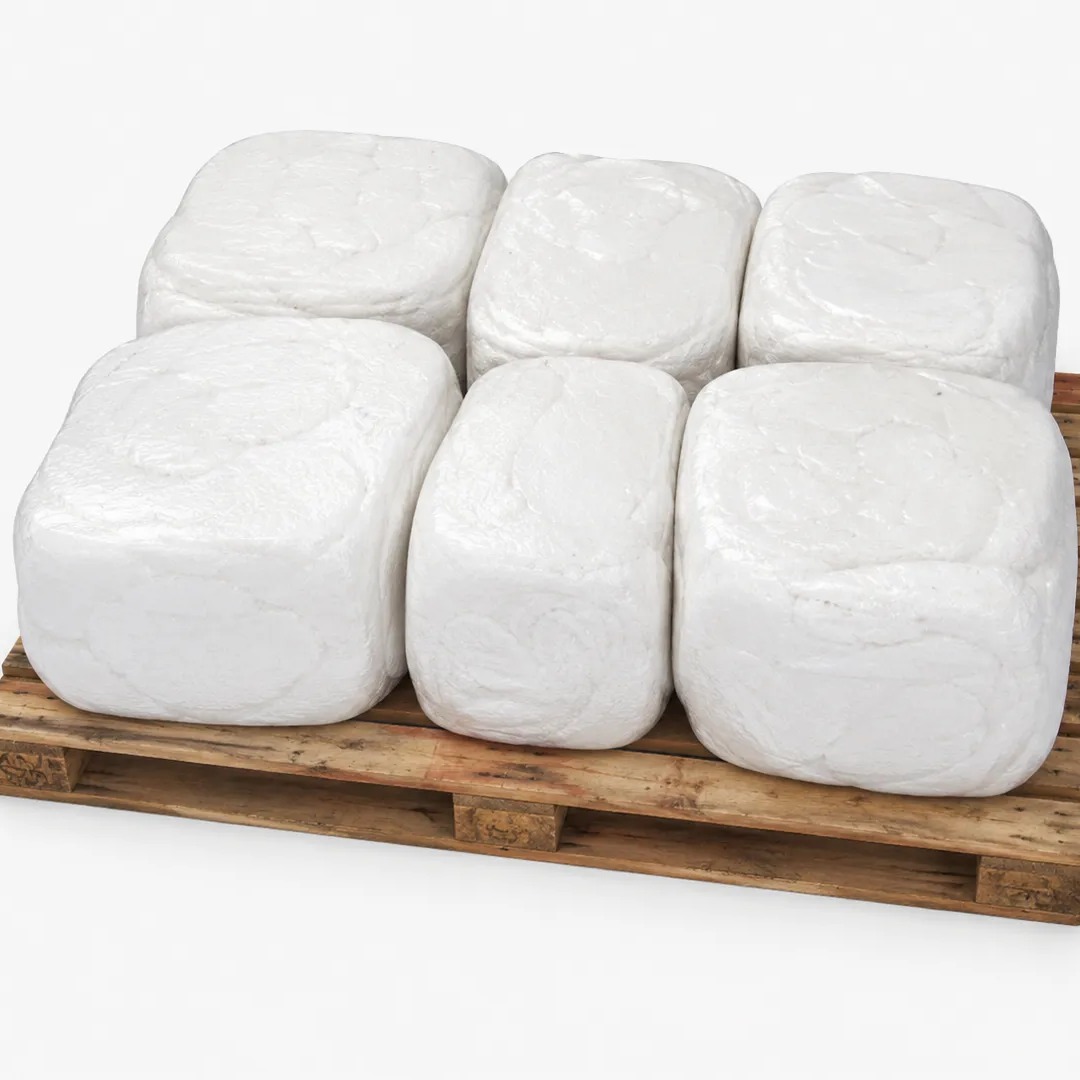
If you handle expanded polystyrene (EPS) waste — packaging foam, fish boxes, molding offcuts — you already know the core problem: loose EPS is mostly air. It fills trucks and warehouses while weighing almost nothing, which makes it expensive to store and uneconomical to transport to recyclers.
That’s where densification comes in. The two established routes are hot melt densification and cold pressing. They produce different outputs, suit different buyers, and place different demands on your site. This guide compares them so you can specify the right machine the first time.
Why Densify EPS Before Selling It
Recyclers buy EPS by weight, but you pay to move it by volume. Unprocessed EPS packaging can cost more to ship than it is worth. Densifying it into stackable blocks or ingots cuts storage footprint dramatically, makes truckloads economical, and produces a uniform product recyclers can actually handle.
The real question is which route fits your buyer and your site.
How an EPS Hot Melt Machine Works
A hot melt densifier (also called a foam thermal densifier) uses controlled heat to fuse prepared EPS. The process runs in three stages:
- Prepare — foam is sorted and fed in; contamination, moisture, and non-EPS materials are removed beforehand.
- Melt and densify — a heated screw melts the foam and compresses it into a dense, molten mass.
- Chłodzenie — the discharge cools into solid polystyrene blocks or ingots that can be palletized and stacked.
Rumtoo’s RTM-HM series, for example, covers 40–50 kg/h (RTM-HM50), 80–100 kg/h (RTM-HM100), and 160–200 kg/h (RTM-HM200). Actual throughput depends on foam density, cleanliness, and feeding conditions — so treat rated capacity as a starting point, not a guarantee. See the full EPS hot melt machine specifications.
The output is an intermediate recycling feedstock: dense PS blocks ready for collection and transport. If your end goal is finished PS pellets, that requires a separate reprocessing and pelletizing system.
How an EPS Cold Press Works
A cold press takes the opposite approach: mechanical pressure with no melting stage. Foam is fed into a compression chamber and squeezed into compacted blocks or logs.
There is no heater, no molten stage, and no cooling line — which simplifies the machine and removes the need for thermal extraction. The trade-off is output form: you get mechanically compacted foam, not fused plastic. Whether that matters depends entirely on who buys your material.
Hot Melt vs. Cold Press: Side-by-Side Comparison
| Selection point | Hot melt densifier | Cold press |
|---|---|---|
| Proces | Controlled heat fuses prepared EPS | Mechanical pressure, no melting stage |
| Output form | Solidified polystyrene blocks or ingots | Mechanically compacted foam blocks or logs |
| Operating focus | Feed rate, heating, cooling, local extraction | Feed rate, compaction, block integrity |
| Zasoby | Drive and heating demand, plus agreed extraction | Drive demand and configuration-specific auxiliaries |
| Choose it when | Your buyer accepts fused output and your site supports thermal processing | Your buyer accepts compacted output and a non-melting route fits the project |
How to Choose: Five Decision Factors
1. Start with your buyer. This is the single most important factor. Some recyclers accept only fused hot-melt blocks; others take compacted logs. Confirm block size, contamination limits, and packaging requirements with the receiving recycler before you specify any machine.
2. Know your feedstock. Appliance and electronics packaging, EPS fish boxes, foam molding offcuts, and clean insulation offcuts all behave differently. Wet fish boxes must be emptied, cleaned, and dried first — food residue, water, tape, and liners affect feeding, emissions, and output quality. Keep in mind that EPE, EPP, polyurethane, and other foams are not interchangeable with EPS — they need separate assessment.
3. Size by weight and volume. For EPS, kilograms per day alone is not enough — loose cubic meters matter just as much because feeding behavior depends on bulk density. Provide both, plus shift hours and peak collection volumes.
4. Check your site. Hot melting adds heating load, a cooling zone, and extraction around the heated process. Confirm floor space, electrical supply, ventilation arrangements, and loading access — and allow room for cooling, maintenance, and pallet storage.
5. Be clear on the end product. For most recyclers, hot-melt blocks are a finished, sellable product. If you plan to pelletize, budget for a separate pelletizing line.
Co przygotować przed złożeniem prośby o wycenę
Suppliers can only size a machine accurately with real data. Prepare these four items:
- Material and cleanliness — photos, foam type, largest piece size, typical moisture or contamination.
- Weight and loose volume — kg per day, cubic meters before processing, shift hours, peak volumes.
- Output and buyer — whether your recycler accepts hot-melt blocks, plus their limits on contamination, block size, and packaging.
- Site and utilities — floor space, electrical supply, extraction arrangements, loading access.
Send these details for a tailored proposal — expert response within 24 hours.
Często zadawane pytania
Can wet EPS fish boxes go directly into a hot melt machine?
No. Empty, clean, and dry them first. Food residue, liquids, tape, and incompatible liners affect feeding, emissions, and output quality. Describe the actual incoming condition so you can agree on preparation and acceptance limits upfront.
Can the same machine process EPE, EPP, or polyurethane foam?
No. This equipment is specified for expanded polystyrene (EPS). Other foams have different processing requirements and should never be treated as interchangeable feed. Separate polymers and request a specific assessment for each.
What exactly comes out of a hot melt machine — can I sell it directly?
You get dense polystyrene blocks or ingots that cool into a stable, stackable form. Most recyclers buy this as feedstock. Producing finished PS pellets is a separate step requiring its own reprocessing system.
Which route gives better volume reduction, hot melt or cold press?
Both densify EPS dramatically compared with loose foam. Don’t choose on volume reduction alone — compare actual material samples, handling behavior, and operating demand, and above all match the route to what your buyer accepts.
What ventilation does a hot melt machine need?
It depends on the foam grade, additives, throughput, and installation. Specify temperature control, operating limits, startup and shutdown procedures, and extraction around the heated process, and include these in the machine and site review before operation.
How much power do the RTM-HM models need?
Installed power ratings are 7.5 kW main motor plus 4 kW heating (RTM-HM50), 15 kW plus 10 kW (RTM-HM100), and 22 kW plus 14 kW (RTM-HM200), plus crusher motors. These are installed ratings, not measured energy consumption; confirm the final electrical configuration in your quotation.
Get a tailored proposal: Send foam photos, daily weight and volume via our EPS hot melt machine page — or email [email protected] / call +1 332 250 1915.
