


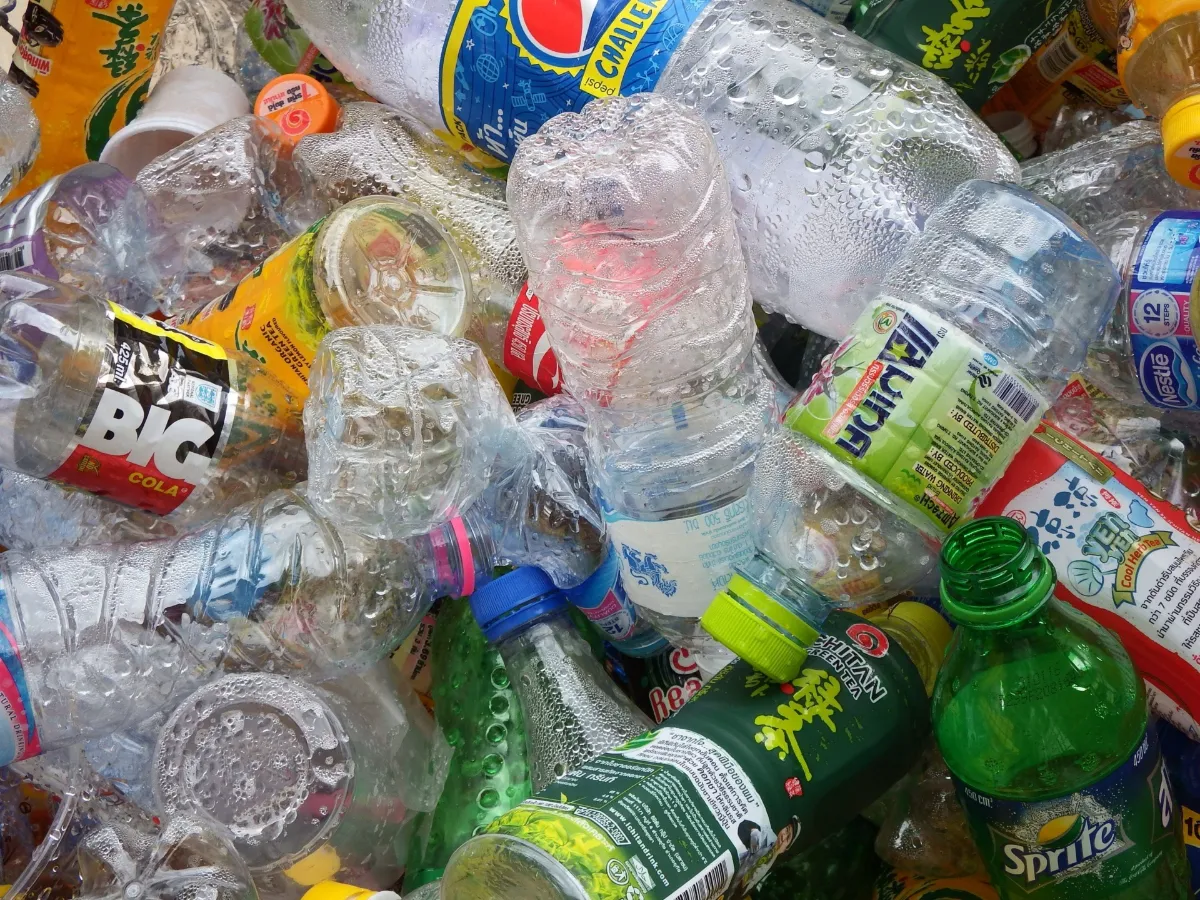
Il mercato del polietilene tereftalato riciclato (rPET) si sta spostando dalle applicazioni in fibra di bassa qualità a imballaggi alimentari di alto valore. Per i gestori degli impianti di riciclaggio, questa transizione determina le specifiche necessarie delle attrezzature. Il raggiungimento dei livelli di purezza richiesti per le applicazioni premium, in genere con un contenuto di PVC <50 ppm, dipende interamente dall'efficienza del processo. Sistema di riciclaggio delle bottiglie in PET.
1. Fibra di poliestere (fibra discontinua)
Storicamente il maggiore consumatore di rPET, il mercato delle fibre continua a trainare i volumi. I fiocchi lavati vengono estrusi in fibre di poliestere in fiocco (PSF) per:
* Tessili: Pile, abbigliamento sportivo e rivestimenti per auto.
* Arredamento per la casa: Moquette, imbottiture per cuscini e tessuti non tessuti.
Vincolo tecnico: La filatura delle fibre richiede una viscosità intrinseca (IV) costante. Un robusto Granulatore di plastica è essenziale per produrre una geometria uniforme dei fiocchi, prevenendo problemi di alimentazione negli estrusori rotanti.
2. Fogli termoformati (imballaggio)
I fiocchi puliti di rPET vengono sempre più spesso estrusi direttamente in fogli per prodotti termoformati come contenitori per frutta, blister e vassoi per prodotti da forno.
* Aspetto: L'elevata trasparenza è imprescindibile. Per questo è necessario un impianto di lavaggio dotato di una lavatrice ad acqua calda per rimuovere tutti i residui di adesivo e i contaminanti opachi.
3. Bottiglia-bottiglia (qualità alimentare)
L'applicazione più redditizia ma impegnativa. I principali marchi di bevande (Coca-Cola, PepsiCo) richiedono pellet di rPET da miscelare con materiale vergine.
* Standard: La conformità FDA/EFSA richiede tecnologie di decontaminazione che rimuovono i composti organici volatili (COV). Il processo inizia con la selezione ottica e il lavaggio ad attrito ad alta intensità per garantire una purezza TP6T del 99,91% prima della pellettizzazione.
4. Reggiatura industriale ad alta resistenza
Le reggette in PET ecologico stanno sostituendo le reggette in acciaio nella logistica.
* Proprietà del materiale: Richiede rPET con elevata resistenza alla trazione. Il processo di estrusione è sensibile all'umidità; pertanto, sistemi efficienti di essiccazione centrifuga e termica sono fasi di pre-lavorazione fondamentali.
5. Materie plastiche ingegneristiche e compounding
Il PET riciclato viene miscelato con fibre di vetro o ritardanti di fiamma per lo stampaggio a iniezione di componenti automobilistici (ad esempio, cofani motore, bracci tergicristalli).
* in lavorazione: Questa applicazione utilizza spesso un Trituratore monoalbero per gestire spurghi difficili o parti stampate a iniezione difettose prima della rigranulazione.
Tecnologia di elaborazione consigliata
Per accedere a questi mercati ad alto valore, gli ingegneri di Rumtoo raccomandano un approccio multistadio. Una linea di frantumazione e lavaggio standard non è sufficiente per le applicazioni alimentari.
1. Riduzione delle dimensioni: Iniziare con un trituratore per impieghi gravosi per ridurre le balle intere.
2. Purificazione: Implementare una vasca di separazione a galleggiante per rimuovere le poliolefine (tappi in PP/PE).
3. Raffinatezza: Utilizzare una lavatrice ad acqua calda con soda caustica per rimuovere etichette e colle.
Configurando la tua linea per la massima purezza, sposti il tuo prodotto dal mercato delle "fibre di fascia bassa" al settore degli "imballaggi" di alta qualità, aumentando significativamente i margini di profitto per tonnellata.
