


Малая машина для переработки пластика Варианты кажутся привлекательными, когда вы хотите протестировать материал, обучить команду или начать с ограниченного бюджета. Индустриальная линия по переработке делает больше смысла, когда вам нужен стабильный выпуск в кг/ч, более чистые фракции или шарики, средства контроля безопасности оператора и процесс, который может работать смену за сменой. Данное руководство сравнивает оба пути, чтобы вы могли выбрать оборудование, соответствующее вашему потоку отходов, пространству на заводе и бизнес-целям.
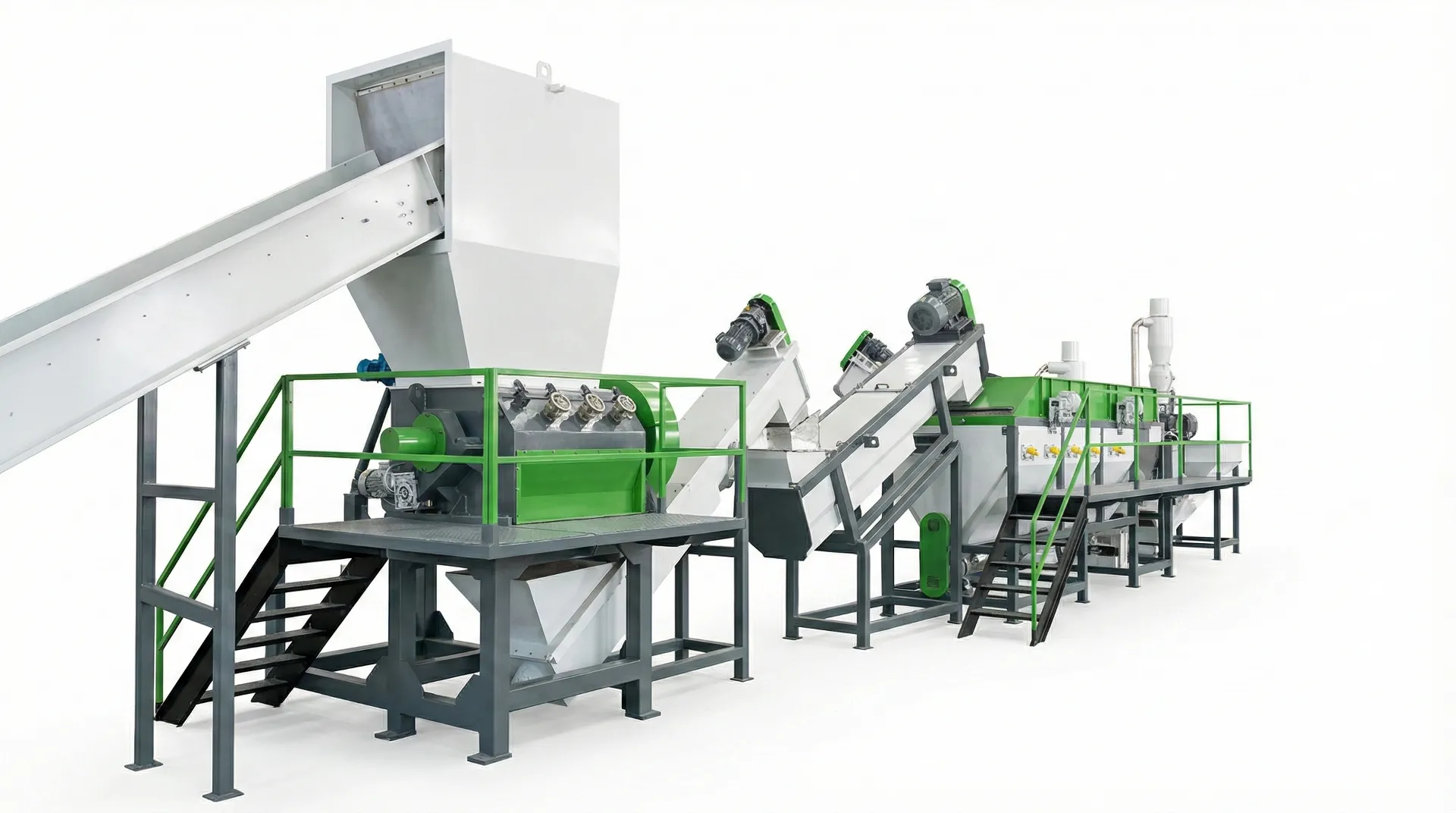
Для полного обзора категорий промышленного оборудования откройте наш машины для переработки пластика Страница, которую вы читаете, показывает, как системы измельчения, промывки, сушки, сортировки и гранулирования соединяются внутри целого завода.
Быстрый ответ: Малый станок или промышленная линия?
Универсальное сортировочное оборудование подходит для тестирования, обучения, небольших цехов и чистого отсортированного вторсырья. Индустриальная линия подходит для коммерческого производства, отходов потребления, более высокого уровня загрязнения, повторяемого качества пеллет или фракций и покупателей, требующих стабильных спецификаций.
| Цель проекта | Лучшее соответствие | Почему |
|---|---|---|
| Обучайте в области пластиковой переработки или проводите демонстрации | Маленький станок | Меньшие требования к объему пространства, более простая эксплуатация, удобное визуальное обучение |
| Проверьте новый поток отходов перед инвестициями | Малая машина или пилотная установка | Помогает подтверждать проблемы с измельчением, плавкой, запахом и загрязнением |
| Перерабатывайте чистый заводской отрезок внутри предприятия | Узкий промышленный комплекс | Чистый входной материал может перейти с измельчения на гранулирование с меньшим количеством этапов |
| Обработка грязных PET-бутылок, пленки или жесткой упаковки | Линия промышленного оборудования | Потребуется сортировка, промывка, разделение, сушка и контроль качества |
| Продавайте фракцию или шарики повторным клиентам | Линия промышленного оборудования | Требуется стабильная производительность, задокументированное качество и доступ к обслуживанию |
Что считается малым оборудованием для переработки пластика?
Малый пластико-перерабатывающий станок — это низкопроизводительное устройство или компактный набор устройств, которые обычно выполняют один процессный этап: измельчение, литье под давлением, экструзию, сжатие или простое производство пеллет. Покупатели часто используют эти машины в школах, студиях дизайна, мастерских по ремонту, общественных проектах, лабораториях и на начальных этапах переработки.
Малое оборудование может сделать переработку пластика очевидной и практичной. Проекты, такие как Precious Plastic, помогли популяризировать мелкосерийные машины, обмениваясь чертежами для измельчения, экструзии, инъекции и листового прессования. Источник: Обзор машин Precious Plastic.
- Типичные материалы: clean caps, small HDPE/PP parts, sorted flakes, failed 3D prints, and low-volume workshop scrap.
- Типичные выходные характеристики: ленты, простые литые детали, экструдированные профили, мелкие листы или тестовые гранулы.
- Типичные ограничения: ручное загрузка, низкая автоматизация, узкий диапазон материалов, ограниченная мойка и больше участия оператора.
Что такое индустриальная линия по переработке пластиков?
Индустриальная линия по переработке пластиков - это связанная система, предназначенная для непрерывного производства. Она сочетает в себе обработку материалов, уменьшение размеров, мойку, разделение, сушку, экструзию, фильтрацию, pelletizing, управление и функции безопасности в зависимости от поступающего потока отходов.
Индустриальное оборудование становится важным, когда материал грязный, мокрый, объемный, смешанный или связанный с требованиями покупателя. Согласно данным U.S. EPA, в 2018 году пластиковые отходы составили 35,7 миллиона тонн в США в городских твердых отходах, и пластиковые контейнеры и упаковка превысили 14,5 миллиона тонн. Этот масштаб объясняет, почему коммерческие заводы нуждаются в повторяемых системах, а не только в ручных машинах. Источник: Пластик EPA: Материально-специфические данные.
- заводы по производству бутылок из PET нуждаются в удалении этикеток, дроблении, мойке, разделении и сушке, чтобы ленты соответствовали требованиям покупателя.
- заводы по производству пленки из PP/PE нуждаются в стабильной загрузке, абразивной мойке, сжатии или сушке, удалении газа, фильтрации и pelletizing.
- заводы по производству жестких HDPE/PP нуждаются в измельчении или гранулировании, мойке, разделении по плотности, сушке и иногда экструзии.
Маленькие станки для переработки пластиков против индустриальной линии: Основные различия
Основное различие не только в размере. Реальное различие заключается в том, сколько контроля вам нужно над сырьем, качеством выхода, безопасностью, трудом и ежедневной работоспособностью.
| Фактор | малые масштабы оборудования | индустриальная линия по переработке |
|---|---|---|
| Емкость | Лучше всего подходит для тестов, партий и работы с низким объемом | Создана вокруг стабильной цели в кг/ч |
| Труд | Больше ручной загрузки, сортировки и обработки | Конвейеры, управление и поток процесса уменьшают ручную обработку |
| Состояние материала | Работает лучше всего с чистыми, отсортированными, сухими пластиковыми отходами | Может включать мойку, разделение и сушку для грязных отходов |
| Контроль выхода | Хорош для демонстраций и ранних образцов | Лучше для повторяемых лент или гранул |
| Дизайн безопасности | Зависит сильно от источника машины и местных защитных мер | Может включать блокировку, защитные устройства, экстренные остановы и платформы для обслуживания |
| Расширение | Ограничено шагами ручного управления и циклом работы машины | Может быть добавлено сортировочное, моечное, сушущее и гранулирующее оборудование |
| Покупка | Сравните технические характеристики оборудования и потребности оператора | Сравните полный объем процесса, вспомогательные системы, монтаж и поддержку |
Когда имеет смысл использовать компактный пластико-перерабатывающий станок
Малосерийная установка оправдана, когда обучение, тестирование или низкий объем переработки важнее коммерческой производительности. Она может помочь вашей команде понять поведение материалов до того, как вы решите перейти на более крупную линию.
- Нужна гарантия перед более крупной покупкой. Запускайте чистые образцы, проверяйте поведение расплава, определяйте запах и регистрируйте проблемы при подаче.
- Ваш поток отходов чистый и узкий. Постоянное поставление одного полимера, например, колпачков HDPE или обрезков PP, снижает риск процесса.
- Ваше оборудование остается в вашем собственном цехе. Внутреннее использование часто позволяет большую допустимую погрешность, чем продажа пеллет сторонним покупателям.
- Ваш сайт имеет ограниченную мощность и площадь. Маленькое оборудование может разместиться там, где не поместится целая линия для промывки или гранулирования.
В нашем опыте небольшие машины работают наилучшим образом, когда оператор контролирует подачу сырья. Они испытывают трудности, когда сырьё меняется каждые час, содержит воду или песок, или включает этикетки, металл, ПВХ, многослойный полимер или неизвестные полимеры.
При выборе промышленной линии
Промышленная линия — лучший выбор, когда вам нужен реализуемый выход, задокументированное качество и стабильное производство. Она также защищает ваш проект от скрытых затрат, вызванных промывкой, влажностью, фильтрацией, трудовыми ресурсами и простоем.
- Your feedstock is post-consumer. Бутылки, пленка, бочки и смешанные упаковки обычно требуют мытья и разделения.
- Ваш покупатель устанавливает пределы качества. Влага, цвет, ПВХ, золы, запах, melt flow и размер гранул могут повлиять на прием.
- Нужно определить целевой размер вывода. Линия производительности 300 кг/ч, 500 кг/ч или 1 000 кг/ч требует различного дизайна подачи, сушки и управления.
- Вы планируете работать в сменах. Непрерывная работа требует доступа к лезвиям, запасных частей, сигнализации управления, графиков обслуживания и обучения операторов.
Если вы уже близки к коммерческому решению, прочитайте нашу Руководство по выбору оборудования для переработки пластика. It explains how to match polymer type, contamination, feed form, target output, and supplier quotations.
Материал подходит: чистый лом, бутылки, пленка и жесткие пластмассы
Материал подходит должен определять путь оборудования до цены. Компактное оборудование может обрабатывать узкие чистые потоки, но индустриальные линии требуют дополнительных шагов для грязных или смешанных пластиков.
| Материал | Малая машина подгонка | Линия промышленного оборудования | Основная озабоченность |
|---|---|---|---|
| Чистый HDPE или PP-отходы | Хорошо для испытаний и мелкого повторного использования | Удобно для внутреннего производства пеллет | Металл, текучесть расплавов и стабильность размеров |
| Отказы 3D-печати | Отлично подходит для измельчения и испытаний | Используется, если объем становится стабильным | Сепарация полимеров и добавки |
| ПЭТ-бутылки | Низкая эффективность, если материал не предшествующе очищен и отсортирован | Отличное соответствие для промывки и выпуска фракции | Этикетки, ПВХ, влажность, цвет, клей |
| LDPE/PP пленка | Ограничено, если чистое и сухое | Сильная совместимость для мытья, сжатия и гранулирования | Вода, песок, краска, подача и удаление газов |
| Жесткие ящики, бочки, крышки | Возможно при малом объеме после резки | Сильная совместимость с измельчителем, мойкой, сушкой и гранулятором | Объемная плотность, этикетки, грязь и смешанные полимеры |
Подробности упаковки могут изменить весь процесс. Ассоциация переработчиков пластика объясняет, что этикетки, чернила, клей и крышки могут загрязнять переработку PET, так как они могут переносить загрязнение в мойку и поток гранул. Источник: Руководство по проектированию APR для жесткой упаковки из PET.
Производительность и стоимость: как думать за пределами цены покупки
Цена покупки рассказывает только часть истории. Вы должны сравнивать стоимость за полезный килограмм, а не только счет на машину.
- Рабочие силы: Маленькие машины часто требуют больше времени оператора для подачи, сортировки, чистки и обработки.
- Коммунальные услуги: Индустриальная мойка и сушка требуют электроэнергии, воды, сжатого воздуха и планирования сточных вод.
- Расходные материалы: Лезвия, сита, фильтры, нагреватели, ремни, подшипники и масло влияют на реальную операционную стоимость.
- Время простоя: Дешевая машина может стоить дороже, если замена лезвий, чистка сит и ремонты часто останавливают производство.
- Please provide the English text you would like me to translate into Russian. Грязные гранулы, влажные гранулы, запах или нестабильный melt flow могут стереть экономию от низкой цены покупки.
Используйте простую проверку окупаемости перед покупкой: ежемесячная полезная производительность x маржа за килограмм, минус труд, электроэнергия, вода, расходные материалы и обслуживание. Для более детального анализа затрат см. нашу руководство по стоимости машин для переработки пластика.
Проверки безопасности и соответствия перед покупкой
Проверки безопасности важны как для небольших машин, так и для промышленных линий, поскольку оборудование для переработки пластика включает резцы, вращающиеся оси, горячие баки, электропанели, гидравлические системы и зоны сжатия. Дешевый агрегат может стать дорогим, если он не имеет ограждений, аварийных остановок или безопасного доступа для очистки.
Согласно OSHA, пластмассовое оборудование может подвергать рабочих движущимся частям, зонам сжатия, высоким напряжением и высоким температурным рискам, и работодатели должны использовать ограждения, блокировку/пломбирование и средства индивидуальной защиты. Источник: Защита станков OSHA: Оборудование для переработки пластиков.
- Проверьте неподвижные ограждения, блокировки, аварийные остановки и точки блокировки.
- Запросите схемы подключения, руководства, списки запасных частей и графики технического обслуживания.
- Уточните местные электротехнические стандарты, напряжение, частоту, компоновку шкафа и доступ к компонентам.
- Проверьте точки очистки шредеров, грануляторов, моющих машин, сушилок, фильтров и грануляторов.
Практическая модель принятия решений
Эта рамка помогает вам выбрать правильный путь перед тем, как просить поставщиков котировок. Отвечайте на каждый вопрос своим реальным материалом, а не идеальным образцом.
| Вопрос | Choose small equipment if… | Choose an industrial line if… |
|---|---|---|
| Какая мощность вы обрабатываете? | Партии, демонстрации или низкий ежедневный объем | Определены целевые показатели kg/h и график смен |
| Каков уровень загрязнения материала? | Чистый, сухой, отсортированный ввод | Этикетки, песок, масло, остатки пищи или смешанные полимеры |
| Кто использует выход? | Собственный цех или лаборатория для испытаний | Покупатели со стороны или производственные линии |
| Какой должна быть стабильность качества? | Пробные образцы и базовая переработка допустимы | Важны пределы влажности, цвета, текучести расплава и загрязненности |
| Какую поддержку вам нужна? | Базовые запасные части и навыки оператора могут быть достаточны | Установка, наладка, обучение и долгосрочное сервисное обслуживание |
В наших обзорах проектов распространенная ошибка — покупка маленького шредера или экструдера для потока отходов, которому на самом деле сначала нужно промывание и сушка. Если входной материал мокрый или грязный, уделите время проектированию процесса перед походом за покупкой оборудования. Наш Руководство по планировке линии по переработке пластика может помочь вам разработать этот процесс.
Что отправить поставщику перед тем, как запрашивать коммерческое предложение
Поставщик может порекомендовать правильное оборудование быстрее, если вы предоставите конкретные детали материала и проекта. Неясный запрос на небольшое оборудование часто приводит к неясному коммерческому предложению.
- Фото- и видеоматериалы о пластике до сортировки, после сортировки и после любого существующего измельчения.
- Типы полимеров и проценты, например, 80% полиэтилен низкого давления (LDPE) пленка и 20% полипропилен (PP) полевые мешки.
- Примечания по загрязнению: этикетки, клей, песок, остатки пищи, масло, металл, бумага, вода и смешанные цвета.
- охватывает фракции, шарики, формованные детали, лист, нити или внутренний регринд.
- Ожидаемая производительность в кг/ч или килограммах в день.
- Доступная площадь пола, электропитание, водоснабжение, сжатый воздух и план сброса сточных вод.
- Предпочтительный масштаб: отдельное оборудование, пилотная установка или комплексная линия переработки.
Если ваша цель — чистые шарики, сравните линии гранулирования пластикаЕсли ваша первая узкая точка – это дробление, изучите наши Шредеры для пластика и Дробилки для пластика.
ЧаВ по малым станкам для переработки пластика
Достаточно ли маленькой машины для переработки пластика, чтобы начать бизнес?
Маленькая установка для переработки пластика может помочь вам протестировать идею продукта или собрать ранние образцы, но она может не поддерживать полный бизнес по переработке. Коммерческие покупатели обычно нуждаются в стабильном объеме, более чистом выходе и документированном качестве.
Может ли малогабаритный аппарат перерабатывать бутылки из ПЭТ?
Маленький аппарат может измельчить чистые бутылки из PET для испытаний, но переработка бутылок обычно требует удаления этикеток, промывки, разделения и сушки. Специализированный Система переработки ПЭТ-бутылок Больше подходит, когда нужны реализуемые фракции.
Какой самый большой риск при покупке малогабаритного оборудования?
Самый большой риск — ожидание, что одна небольшая установка сможет решить задачи сортировки, мытья, сушки, экструзии и контроля качества одновременно. Определите сначала ваш выходной продукт, затем выберите этапы процесса.
Когда следует перейти с малогабаритного станка на индустриальную линию?
Перейдите на промышленную линию, когда ваш материал поставляется стабильно, ваш покупатель требует спецификацию качества и ваш целевой выход требует непрерывного производства в кг/ч. В этот момент контроль процесса важнее, чем самая низкая цена машины.
Какую первую машину должны испытать все проекты?
Большинство проектов должны сначала протестировать уменьшение размера, так как проблемы с подачей появляются рано. Пробный запуск измельчителя или дробилки показывает,whether the material bridges, wraps, melts, creates dust, or wears blades too quickly.
Следующий шаг: Выбирайте в зависимости от потока отходов, а не от размера машины
Установка для старта полезна, когда вам нужно обучение, тестирование или повторное использование в малых объемах. Индустриальная линия — лучшее решение, когда вам требуется стабильное производство, более чистые фракции или шарики, безопасный доступ для обслуживания и процесс, соответствующий реальным отходам потребления или промышленности.
Для перехода от сравнения к планированию оборудования, изучите наши категории промышленных машин для переработки пластика отправьте Rumtoo фотографии вашего материала, целевую производительность, площадь завода и цель по выходу для практической рекомендации по линии.
