
آلة صغيرة لإعادة تدوير البلاستيك تعتبر الخيارات جذابة عندما تريد اختبار مادة، تدريب فريق، أو البدء بميزانية محدودة. تبدو خط إعادة التدوير الصناعي أكثر منطقية عندما تحتاج إلى تدفق ثابت بكمتر/ساعة، فقاعات أو حبيبات نظيفة، إجراءات أمان للمستخدمين، وعلى عملية يمكن تشغيلها لساعات عمل متتالية. يقدم هذا المُرشد مقارنة ب cả المسارين حتى تتمكن من اختيار معدات تناسب تدفق النفايات الخاص بك، مساحة مصنعك، وهدف عملك.
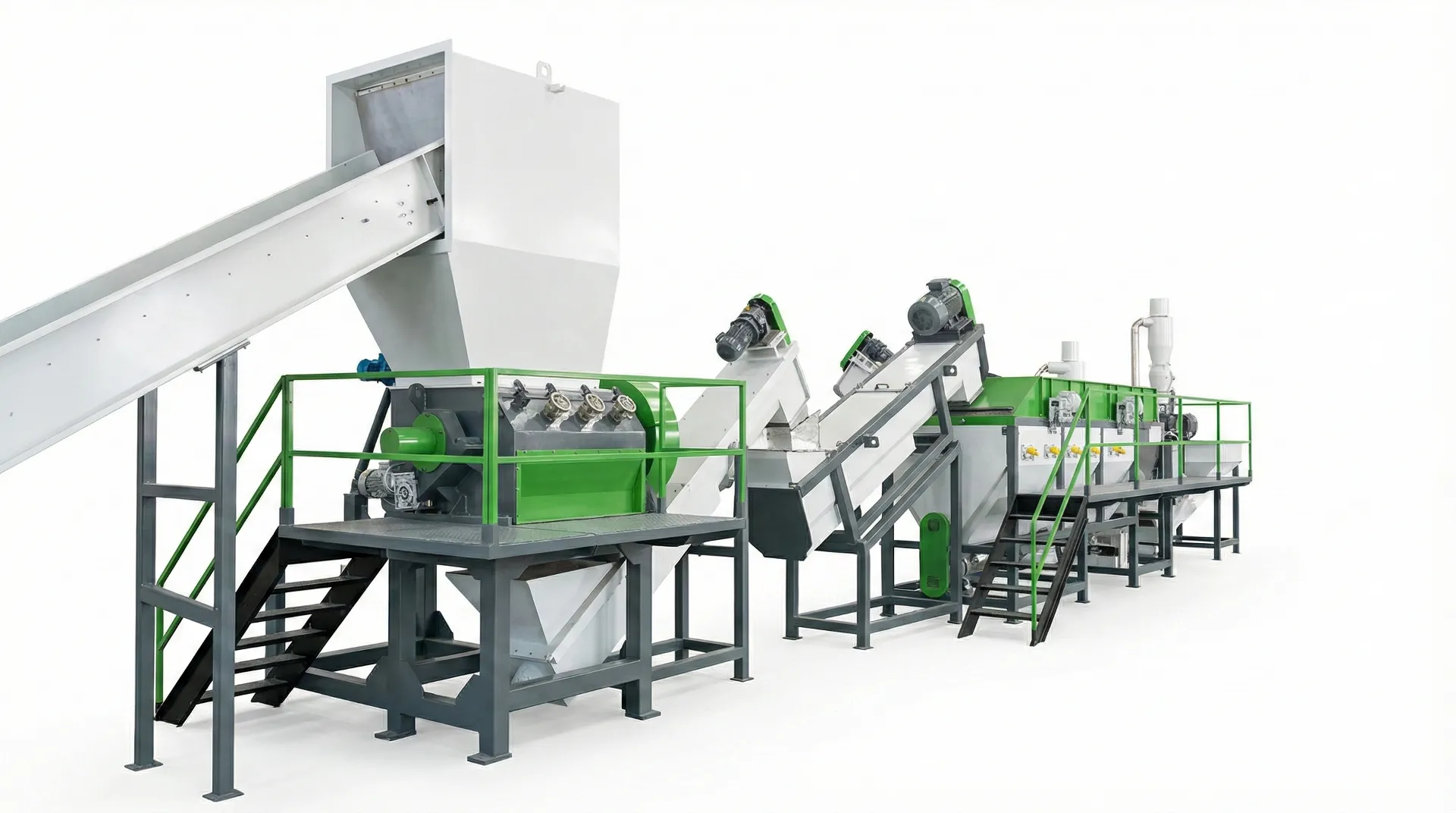
للإطلاع على فئات المعدات الصناعية بأكملها، افتح موقعنا. ماكينات إعادة تدوير البلاستيك صفحة بينما تقرأ. إنها تظهر كيف تربط أنظمة تكسير، غسل، جفاف، تصنيف، والخلط بالطين تتصل داخل مصنع كامل.
الإجابة السريعة: آلة صغيرة أم خط صناعي؟
إعداد إعادة التدوير المدمج يناسب الاختبار، التعليم، ورش العمل ذات الإنتاجية المنخفضة، والسحق النظيف المفصول. خط صناعي يناسب الإنتاج التجاري، السحق الناتج عن الاستهلاك الشخصي، التلوث الأعلى، جودة السحق أو الصفائح المتكررة، والمشترين الذين يتطلبون متطلبات مستقرة.
| هدف المشروع | أفضل ملاءمة | لماذا |
|---|---|---|
| تعليم إعادة تدوير البلاستيك أو إجراء демوстрات | جهاز صغير | احتياطات مساحة أقل، تشغيل أبسط، تعلم بصري أسهل |
| اختبار تدفق النفايات الجديد قبل الاستثمار | جهاز صغير أو إعداد تجريبي | يساعد في التأكيد على مشاكل تقطيع الرغوة، والذوبان، والرائحة، والملوثات |
| إعادة تدوير الحشوات النظيفة من المصنع داخل المصنع | إعداد صناعي مدمج | الإدخال النظيف يمكن أن ينتقل من تكسير إلى تقطيع الحصص بمراحل أقل |
| يتم معالجة زجاجات PET الملوثة، أو الأفلام، أو التغليف الصلب | محلل صناعي | يتطلب تصنيف، غسل، فصل، جفاف، وضبط الجودة |
| بيع الرقائق أو الحبيبات لعملاء متكررين | محلل صناعي | يتطلب تدفق مستقر، جودة مُسجلة، ووصول خدمي |
ما يعتبر من الآلات الصغيرة لمعالجة البلاستيك المعاد تدويره؟
آلة إعادة تدوير البلاستيك الصغيرة هي وحدة ذات قدرة منخفضة أو مجموعة من الوحدات المدمجة التي عادة ما تقوم بإجراء خط عملية واحد: تقطيع، توجيه، تبريد، ضغط، أو صنع حبيبات بسيطة. غالبًا ما يستخدم المشترين هذه المعدات في المدارس، الاستوديوهات المعمارية، ورش العمل الإصلاحية، المشاريع المجتمعية، المختبرات، ومشاريع إعادة التدوير المبكرة.
معدات صغيرة يمكن أن تجعل إعادة تدوير البلاستيك مرئية وممكنة. مشاريع مثل Precious Plastic ساعدت في ترويج المعدات الصغيرة من خلال مشاركة تصميمات لشربك، وتسخين، وتجميع، وطباعة الألواح. المصدر: ملخص أجهزة Precious Plastic.
- مواد شائعة: نظيفات الأغطية، أجزاء صغيرة من HDPE/PP، حبيبات مصنوعة مسبقًا، طبعات 3D فاشلة، وملصقات ورقية من ورشة عمل منخفضة الإنتاج.
- مخرجات نموذجية: الشرائح، القطع المُشكّلَة ببساطة، الأشكال المُسخّرة، الأوراق الصغيرة، أو البلاستيكيات التجريبية.
- حدوديات شائعة: التغذية اليدوية، تعقيد منخفض في الت автоматизация، نطاق مواد ضيق، غسل محدود، ومعامل تعامل أكثر مع الطاقم.
ما يعتبر خط إعادة تدوير البلاستيك الصناعي؟
محلل إعادة تدوير البلاستيك الصناعي هو نظام متصل مصمم للإنتاج المستمر. يدمج معالجة المواد، تخفيض الحجم، الغسل، الفصل، التجفيف، التشكيل، التصفية، التجميع، التحكم، وخصائص السلامة وفقًا لتيار النفايات الوارد.
معدات صناعية تصبح مهمة عندما تكون المادة متسخة، رطبة، كبيرة الحجم، مختلطة، أو تتوافق مع متطلبات المشتري. وفقًا لمنظمة حماية البيئة الأمريكية (EPA)، بلغ إنتاج النفايات الصلبة البلدية الأمريكية المعدنية في عام 2018 حوالي 35.7 مليون طن، و بلغت عبوات ومواد التغليف البلاستيكية أكثر من 14.5 مليون طن. هذا الحجم يوضح سبب الحاجة لمصانع تجارية إلى أنظمة قابلة للإعادة تكرار بدلاً من مجرد الآلات اليدوية فقط. المصدر: بيروقراطية بيئة (EPA) البلاستيك: بيانات مخصصة للمادة.
- مصانع زجاجات PET need debaling, label removal, crushing, washing, separation, and drying before flakes can meet buyer demands.
- مصانع أغشية البولي إيثيلين/البولي بروبلين تحتاج إلى تغذية مستقرة، غسل مقاوم للانزلاق، تجفيف أو تقليل الغازات، تصفية، وبوليمر hóa.
- محطات تدوير البلاستيك الصلب البولي إيثيلين العالي الكثافة / البولي بروبلين تتطلب تكسير أو تقطيع، وتنظيف، وتفصيل حسب الكثافة، وتجفيف، وأحيانًا تكسير البلاستيك.
آلة إعادة تدوير البلاستيك الصغيرة مقابل الخط الصناعي: الفروقات الأساسية
الفرق الرئيسي ليس الحجم وحدهًا. الفرق الحقيقي هو مستوى التحكم الذي تحتاجه في المواد الخام، جودة الإخراج، السلامة، العملية، ونسبة التشغيل اليومي.
| عامل | معدات صناعية صغيرة الحجم | محلل إعادة التدوير الصناعي |
|---|---|---|
| سعة | أفضل للاختبارات، الجولات، والعمل بكميات منخفضة | مبنى حول هدف ثابت لكل kg/h |
| تَعَب | المزيد من التغذية اليدوية، والفرز، والتعامل | المقابض، والتحكم، والجريان العملي تقلل من التعامل اليدوي |
| حالة المادة | يعمل بشكل أفضل مع البلاستيك النظيف والمفصول والمجفف | يمكن أن يشمل الغسل والفصل والتجفيف للنفايات القذرة |
| تحكم في حجم الإخراج | مناسب للمسابقات والنماذج المبكرة | أفضل لصكوك أو حبيبات متكررة |
| تصميم السلامة | يعتمد بشكل كبير على مصدر الآلة والتحكم المحلي في الأمان | يمكن أن يشمل الأقفال، الحمايات، الأجهزة الطارئة، وأرصفة الخدمة |
| توسيع | محدود بسبب الخطوات اليدوية ومدة دورة الآلة | يمكن إضافة وحدات التصفية، الغسل، الجفاف، والتحويل إلى قشور |
| عملية الشراء | قارن مواصفات الوحدة احتياجات المستخدم | قارن نطاق العملية الكاملة، الموارد، التثبيت، والدعم |
عندما يكون جهاز إعادة تدوير البلاستيك الصغير مناسبًا
يكون الإعداد الصغير مناسبًا عند التعلم، الاختبار، أو عندما يكون التكرار بالكميات القليلة أكثر أهمية من الإنتاج التجاري. يمكن أن يساعد فريقك على فهم سلوك المواد قبل التزامك بخط أكبر.
- تحتاج إلى إثبات قبل الشراء الكبير. شغل عينات نظيفة، اختبار سلوك الصلصال، التحقق من الرائحة، وتسجيل مشاكل التغذية.
- تكون تدفق النفايات نظيفًا وضيقًا. تقليل المخاطر في عملية التكرير عند وجود إمداد مستقر من مادة بلاستيكية واحدة، مثل قبعات HDPE أو قطع PP.
- يبقى إنتاجك داخل ورشة عملك الخاصة. عادةً ما يسمح التكرار الداخلي بمزيد من التسامح أكثر من بيع القشور للشراء الخارجي.
- يكون لديك محدودية في الطاقة والمساحة في الموقع. يمكن للوحدة الصغيرة أن تتوافق حيث لا يمكن للخط الكامل للغسل أو التحويل إلى قشور أن تتوافق.
في تجربتنا، تعمل الآلات الصغيرة بشكل أفضل عندما يتحكم العميل في المدخلات بشكل وثيق. تعاني عندما يتغير المدخول كل ساعة، يحتوي على ماء أو رمل، أو يحتوي على علامات، معادن، بلاستيك فينيلا، فيلم متعدي الطبقات، أو بلاستيك غير معروف.
عندما يكون الخط الصناعي الخيار الأفضل
يكون الخط الصناعي الخيار الأفضل عندما تحتاج إلى إنتاج قابل للبيع، جودة مسجلة، وإنتاج مستقر. كما يحمي مشروعك من التكاليف الخفية التي تسببها الغسل، الرطوبة، الفلترة، العمالة، والوقت غير المستخدم.
- تكون مادتك الخام من البلاستيك المستهلك بعد الاستخدام. الزجاجات، الفيلم، الأدراج، والتعبئة المختلطة تحتاج إلى الغسل والفصل.
- يحدد مشتريك حدود الجودة. يمكن أن تؤثر الرطوبة، اللون، بلاستيك فينيلا، رماد، الرائحة، تدفق الصلصال، و حجم القشور على القبول.
- تحتاج إلى هدف إنتاج محدد. خط ينتج 300 كجم/ساعة، 500 كجم/ساعة، أو 1000 كجم/ساعة يتطلب تصميمًا مختلفًا للتغذية، الجفاف، والتحكم.
- تخطط لتشغيل الفترات. العمل المستمر يتطلب وصول إلى السكين، قطع الغيار، الأجهزة التنبيهية، جداول الصيانة، والتدريب على التشغيل.
إذا كنت قريبًا من قرار تجاري، اقرأ مرشدة اختيار آلة إعادة تدوير البلاستيك. يوضح كيف يمكن مطابقة نوع البلاستيك، التلوث، شكل التغذية، الهدف الإنتاجي، وتعريفات الموردين.
تطابق المواد: بقايا النفايات النظيفة، الزجاجات، الفيلم، والبلاستيك القاسي
مادة التوافق يجب أن تقرر مسار المعدات قبل السعر. يمكن للآلات المدمجة التعامل مع تدفقات نظيفة ضيقة، ولكن الخطوط الصناعية تتعامل مع الخطوات الإضافية المطلوبة للبلاستيك القذر أو المختلط.
| مادة | آلة صغيرة مناسبة | خط صناعي مناسبة | الاهتمام الرئيسي |
|---|---|---|---|
| نفايات HDPE أو PP نظيفة | مناسبة للتجارب والاستخدامات الصغيرة | مناسبة للتحويل الداخلي للبلاستيك إلى كريستال | النحاس، تدفق الذوبان، وتناسق الحجم |
| طباعة 3D فاشلة | مناسبة للقطع والتجارب | مفيدة إذا أصبح الكمية مستقرة | فصل البوليمرات والمضافات |
| زجاجات البولي إيثيلين تيريفثالات | سيئة إلا إذا كانت نظيفة ومقسمة بالفعل | مناسبة قوية للغسل والخضرة | المؤشرات، البولي فينيل كلورايد، الرطوبة، اللون، والغراء |
| شريط LDPE/PP | محدودة إلا إذا كانت نظيفة وجافة | مناسبة قوية للغسل، الضغط، والتحويل إلى كريستال | الماء، الرمل، الحبر، التغذية، والتفريغ |
| صناديق صلبة، قارورات، قبعات | ممكن بعد قطع في كمية صغيرة | مناسبة قوية مع المقطع، الغسالة، المجفف، والتحويل إلى كريستال | كثافة الحجم، المؤشرات، الأوساخ، والبوليمرات المختلطة |
تفاصيل التعبئة والتغليف يمكن أن تغير العملية بالكامل. يوضح اتحاد تجار البلاستيك أن المؤشرات، الحبر، اللاصقات، والقفصيات تؤثر على إعادة تدوير البولي إيثيلين تيريفثاليت لأنها يمكن أن تحمل التلوث إلى تدفق الغسل والخضرة. مصدر: دليل تصميم APR للمواد البلاستيكية الصلبة PET.
السعة والكلفة: كيفية التفكير في ما وراء سعر الشراء
سعر الشراء يخبر فقط جزءاً من القصة. يجب مقارنة تكلفة الكيلوغرام القابل للاستخدام، وليس فقط فاتورة الماكينة.
- العمل تتطلب الآلات الصغيرة وقتًا أكبر للعاملين لغرض التغذية، التصفية، التنظيف، والتعامل.
- المرافق: تتطلب الغسالات الصناعية والجافة طاقة، ماء، هواء مضغوط، وتخطيط للنفايات المائية.
- المستهلكات: الخلاطات، الشاشات، الفلاتر، سخانات، الأشرطة، الأحجار الكبيرة، والزيت يؤثر على تكلفة التشغيل الفعلية.
- توقف العمل آلة أرخص يمكن أن تكلف أكثر إذا توقفت الإنتاج بسبب تغيير السكاكين، تنظيف الشاشة، والصيانة.
- Please provide the English text you would like translated into Arabic. القطع القذرة، البوليتيرات الرطبة، الرائحة، أو تدفق الصفيحة غير المستقر يمكن أن يلغي المدخرات من سعر الشراء المنخفض.
استخدم فحص استرداد الأموال البسيط قبل الشراء: إنتاج القابل للاستخدام الشهري ضرب الربح لكل كيلوغرام، ناقص العمالة، الكهرباء، الماء، المستهلكات، والصيانة. للحصول على تفكيك تكلفة أوسع، انظر إلى دليل تكلفة آلة إعادة تدوير البلاستيك.
تحقق من السلامة والامتثال قبل الشراء
تحقق من السلامة مهمة سواء كانت الآلات الصغيرة أو خطوط الصناعية لأن معدات إعادة تدوير البلاستيك تشمل المقصات، الشوائط الدوارة، الأحواض الساخنة، لوحات الكهرباء، الأنظمة الهيدروليكية، والنقاط الضاغطة. يمكن أن يصبح الوحدة منخفضة التكلفة مكلفة إذا كانت تفتقر إلى الحمايات، الأجهزة الطارئة، أو الوصول الآمن للتنظيف.
حسب OSHA، يمكن أن تعرض معدات البلاستيك العمال على أجزاء متحركة، نقاط الضغط، الجهد العالي، والدرجة الحرارة العالية، ويجب على أصحاب العمل استخدام الحمايات، إيقاف التشغيل/العلامة، وأجهزة الحماية الشخصية. مصدر: موارد حماية الآلات من OSHA: معدات البلاستيك.
- تحقق من الحمايات الثابتة، الأقفال، الأجهزة الطارئة، والنقاط الإيقاف.
- Ask for wiring diagrams, manuals, spare parts lists, and maintenance schedules.
- تحقق من معايير الكهرباء المحلية، الجهد، التردد، تخطيط الصندوق، والوصول إلى المكونات.
- مراجعة نقاط التنظيف لمقصات، خلاطات، خطوط الغسل، مجففات، فلاتر، ومكبسات البوليتيرات.
рамка عملية اتخاذ القرار
هذا الإطار يساعدك على اختيار المسار الصحيح قبل طلب الأسعار من الموردين. أجب على كل سؤال بناءً على مادتك الفعلية، وليس العينة المثالية.
| سؤال | Choose small equipment if… | Choose an industrial line if… |
|---|---|---|
| كمية المواد التي تتعامل معها؟ | مجموعات، عروض دموية، أو حجم يومي منخفض | تم تحديد هدف الكيلوجرام/ساعة والجدول الزمني للقسم |
| كيف داكن المادة؟ | مصدر نظيف، جاف، مصنّف | العلامات، الرمل، الزيت، بقايا الطعام، أو البلاستيكيات المختلطة |
| من يستخدم الإخراج؟ | ورشة عملك الخاصة أو فريق اختبارك | مستأجرين خارجيين أو خطوط إنتاج |
| إلى أي مدى يجب أن تكون الجودة مستقرة؟ | نماذج واستخدام أساسي مقبولان | الرطوبة، اللون، تدفق الصفيحة، والحدود الملوثة مهمة |
| ما هي الدعم الذي تحتاجه؟ | قد تكون قطع الغيار الأساسية ومهارة القائد كافية | التثبيت، التشغيل، التدريب، والخدمة الطويلة الأمد مهمة |
في مراجعات مشاريعنا، الخطأ الشائع هو شراء شريحة أو مكبس صغير للنفايات التي تحتاج في الواقع إلى الغسل والتجفيف أولاً. إذا كان الدخل رطبًا أو قذرًا، استغرق وقتًا في تصميم العملية قبل شراء الآلة. نحن دليل تخطيط مصنع إعادة تدوير البلاستيك يمكن مساعدتك في تحديد ذلك العمليات.
ما يجب إرساله إلى المورد قبل طلب عرض سعر
يمكن للمورد تقديم الإعداد الصحيح بسرعة أكبر عندما يرسل تفاصيل مادة المشروع المحددة. طلب غير واضح لآلة صغيرة ينتج عرض سعر غير واضح.
- صور وفيديوهات للبلاستيك قبل التصفية، وبعد التصفية، وبعد أي تكسير موجود.
- أنواع البوليمرات والنسب، مثل فيلم LDPE 80% وحقائب PP 20%.
- ملاحظات التلوث: العلامات، اللاصق، الرمل، بقايا الطعام، الزيت، المعدن، الورق، الماء والألوان المختلطة.
- الناتج المستهدف: شرائح، كرات، أجزاء قالبية، ورقة، خيط، أو إعادة تدوير داخلي.
- القدرة المتوقعة في كجم/ساعة أو كيلوغرامات في اليوم.
- مساحة الأرضية المتاحة، مصدر الطاقة، إمدادات المياه، الهواء المضغوط، وخط إزالة المياه العادمة.
- النطاق المفضل: آلة واحدة، إعداد تجريبي، أو خط إعادة تدوير كامل.
إذا كان هدفك هو حبيبات نظيفة، قارن خطوط تكوير البلاستيك لدينا. إذا كانت أول عائق لديك هو تقليل الحجم، استعرض آلات تمزيق البلاستيك و كسارات البلاستيك.
أسئلة شائعة حول آلات إعادة تدوير البلاستيك الصغيرة
هل يكفي آلة تجميع البلاستيك الصغيرة للبدء في الأعمال؟
آلة إعادة تدوير البلاستيك الصغيرة يمكن أن تساعدك في اختبار فكرة منتج أو جمع عينات مبكرة، ولكن قد لا تدعم أعمال إعادة التدوير الكاملة. يفضل المشترين التجاريين الحصول على كمية مستقرة، مخرجات نقية، و جودة مدعمة بالأدلة.
هل يمكن للآلة الصغيرة إعادة تدوير قوارير البولي إيثيلين تيريفثاليت؟
يمكن للآلة الصغيرة تقطيع قوارير PET النظيفة للتجربة، ولكن إعادة تدوير القوارير غالبًا ما يتطلب إزالة العلامات، الغسل، الفصل، والتجفيف. يتناسب نظام إعادة تدوير زجاجات PET أفضل عندما تحتاج إلى شرائح قابلة للتسويق.
ما هو أخطر المخاطر عند شراء وحدة صغيرة؟
أكبر خطر هو توقع حل جميع العمليات مثل التصفية، الغسيل، التجفيف، الطفو، والتحكم بالجودة في وقت واحد بواسطة وحدة صغيرة واحدة. حدد أولاً مخرجاتك، ثم اختر خطوات العمل.
متى يجب علي التحويل من الآلة الصغيرة إلى خط صناعي؟
انتقل إلى خط صناعي عندما يصبح توريد موادك مستقرًا، ويطلب مشتريك معيارًا جودة، وتحتاج إلى إنتاج مستمر يصل إلى كجم/ساعة. في تلك المرحلة، يصبح التحكم في العملية أكثر أهمية من أقل سعر للآلة.
ما هو أول ماكينة يجب اختباره في معظم المشاريع؟
معظم المشاريع يجب أن تقوم أولاً باختبار تقليل الحجم لأن مشاكل التغذية تظهر مبكرة. تجربة الطحن أو الكسارة تظهر ما إذا كان المواد تشكل جسوراً، تتجمع، تذوب، تخلق غباراً، أو تؤذي الأكواع بسرعة كبيرة.
الخطوة التالية: اختيار بناءً على نوع النفايات وليس حجم الآلة
يكون الإعداد البدءي مفيدًا عندما تحتاج إلى التعلم، الاختبار، أو إعادة الاستخدام بكميات قليلة. يعتبر الخط الصناعي الخيار الأفضل عندما تحتاج إلى إنتاج مستقر، شرائح أو كرات نظيفة، دخول آمن للحفاظ على الصيانة، وعمليات تتوافق مع النفايات المستهلكة بعد الاستخدام أو النفايات الصناعية بعد الاستخدام.
للانتقال من المقارنة إلى تخطيط الأجهزة، استعرض فئات آلات إعادة تدوير البلاستيك الصناعية أو أرسل صور مادة Rumtoo الخاصة بك، قدرة الهدف، مساحة المصنع، وهدف الناتج للإرشاد العملي للخط.
