
آخر تحديث: 28 أبريل 2026 | تمت المراجعة من قبل الفريق الفني لدى Rumtoo
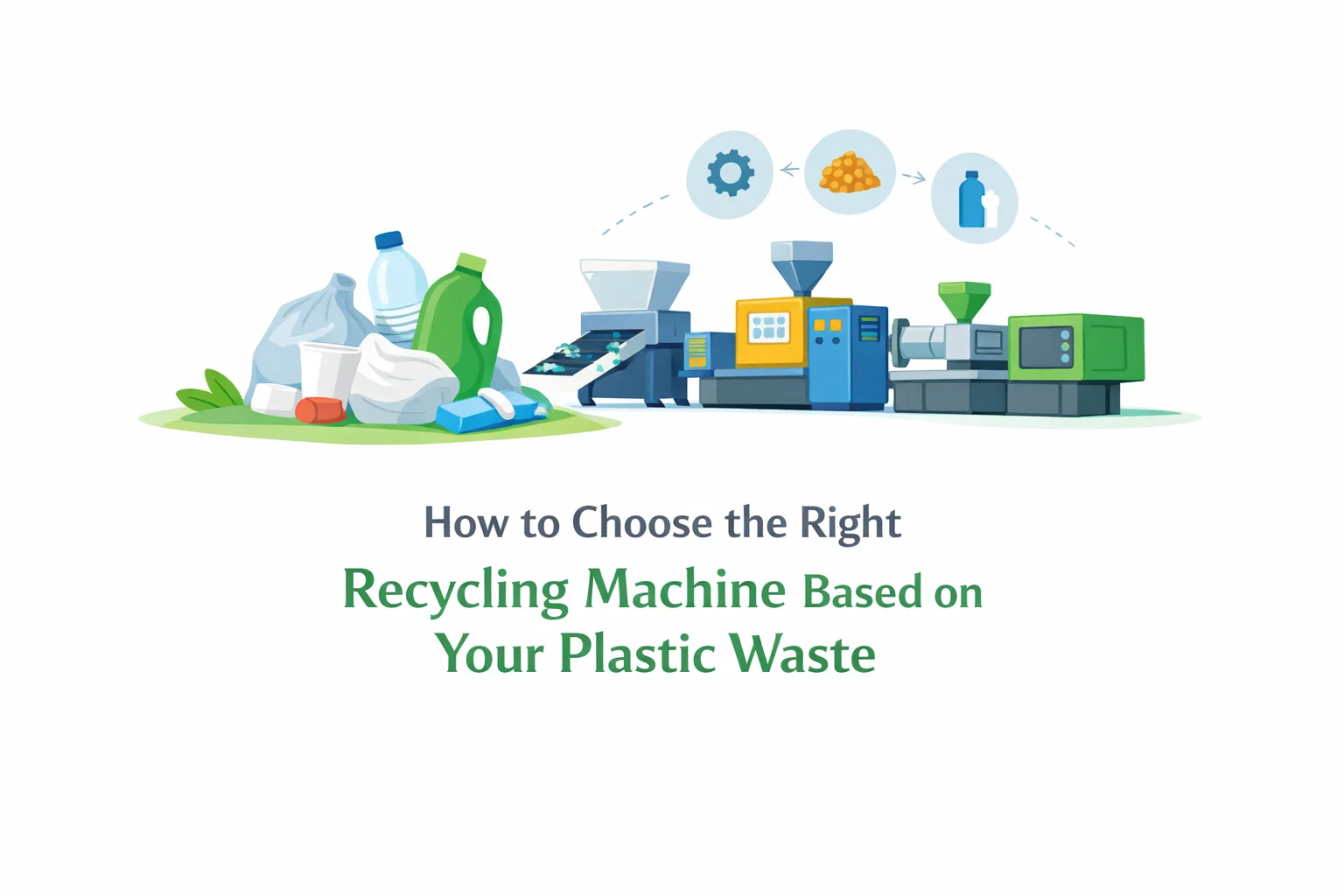
آلة إعادة تدوير البلاستيك اختيار البداية تبدأ بسؤال عملي واحد: ما هي النفايات التي تحتاج إلى معالجتها يوميًا؟ إذا كان لديك آلة تعمل بشكل جيد على نفايات البولي بروبلين النشطة الصافية، فقد تفشل على فيلم النفايات المستهلكة بعد الاستخدام، وسيكون خط غسل زجاجات البتلات لن ي giải quyết نفس المشكلة مثل مضخة التشكيل. يساعد هذا المُرشد المشترين على تطابق نوع الراتينج، مستوى التلوث، الطاقة الإنتاجية، جودة الإخراج، تخطيط المصنع، و نطاق الموردين قبل طلب цитирование.
إذا أردت مقارنة فئات المعدات أثناء القراءة، فاحتفظ بـ أصناف الآلات المعدنية المعدلة الصفحة مفتوحة. تظهر الأنظمة الرئيسية المستخدمة في إعادة تدوير البلاستيك الصناعي، بما في ذلك المضارب، والمكثفات، والخطوط الاصطناعية، والمعدات الدافئة، والمعدات للتحويل إلى حبيبات.
الإجابة السريعة: أي آلة إعادة تدوير بلاستيك تحتاج؟
ال معدات المناسبة تعتمد على شكل النفايات، والمادة البلاستيكية، ومستوى الوسخ، والناتج المستهدف. النفايات الصناعية النظيفة غالبًا ما تحتاج إلى تقليل الحجم والتصفيق. النفايات الاستهلاكية الملوثة، مثل القنوات أو الأفلام، غالبًا ما تحتاج إلى تصنيف، وتنظيف، وتفصيل، وتجفيف، ثم تكسير إذا كان الناتج هو البوليمرات المفصلة.
| حزمة النفايات | مسار الآلات الشائع | المنتج النموذجي | خطر رئيسي للتحقق منه |
|---|---|---|---|
| مخلفات التطبيق البلاستيكي PP/PE النظيفة | كسارة أو شريدر + خط تقطيع البلاستيك إلى حصص | حبيبات لإعادة الاستخدام | تلوث المعادن وتغير تدفق البلاستيك السائل |
| PET عبوات مُستعملة من المستهلكين | مكثف + مسحوق ملاحظات + محطم + غسل + فصل + جفاف | قطع PET النظيفة، أحيانًا قاطع | PVC، علامات، لاصق، الرطوبة، خليط الألوان |
| بولي إيثيلين منخفض التشابك/متوسط التشابكзыي وعلبها | مكثف أو محطم + غسيل احتكاكي + مضغوط/جاف + مكثف مقطع | قطع جافة أو قاطع | الماء، الرمل، الطين، التغذية غير المتسقة |
| مكعبات HDPE/PP صلبة، دبابيس، غطاء | مكثف أو محمصة + غسل + فصل الغمر-الصعود + جفاف + تقطيع الحصص | قطع نظيفة أو قاطع | مركبات بوليمرية مختلطة، علامات، غبار ثقيل |
| أنابيب، كتل، إطارات، أجزاء سميكة | مكثف واحد + محطم إذا لزم الأمر + تكسير مع تصفية | إعادة تقطيع أو حبيبات | حجم تغذية كبير، تحميل المحرك، تآكل الشفرات |
ما يغيب عن معظم دليل الشراء
الكثير من دليل المشترين يجيب على عدة أسئلة مفيدة في آن واحد: أنواع الآلات، تكوين الخط، نطاق السعر، قدرة المصنع، المواد المعالجة، وكيفية اختيار الموردين. كما أن صفحات المعدات القوية تقوم بتجميع الأنظمة في فصول واضحة مثل تكسير الخردة، غسلها، الفصل، الجفاف، التشكيل بالبوليمر، والتصنيع المعاد تدويره على نطاق صغير.
الشق الشائع في المحتوى هو التكوين العملي المؤهل. العديد من الصفحات تذكر المعدات، ولكن أقل من ذلك يشرح كيفية ربط اختيار الآلة بالفحص الحقيقي للنفايات، والهدف الرطب، مصدر التلوث، حدود الموارد، المتطلبات الأمنية، والمعايير الفنية للشراء للإنتاج. يتغلب هذا المقال على هذا الشق بتقديم قوائم مراجعة يمكنك إرسالها إلى موردي المعدات.
1) اكتشف البوليمر قبل اختيار الآلة
النظام المُعاد تدويره يجب أن يتناسب أولاً مع البوليمر. يتفاعل PET، HDPE، LDPE، LLDPE، PP، PS، ABS، PVC، PA، و PC بشكل مختلف أثناء الكسر، والتنظيف، والجفاف، والذوبان، والتصفية، وتقطيع الحصص. تدفق بوليمر واحد نظيف يمنحك المسار العملي الأبسط. تدفق مختلط يتطلب تصنيف أو هدف مخرجات قيمة أقل.
- زجاجات البولي إيثيلين تيريفثالات: يركز على عمليات إزالة العلامات، وإزالة البلاستيك البولي فينيل كلوريد (PVC)، والتنظيف بالحرارة، والأداء العالي للجفاف، والنقاوة العالية للقشور.
- بلاستيك HDPE و PP المرن يركز على تقليل الحجم، الفصل الرغبي، الغسل بالفترة، الجفاف، والتقطيع المستقر.
- PE film: يركز على التغذية، السحب، أو التجفيف، والتفريغ من الغازات، والتصفية لأن الفيلم يحمل الماء، والدهانات، والتراب.
- أشكال البلاستيك البولي فينيل أو أنابيب ابقِ البولي فينيل (PVC) بعيدًا عن تدفقات البولي إيثيلين التشابكي (PET) والبوليولفينيلات (polyolefins)، واختر معدات مصممة لاستخدام إمدادات صلبة قاسية.
The U.S. EPA reports that plastics reached 35.7 million tons of U.S. municipal solid waste generation in 2018, with plastic containers and packaging at more than 14.5 million tons. That scale matters because recycling plants rarely receive perfect material; they receive mixed, dirty, and variable feedstock. Source: بيروقراطية بيئة (EPA) البلاستيك: بيانات مخصصة للمادة.
2) تحديد الناتج: إعادة تقطيع، فلزات نظيفة، أو حبيبات
اختر مسار العمل بناءً على المنتج الذي تخطط لبيعه أو إعادة استخدامه. يخدم المعدة، والفلاتات المُغسلة، والبوليتات المشترين المختلفين. إذا حددت نتيجة الإخراج متأخرًا، قد تشتري خطًا يعمل ولكنه لا يمكنه تحقيق الهدف الجودة.
| الإنتاجية المستهدفة | معدات عادة ما تكون مطلوبة | When it is appropriate |
|---|---|---|
| مقطع أو محطم إعادة تدوير البلاستيك | مكثف، محطم، محدث، مُفَصِّل مِعدَّن | نفايات صناعية نظيفة أو مواد بُاعَت لمعالج آخر |
| فلاتات مُطهرة | تقليل الحجم، غسل بالفترة، خزان غسيل بالترشيح، غسل ساخن إذا لزم الأمر، جهاز تجفيف | PET عبوات، عبوات HDPE، البلاستيك الصلب PP/PE، الفيلم بعد الغسل |
| فولاذيات | مادة تغذية مُغسلة/مُجففة، دليل، مُفرّز، مُخلّص، مُصنّع بوليستر، تبريد، خزان مُخزن | المصنعون بحاجة إلى تدفق مستقر للإسفنج، أو التشغيل، أو تشكيل الأفلام |
للمزيد من مناقشة التكاليف، راجع موقعنا. دليل تكلفة المعدات لعام 2026للإنتاج المعدني، قارن الخيارات العملية لدينا خطوط تكوير البلاستيك لدينا صفحة.
3) اناسب شكل الغذاء مع النظام الغذائي
إدارة التغذية تتحكم في الإنتاج الفعلي للخط. قد يظهر الملف الإلكتروني 500 كجم/ساعة، ولكن الفيلم الرطب، أو الحاويات الويفر الصلبة، أو الكتل الصلبة، أو الأنابيب الطويلة يمكن أن يقلل من الإنتاج العملي إذا لم يتوافق تصميم التدخل مع شكل التغذية.
- بلاستيك، أكياس، رافيا، و قماش غير متشابك: استخدم محرك ضغط أو نظام تغذية قوية لتقليل كثافة المواد قبل التشكيل.
- مادة صلبة وكرات الصُنع مرة أخرى استخدمت تدفق أو وزن دقيق للمسامير لتجنب التدفق المتقلب في الخلاط.
- مكعبات، إطارات، دبابيس، وأجزاء سميكة: استخدم محرك شريط واحد قبل الخلط أو التشكيل.
- زجاجات البولي إيثيلين تيريفثالات: أزل العلامات وزدّر حجم القنوات قبل الغسل، الفصل، والجفاف.
لا تختار بناءً على قوة المحرك وحدها. اطلب من المورد أن يعرض فيديو لعملية التغذية باستخدام مادة مشابهة لمادةك، وليس فقط بلاستيك متقطع النظافة من المصنع.
4) التحقق من التلوث قبل تحديد سعر الخط
الترقيم يحدد ما إذا كان المشروع بحاجة إلى مرحلة معالجة مسبقة بسيطة أو نظام غسل كامل. يمكن لسحق النفايات الصناعية المتعادلة أن يذهب مباشرة إلى السحق والتحبيب. النفايات الاستهلاكية بعد الاستخدام غالبًا ما تحتوي على ورق، علامات، رمل، بقايا طعام، زيت، معادن، رطوبة ومجموعات بوليمرات مختلطة.
- تلوث خفيف التنظيف البارد، والتنظيف بالفائض الحراري، والجفاف العادي قد يكون كافياً.
- زيت ثقيل أو مسحوق لاصق: إضافة غسل ساخن، إضافة كيميائيات، ورشاش أقوى.
- رمل أو زجاج: حماية الأنابيب، والضواغط، والسوائل، والمصفوفات السائلة بمنحى مبكر.
- مواد ذات كثافة مختلطة: استخدم فصل الغسق والصعود لاستبعاد البلاستيك غير المتوافق حيث يسمح بالكثافة.
الوسائل المطبوعة والصمغية يمكن أن تضر بالجودة النهائية. تدرك اتحاد الموردين البلاستيكية أن الصمغ المطبوع، مساحة التغطية، الأساس، التزيين، والألوان جميعها تؤثر على إعادة تدوير PET، وأن الصمغ غير المتحرر يمكن أن يبقى متصلاً ويصبح مصدراً للتلوث. المصدر: دليل تصميم APR للمواد البلاستيكية الصلبة PET.
5) حدد متى يستحق الترتيب تكلفته
الفرز يعتبر ذا قيمة عندما يقلل التركيب المختلط للبوليمر أو التنوع اللوني قيمة البيع لصكوكك أو حبيباتك. قد يعمل طاولة فرز يدوية أرخص لسلاسل صغيرة ونظيفة. محطات الاستهلاك بعد الاستهلاك العائلي ذات الإنتاج العالي غالبًا تحتاج إلى فرز لوني قبل أو بعد تقليل الحجم.
TOMRA reports that modern sorting systems can reach over 95% purity in HDPE and PP recovery without manual sorting in the right application. That figure does not mean every plant needs an optical sorter; it means purity targets should guide the sorting budget. Source: تطبيقات تصفية TOMRA للبلاستيك.
6) قدرة الحجم حسب الساعات العملية الفعلية
حساب حجم الخط بناءً على إنتاج ساعي مستقر، وليس قمم اختبار قصيرة. حدد الكتلة الشهرية المطلوبة، ثم عمل بالعكس من خلال الفترات، الصيانة المخططة، التوقف عن التنظيف، تغيير السكاكين، تغيير الفلاتر، وتغيير المواد.
| مواد التخطيط | سؤال يجب الإجابة عليه | لماذا يُعد ذلك مهماً؟ |
|---|---|---|
| هدف (كجم/ساعة) | ما هو إنتاج الخط الذي يجب أن يحتويه خلال الفترة الكاملة؟ | يمنع شراء آلة لا تفي بالنتاج القصوى لفترة قصيرة فقط |
| هدف الرطوبة | ما مقدار الرطوبة يمكن لآلة الطحن أو المشتري قبولها؟ | يحتوي على جاف، مضغوط، و احتياجات الطاقة |
| تبديل المواد | كم مرة سيتم تغيير الرسالة أو اللون؟ | يتأثر وقت التنظيف و معدل الخسائر |
| مساحة المصنع | ما هي طول الأرضية، طول السقف، و إمكانية الوصول للخدمة لديك؟ | يمنع تأخير التثبيت |
| الموارد المائية | ما هي قدرة الطاقة، الماء، الهواء المضغوط، و المياه العادمة المتاحة؟ | يمكن تغيير تصميم الغسل والجفاف |
اترك مساحة للقدرة لل 12 إلى 24 شهرًا القادمة، لكن تجنب التوسع الزائد حتى يتحرك الخط تحت نطاق تشغيله المستقر. الخط الذي يعمل عند حمولة مستقرة تتراوح بين 75% إلى 85% يأدي عادةً بشكل أفضل من الخط الذي يعمل تحت قدرة التصميم.
7) مقارنة أنواع الآلات بناءً على دورها وليس بناءً على الاسم
يبحث المشتركون غالبًا عن آلة واحدة، لكن النظام الصناعي عادةً هو خط عملية. لكل آلة وظيفة: تقليل الحجم، إزالة الأوساخ، فصل المواد، إزالة الماء، ذوبان البلاستيك، تصفية التلوث، قطع البالونات.
| نوع الآلة | الدور الرئيسي | يبدو مناسبًا | انتبه له |
|---|---|---|---|
| التقطيع | تقليل الحجم الأساسي للمواد الكبيرة أو الصعبة | الكتل، الأدراج، الأنابيب، الحقائب المرفوعة، الأجزاء السميكة | تصميم المحور، إمكانية الوصول إلى السكين، الزوج، الحماية الأمنية |
| كسارة أو معالج | تقليل الحجم الثانوي إلى شرائح | الزجاجات، الأجزاء الصلبة، المواد المعالجة | حجم الشاشة، التشغيل الرطب/الجاف، تآكل السكين |
| خط غسيل | إزالة الأوساخ، العلامات، اللاصق، والمواد المختلطة | زجاجات PET، فيلم PP/PE، HDPE/PP صلب | معالجة المياه، الحاجة إلى الغسل الساخن، الرطوبة النهائية |
| إزالة الماء والرطوبة السطحية | إزالة الماء والرطوبة السطحية | فيلم و قشرة مُغسلة | هدف الرطوبة، استهلاك الطاقة، التحكم في الغبار |
| مáy ép và máy tạo hạt | تтопي، تصفية، تنقيح، وإقطع الحصص البلاستيكية | أكوام النفايات النقية، الفيلم، المعدل مرة أخرى | نوع الفلتر، التهوية، تصميم الشفرة، شكل الحبيبات |
إذا كنت تقارن نماذج المقطع، فإن دليل شراء محرك شريح صناعي يوضح المقال تفاصيل الفروق بين المحور، القوة، الشاشة، والتطبيق. للمشروعات البلاستيكية، انظر إلى خط غسيل زجاجات PET عملية.
8) بناء طلب أسعار (RFQ) يمكن للمنتجين تقييم أسعارهم بدقة
يمكن chofer تثمن خطك لإعادة التدوير بشكل أدق عندما تتضمن طلبك معلومات مادية بدلاً من عبارة عامة مثل "مخلفات البلاستيك". أرسل طلب استفسار واحد ومتسق لكل chofer حتى تتمكن من مقارنة النطاق وليس فقط السعر الرئيسي.
- قائمة البوليمرات مع النسب المقدرة، مثل 70% فيلم LDPE و30% أكياس نسيجية PP.
- صور وأشرطة فيديو للنفايات الحقيقية قبل التصفية، وبعد التصفية، وبعد أي تكسير موجود.
- ملاحظات التلوث: الرمل، الورق، العلامات، الزيت، بقايا الطعام، المعادن، الرطوبة، والألوان المختلطة.
- Target output: regrind size, washed flake moisture, pellet size, color, and final application.
- النسبة المستهدفة للسعة في كجم/ساعة والطن الشهري، مع ساعات العمل في الفترة والفترات في اليوم.
- حدود الاستخدام: الجهد، السعة الكهربائية، إمداد المياه، معالجة المياه العادمة، الهواء المضغوط، و مساحة الأرضية.
- مجال التجارة: الآلة فقط، الخط الكامل، التثبيت، التدريب، قطع الغيار، الضمان، والدعم عن بعد.
9) اطلب تشغيل تجريبي قبل الشراء
يمكن للتجربة الأولية مع مادتك الكشف عن مشاكل لا يمكن أن يظهرها المطبوع. اطلب من المورد معالجة عينة تمثيلية وتقديم إنتاج مستقر، حمل المحرك، رطوبة بعد التجفيف، ضغط الصفيحة، تردد تغيير الفلاتر، مظهر الكريات، وتوقف العمل خلال الاختبار.
For film, watch the feeding consistency and degassing. For PET bottles, check label removal, PVC control, wash quality, and final moisture. For rigid HDPE or PP, check flake size, float-sink separation, metal removal, and pellet filtration. Keep the test conditions in writing so you can compare suppliers fairly.
10) التحقق من السلامة، التحكم، ووصول الخدمة
تضم معدات إعادة التدوير الصناعية سكاكين متحركة، نقاط الضغط، الأسطح الساخنة، الجهد العالي، أنظمة الهيدروليكية، وتكاليف الصيانة الثقيلة. يجب أن يكون تصميم السلامة جزءًا من قرار الشراء، وليس إضافة لاحقة.
- اسأل عن الحمايات الثابتة، الاتصالات، التوقف الطارئ، نقاط الفصل، ووصول آمن لتغيير السكاكين.
- تأكد من معايير صندوق التحكم الكهربائي، خيارات لغة PLC، رسوم الطرق الكهربائية، و قائمة قطع الغيار.
- تحقق مما إذا كان يمكن للعاملين تنظيف الشاشات، الفلاتر، الأحواض، والجافات دون رفع غير مريح أو وصول غير آمن.
- اطلب الدليل، جدول الصيانة، والمواد التدريبية قبل الشحن.
تنبيه OSHA بأن آلات معالجة البلاستيك تحتاج إلى حمايات للنقاط الضغط، الأجزاء المتحركة، الجهد العالي، والتعرض الحراري، وأنها أيضًا تشير إلى التشغيل بالفصل/العلامة واللوازم الشخصية الواقية. مصدر: موارد حماية الآلات من OSHA: معدات البلاستيك. اتحاد صناعة البلاستيك يدرج أيضًا معايير السلامة الميكانيكية ANSI/PLASTICS للآلات مثل آلات الطباعة. مصدر: معايير السلامة في معدات معالجة البلاستيك.
ال أخطاء الشائعة في الاختيار لتجنبها
- اختيار الأسعار فقط: السعر المنخفض يمكن أن يخفي نقص الحوامل، المجففات، التحكم، قطع الغيار، التثبيت، أو معالجة المياه.
- تخطي التفتيش على النفايات: لا يمكن للآلات إصلاح خليط السيراميك غير المعروف، أو الأوساخ، أو الرطوبة، أو محتوى المعدن.
- تجاهل المشترين النهائيين: يمكن أن يحد زبائن البوليت أو البلاطات من الرطوبة، اللون، الرماد، البوليفين كلوريد الفينيل، الرائحة، تدفق الذوبان، أو بقايا التصفية.
- مقارنة العروض غير الكاملة: قد يشمل العرض الأول التثبيت، القطع الغيار، والتدريب بينما يشمل العرض الآخر فقط المعدات الأساسية.
- تقدير تكاليف التشغيل بشكل غير كافي: الأسنان، الشاشات، الفلاتر، المياه، الكهرباء، العمالة، والوقت غير المتاح جميعها تؤثر على العائد المالي.
أسئلة شائعة حول اختيار آلة معالجة البلاستيك
ما هي آلة إعادة تدوير البلاستيك؟
آلة إعادة تدوير البلاستيك هي معدات صناعية تحول النفايات البلاستيكية إلى إعادة التدوير، أو رقائق نظيفة، أو كريات. قد تشمل خطوة كاملة من تقطيع، تكسير، غسل، تصنيف، تجفيف، Extrusion، تصفية، إزالة الغاز، وإعادة تدوير الكريات.
ما هي أجهزة إعادة تدوير البلاستيك التي تناسب مخلفات الفيلم؟
عادةً ما تحتاج مخلفات الفيلم إلى خط مستقر في التغذية، غسل إذا كانت الفيلم قذرة، جفاف أو ضغط قوي، تفريغ، تصفية، ونظام تحويل المقطع إلى كريات. تحتاج الفيلم الزراعي الرطب إلى غسل وجفاف أكثر من قطع المصنع النظيف.
هل أحتاج دائمًا إلى خط غسيل؟
رقم. يمكن نقل القمامة الصناعية النظيفة والجافة من عملية الطحن إلى عملية الطحن إلى حبيبات. عادةً ما تحتاج القمامة الاستهلاكية الملوثة مثل القوارير، الفيلم، التعبئة الصلبة والمجموعات المختلطة من القمامة إلى الغسل والتجفيف قبل الطباعة أو بيعها كقطع.
كم يجب أن أختار من القدرة؟
اختر قدرة المعدات بناءً على الإنتاج الشهري المطلوب وعدد الساعات الفعلية للعمل. تضم هذه القائمة الصيانة، تغيير الفلاتر، تغيير السكاكين، تغيير المواد وتنظيف الآلات. خط مستقر ينتج 500 كجم/ساعة يتفوق على خط ينتج 700 كجم/ساعة ولكن يصل إلى هذا الرقم فقط لبضع لحظات.
ما هي المعلومات التي يجب أن أرسلها إلى المورد أولاً؟
إرسال نوع الرسيل، صور الفيديوهات للنفايات، مستوى التلوث، حالة الرطوبة، إنتاجية الهدف، كيلوغرامات/الساعة المطلوبة، مساحة المصنع، توفير الطاقة، حالات المياه، وكذلك ما إذا كنت بحاجة إلى عرض سعر للآلة فقط أو خط الإنتاج الكامل.
كيف يمكنني مقارنة عروض آلة معالجة البلاستيكتين؟
قارن نطاق العمل، أساس الكفاءة، المعدات المساعدة المدرجة، علامات العلامات التجارية للمحركات، المعايير الكهربائية، معالجة المياه، التثبيت، التدريب، قطع الغيار، الضمان، وأداء التجربة التجريبية. لا تقارن فقط بالسعر الإجمالي للشراء.
الخطوة التالية: مطابقة نفاياتك إلى تصميم خط.
النظام الصحيح هو الذي يناسب مادتك الخام الحقيقية، مشتري البوليت أو البلاطات، حدود المصنع، وأهداف العائد. ابدأ بتفتيش النفايات، تعريف الناتج، تشغيل اختبار عينة، وأطلب عروض متوافقة مع النطاق. ذلك يقلل من اختيار المعدات الخاطئة ويقدم لفريقك مسار واضح من البلاستيك النفايات إلى البلاطات أو البلاطات القابلة للتسويق.
للانتقال من التخطيط إلى اختيار المعدات، قم بمراجعة المعدات المتاحة للتصنيع من البلاستيك أو أرسل Rumtoo صور مادتك، قدرة الهدف، وتطلعاتك في الناتج للحصول على توصية تقنية.
