


Son güncelleme: 28 Nisan 2026 | Rumtoo teknik ekibi tarafından incelenmiştir
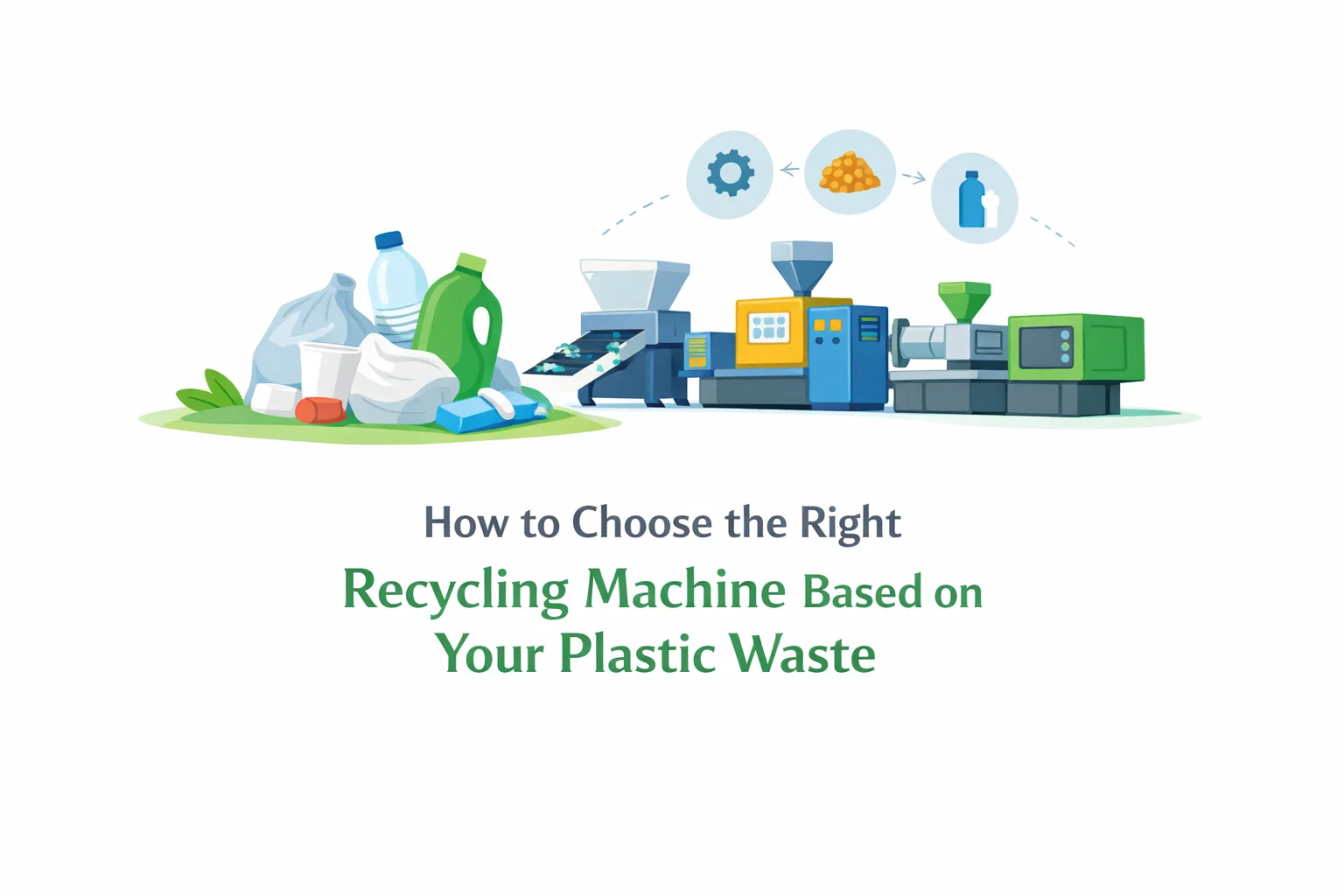
Plastik geri dönüşüm makinesi Seçim, tek bir pratik soruyla başlar: her gün işleme gereken atık nedir? Temiz PP enjeksiyon atığı için iyi çalışan bir makine, ıslak post-consumer film üzerinde başarısız olabilir ve PET şişe yıkama hattı, pelletizasyon extrüderi ile aynı sorunu çömez. Bu rehber, alıcıların malzeme türünü, kirlilik seviyesini, kapasiteyi, çıktı kalitesini, tesis düzenini ve tedarikçi yelpazesini teklif talep etmeden önce eşleştirmesine yardımcı olur.
Eğer cihaz kategorilerini okurken karşılaştırmak isterseniz, bizimle iletişim kurun. geri dönüşüm makinesi kategorileri Sayfa açıldı. Endüstriyel plastik geri dönüşümde kullanılan ana sistemleri gösteriyor: shredder'lar, kırıcılar, yıkama hatları, kurutma üniteleri ve pelletizasyon ekipmanları.
Hızlı Cevap: Hangi Plastik Geri Dönüşüm Makinesine İhtiyacınız Var?
Doğru ekipman, atık formuna, reçineye, kirlilik seviyesine ve hedef çıktıya bağlıdır. Temiz fabrika atığı genellikle boyut küçültme ve pelletizasyon ihtiyacı duyar. Kirliliği yüksek post-consumer malzeme, örneğin şişe veya film gibi, genellikle sıralama, yıkama, ayrıştırma, kurutma ve hedef çıktı pellet ise extrüzyon gerektirir.
| Atık akışı | Yayınlanmış makine rotası | Tipik çıktı | Ana risk kontrol etme |
|---|---|---|---|
| Temiz PP/PE enjeksiyon atığı | Kırıcı veya şredör + pelletizasyon hattı | Yeniden kullanım için granüller | Metal kontaminasyonu ve eriyik akış değişikliği |
| Post-consumer PET şişe | Demontaj makinesi + etiket çıkarıcı + kırıcı + yıkama + ayrıştırma + kurutma | Temiz PET flakeleri, bazen pelletler | PVC, etiketler, yapıştırıcı, nem, renk karışımı |
| LDPE/LLDPE film ve torbalar | Shredding makinesi veya kırıcı + frenksiyon yıkama + sıkma/dryer + kesme-kompaktör pelletizör | Yarı kurumuş flakeler veya pelletler | Suyu, kum, mazga, tutarsız besleme |
| Yumuşak olmayan HDPE/PP kilitler, drumer, kapaqlar | Shredder veya granülatör + yıkama + yoğunluk ayırma + kurutma + pelletizasyon | Temiz flakeler veya pelletler | Karışık polimerler, etiketler, ağır kiri |
| Tubularlar, parçalar, arıtma ürünleri, kalın parçalar | Tekstil kesici makine + ihtiyaç duyulursa çökleme makinesi + filtreleme ile extrüzyon | Regrind veya pelletler | Geniş besleme boyutu, motor yükü, bıçak aşınması |
Buyer Rehberlerinde Ne Olduğunu Bilmezler
Birçok alıcı rehberi birden fazla yararlı soruyu yanıtlar: makine türleri, hat konfigürasyonu, fiyat aralığı, tesis kapasitesi, işlenen malzemeler ve tedarikçi seçimi nasıl yapılır. Güçlü ekipman sayfaları da kesintisiz kılmalar, yıkama, ayrım, kurutma, pelletizasyon ve küçük ölçekli geri dönüşüm gibi net bölümlere sistemleri gruplandırır.
Oranlkaplı nitelik açığı yaygındır. Birçok sayfa ekipmanları listeler, ancak daha az sayıda sayfa makine seçimini gerçek atık denetimine, nem hedefine, kirlilik kaynağına, hizmet sınırlarına, güvenlik gereksinimlerine ve çıktı alıcı specifikasyonlarına nasıl bağladığını açıklar. Bu makale, ekipman tedarikçisine gönderilebilecek kontrol listeleriyle bu açığı doldurur.
1) Makinen Seçmeden Önce Polimeri Tanımlayın
Yeniden işleme sistemi ilk olarak polimerle uyumlu olmalıdır. PET, HDPE, LDPE, LLDPE, PP, PS, ABS, PVC, PA ve PC, kırma, yıkama, kurutma, eritme, süzme ve pellet kesme süreçlerinde farklı davranır. Tek bir temiz polimer akışı en basit süreç rotasını verir. Karışık bir akış sıralama gerektirir veya daha düşük değerli bir çıktı hedefi gerekir.
- PET şişeler: Odaklanma alanları: etiket çıkarma, PVC kaldırma, sıcak yıkama, yüksek kurutma performansı ve flake saflığı.
- HDPE ve PP katı plastikler: Öncelikle boyut azaltma, yoğunluk ayrımı, frenksiyonlu yıkama, kurutma ve istikrarlı granülasyon üzerine odaklanıyoruz.
- PE film: Filmde su, mazga ve kiri taşıdığı için, besleme, sıkma veya kurutma, gaz ayırma ve filtreleme üzerinde odaklanılmalıdır.
- PVC profiller veya borular: PVC'yi PET ve poliolefîn akışlarından ayırın ve aşınmaya dayanıklı katı girdi için yapılmış ekipman seçin.
ABD EPA, 2018 yılında plastiklerin ABD atık yönetimi üretiminde 35,7 milyon ton olarak kaydedildiğini bildiriyor; plastik kaplar ve paketler ise 14,5 milyon tonu aştı. Bu ölçek önemlidir çünkü geri dönüşüm tesisleri genellikle mükemmel malzeme alamaz; karışık, kirlilikli ve değişken girdi malzemesi alırlar. Kaynak: EPA Plastikler: Malzeme-Spesifik Veri.
2) Çıktıyı Belirleyin: Yeniden Şeritlenmiş, Temiz Şeritler veya Pelletler
Ürününüzü satmak veya yeniden kullanmak istediğiniz sürece işlem rotağını seçin. Regrind, yıkanmış flakeler ve pelletler farklı alıcılar hizmet eder. Çıktıyı geç geç tanımlarsanız, işleyen ama kalite hedefine ulaşamayan bir hatayı satın alabilirsiniz.
| Hedef çıktı | Ekipman genellikle gerekir | Sence uygun olduğunda |
|---|---|---|
| İşlenmiş veya ezilmiş regrind | Shredding makinesi, kırıcı, granülatör, metal ayırıcı | Temiz endüstriyel atık veya başka bir işleme veren malzeme |
| Yıkanmış flakeler | Öncelikle boyut küçültme, frenksiyonlu yıkama, deniz-fırtına tankı, gerekirse sıcak yıkama, kurutma. | PET şişe, HDPE şişe, PP/PE katı plastikler, yıkanmış film |
| Pellets | Yıkanmış/yıkanmış ve kurutulmuş girdi, extrüzyon makinesi, eriyik filtre, gaz ayırma, pelletizör, soğutma, silo | Üreticiler extrüzyon, enjeksiyon veya film üretim için istikrarlı bir besleme ihtiyacı duyarlar. |
Daha detaylı maliyet tartışması için, bizim 2026 ekipman maliyet rehberimize. bakın. Pelit üretimi için plastik granülleme hatlarımızı karşılaştırın sayfa.
iş seçeneklerini sitemizde karşılaştırın
3) Besleme Formunu Besleme Sistemine Uygun Getir.
- Besleme, hattın gerçek üretimini kontrol eder. Bir katalog 500 kg\/h gösterebilir, ancak nemli film, hantal doku torbaları, sert topaklar veya uzun borular, besleme formuna uygun olmayan giriş tasarımı nedeniyle pratik debiyi azaltabilir. Film, torbalar, raffia ve nonwoven kumaş:.
- extrüzyondan önce malzeme yoğunlaştırmak için bir kesici-kompaktör veya zorla besleme sistemi kullanın. Sert parçacıklar ve yeniden işlenmiş malzeme:.
- extrüzyerde dalgalanmayı önlemek için kontrol edilmiş çark besleme veya dozaj kullanın. Topaklar, boşaltmalar, çanaklar ve kalın parçalar:.
- PET şişeler: çatma veya extrüzyondan önce tek şaftlı bir parça parçalayıcı kullanın. Yıkama, ayrıştırma ve kurutmadan önce etiketleri kaldırın ve şişe boyutunu azaltın.
Sadece motor gücüne göre seçmeyin. Tedarikçiden, malzemenize benzer temiz fabrika parçacıkları ile besleme videosu göstermesini isteyin.
4) Hattı Fiyatlarken Kontaminasyonu Kontrol Edin
Kontaminasyon, projenin basit bir ön işleme aşamasına mi ihtiyaç duyduğunu yoksa tam bir yıkama sistemine mi, belirler. Sanayi atığı doğrudan çatma ve pelitlenmeye gidebilir. Tüketiciden kaynaklanan atık, genellikle kağıt, etiketler, kum, gıda artığı, yağ, metal, nem ve karışık polimerler taşır.
- Hafif kontaminasyon: soğuk yıkama, sürtünme yıkama ve standart kurutma yeterli olabilir.
- Ağır yağ veya yapıştırıcı: sıcak yıkama, kimyasal dozaj ve daha güçlü yıkama ekleyin.
- Kum veya cam: çanakları, pompaları, çarkları ve erime filtrelerini erken kaldırma ile koruyun.
- Karışık yoğunluklu malzemeler: yoğunluk izin veriyorsa, uyumsuz plastikleri kaldırmak için sink-float ayrıştırması kullanın.
Etiketler ve yapıştırıcılar, son kaliteyi bozabilir. Plastik Yeniden Çeviriciler Derneği, etiket yapıştırıcıları, kaplama alanı, alt tabaka, süsleme ve mürekkeplerin PET yeniden çevrimi üzerinde etkilediğini ve serbest bırakmayan yapıştırıcıların tutturulabilir ve kontaminasyon kaynağı haline gelebileceğini belirtmektedir. Kaynak: APR PET Rijit Ambalaj Tasarım Rehberi.
5) Sıralamanın Maliyetine Değer Olup Olmadığını Karar Verin
Karışık rezin veya renk değişikliği, flakelerinizin veya pelitlerinizin satış değerini azalttığında sıralama maliyetine değer. Küçük, temiz akışlar için daha düşük maliyetli manuel sıralama masası yeterli olabilir. Yüksek hacimli tüketiciden kaynaklanan atık tesisleri, boyut küçültmeden önce veya sonra optik sıralama ihtiyacı duyar.
TOMRA, doğru uygulama durumunda manuel sıralamaya gerek kalmadan HDPE ve PP'de 95%'ye kadar safiyet elde edebilen modern sıralama sistemlerinin olduğunu rapor eder. Bu rakam, her fabrianın optik sıralayıcıya ihtiyaç duyduğunu anlamına gelmez; safiyet hedeflerinin sıralama bütçesini yönlendirdiği anlamına gelir. Kaynak: TOMRA plastik sıralama uygulamaları.
6) Gerçek Operasyon Saatlerine Göre Kapasiteyi Belirleyin
Hat boyunuzu sabit saatlik üretimle ölçün, kısa test zirvelerine değil. Gereken aylık tonajı tanımlayın, ardından değişiklikler, planlı bakım, temizlik durakları, bıçak değişimleri, filtre değişimleri ve malzeme değişimlerine geri çalışın.
| Planlama maddesi | Cevaplanması gereken soru | Neden önemli? |
|---|---|---|
| Hedef kg/h | Tam bir değişiklik için hat ne kadar üretim yapmalı? | Yalnızca kısa süreli zirve üretimine yetecek bir makine satın almayı önler |
| Nem hedefi | Pelletizatörünüz veya alıcınız ne kadar nem kabul edebilir? | Kurutucu, sıkma makinesi ve enerji ihtiyacını belirler |
| Malzeme değişikliği | Rezenin veya rengin ne kadar sıklıkla değişeceğini? | Temizlik süresini ve atık oranını etkiler |
| Fabrika alanı | Ne kadar zemin uzunluğu, tavan yüksekliği ve hizmet erişimi var? | Yerleştirme gecikmelerini önler |
| Kullanım suyu | Ne kadar güç, su, kompresli hava ve atık su kapasitesi mevcuttur? | Yıkama ve kurutma tasarımını değiştirebilir |
Sonraki 12 ila 24 ay için kapasite bırakın, ancak hatın sabit çalışma aralığını aşacak kadar fazla büyütme, sabit 75% ila 85% yükte çalışan bir hatın, tasarım kapasitesi altında çalışan bir hattan daha iyi performans gösterir.
7) Makine Türlerini Rolüne göre, Adına göre Değerlendirin
Alıcılar genellikle tek bir makine ararlar, ancak sanayi sistemi genellikle bir iş hattıdır. Her makinenin bir işi vardır: boyut küçültme, kir temizleme, malzemeleri ayırma, suyu kaldırma, plastik eritme, kir filtreleme ve pellet kesme.
| Makine türü | Ana rol | İyi uyum | Dikkat edin |
|---|---|---|---|
| Parçalayıcı | Kaba veya zor malzemeler için birincil boyut küçültme | Toplar, çanaklar, borular, doku torbaları, kalın parçalar | Rotor tasarımı, bıçak erişimi, torç, güvenlik koruyucular |
| Çekirdek veya granülatör | Dökme parçalar için ikincil boyut küçültme | Bottleler, sert parçalar, yıkanmış malzeme | Ekrar boyutu, nemli/kuru işletme, bıçak aşınması |
| Yıkama hattı | Toz, etiketler, yapıştırıcı ve karışık malzemeleri kaldır | PET bottları, PP/PE film, sert HDPE/PP | Su işleme, sıcak yıkama gereksinimi, son nem |
| Suyu uzaklaştırma ve kurutma | Serbest su ve yüzey nemini kaldır | Film ve yıkanmış parçacıklar | Nem hedefi, enerji kullanımı, toz kontrolü |
| Ekstruder ve pelletizör | Erime, filtreleme, gaz çıkarma ve pellet kesme | Temiz parçacıklar, film, yeniden işlenmiş | Filtre türü, ventilasyon, dişli tasarımı, pellet şekli |
Shredder modellerini karşılaştırıyorsanız, bizim endüstriyel shredder alım rehberimiz rotor, tork, ekrar ve uygulama farklılıklarını daha ayrıntılı bir şekilde açıklar. Botül projeler için, bakınız PET şişe yıkama ipi işlem.
8) Tedarikçilerin Fiyatlandırabileceği RFQ Oluşturun
Tedarikçinin geri dönüşüm hatınızı daha doğru bir şekilde fiyatlandırabilmesi için talebinizde mal bilgileri yerine “plastik atık” gibi geniş bir ifadenin yerine kullanın. Her tedarikçiye tek bir tutarlı RFQ göndererek, sadece başlık fiyatı değil, kapsamı da karşılaştırabilirsiniz.
- Polimer listesi ile tahmini yüzdelikler, örneğin 70% LDPE film ve 30% PP doku torbası.
- Sıralama öncesi, sıralama sonrası ve mevcut ezme sonrası gerçek atıkın fotoğrafları ve videoları.
- Kirlilik notları: kum, kağıt, etiketler, yağ, gıda kalıntısı, metaller, nem ve karışık renkler.
- Hedef çıktı: yeniden işlenmiş boyutu, yıkanmış parçacık nemi, pellet boyutu, renk ve nihai uygulama.
- Kapasite hedefi kg/h ve aylık ton olarak, vardiya başı çalışma saatleri ve günde kaç vardiya çalıştığı.
- Kullanım sınırlamaları: gerilim, güç izni, su tedariki, atık su işleme, kompresli hava ve yer alanı.
- Ticari kapsamı: makine sadece, tam hattı, kurulum, eğitim, yedek parça, garanti ve uzaktan destek.
9) Almadan Önce Deneme Çalışması İsteyin
Malınızla yapılan bir deneme çalışması, broşürde gösterilmeyen sorunları ortaya çıkarabilir. Tedarikçiden temsilci bir numune işleme ve sabit çıktı, motor yükü, kurutma sonrası nem, filtre değiştirme sıklığı, pellet görünümü ve test sırasında duruş süresi hakkında rapor talep edin.
Film için, besleme tutarlılığını ve gaz çıkarmayı izleyin. PET bottları için, etiket kaldırma, PVC kontrolü, yıkama kalitesi ve son nemi kontrol edin. Sert HDPE veya PP için, parçacık boyutunu, yükselme-yuvarlanma ayrımını, metal kaldırma ve pellet filtresini kontrol edin. Test şartlarını yazılı olarak tutun, böylece tedarikçileri adil bir şekilde karşılaştırabilirsiniz.
10) Güvenlik, Kontroller ve Hizmet Erişimini Kontrol Edin
İşletme geri dönüşüm ekipmanları hareketli bıçaklar, sıkışma noktaları, sıcak yüzeyler, yüksek voltaj, hidrolik sistemler ve ağır bakım görevlerini içerir. Güvenlik tasarımı alım kararının bir parçası olmalı, sonradan eklenmiş bir unsurlu değil.
- Sabit koruyucular, kapaklar, acil durma düğmeleri, kilitleme noktaları ve güvenli bıçak değiştirme erişimi hakkında soru sorun.
- Elektrik makineleri standardlarını, PLC dil seçeneklerini, devre şemalarını ve yedek parça listelerini onaylayın.
- Kullanıcıların ekranları, filtreleri, tankları ve kurutucuları rahatsız edici kaldırma veya güvenli olmayan uzanma yapmadan temizleyip temizleyemeyeceklerini kontrol edin.
- Gönderimden önce kılavuzları, bakım takvimlerini ve eğitim materyallerini talep edin.
OSHA, plastik işleme makinelerinin çekiş noktaları, hareketli parçalar, yüksek gerilim ve yüksek sıcaklık maruziyetine ihtiyaç duyduğunu uyarıyor ve aynı zamanda işverenlere kilit-out/tagout ve kişisel koruyucu ekipmanlara yönlendiriyor. Kaynak: OSHA Makine Koruma: Plastik Makineleri. Plastics Industry Association da extrüzyon makineleri gibi ekipmanlar için ANSI/PLASTICS makineleri güvenlik standartlarını listeliyor. Kaynak: PLASTIK Makine Güvenlik Standartları.
Yayınlanacak Hata Türlerini Kaçırmak
- Fiyata dayalı seçim: daha düşük bir fiyat, eksik konveyörleri, kurutucuları, kontrol cihazlarını, yedek parçaları, montajı veya su işleme işlemini gizleyebilir.
- Atık tahlili atlamak: ekipman, bilinmeyen rezen karışımı, kir, nem veya metal içeriğini düzeltemez.
- Son tüketicileri göz ardı etmek: pellet veya parça müşterileri nem, renk, kül, PVC, koku, erime akışı veya filtre kalıntısı için sınırlar belirleyebilirler.
- Eksik teklifleri karşılaştırma bir teklifte montaj, yedek bıçaklar ve eğitim içerken diğer bir teklif sadece temel makineleri içerir.
- İşletme maliyetini küçümsemek: bıçaklar, ekranlar, filtreler, su, güç, iş gücü ve duruş süresi tüm geri ödemeyi etkiler.
Plastik Geri Kazanma Makinesi Seçimi Hakkında SSS
Plastik geri dönüşüm makinası nedir?
Bir plastik geri dönüşüm makinesi, plastik atığı yeniden işleme, temiz flaklara veya granüllere dönüştüren sanayi ekipmanıdır. Tam bir hattın içeriğinde parçalama, ezme, yıkama, sınıflandırma, kurutma, extrüzyon, filtreleme, gaz çıkarma ve granüleme olabilir.
En film atık için en iyi plastik geri dönüşüm makinesi hangisidir?
Film atık genellikle istikrarlı besleme, kirliysa yıkama, güçlü kurutma veya sıkma, boşaltma, filtreleme ve bir kesici-kompresör pelletleme sistemi gerektirir. Nemli tarım filmi temiz fabrika kenarlarından daha fazla yıkama ve kurutma gerektirir.
Çamaşır ipine her zaman ihtiyacım var mı?
No. Temiz ve kuru sanayi atığı, çatlama aşamasından granüleme aşamasına geçebilir. Kirli tüketicilerden gelen şişeler, film, sert ambalajlar ve karışık toplama atıkları, extrüzyon veya flake olarak satış öncesi yıkama ve kurutma gerektirir.
Kaç kapasite seçmeliyim?
Kapasiteyi gerekli aylık üretim miktarı ve gerçek çalışma saatlerine göre seçin. Bakım, filtre değişimleri, bıçak değişimleri, malzeme değişimleri ve temizlik duraklamalarını dahil edin. İstikrarlı 500 kg/saat hattı, kısa süreli 700 kg/saat hattan daha fazla kazanabilir.
Ne ilk olarak tedarikçiye ne göndermeliyim?
Reçin tipini, atık fotoğraflarını ve videolarını, kirlenme seviyesini, nem durumunu, hedef üretim miktarını, gerekli kg/h'yi, fabrika alanını, güç kaynağını, su şartlarını ve makine yalnızca fiyat teklifi mi yoksa tam kurulum hattı mı ihtiyacınız olup olmadığını gönderin.
İki plastik geri kazanma makinesi teklifini nasıl karşılaştırabilirim?
İş kapsamını, kapasite temelini, dahil edilen yardımcı ekipmanları, motor markaları, elektrik standartlarını, su işleme, montaj, eğitim, yedek parçalar, garanti ve deneme çalışması sonuçlarını karşılaştırın. Sadece toplam satın alma fiyatını karşılaştırmayın.
Sonraki Adım: Atıkınızı Bir Hattın Tasarımına Uygun Getirin
Doğru sistem, gerçek girdi malzemesi, çıktı alıcı, tesis sınırları ve geri ödeme hedefinize uygun olan sistemdir. Atık denetimi ile başlayın, çıktıyı tanımlayın, örnek test çalıştırın ve kapsamına uygun teklif talep edin. Bu süreç, yanlış ekipman seçimlerini azaltır ve ekibinizin atık plastikten satılabilir flaklara veya pelletlere ulaşma yolunu daha net hale getirir.
Planlamanın ekipman seçimine geçiş yapmak için yapılabilecek geri dönüşüm makineleri veya Rumtoo'ye malzeme fotoğraflarınızı, hedef kapasitenizi ve çıktı gereksinimlerinizi teknik bir tavsiye için gönderin.
