


小型プラスチックリサイクル機械 選択肢は、材料をテストしたり、チームを育成したり、限られた予算で始めたいときに魅力的に見えます。工業廃棄物リサイクルラインは、安定したkg/hの処理能力、クリーンなフラークやペレット、オペレーター安全コントロール、そしてシフトごとに稼働できるプロセスが必要なときに適しています。このガイドでは、両方のパスを比較し、廃棄物の流れ、プラントスペース、ビジネスの目標に合った機器を選ぶことができます。
産業機器カテゴリーの全体的な概要をご覧になりたい場合は、当社のウェブサイトを開いてください。 プラスチックリサイクル機械 ページを参照しながらご覧ください。それでは、破砕機、洗浄機、乾燥機、分別機、そして粒成形機システムが完全なプラント内でどのように接続されるかを示しています。
速答:小型機器か工業ラインか?
A compact recycling setup fits testing, education, low-volume workshops, and clean sorted scrap. An industrial line fits commercial production, post-consumer waste, higher contamination, repeatable pellet or flake quality, and buyers who require stable specifications.
| プロジェクトの目標 | より良いフィット | なぜ |
|---|---|---|
| プラスチックリサイクルの教育やデモンストレーションを実施 | 小型機械 | スペース需求が少なく、操作が簡単で、視覚的な学習が容易です |
| 新しい廃棄物流を投資前にテストする | 小型機器または試作設備 | shredding、溶融、臭気、汚染問題の確認を支援します |
| 内部でクリーンな工場の切り落とし物をリサイクルします | コンパクト型工業設備 | クリーンな入力は、破砕から粒化に至るまでの工程を少なくして進めることができます。 |
| 汚れたPETボトル、フィルム、または硬質包装を処理する | 産業ライン | 分別、洗浄、分離、乾燥、品質管理が必要です。 |
| フラークやペレットを繰り返し顧客に販売します。 | 産業ライン | 安定した処理能力、文書化された品質、およびサービスアクセスが必要です。 |
小型プラスチックリサイクル機器とは何か?
小型プラスチックリサイクル機器は、低処理能力のユニットまたはコンパクトなユニットセットであり、通常は1つの工程である切断、射出成形、押出し、圧縮、または簡単なペレット作成を処理します。購入者はこれらの機器を学校、デザインスタジオ、修理作業場、地域プロジェクト、研究所、および初期段階のリサイクルビジネスでよく使用します。
小型機器はプラスチックリサイクルを具体的で実践的なものにすることができます。Precious Plasticのようなプロジェクトは、切断、押出し、射出成形、シート圧出などの設計を共有することで、小規模機器の普及を助けました。出典: 貴重プラスチック機器の概要.
- 典型的な材料: クリーンなキャップ、小型HDPE/PP部品、分別されたフラーク、不良3Dプリント、および低量の工作場廃材。
- 典型的出力: フラーク、シンプルな成形部品、押出しプロファイル、小さなシート、または試験用ペレット。
- 典型的な限界: 手動給料、低い自動化、材料の範囲が狭く、洗浄が限られており、より多くのオペレーターによる手入れが必要です。
産業用プラスチックリサイクルラインとは何か?
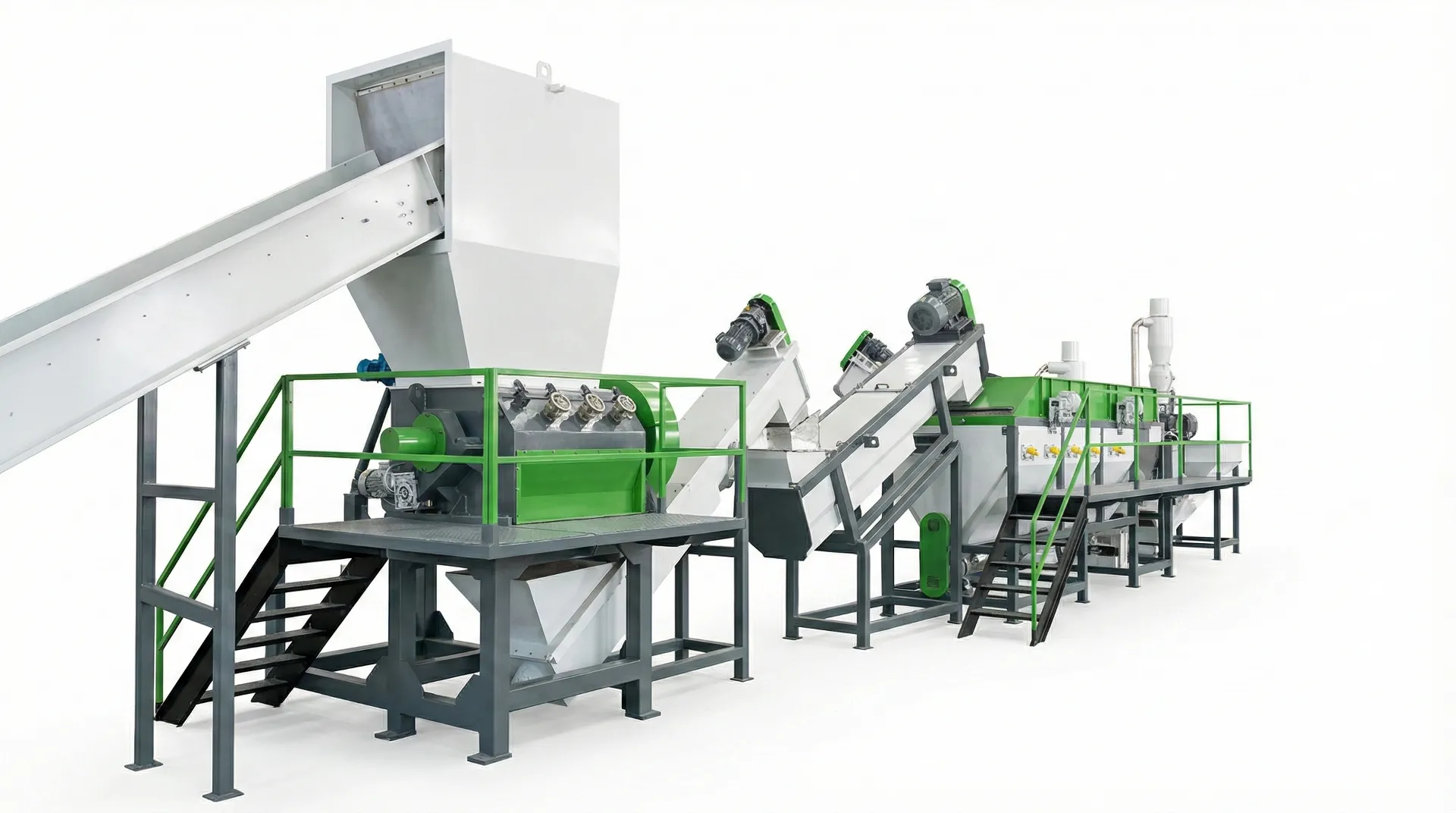
産業用プラスチックリサイクルラインは、連続生産のための接続されたシステムです。それは、入力される廃棄物ストリームに応じて、物質処理、粉砕、洗浄、分離、乾燥、押出し、ろ過、粒化、制御、および安全機能を組み合わせて構築されています。
産業機器は、材料が汚れていたり、湿っていたり、ボリュームが大きかったり、混合されていたり、あるいは購入者の仕様に縛り付いていたりする場合に重要になります。アメリカ合衆国環境保護庁(U.S. EPA)によると、2018年にプラスチックはアメリカ合衆国の市街地固形廃棄物の発生量の35.7百万トンを占め、プラスチック容器および包装は14.5百万トンを超었습니다。この規模は、商業プラントが単なる手動機器ではなく、再現性のあるシステムが必要である理由を説明しています。出典: EPAプラスチック:材料ごとのデータ.
- PETボトルプラント フラークが購入者の要望を満たす前に、解結び、ラベル除去、破砕、洗浄、分離、乾燥が必要です。
- PP/PEフィルムプラント 安定した給料、摩擦洗浄、押出しまたは乾燥、脱気、ろ過、そして粒成形が必要です。
- 硬質HDPE/PPプラント shreddingや粒砕、洗浄、比重分離、乾燥、場合によっては押出しを行う必要があります。
小型プラスチックリサイクル機器と産業ライン:主な違い
主な違いはサイズだけではない。本当の違いは、原料、出力品質、安全性、労働力、および日々の稼働時間に対する制御が必要な程度である。
| 要素 | 小型設備 | 産業廃棄物回収ライン |
|---|---|---|
| 容量 | 最適なテスト、バッチ処理、低量作業用 | 安定した kg/h の目標を中心に構築されています |
| 労働 | 手動給料、分別、および手配 | コンバイアー、コントロール、およびプロセスフローは手動作業を軽減します。 |
| 材質状態 | Works best with clean, sorted, dry plastic | 汚れた廃棄物には洗浄、分別、乾燥を含むことができます |
| 出力制御 | デモンストレーションに適しており、初期サンプルに適しています | より繰り返し可能なフラークやペレットに適しています |
| 安全設計 | 機械のソースとローカルガードによって大きく左右されます | インタロック、ガード、緊急停止、サービスプラットフォームを含むことができます |
| 拡張 | 手作業のステップと機械のサイクルによって制限されます | 分別、洗浄、乾燥、ペレット化モジュールを追加できます |
| 取引プロセス | 単位仕様とオペレーター要件を比較する | 全プロセス範囲、ユーティリティ、設置、サポートを比較してください |
小規模のプラスチックリサイクルマシンが有効な場合
学習、テスト、低量の再利用よりも商業的な生産効率が重要な場合には、小規模の設備が適しています。これにより、より大きなラインに移行する前に材料の挙動を理解するのに役立ちます。.
- 大きな購入の前に証拠が必要です。 きれいなサンプルを走行し、溶融挙動をテストし、臭いを確認し、給餌の問題を記録してください.
- ご廃棄物の流れはクリーンで、特定の種類に限られています。 HDPEキャップやPPオフカットなどの一種のポリマーが安定した供給源であると、プロセスリスクを減らすことができます.
- あなたの出荷はあなた自身の作業場内に留まります. 内部再利用は、外部の購入者にペレットを販売するよりもより多くの許容範囲を提供することがよくあります.
- お客様の施設には電力とスペースが限られているためです。 フル洗浄またはペレット化ラインが収まらない場所に小規模のユニットが収まります.
私たちの経験では、小規模の機械は操作者が入力を厳しく管理している場合に最も効果的です。入力が1時間ごとに変わる、水や砂を含む、ラベル、金属、PVC、多層フィルム、または未知のポリマーを含む場合には苦戦します.
工業ラインがより良い選択肢になる場合
販売可能な出荷、文書化された品質、安定した生産が必要な場合には、工業ラインがより良い選択肢です。また、洗浄、水分、濾過、労働、ダウンタイムによる隠れたコストをプロジェクトから守ります.
- ご供給原料はポストコンシューマーです。 ボトル、フィルム、ドラム、混合パッケージは通常洗浄と分別が必要です.
- 買い手が品質の限界を設定します。 水分、色、PVC、灰、臭い、溶融流動、ペレットサイズはすべて承認に影響を与えます.
- 定義された出力目標が必要です。 300 kg/h、500 kg/h、または1,000 kg/hのラインには異なる給餌、乾燥、制御設計が必要です.
- シフトで稼働する予定です。 継続的な作業には、刃のアクセス、消耗品、制御アラーム、メンテナンススケジュール、およびオペレーター培训が必要です。
商用決定に近い場合は、当社のをご覧ください。 プラスチックリサイクル機器選定ガイド.ポリマータイプ、汚染、給料形態、目標出力、およびサプライヤー报价のマッチング方法について説明します。
Material Fit: Clean Scrap, Bottles, Film, and Rigid Plastics
材質の適合性が価格より先に設備の選定基準となるべきです。コンパクトな設備は狭いクリーンなストリームを処理できますが、工業ラインは汚れたまたは混合プラスチックに必要な追加工程を処理します。
| 材料 | 小型機器 | 産業ラインに対応 | 主要の懸念事項 |
|---|---|---|---|
| HDPEまたはPPの清掃スクリプト | テストに適しており、小規模な再利用に適しています | 社内でペレット化するのに適しています | 金属、熔融流动性、尺寸一致性 |
| 3Dプリント不良 | Good for shredding and trials | 安定した量になる場合に有用です | ポリマー分離と添加剤 |
| ペットボトル | 不良品となる場合がある。すでに清掃・分別されている場合のみ。 | 洗浄とフラーク出力に強い適合性 | ラベル、PVC、湿気、色、接着剤 |
| LDPE/PPフィルム | 限られています。ただし、清潔で乾燥している場合。 | 洗浄、押出し、造粒に強い適合性 | 水、砂、インク、給料、脱気 |
| 硬質のクレート、ドラム、キャップ | 小型量での切断後に可能です | Strong fit with shredder, washer, dryer, and pelletizer | 体積密度、ラベル、汚れ、混合ポリマー |
パッケージの詳細は、全てのプロセスに影響を与える。プラスチックリサイクラー協会は、ラベル、インク、接着剤、キャップがPETリサイクルに影響を与えると説明している。それは、これらが洗浄およびフラークストリームに汚染物質を運ぶことができるためである。出典: PET固形包装用APR設計ガイド.
容量とコスト:購入価格を超えた考え方
購入価格は物語の一部に過ぎません。単なる機械の請求書価格ではなく、利用可能な1キログラムあたりのコストを比較してください。
- 労働費 小型機械は、給料、分別、清掃、および手入れに多くのオペレーター時間が必要な場合があります。
- ユーティリティ: 産業用洗浄と乾燥には電力、水、圧縮空気、および廃水計画が必要です。
- 消耗品: 刃、スクリーン、フィルター、ヒーター、ベルト、ベアリング、オイルは実際の運用コストに影響します。
- 停止時間: 安価な機械は、刃の交換、スクリーン清掃、修理が頻繁に生産を停止させると、実際には高価になることがあります。
- Please provide the English text you would like me to translate into Japanese. 汚れたフラーク、湿ったペレット、臭い、または不安定な熔融流れは、低い購入価格から節約を無くす可能性があります。
簡単な回収期間の計算を行ってください:月間利用可能な出力量 × 1kgあたりの利益マイナス労働費、電力費、水費、消耗品費、メンテナンス費。より詳細なコスト構成については、当社をご覧ください。 プラスチックリサイクル機械コストガイド.
安全と規制確認は購入前に
安全点検は小型機械と産業ラインの両方に関わるもので、プラスチックリサイクル機器にはカッター、回転軸、熱バルク、電気パネル、液压システム、挟み込まれるポイントが含まれます。ガード、緊急停止、安全な清掃アクセスが不足している低コストユニットは、高価になる可能性があります。
OSHAに従って、プラスチック機械は作業員を動く部分、ニップポイント、高電圧、高温の危険にさらすことができます。そのため、雇用主はガード、ロックアウト/タグアウト、個別の防護具を使用すべきです。出典: OSHA機械ガード:プラスチック機械.
- 固定ガード、リンクロック、緊急停止、ロックアウトポイントを確認してください。.
- 配線図、マニュアル、予備部品リスト、メンテナンススケジュールを依頼してください。.
- 地元の電気標準、電圧、周波数、キャビネットレイアウト、コンポーネントアクセスを確認してください。.
- 粉砕機、造粒機、洗浄機、乾燥機、フィルタ、ペレット化機の清掃ポイントを確認してください。.
実践的な意思決定フレームワーク
このフレームワークは、サプライヤーに見積もりを依頼する前に正しい道を選ぶのに役立ちます。実際の材料で、理想的なサンプルでなく、それぞれの質問に答えてください。.
| 質問 | Choose small equipment if… | Choose an industrial line if… |
|---|---|---|
| どのくらいの材料を処理しますか? | バッチ処理、デモンストレーション、または低い日間処理量 | kg/hの目標を定義し、シフトスケジュールを設定します。 |
| 素材はどの程度汚れていますか? | クリーン、乾燥、分別された入力 | ラベル、砂、油、食品残渣、混合ポリマー |
| 出力を利用する者は誰ですか? | ご自身の工場またはテストチーム | 外部の購入者または生産ライン |
| どの程度の品質の安定性が必要ですか? | サンプルと基本的な再利用は受け入れられます | 水分、色、溶融流動、汚染限界が重要です |
| どのようなサポートが必要ですか? | 基本的な予備部品と操作者のスキルが十分かもしれません | 設置、試運転、トレーニング、長期サービスが重要です |
私たちのプロジェクトレビューでは、一般的なミスは、洗浄と乾燥が必要な廃棄物ストリームに対して小さな粉砕機やエクストルーダーを購入することです。入力が湿っていて汚れていれば、機械購入の前にプロセス設計に時間を割いてください。 プラスチックリサイクルプラントレイアウトガイド そのプロセスをマッピングするのを手伝うことができます。
見積もりを依頼する前にサプライヤーに送るべきもの
特定の材料とプロジェクトの詳細を送ると、サプライヤーは適切なセットアップをより速く提案できます。小さなユニットに対するあいまいな依頼は、あいまいな見積もりを引き出すだけです。.
- 分別前のプラスチックの写真とビデオ、分別後、および既存の圧縮後.
- ポリマータイプと割合、例えば80% LDPEフィルムと20% PP織物袋.
- 汚染の記載:ラベル、接着剤、砂、食品残渣、油、金属、紙、水、混合色.
- 目標出力:フラック、ペレット、成形品、シート、ストランド、または内製リグリンド.
- 期待される容量(kg/hまたは一日当たりのキログラム).
- 利用可能な床面積、電力供給、水供給、圧縮空気、廃水計画.
- 希望範囲:単一の機械、試験セットアップ、または完全なリサイクルライン.
もし、きれいなプラスチックペレットが目標なら、比較してください。 プラスチックペレット化ライン. .もし最初のボトルネックが寸法縮小なら、私たちの プラスチックシュレッダー そして プラスチック破砕機.
小さなプラスチックリサイクル機械に関するFAQ
小規模のプラスチックリサイクル機械でビジネスを始めるのに十分でしょうか?
小規模のプラスチックリサイクル機は、製品アイデアのテストや初期サンプルの収集に役立ちますが、完全なリサイクルビジネスをサポートするには限界があります。商業的な購入者は通常、安定した量、きれいな出力、そして品質文書が必要です。.
小型機器でPETボトルをリサイクルできますか?
小さな機械はクリーンなPETボトルをテスト用に粉砕できますが、ボトルリサイクルはラベルの取り除き、洗浄、分別、乾燥が必要です。専用の PETボトルリサイクルシステム がより適しています。.
小規模ユニットを購入する際の最大のリスクは何ですか?
最大のリスクは、一つの小さなユニットで分別、洗浄、乾燥、押出し、そして品質管理を同時に解決することを期待することです。まずは出力を定義し、その後、プロセスの段階を選んでください。.
小規模の機械から産業ラインに移行するべき時はいつですか?
素材供給が安定し、購入者が品質基準を要求し、目標出力が連続的なkg/h生産が必要な時点で、産業ラインに移行してください。その時点では、最も低い機械価格よりもプロセス制御が重要です。.
プロジェクトで最初にテストすべき最初の機械は何ですか?
プロジェクトの多くでは、まず寸法縮小をテストすることが推奨されます。これは、給餌問題が早い段階で現れるからです。リサイクル機械の試運転では、材料が架橋し、巻きつき、溶ける、粉塵を作り出す、または刃が早く摩耗するかどうかが確認できます。.
次のステップ:廃棄物ストリームに基づいて選択する、機械サイズではなく
初めのセットアップは学習、テスト、低量の再利用が必要な場合に役立ちます。工業ラインは、安定した生産、きれいなフラックやペレット、安全なメンテナンスアクセス、実際の消費者後や産業後の廃棄物に合ったプロセスが必要な場合に良い選択です。.
比較から機械計画に移行するには、私たちの 工業用プラスチックリサイクル機械カテゴリー を確認するか、Rumtooに材料の写真、目標容量、工場スペース、出力目標を送って実際のライン推奨を受けてください。.
