


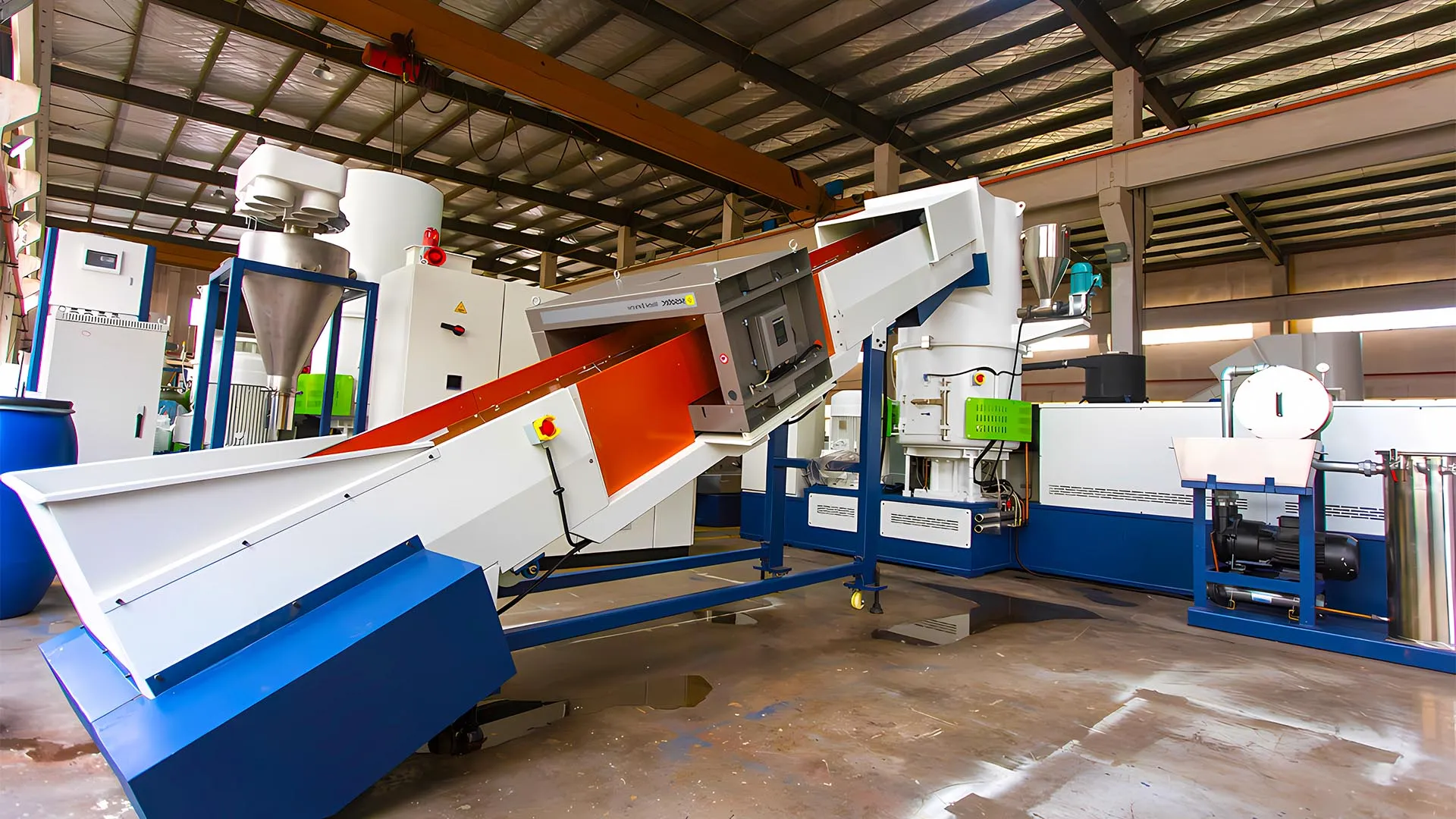
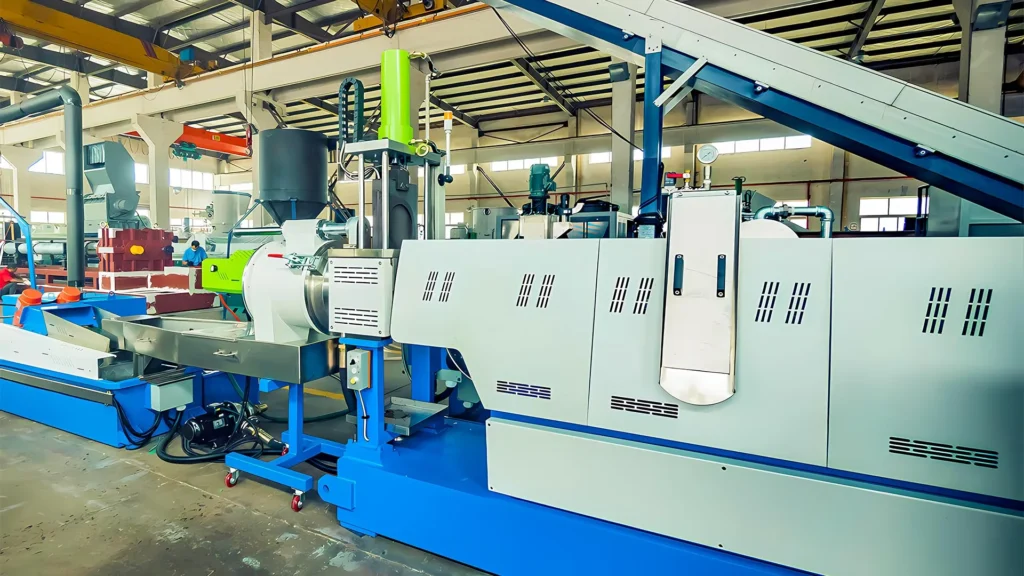
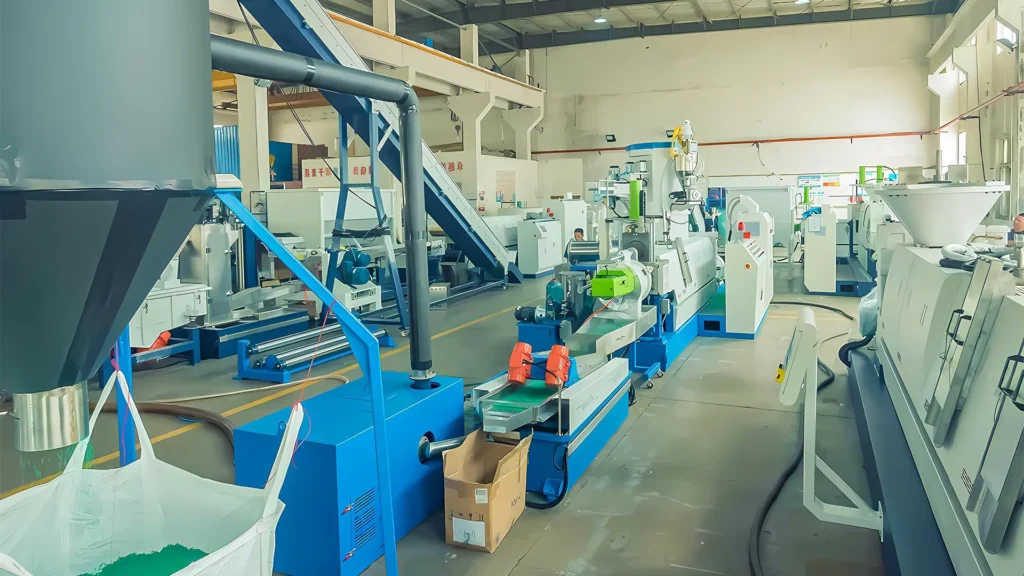
A PP/PE film water-ring pelletizing system combines feed compaction, extrusion, degassing, melt filtration, die-face cutting, water cooling and pellet drying. It is designed for light flexible feedstocks that need controlled densification before they can enter the extruder at a stable rate.
The model table on this page covers nominal ranges from 160 to 1,200 kg/h. Treat those figures as a shortlist: actual output depends on polymer, bulk density, moisture, printing, contamination, filtration and pellet specification. For a commercial configuration, review the PP/PE water-ring pelletizer.
Updated: July 18, 2026
Quick Model Selection Table
| Model | Compactor volume (L) | Compactor motor (kW) | Screw (mm) | L/D | Extruder motor (kW) | Nominal output (kg/h) |
|---|---|---|---|---|---|---|
| SJ80 | 300 | 37 | 80 | 36 | 45/55 | 160–220 |
| SJ100 | 500 | 55 | 100 | 36 | 90/110 | 300–380 |
| SJ120 | 800 | 90 | 120 | 36 | 132 | 450–480 |
| SJ140 | 1,000 | 110 | 140 | 36 | 160/185 | 500–650 |
| SJ160 | 1,200 | 132 | 160 | 34 | 220/250 | 800–1,000 |
| SJ180 | 1,400 | 315 | 180 | 34 | 315 | 1,000–1,200 |
Selection note: screw diameter and motor power do not guarantee output. Ask for a continuous material trial with the same film condition, screen pack, degassing arrangement and pellet quality required in production.
How the Water-Ring Film Pelletizing Process Works
1. Meter and inspect the feed
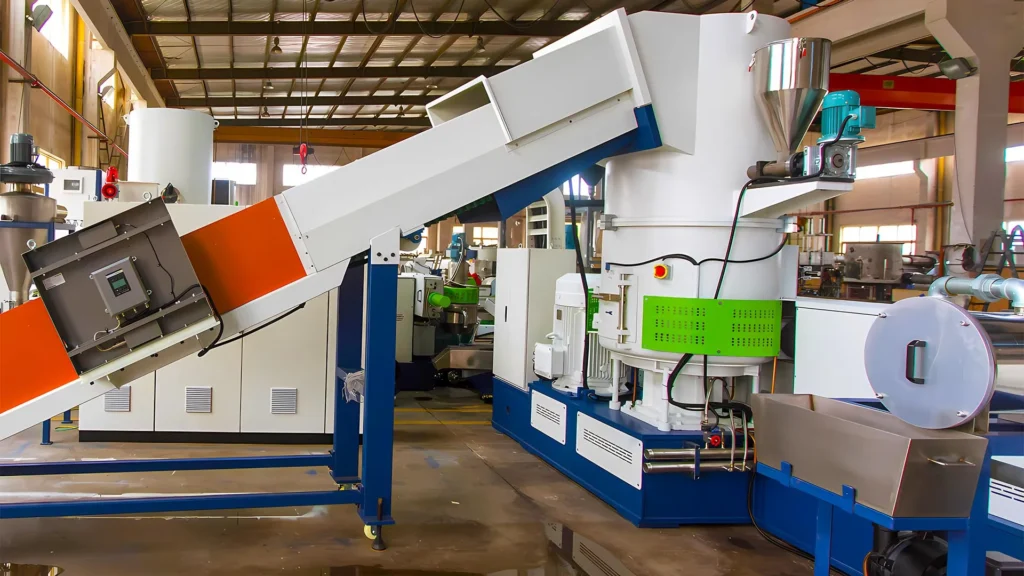
A belt conveyor or roll-feeding device delivers film, raffia or woven material to the cutter-compactor. Feed control should respond to the compactor load. Add metal detection before cutting and define how the line stops or rejects material when metal is found.
2. Cut, heat and compact the film
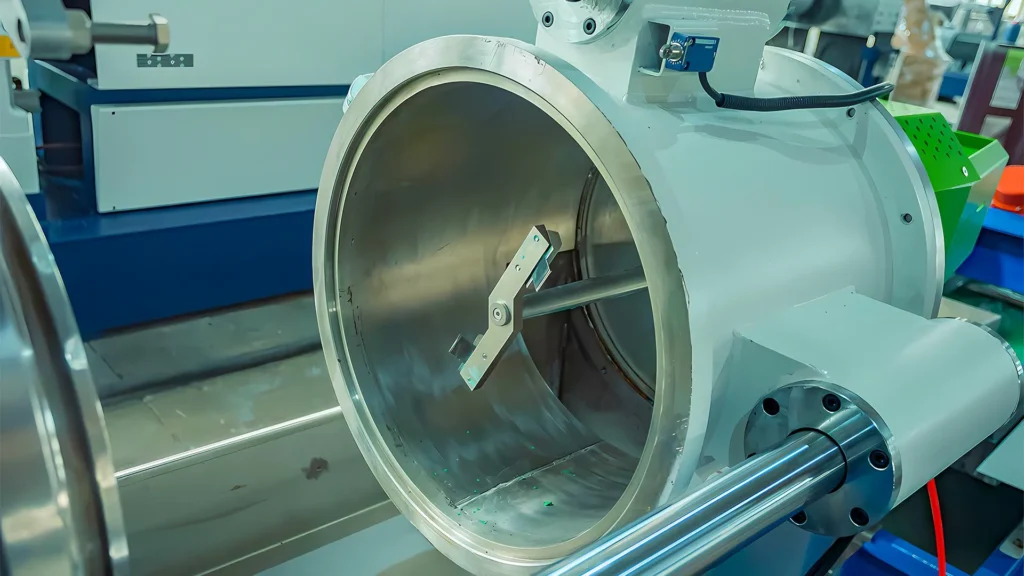
Rotating blades reduce the film size while friction raises its temperature and bulk density. The aim is a controlled, even feed into the screw—not uncontrolled melting inside the compactor. Ask the supplier how blade condition, cooling and feed level are monitored.
3. Melt and degas
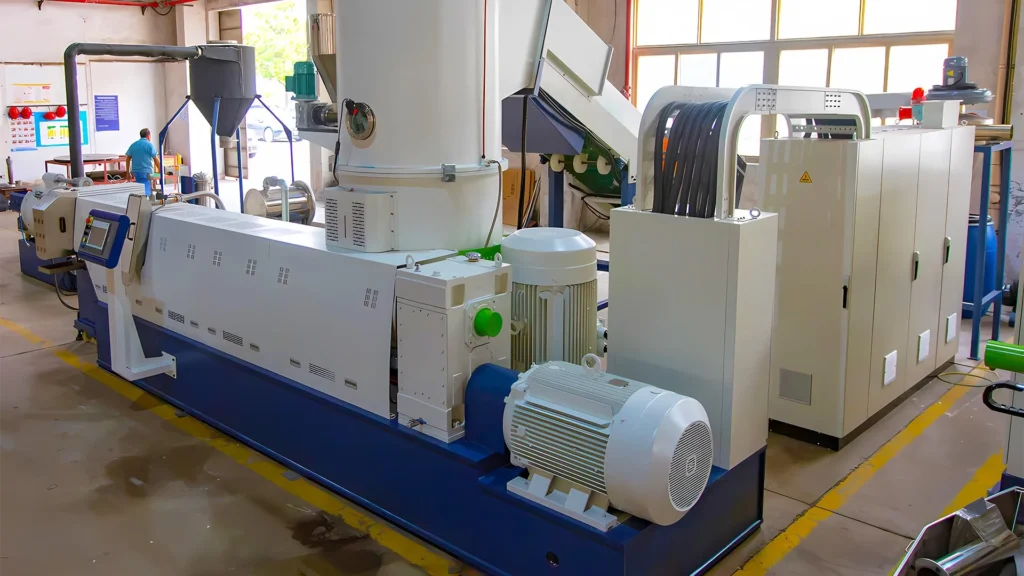
The screw melts and mixes the compacted feed. Vacuum venting removes part of the moisture and volatile load released from printed or washed material. A vent cannot compensate for uncontrolled wet feed, so pair the line with the correct film squeezing and drying stage.
4. Filter the melt
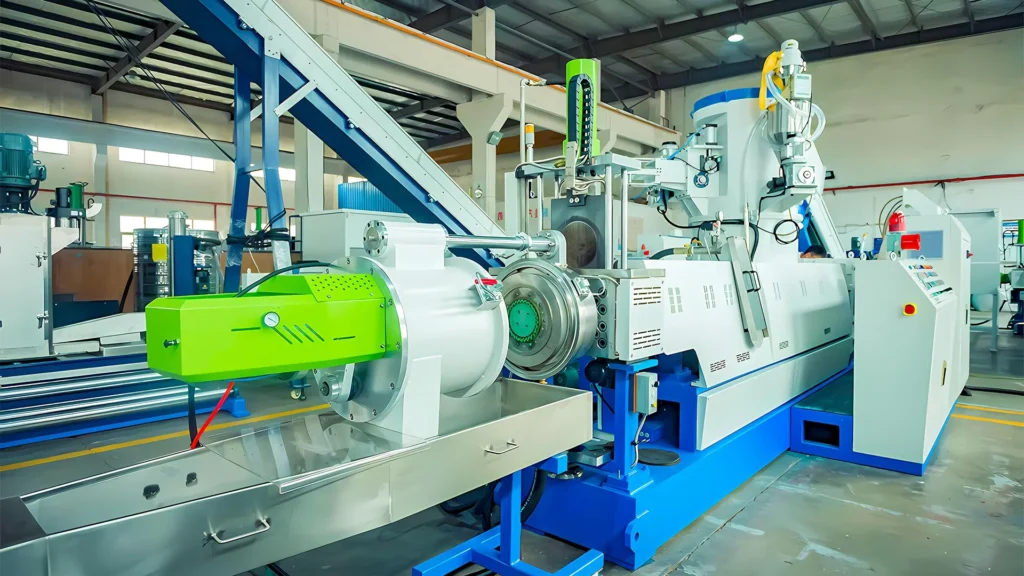
The screen changer protects pellet quality by catching remaining solids. Choose filtration from the final application backward: finer filtration can improve cleanliness but raises pressure and screen-change demand. Record pressure before and after the filter during the material trial.
5. Cut at the die face
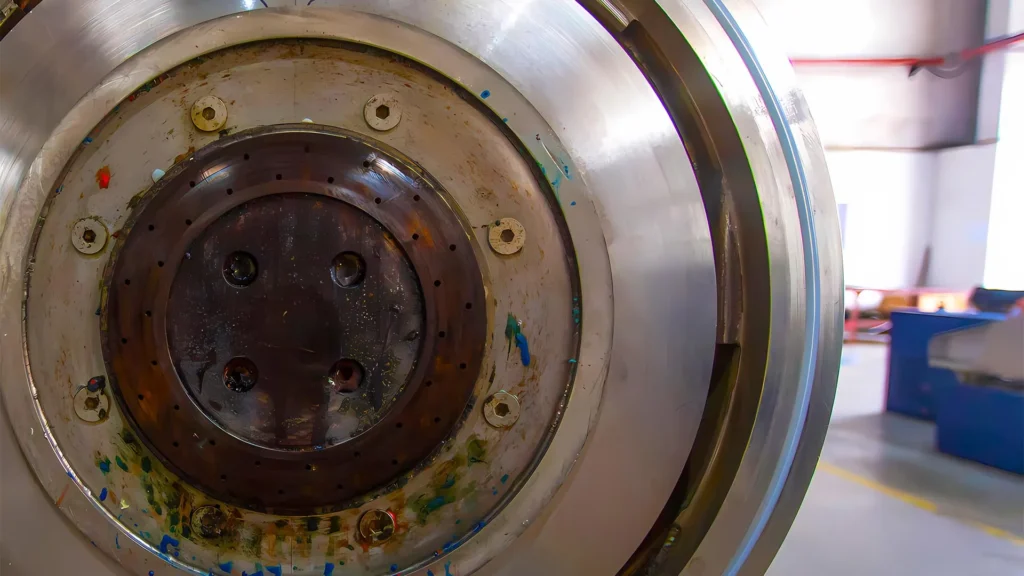
Rotating knives cut the melt as it exits the die. Water forms a ring around the cutting chamber, cools the pellets and carries them downstream. Knife pressure, die temperature and water condition affect pellet shape and startup stability.
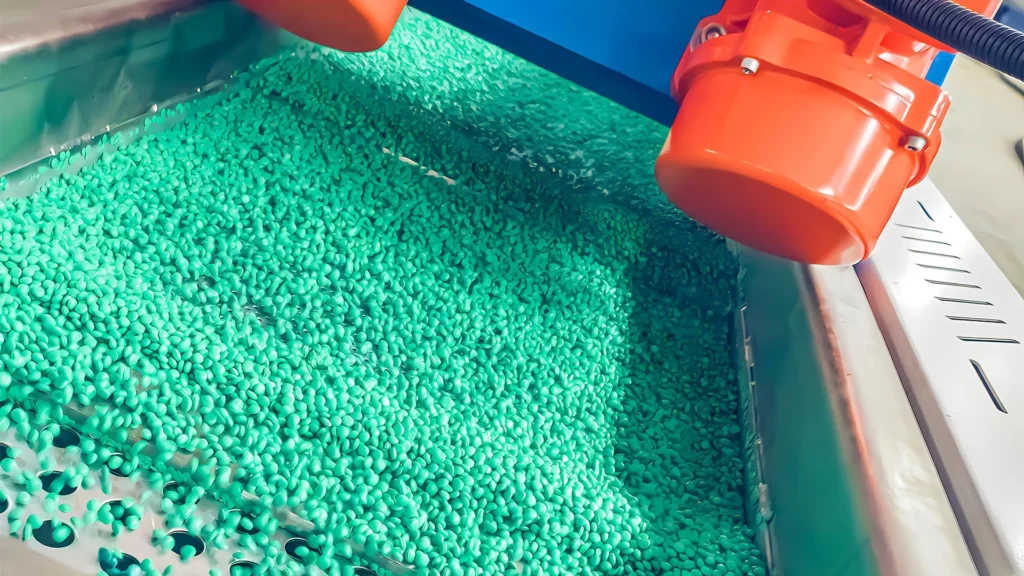
6. Separate water and dry the pellets
A vibrating separator and centrifugal dryer remove process water before pellet discharge. The quotation should state the pellet moisture target, water-circulation equipment, heat removal and screen-cleaning access.
Choose the Configuration from the Feedstock
| Feedstock condition | Configuration question | Risk if ignored |
|---|---|---|
| Washed film with variable moisture | What squeezing, drying and vacuum capacity is included? | Venting surges and porous pellets |
| Heavily printed film | Is added degassing or a second stage required? | Odor, deposits and unstable melt |
| Woven bags or raffia | How are long strips cut and prevented from wrapping? | Feed interruption and blade load |
| Higher dirt or paper content | Which screen changer and filtration area are proposed? | Frequent stops and pressure spikes |
| Mixed PE and PP | Will the final pellet buyer accept the blend? | Pellets that run but miss the buyer’s specification |
Single-Stage vs Double-Stage Extrusion
A single-stage line has fewer components and can suit cleaner, controlled feedstock. A double-stage layout adds another melt, venting or filtration opportunity and may fit printed or more variable material. It also adds power, floor space, screens and maintenance. Ask suppliers to prove why the second stage is needed for your feed rather than selecting it by default.
Material Trial and Purchase Acceptance
- Send a documented sample with polymer, moisture, bulk density, printing and contamination.
- Agree on pre-processing, screen size, temperatures and pellet specification before the run.
- Run long enough to include screen loading, stable output and normal operator adjustments.
- Record kg/h, specific energy if available, melt pressure, vent condition, screen changes and downtime.
- Inspect pellet size, fines, moisture, color, odor and downstream performance required by the buyer.
- Write the accepted result and included auxiliary equipment into the contract.
PP/PE Film Pelletizing RFQ Checklist
- Polymer and product format: film, raffia, woven bag, nonwoven or roll scrap.
- Incoming moisture, bulk density, printing and contaminants.
- Target stable kg/h and finished-pellet application.
- Cutter-compactor, feeder, metal detector and cooling scope.
- Screw design, venting, filtration and screen-change method.
- Water-ring cutter, water system, separator and centrifugal dryer.
- Connected load, operating data, floor plan and utility requirements.
- Trial report, acceptance test, training, warranty and spare parts.
System Images
Related Equipment and Next Step
Compare the plastic pelletizer range and the water-ring pelletizer working principle. Send your material sheet and pellet target with the RFQ so each proposal uses the same design basis.
Frequently Asked Questions
What materials can this PP/PE film pelletizing system process?
Typical feeds include separated PE film, PP raffia, woven bags, nonwoven scrap and suitable pre-densified flexible polyolefins. Confirm polymer mix, moisture, printing and contaminants with a material trial.
Why use water-ring die-face cutting?
The rotating cutter cuts melt at the die face and the circulating water carries and cools the pellets. It avoids handling long strands and is commonly considered for flexible PP and PE recycling lines.
When is double-stage extrusion considered?
Evaluate a second extrusion stage when the feed needs added degassing or filtration, especially with printed, variable or more contaminated material. The final choice should follow a trial and pellet-quality target.
Does washed film need drying before pelletizing?
Yes. Specify the moisture delivered to the cutter-compactor or extruder and test it under normal and worst-case conditions. Uncontrolled water can destabilize feeding, venting and pellet quality.
Are the listed kg/h outputs guaranteed?
They are model selection ranges, not a guarantee for every material. A purchase guarantee should state the tested feedstock, operating settings, stable run time, acceptable pellets and included auxiliary equipment.
Request a Configuration
Share representative feedstock photos, a material sample, hourly target, incoming moisture and the final pellet application. The line can then be configured and tested against an agreed production result.
