


Plastic Recycling Drying Systems
Transform washed wet plastic flakes into high-value feedstock with moisture consistently below 0.5% using centrifugal dewatering and thermal drying. This line integrates smoothly with our Plastic Pelletizers.
- Final moisture below 0.5%
- Mechanical dewatering down to ≤1–3%
- Thermal finishing to <0.5% for rigid & flexible plastics
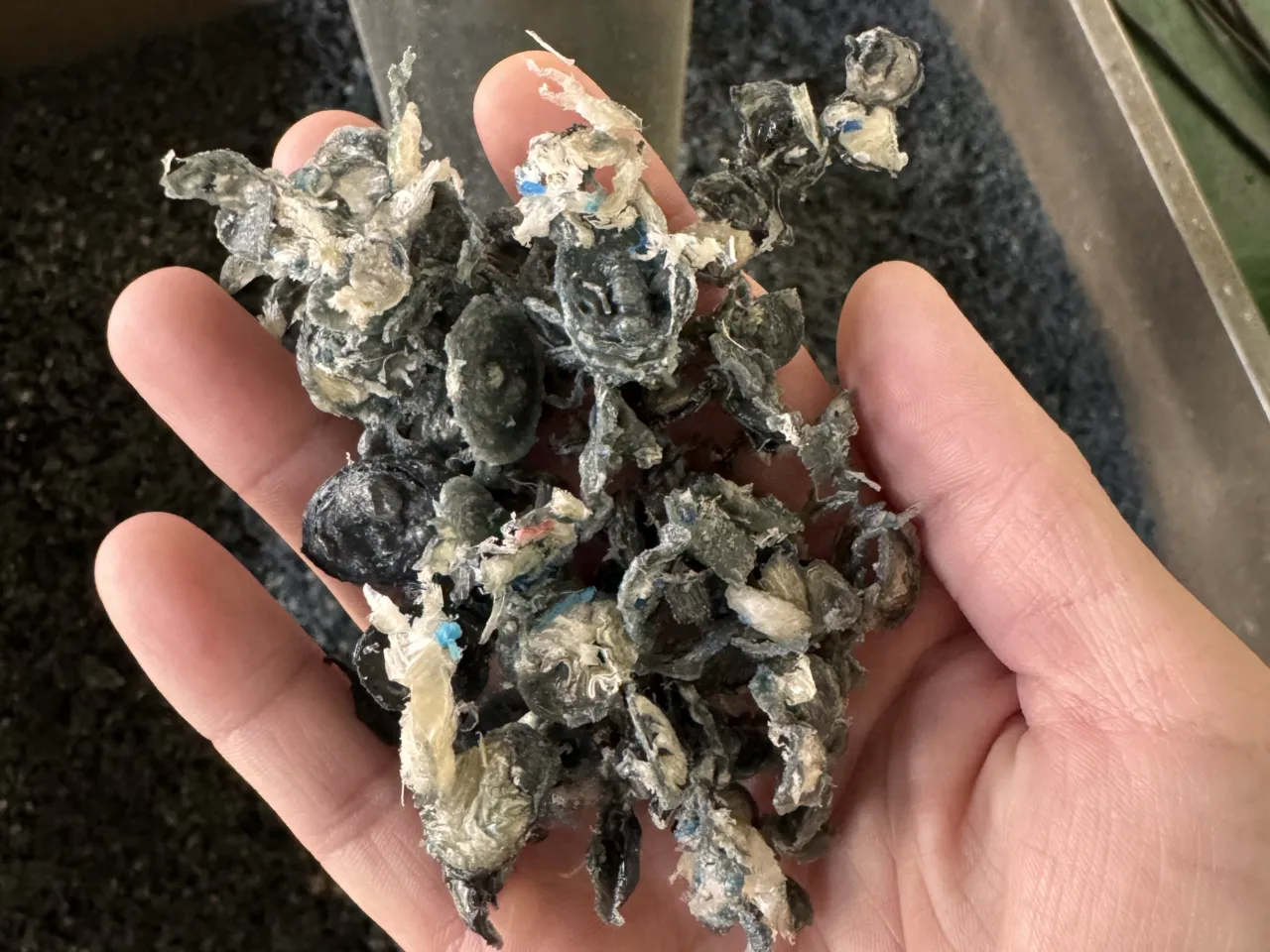
Plastic Drying Machines Overview
Effective moisture removal is one of the most important steps in any plastic recycling line. When washed flakes or films carry excess water into pelletizing, operators see steam pockets, unstable melt pressure, lower pellet quality, and unnecessary throughput loss.
A properly engineered plastic drying system reduces moisture from the 30–50% range common after washing down to ≤1–3% with mechanical dewatering, and below 0.5% with thermal pipe drying for stable, high-value downstream pelletizing. The right configuration depends on material type, incoming moisture, throughput, and final product goals.
-
Why Moisture Control Matters:
Residual moisture turns into vapor inside the extruder barrel, creating voids, bubbles, and inconsistent pellet quality. For PET, even small moisture errors can accelerate hydrolytic degradation and reduce intrinsic viscosity.
-
The Cost of Inadequate Drying:
Skipping proper drying means higher energy use inside the extruder, lower output, more rejects, and frequent instability. Mechanical pre-drying removes water far more efficiently than trying to evaporate it during extrusion.
Key Advantages of Our Plastic Drying Systems
The system focuses on low energy use, stable moisture control, automation, and clean operation for consistent production results.
-
Superior Energy Efficiency
Advanced thermal circulation reduces energy consumption by up to 30% compared with conventional drying setups.
-
Ultra-Low Moisture Content
Final moisture stays below 0.5%, meeting strict requirements for pelletizing, molding, and compounding.
-
Fully Automated Operation
PLC intelligent control supports one-touch startup and stable unattended running with lower labor demand.
-
Eco-Friendly Design
Fully enclosed structure limits dust and vapor leakage to meet modern environmental compliance targets.
How the Plastic Drying System Works
The process runs in four linked stages from feeding to dry output for reliable downstream operation.
Step 1: Feeding
Washed wet plastic flakes are conveyed into the drying section automatically.
Step 2: Centrifugal Dewatering
High-speed centrifugal rotation strips bulk surface water mechanically down to ≤1–3% before thermal treatment.
Step 3: Thermal Drying
Continuous hot-air circulation evaporates residual surface moisture down to below 0.5% without polymer overheating.
Step 4: Discharge
Dry purified material is discharged automatically for bagging or the next process stage.
Core Components of Plastic Drying Systems
Each module is selected for durability, stable performance, and easier maintenance.
Stainless Steel Construction
Material-contact parts use SUS304 stainless steel to reduce corrosion risk and maintain feedstock purity.
VFD Motor Control
Adjustable rotation speed helps optimize drying performance and power use for different plastics.
Precision Temperature Control
Real-time temperature regulation protects material quality and prevents overheating discoloration.
How to Choose the Right Drying Machine
There is no single best dryer for every recycling line. Most industrial systems combine two or more drying stages to balance energy use, throughput, and final moisture performance.
Centrifugal Dryer
Best for rigid PET, HDPE, and PP flakes as the primary mechanical dewatering stage. High-speed rotor strips off surface moisture without using heat.
Typical output moisture: ≤1–3% (rigid flakes)
Thermal Dryer
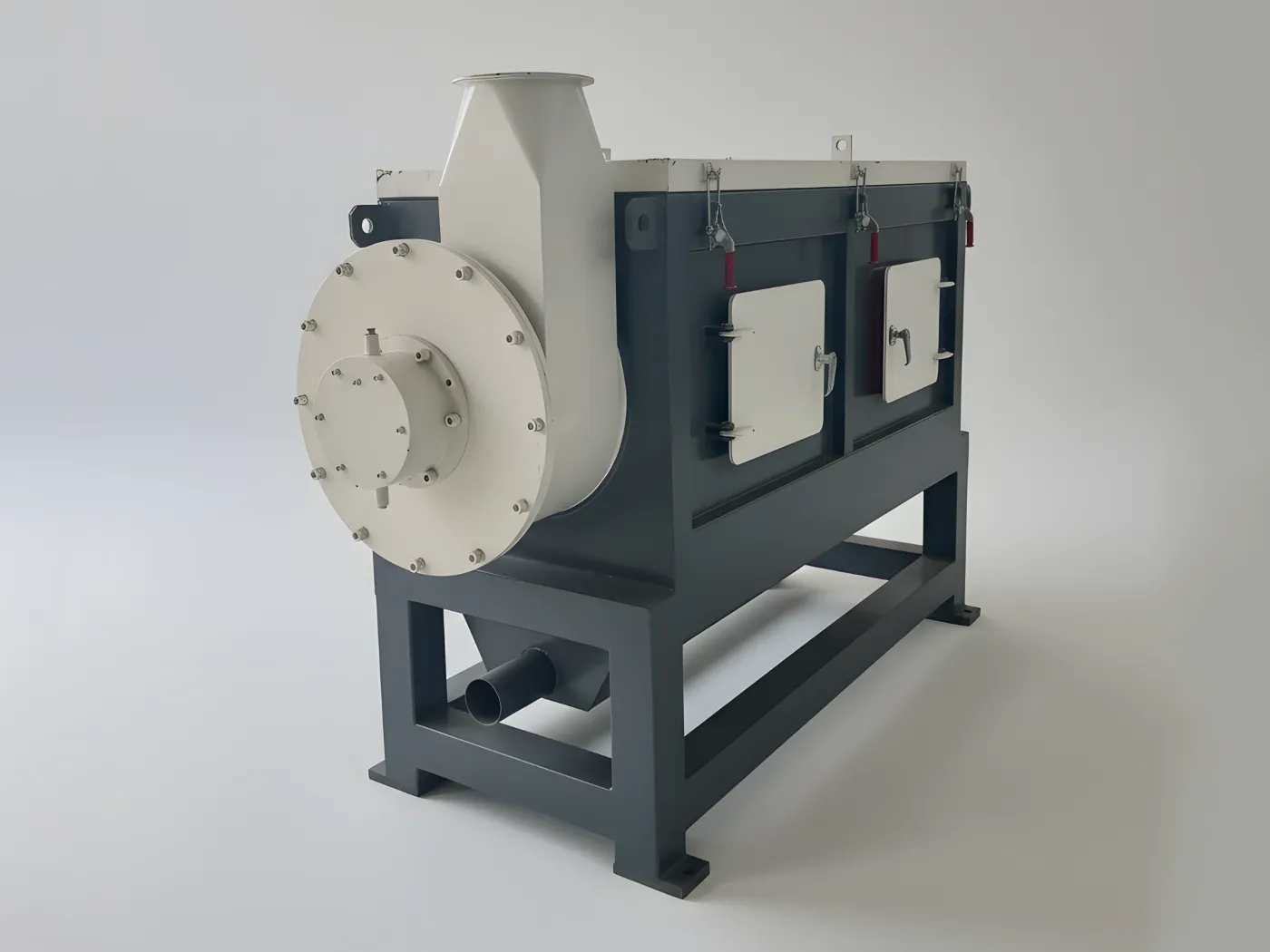
Used as the secondary finishing stage for rigid flakes. Continuous hot air evaporates residual moisture and prepares material for high-quality pelletizing.
Typical output moisture: <0.5% (secondary finishing)
Film Squeezer Dryer
Designed for flexible PE or PP film, woven bags, and non-woven materials. The high-pressure screw compression removes trapped water that centrifugal systems cannot handle efficiently.
Typical output moisture: 1–5% (flexible film)
Plastic Film Densifier
An advanced option for film lines that combines drying and densifying in one machine, turning fluffy wet film into dense, feed-ready agglomerates.
Typical output moisture: 1–3% (densified agglomerates)
Drying Machine Comparison
Use this quick comparison to match machine type with your material stream and moisture target.
Swipe horizontally to view the full table.
| Drying Machine | Best For | Input Moisture | Output Moisture | Method |
|---|---|---|---|---|
| Centrifugal Dryer | Rigid PET, HDPE, PP flakes | 30–50% | ≤1–3% | Mechanical centrifugal separation |
| Thermal Dryer | Rigid flakes (finishing stage) | 1–3% | <0.5% | Continuous hot air evaporation |
| Film Squeezer Dryer | PE or PP film, woven bags | 20–45% | 1–5% | High-pressure screw extrusion |
| Film Densifier | PE or PP film, raffia & foam | 15–35% | 1–3% | Squeezing and frictional agglomeration |
Recommended Plastic Drying Configurations
Recycling plants engineer the drying stage around material form and target moisture. Here are the proven configurations for common recycling streams.
Rigid Flake Recycling Lines
Optimized for rigid HDPE bottles, PP tubs, and PET flakes from washing lines.
Stage 1: Centrifugal Dryer strips bulk surface moisture down to ≤1–3%.
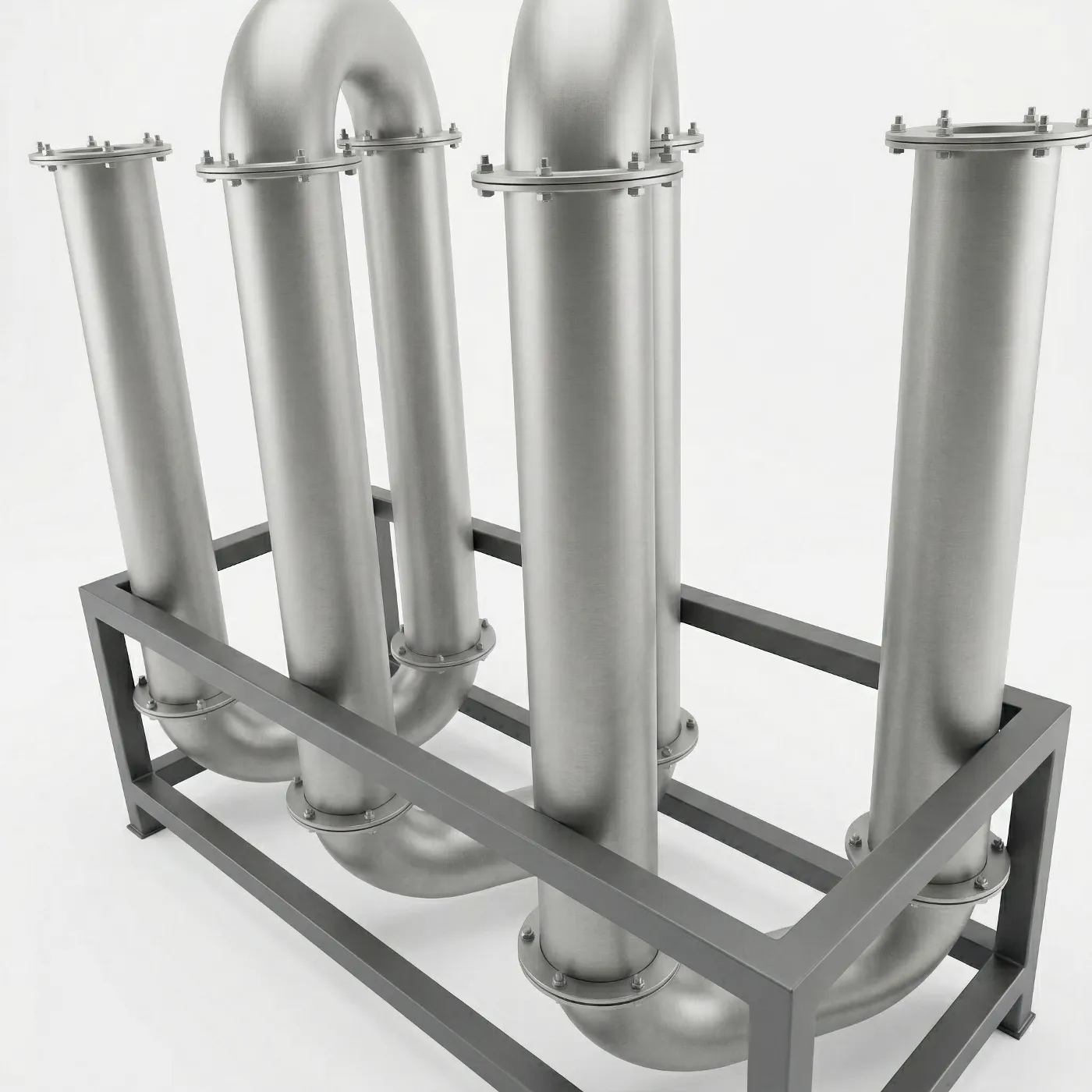
Stage 2: Thermal Pipe Dryer evaporates residual surface moisture down to <0.5%.
Output: Feedstock ready for extrusion, compounding, or direct pelletizing.
Flexible Film & Bag Lines
Engineered for lightweight LDPE/LLDPE agricultural films, post-consumer film, and PP woven bags.
Option A: Film Squeezer Dryer for continuous mechanical dewatering down to 1–5% moisture.
Option B: Film Densifier combining drying with frictional densification to 1–3% moisture.
Option C: Add an in-line thermal pipe dryer when ultra-low moisture is needed.
Mixed Material Recycling Plants
Tailored for recycling facilities processing both rigid plastics and flexible films alternately.
Rigid Line: Dedicated centrifugal dewatering unit for rapid surface moisture extraction.
Film Line: High-compression mechanical film squeezer for flexible waste streams.
Shared Finishing: Both streams feed into a unified thermal dryer for final moisture conditioning.
Drying System in Action: Video
Demo highlights include centrifugal dewatering, thermal drying, and cyclone discharge with stable low-moisture output.
Plastic Drying Equipment Gallery
High-resolution equipment images show construction quality and process module details.
Frequently Asked Questions
Common questions on material compatibility, maintenance, installation, and quotation.
The drying system can process PET flakes, HDPE and LDPE film, PP woven materials, ABS, and other rigid or flexible plastics. Configuration can be tuned to your material type and moisture target.
The system is modular for easier installation. We provide manuals, remote video support, and optional on-site commissioning and operator training.
Routine work mainly includes cleaning screen mesh, checking lubrication points, and verifying airflow and temperature settings. Durable components keep failure rates low.
Use the inquiry form below or contact us directly with capacity, material, and moisture requirements. Our team will provide a tailored proposal and quotation.
Warranty & Installation
-
Warranty Coverage
Standard warranty coverage is available for supported machine components and manufacturing defects.
-
Installation & Support
We provide installation guidance, commissioning support, operator training, and spare parts service according to project scope.
Get a Drying System Quote
Contact us for a customized drying system proposal that matches your production and quality targets.