


Rigid Plastic Washing Line for PP/HDPE/PVC
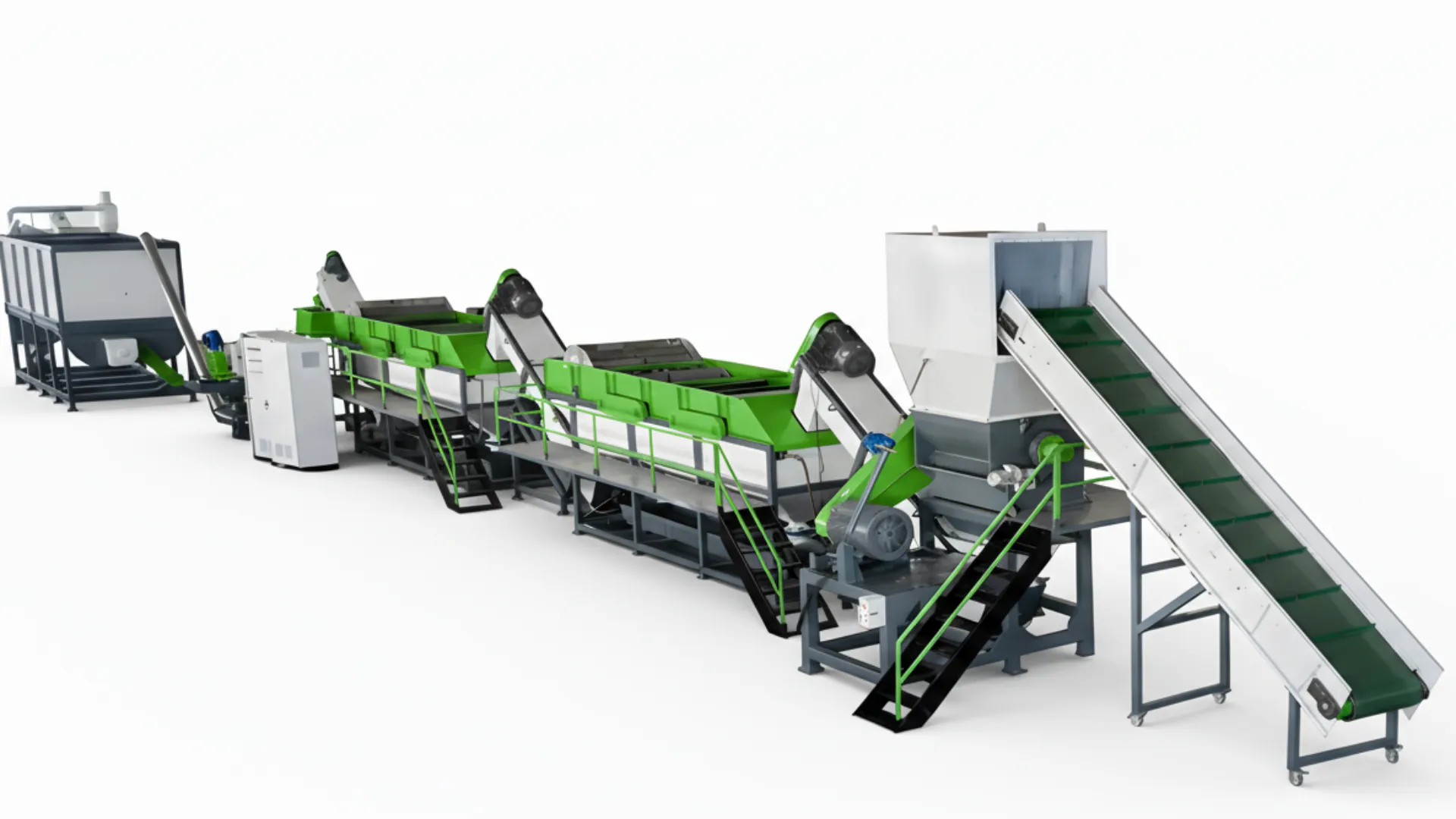
A modular rigid plastic washing line engineered for PP, HDPE, PVC, ABS, and mixed regrind feedstock, delivering stable throughput and cleaner flakes for downstream reuse.
- Configurable washing, separation, and drying stages for different contamination levels.
- Supports rigid bottles, regrinds, injection scrap, and post-consumer mixed plastics.
- Custom line layouts available based on output target, workshop space, and final moisture requirements.
Key Highlights of Rigid Plastic Washing Line
-
Customizable Plant Layout
Configurable modules match your plant space and specific rigid contamination levels.
-
High Washing Efficiency
Friction washers and hot wash units remove glue, organic residues, and stubborn surface dirt.
-
Closed-Loop Water System
Recirculating water filtration reduces fresh water consumption and operating costs.
-
Moisture Below 3%
High-speed centrifugal dryer and thermal pipe drying achieve ready-to-pelletize dryness.
Target Rigid Plastics & Container Types
Typical applications include rigid plastic flakes, bottles, regrinds, and mixed rigid plastic streams from industrial and post-consumer recycling.
-
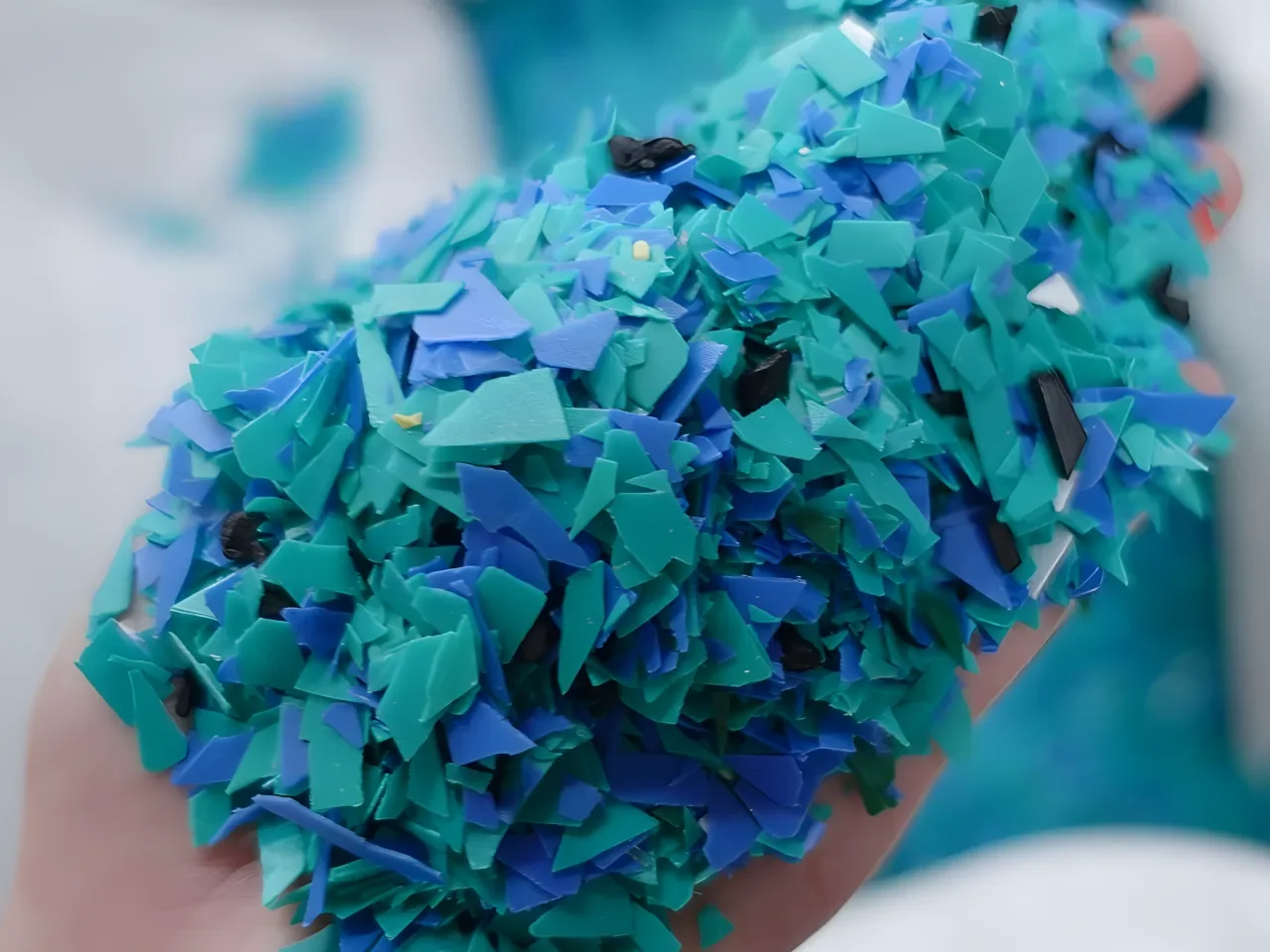
PP Regrind
Suitable for chairs, baskets, bottles, caps, and rigid packaging waste requiring washing and moisture reduction.
-
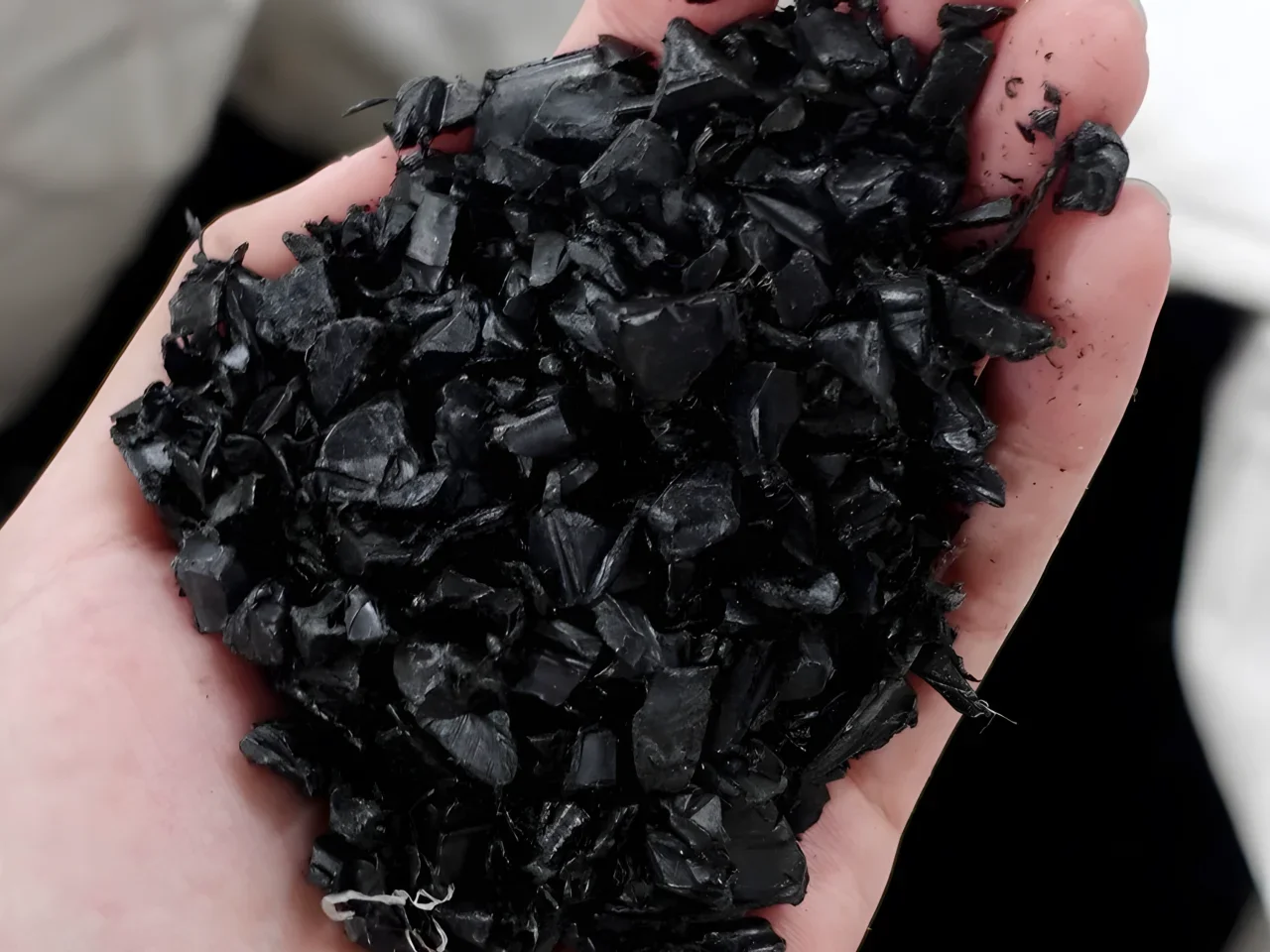
HDPE Regrind
Common in containers, bottles, pipes, and industrial scrap where strong washing performance is required.
-
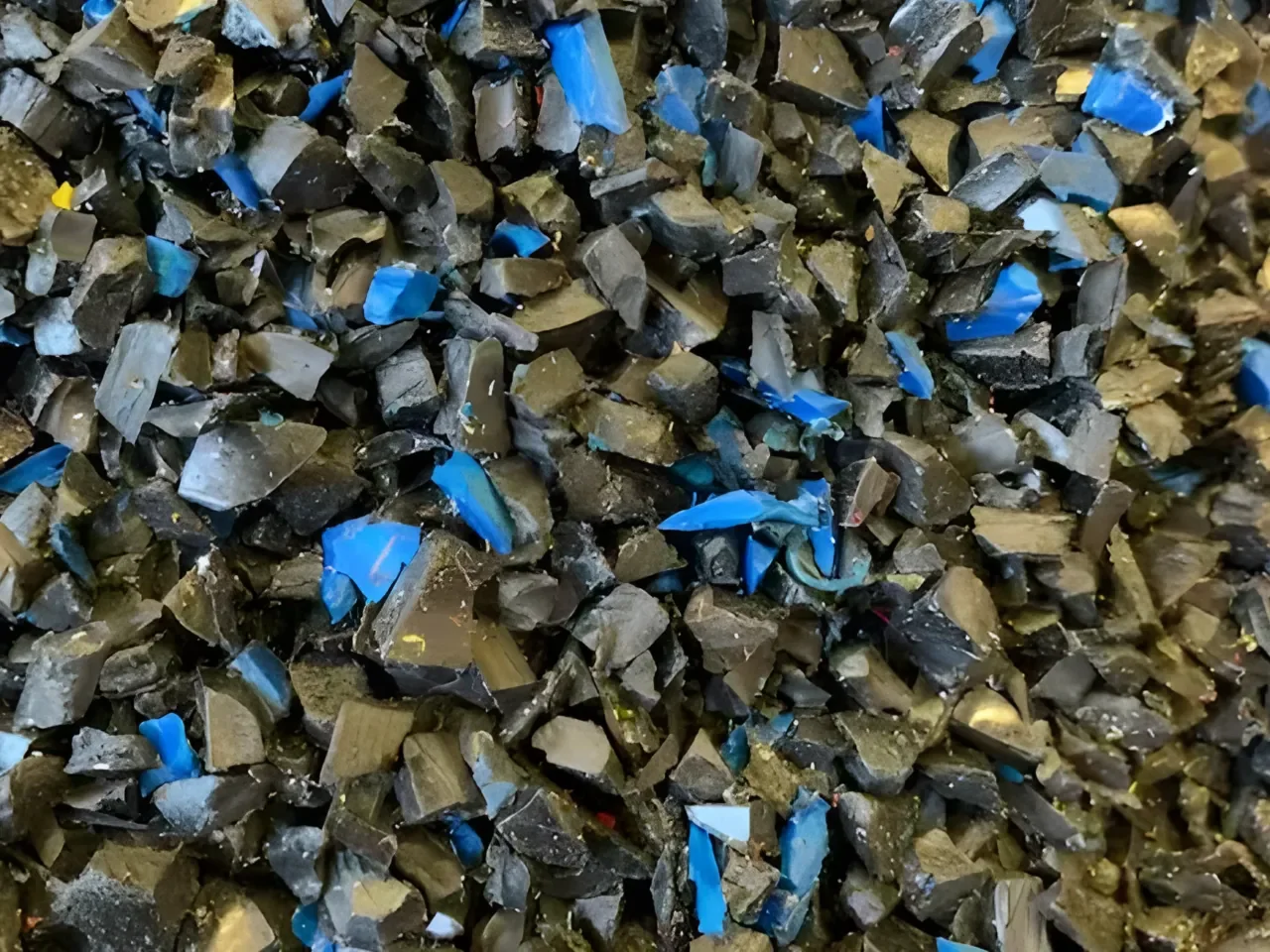
PVC Regrind
Applicable to pipes, profiles, cable insulation, and construction scrap with washing and sorting needs.
-
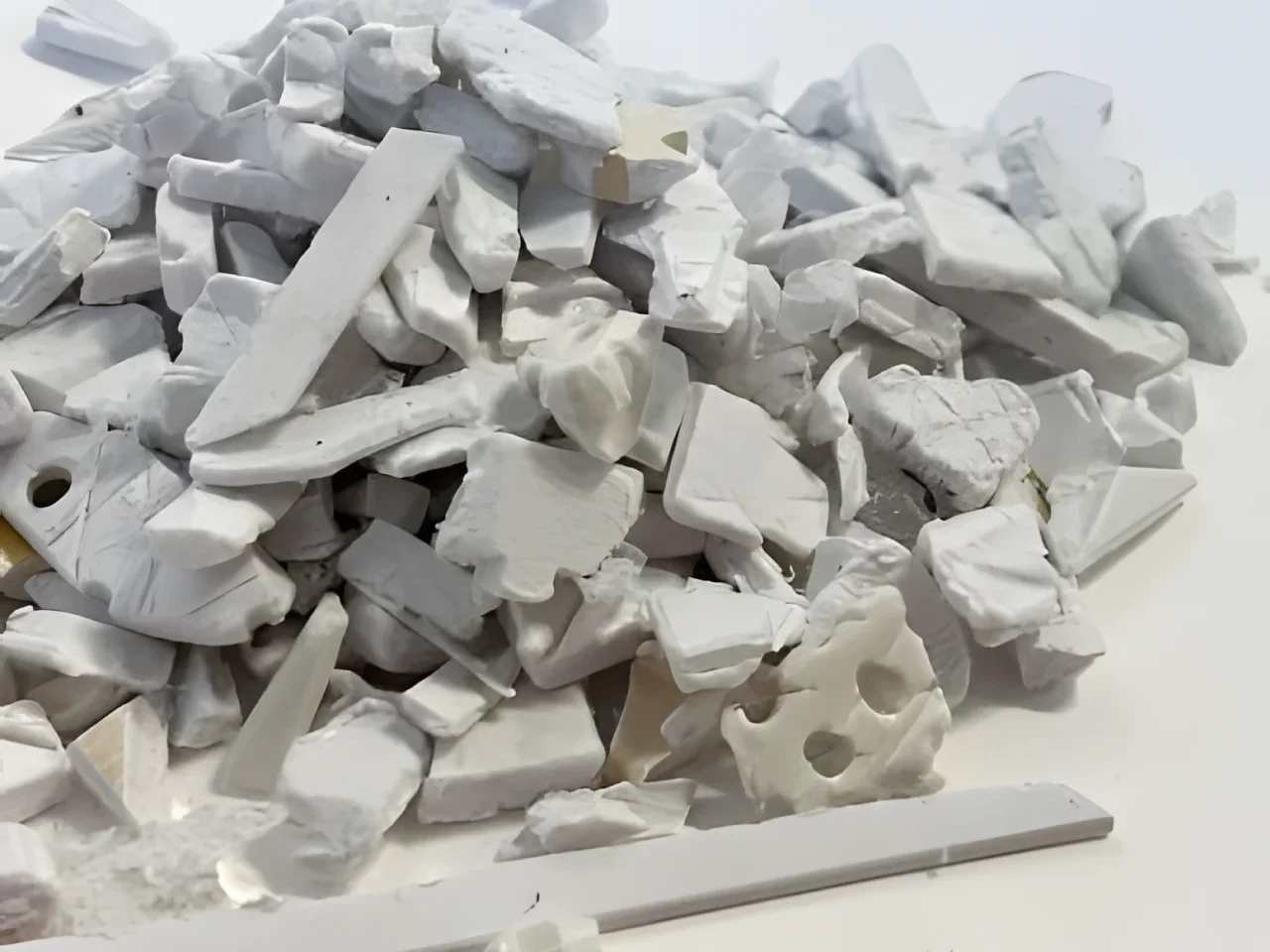
ABS Regrind
Used for automotive parts, electronic housings, and appliance scrap that needs cleaning before reuse.
-
Mixed Rigid Plastic
Suitable for diverse rigid plastic streams from packaging, consumer goods, automotive, and industrial sources.
-
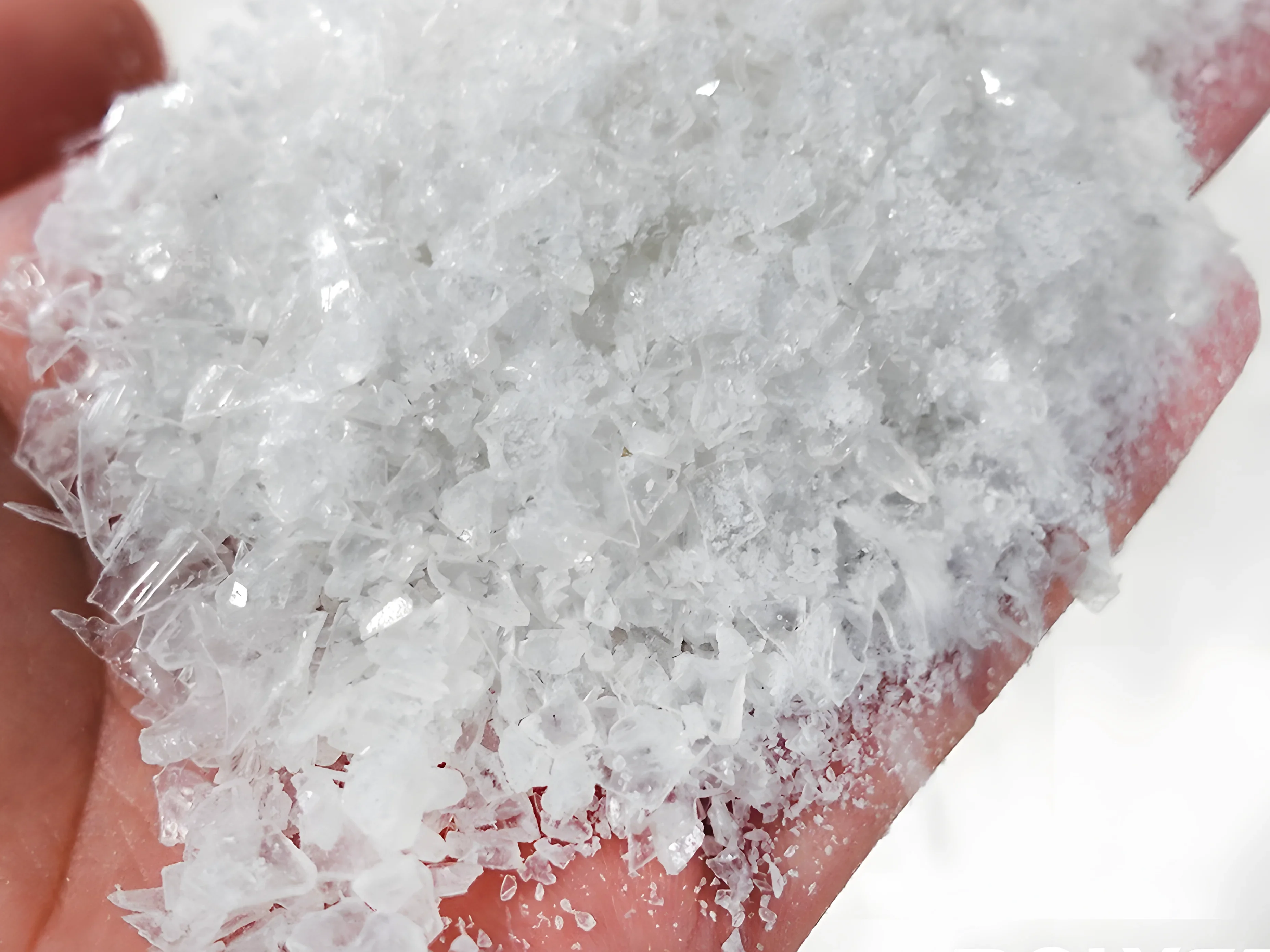
PET Regrind
Can be processed in applications requiring removal of dirt, labels, caps, and residual moisture before reuse.
Rigid Plastic Washing & Separation Process
Sequential high-efficiency recycling workflow from pre-washing and granulation to density separation and centrifugal drying.
-
Step 1Feed & Meter
Load materials and maintain stable feeding for the full washing line.
-
Step 2Wet Granulation
Cut rigid plastics into smaller pieces while beginning surface cleaning.
-
Step 3Friction Wash
Remove stubborn surface dirt, oils, adhesives, and residues from flakes.
-
Step 4Sink-Float Separation
Separate target polymers from floating or sinking contaminants by water density.
-
Step 5Hot Wash (Optional)
Dissolve glue, label residue, and tough surface contamination when required.
-
Step 6Dewater & Dry
Reduce surface moisture with centrifugal dewatering and thermal drying.
-
Step 7Air Classification
Extract remaining light label fragments, dust, and fine particles.
-
Step 8Collection & Storage
Discharge clean, dry flakes into silos or bulk bags for reuse or granulation.
Technical Advantages & Purity Standards
-
Eco-Friendly Operation
Optimized water and energy usage support more sustainable rigid plastic recycling.
-
Custom Engineered
Every line is configured for your material mix, throughput, and moisture target.
-
High Quality Components
Durable contact surfaces and heavy-duty drives ensure continuous industrial operation.
-
High Cleanliness Output
Multi-stage washing and separation deliver low-ash, clean flakes for extrusion.
Core Washing & Separation Equipment
Key process machinery engineered for efficient size reduction, friction washing, density separation, and dewatering.

Screw Feeder
Transfers wet or dry plastic flakes between process stages with controlled feed rates and enclosed design to avoid spills.
- Steady material movement between line modules
- Enclosed casing reduces spillage and dust
- Wear-resistant screw flights for longer service

Wet Plastic Granulator
Reduces rigid scrap into uniform flake sizes with water injection, cooling blades and starting early wash action simultaneously.
- Water spray cools cutting tools and reduces friction wear
- Uniform flake sizing optimizes downstream washing
- Heavy-duty rotor structure handles dense rigid plastics

Friction Washer
High-speed rotary paddles scrub flakes aggressively against a perforated screen to loosen stubborn dirt, labels, and chemical residues.
- High centrifugal force strips surface contaminants
- Continuous water discharge flushes fines and sand
- Durable wear-resistant paddles for heavy abrasive feed

Floating Separation Tank
Separates plastics by density difference (PP/PE float, PVC/PET/heavy contaminants sink) using adjustable drum rollers and discharge screws.
- Effective separation by specific gravity (density < 1 vs > 1)
- Rotary drums ensure thorough soaking and propulsion
- Automatic bottom screw cleans out settled heavy impurities

Hot Washer
Uses heated water and chemical detergent with continuous mechanical agitation to dissolve adhesives, oils, and persistent residues.
- Hot water and alkaline washing dissolve glues and oils
- Continuous agitation delivers consistent residence time
- Insulated chamber minimizes thermal energy loss

Centrifugal Dryer
Spins wet plastic flakes at high rotational velocity to extract up to 98% of surface water mechanically before thermal drying.
- High-speed centrifugal action separates water from flakes
- Screen baskets are dynamically balanced for low vibration
- Low energy consumption per ton of dewatered material

Thermal Dryer
Conveys flakes through hot air ducting with cyclone separation to reduce residual moisture to below 2%, ready for extrusion pelletizing.
- Hot air pipeline flash drying achieves sub-2% moisture
- Cyclone separator efficiently decouples air and dry flakes
- Automatic temperature monitoring safeguards polymer quality

Zig-Zag Air Classifier
Applies upward counter-current airflow to extract light films, paper labels, and fines from heavy rigid plastic flakes.
- Zig-zag cascade channels maximize contact and separation
- Adjustable blower controls separation cut-point precisely
- Produces high-purity flakes free of light label contamination
Typical Line Specifications
Reference technical parameters and configuration guidelines for rigid plastic washing lines.
| Parameter | Reference Range | Notes |
|---|---|---|
| Applicable Materials | PP, HDPE, PVC, ABS, PET regrinds | Material mix and contamination define final layout. |
| Line Stages | Granulation, washing, separation, dewatering, drying, classification | Modules can be added or removed as required. |
| Final Moisture | Below 3% | With centrifugal dewatering and thermal drying. |
| Water System | Closed-loop reuse supported | Helps reduce make-up water and operating cost. |
| Configuration | Custom | Capacity and utilities depend on feedstock and output targets. |
Rigid Plastic Washing Line in Action: Video
Watch the rigid plastic washing line process rigid bottles and flakes through washing, separation, and drying stages.
Warranty & Installation
Support is available from project evaluation through commissioning and after-sales service.
1-Year Limited Warranty
Core equipment is covered by a one-year limited warranty with spare parts and technical support coordination.
Expert Installation Support
Our engineers can assist with installation guidance, commissioning, startup tuning, and operator training.
Frequently Asked Questions
Clear answers to common questions about rigid plastic washing lines, water recycling, and output purity.
Yes. The line can be configured for mixed rigid plastic feedstock including PP, HDPE, PVC, ABS, and other regrinds. Sizing depends on contamination level, density separation needs, and required output quality.
With centrifugal dewatering followed by thermal drying, final moisture is typically below 3 percent, suitable for storage or downstream pelletizing.
No. The system supports closed-loop water reuse with filtration and settling, which helps reduce make-up water demand and operating cost.
We size the line based on material type, contamination level, throughput target, and available floor space. Sample evaluation can be used to confirm the most suitable layout.
Request a Rigid Plastic Washing Line Quote
Tell us your material type, throughput, and workshop constraints. Our engineers will recommend a suitable configuration and quotation.