
ペットボトルのリサイクルを理解する
PETボトルリサイクルとは?
ペットボトルのリサイクル 収集したボトルを、デバリング、分別、ラベル除去、クラッシング、密度分離、熱洗浄および乾燥を通じて、制御された二次原料に変換します。ラインは、入力バレの品質と繊維、シート、ストラップ、またはボトル対ボトル応用に必要な仕様に基づいて設計される必要があります。
適切なリサイクルの重要性
工業事業者にとって、商業的な目的は繰り返し可能なフラーク品質です。ポリマーの純度、色、特性粘度、水分、PVC、ポリオレフィン、ラベル、接着剤、金属はすべて、購入者の受容度と販売価格に影響します。
ペットボトルの回収
路上リサイクル
PET リサイクルの最初の重要なステップは、ボトルの収集です。この収集の大部分は、トラックが家庭からリサイクル容器を回収する路上リサイクル プログラム、または地元のリサイクル センターへの持ち込みによって行われます。
リサイクルセンターへの持ち込み
「シングル ストリーム」リサイクルとも呼ばれるカーブサイド プログラムでは、すべてのリサイクル可能品が 1 つの容器に入れられ、選別のために材料回収施設 (MRF) に運ばれます。この混合ストリームには、ガラス、アルミ缶、ペットボトル、紙/段ボールなどの品目が含まれ、手作業と機械の両方で選別されます。
リサイクルのための分別と準備
分別処理施設で分別されたPETボトルは一般的にバルク化され、洗浄施設へ運ばれます。バルクの検査は、材料がラインに入る前に色の混合、水分、PVCボトルおよびスリーブ、金属、ガラス、ラベル、キャップ、および非PETコンテナを記録する必要があります。
PETボトルの洗浄とリサイクルのプロセス
ステップ1: 荷下ろしと選別
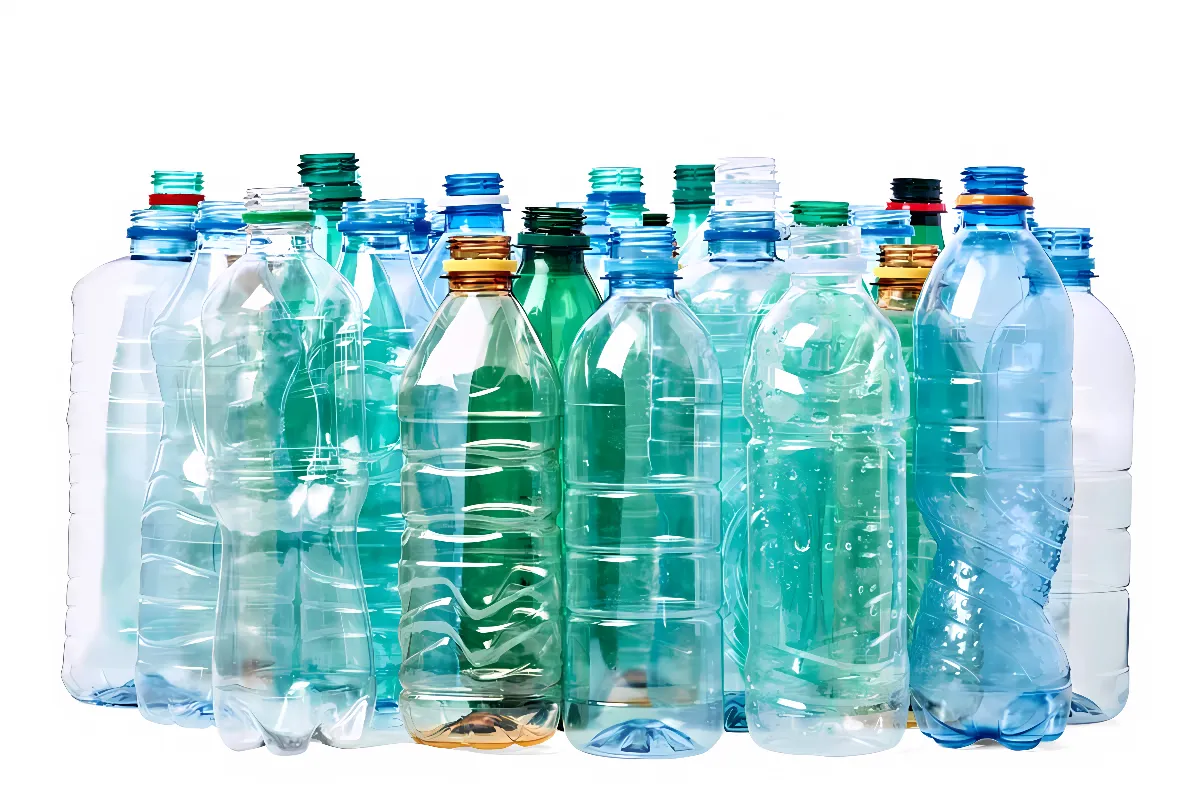
PET ボトルがリサイクル工場に到着すると、通常は、すでに色別に分類された、圧縮された大きな梱包になっています。PET ボトル洗浄工場の目的は、これらのボトルを徹底的に洗浄して再利用できるようにするとともに、PET プラスチックで作られていないラベルやキャップなどの汚染物質を除去することです。
リサイクルのプロセスは、まず、これらの大きな梱包をバラバラにするデベール機で始まります。デベール機は、ボトルをベルトコンベアに自由に流し、トロンメルへと導きます。トロンメルは、ガラス、金属、紙などの小さな汚染物質を除去する大きな回転トンネルです。トロンメルを通過した後、ボトルは手作業による選別に移され、そこで作業員が残りの PET 以外のアイテムを取り除きます。
ステップ2:洗浄と汚染物質の除去
次のステップは、造粒機を使用して PET ボトルを「PET フレーク」と呼ばれる小さな破片にカットすることです。これらのフレークがカットされると、水が噴霧され、洗浄プロセスが開始されます。次に、フレークは空気分級機にかけられ、プラスチックフィルムラベルなどの軽い材料と重い PET プラスチックが分離されます。その後、フレークは浮沈分離タンクに入り、PET フレークは沈み、ポリプロピレンまたはポリエチレン製のキャップは浮くため、簡単に分離できます。
Hot washing uses controlled temperature, residence time and chemistry to remove adhesive, oils and organic residue. Friction washing and staged rinsing then reduce loosened contamination. The result should be tested against the buyer’s flake specification rather than described as universally “perfectly clean.”
ステップ3:PETフレークの乾燥と準備
機械的脱水で自由水を除去し、必要に応じて制御乾燥処理を実施します。最終的な水分は、下流の買い手または押出仕様に対して測定する必要があります;許容限界は、フラークが販売され、結晶化され、固体状態で処理されるか、直接溶かされるかによって異なります。
リサイクルされたペットボトルはどうなるのでしょうか?
PETフレークから新製品まで
今では、きれいな PET フレークが手に入り、さまざまな新製品に生まれ変わることができます。これらのフレークの最も一般的な用途は、衣類、カーペット、その他の繊維製品に織り込まれるポリエステル短繊維の製造です。
Applications of Recycled PET (RPET)
Recycled PET can be used for sheet, thermoformed packaging, strapping and engineered compounds. Bottle-to-bottle production requires high-purity material plus an approved decontamination and quality-assurance process where food contact applies. The resin is typically converted into preforms by injection molding and the preforms are then stretch-blow-molded into bottles.
PETフラーク品質検査ポイント
| チェックポイント | 何を測定するか | なぜそれが重要なのか |
|---|---|---|
| 入札 | 色合い、PET容器以外、PVC、金属、ガラス、水分および粉末 | 現実的な収率と分別要件を設定します。 |
| ラベル除去と分別後 | 残りのスリーブ、ラベル、色付きボトルおよび外国のポリマー | 汚染を粒化機および洗浄回路に侵入させない。 |
| 洗浄フラーク | PVC、PP/PE、ラベル、接着剤、汚れ、色と黒ずみ | 材料を受け入れる可能性のある最終市場を決定します。 |
| 乾燥フラーク | 水分と体積密度 | 貯蔵、輸送、および安定した下流処理に影響します。 |
| 最終ロット | 適用な場合、購入者固有の純度、特性粘度および食品接触要件 | 材料が想定される応用に適していることを確認します。 |
機械リサイクルと化学リサイクルのPETリサイクル
機械リサイクル — 上記に記述されているプロセスは、ポリマーを変更せずにPETを洗浄、分別、再溶かします。それは業界の主力機械であり、コストが低く、スケールが証明され、繊維、シート、ほとんどのパッケージ用途に十分です。その限界は汚染と繰り返しサイクルでの粘度の徐々に低下です。.
化学リサイクル PETをモノマーまたは他の化学的中间体に変換し、再ポリマ化する。給料準備、受け入れ可能な色と汚染限界は選択された技術に依存し、食品接触適合性はプロセス固有の承認が必要である。重く汚染されたPETの流れがすべて適切であると想定されるべきではない。
両方のルートは通常、分別と給料準備が必要ですが、必要なフロントエンドは技術に固有です。従来の機械的リサイクルの場合、ラベルの除去、圧縮、熱洗浄、 沈み浮き分別 そして乾燥により、フラークが意図された市場に合致するかどうかが決定されます。 リサイクルポリエステル繊維.
PETリサイクルライン FAQ
PETボトル洗浄ラインの規模を決定するために必要な情報は何ですか?
Provide the average and peak kg/h, bale composition, bottle colors, contamination, moisture, operating hours and required flake specification. Representative bale testing is more reliable than selecting by nominal capacity alone.
なぜPETリサイクルで熱洗浄が使用されるのか?
制御された熱洗浄は、接着剤、油分、有機残留物の除去に役立ちます。温度、滞在時間、化学物質は、原料、出力要件、機器材料、廃水システムに対して確認されるべきです。.
PVCの汚染がPETの品質リスクになる理由は何ですか?
PVCはPET処理温度で分解し、色の変化、黒い斑点、脆性、腐食性の副産物を引き起こすことがあります。工場はボトルとフラックの分別、ラベルの取り外し、繰り返しの品質管理を使用してリスクを減らします。.
洗浄されたPETフラックは、新しいボトルに直接使用できますか?
自動的にではありません。ボトルからボトルへの使用や食品接触アプリケーションには、高純度の原料と適用市場の認可された除染、トレーサビリティ、品質保証プロセスが必要です。.
Five High-Value Markets for Recycled PET
The value of recycled PET depends on color, intrinsic viscosity, PVC and polyolefin contamination, moisture, label and adhesive residue, and whether the process is approved for the intended use. These five markets illustrate how the end application sets the flake or pellet specification.
| 用途 | 再生PETの一般的な形状 | 重要な品質要因 |
|---|---|---|
| ポリエステル短繊維 | 洗浄されたフラークまたはペレット | 安定な色合い、低いPVC含有率、水分の制御、一貫した溶融特性。 |
| 熱成形シートおよびトレイ | クリーンなフラークまたは押出しシートグレードのペレット | 明瞭さ、色、黒ずみの少なさ、そして信頼性のある濾過。 |
| ボトルからボトル | 高純度フラークまたは食品接触用rPETペレット | 非常に低い汚染度合いに加え、適用可能な汚染除去、品質保証、および規制承認。 |
| 産業用リードベルト | ペレットまたは直接押出しされた清潔なフラーク | 浸透粘度、引張り粘度、乾燥と低汚染。 |
| 化合物および成形品 | ペレット、時には強化または混合されています | 制御された粘度、添加剤、水分および応用に特化した機械的性質。 |
ラインの設計前に市場を選択してください。繊維購入者はボトルグレードの生産者と異なる色や粘度範囲を受け入れられることがありますが、食品接触アプリケーションでは追加のプロセス認証と法的遵守が必要です。したがって、 PETボトルリサイクルシステム は名目の每小时トン数の目標だけでなく、合意された購入者仕様に基づいて構成されるべきです。.
結論
成功したPETリサイクルプロジェクトは、合意された終末市場仕様、典型的な束の分析、分別、洗浄、乾燥、水処理、品質管理をバランスさせたラインから始まります。レビューする PETボトルリサイクルシステム または 私たちの技術チームを送信する あなたの束データ、目標出力、必要なkg/h.
