


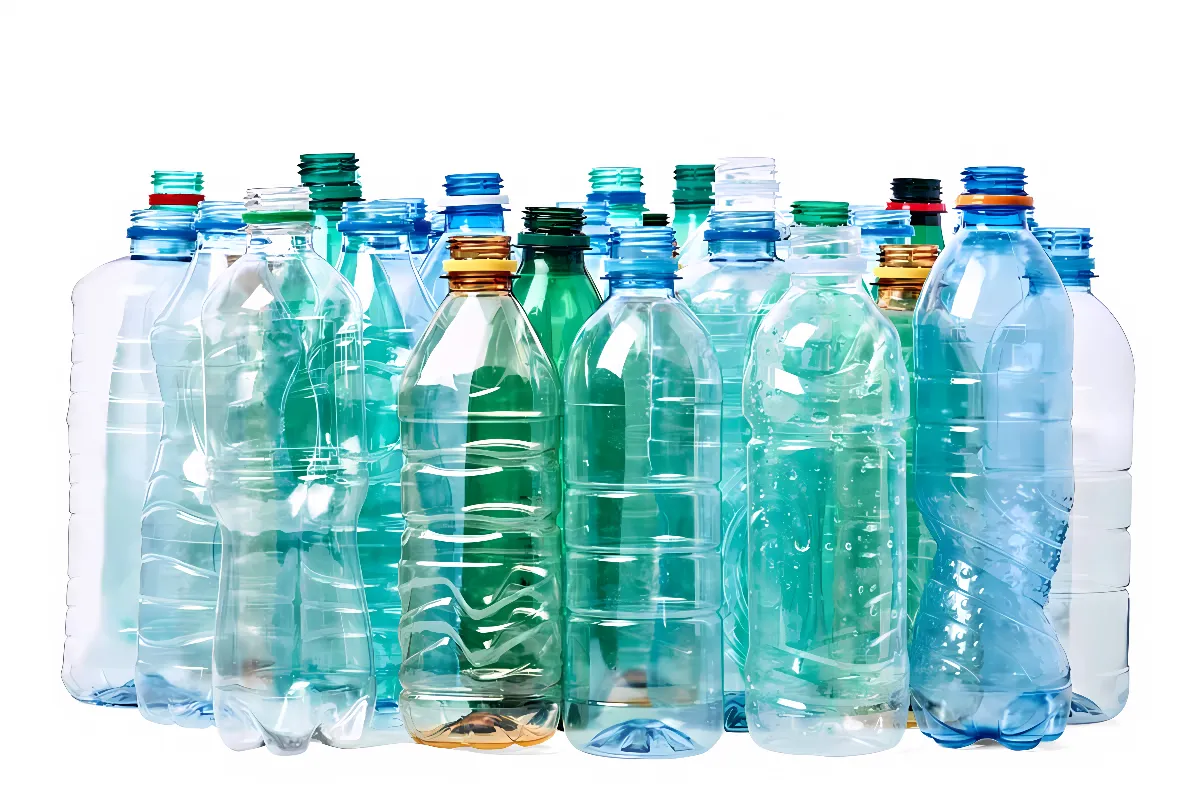
PET 병 재활용 이해
PET병 재활용이란?
페트병 재활용 모은 병을 데밸링, 정렬, 라벨 제거, 압쇠, 밀도 분리, 뜨거운 세척 및 건조를 통해 통제된 2차 원료로 전환합니다. 선은 들어오는 밀봉품의 품질과 섬유, 시트, 밧팅 또는 병-병 적용에 필요한 사양을 기준으로 설계되어야 합니다.
적절한 재활용의 중요성
산업 운영자에게 상업적 목표는 반복 가능한 플레이트 품질입니다. 폴리머 순도, 색상, 내부 점도, 습도, PVC, 포리렌, 라벨, 접착제 및 금속 모두 구매자 수용성과 판매 가격에 영향을 미칩니다.
PET 병 수집
노변 재활용
PET 재활용의 첫 번째 중요한 단계는 병 수거입니다. 이 수거의 상당 부분은 트럭이 집에서 재활용 통을 수거하는 노상 재활용 프로그램이나 지역 재활용 센터에 수거하는 방식으로 이루어집니다.
재활용 센터 투하
노변 수거 프로그램(일명 "단일 스트림" 재활용)에서는 모든 재활용품을 단일 통에 넣고 분류를 위해 재료 회수 시설(MRF)로 운반합니다. 이 혼합 스트림에는 유리, 알루미늄 캔, 플라스틱 병, 종이/골판지와 같은 품목이 포함되며, 이는 수동 및 기계로 분류됩니다.
분류 및 재활용 준비
After sorting at a materials recovery facility, PET bottles are commonly compacted into bales and delivered to a washing plant. Bale inspection should record color mix, moisture, PVC bottles and sleeves, metals, glass, labels, caps and non-PET containers before the material enters the line.
PET 병 세척 및 재활용 프로세스
1단계: 탈지 및 분류
PET 병이 재활용 공장에 도착하면 일반적으로 색상별로 이미 분류된 크고 압축된 베일에 담겨 있습니다. PET 병 세척 공장의 목표는 이러한 병을 철저히 세척하여 재사용할 수 있도록 하는 동시에 PET 플라스틱으로 만들어지지 않은 라벨 및 캡과 같은 오염 물질을 제거하는 것입니다.
재활용 과정은 이 큰 베일을 분해하는 탈포기로 시작하여 병이 컨베이어 벨트로 자유롭게 흐르게 하고, 컨베이어 벨트는 유리, 금속, 종이와 같은 작은 오염 물질을 제거하는 큰 회전 터널인 트롬멜로 이어집니다. 트롬멜을 통과한 후 병은 수동 분류로 이동하며, 작업자는 남아 있는 PET가 아닌 품목을 제거합니다.
2단계: 세척 및 오염 물질 제거
다음 단계는 과립화기를 사용하여 PET 병을 "PET 플레이크"라고 알려진 작은 조각으로 자르는 것입니다. 이 플레이크가 잘리면서 물을 뿌려 세척 과정을 시작합니다. 그런 다음 플레이크는 공기 분류기를 거치는데, 여기서 플라스틱 필름 라벨과 같은 가벼운 소재와 더 무거운 PET 플라스틱을 분리합니다. 그런 다음 플레이크는 플로트/싱크 분리 탱크로 들어가는데, 여기서 PET 플레이크는 가라앉고 폴리프로필렌이나 폴리에틸렌으로 만든 캡은 떠서 쉽게 분리할 수 있습니다.
열수 세척은 제어된 온도, 주재 시간 및 화학물질을 이용해 접착제, 기름 및 유기물 잔여물을 제거합니다. 마찰 세척과 단계별 세척은 이동된 오염물질을 제거합니다. 결과는 구매자의 플레이트 규격에 따라 테스트해야 하며, 단순히 '완벽하게 깨끗하다'고 일반적으로 묘사해서는 안 됩니다.
3단계: PET 플레이크 건조 및 준비
기계적 배수는 자유수를 제거한 후 필요시 제어 열 건조를 진행합니다. 최종 수분은 하류 구매자 또는 압출 기술 사양에 따라 측정해야 하며, 허용 가능한 한도는 플레이크가 판매될 것인지, 결정질화될 것인지, 고체 상태 처리될 것인지, 혹은 직접 녹일 것인지에 따라 달라집니다.
재활용된 PET 병은 어떻게 되나요?
PET 플레이크부터 신제품까지
이제 깨끗한 PET 플레이크가 있으므로 다양한 신제품으로 변형할 수 있습니다. 이러한 플레이크의 가장 일반적인 용도는 의류, 카펫 및 기타 직물로 짜여지는 폴리에스터 스테이플 섬유 생산입니다.
재활용 PET(RPET)의 응용 분야
재활용된 PET는 시트, 열처리 형성 포장재, 밧팅 및 엔지니어링 합성물로 사용될 수 있습니다. 병에서 병으로의 생산은 고순도 재료와 식품 접촉이 적용되는 곳에서 승인된 정화 및 품질 보증 공정이 필요합니다. 성분은 일반적으로 주입 형성으로 사전 형태로 변환되고, 사전 형태는 그 다음에 스프링트 블로우 형성으로 병으로 형성됩니다.
PET 플레이크 품질 검사 지점
| 점검점 | 무엇을 측정할 것인가? | 왜 중요한가 |
|---|---|---|
| 들어오는 장화 | 색상 혼합, PET 용기가 아닌 제품, PVC, 금속, 유리, 습기 및 미세 입자 | 현실적인 생산량 및 정렬 요구사항을 설정합니다. |
| 표면 마크 제거 및 정리 후 | 남은 소매, 라벨, 색상 병 및 외국 고분자 | 오염물질이 granulator와 세척 회로에 들어가는 것을 방지합니다. |
| 세척 플레이크 | PVC, PP/PE, 라벨, 접착제, 오물, 색상 및 검은 점액 | 재료를 수용할 수 있는 최종 시장을 결정합니다. |
| 건조 플레이크 | 수분량과 부피 밀도 | 저장, 운송 및 안정적인 하류 처리에 영향을 미칩니다. |
| 마지막 묶음 | 구매자별 순도, 내재 점도 및 음식 접촉 요구 사항은 적용 시 | 자재가 지정된 적용에 릴리스될 수 있음을 확인합니다. |
기계적 PET 재활용 대비 화학적 PET 재활용
기계적 재활용 — the process described above — washes, separates, and re-melts PET without changing the polymer. It is the workhorse of the industry: lower cost, proven at scale, and sufficient for fiber, sheet, and most packaging uses. Its limit is contamination and gradual viscosity loss over repeated cycles.
화학적 재활용 PET를 단량체 또는 다른 화학 중간체로 전환하여 재중합합니다. 공급 준비, 허용되는 색상 및 오염 제한은 선택된 기술에 따라 달라지며, 식품 접촉 상태는 공정 특정 승인이 필요합니다. 매우 오염된 PET 흐름 모든 것이 적합하다고 가정해서는 안 됩니다.
두 경로 모두 정렬 및 피드 준비가 필요하지만, 필요한 전면부는 기술 특이적입니다. 전통적인 기계적 재활용에는 라벨 제거, 압쇄, 뜨거운 세척, 침강-부유 분리 및 건조는 플레이트가 예정된 시장에 맞는지 여부를 결정합니다. 재생 폴리에스터 섬유.
PET 재활용 라인 FAQ
정보가 무엇이 필요한지 PET 병 세척 라인의 규모를 결정하기 위해?
평균 및 피크 kg/h, 장비 조성, 병 용색, 오염, 습도, 운영 시간 및 필요한 플레이트 규격을 제공하십시오. 대표 장비 테스트는 단순히 공칭 용량으로만 선택하는 것보다 더 신뢰성이 높습니다.
왜 PET 재활용에서 열수 세척이 사용되나요?
제어된 뜨거운 씻기는 접착제, 기름, 유기적인 잔여물을 제거하는 데 도움이 됩니다. 온도, 머무는 시간, 화학물질은 원료, 출력 요구사항, 장비 재료, 하수도 시스템에 대해 검증되어야 합니다.
PVC 오염이 PET 품질 위험을 왜 심각하게 만드는가요?
PVC는 PET 가공 온도에서 손상되어 변색, 검은 점, 변형 및 부식성 부산물을 유발할 수 있습니다. 공장은 병 및 플레이트 정렬, 라벨 제거 및 반복적인 품질 관리를 사용하여 위험을 줄입니다.
씻긴 PET 파이프는 새 병에 직접 사용될 수 있나요?
자동적으로는 아니요. 병에서 병으로 사용 및 식품 접촉 응용 프로그램은 고순도 원료와 해당 시장에 대한 승인된 제거, 추적성, 품질 보증 과정이 필요합니다.
다섯 가지 높은 가치 시장 PET 재활용
재활용된 PET의 가치는 색상, 내재 점도, PVC 및 포리렌의 오염, 습도, 라벨 및 접착제 잔여물, 그리고 과정이 목적 사용에 적합한지 여부에 따라 달라집니다. 이 다섯 가지 시장은 최종 적용이 플레이트 또는 펠릿 사양을 어떻게 결정하는지를 보여줍니다.
| 적용 분야 | recyled-PET 형태 | 중요 품질 요소 |
|---|---|---|
| 폴리에스터 단섬유 | 세척된 플라스틱 슬라이스 또는 펠릿 | 안정적인 색상, 낮은 PVC 함량, 제어된 습도 및 일관된 용융 특성. |
| 열폼 시트 및 트레이 | 청정 플레이크 또는 압출 시트 등급 펠릿 | 명확성, 색상, 낮은 검은점 및 신뢰성 있는 필터링. |
| 병에서 병으로 | 높은 순도의 플레이크 또는 식품 접촉용 rPET 펠릿 | 매우 낮은 오염도에 적용 가능한 정화, 품질 보증 및 규제 인가. |
| 산업용 밧줄 | 펠렛이나 직접 윤활된 플레이트 | 내재 점도, 이중력 강도, 건조 및 저오염. |
| 혼합물 및 성형 제품 | 피말, 때로 강화되거나 혼합됩니다 | 제어된 점도, 첨가제, 습기 및 응용 특정 기계적 성능. |
시장을 선택한 후에 라인 설계를 진행하십시오. 섬유 구매자는 병용품 생산자와 다른 색상 또는 점도 범위를 수용할 수 있지만, 식품 접촉 용도는 추가적인 공정 검증 및 법적 준수가 필요합니다. 페트병 재활용 시스템 따라서 합의된 구매자 사양을 중심으로 구성되어야 하며, 단순히 명시된 톤당 시간 처리량 목표만으로는 부족합니다.
결론
성공적인 PET 재활용 프로젝트는 합의된 최종 시장 규격, 대표적인 배알 분석, 정리, 씻기, 건조, 물 처리 및 품질 검사를 균형 잡은 라인으로 시작합니다. 검토해 주세요 페트병 재활용 시스템 또는 우리의 엔지니어 팀을 보내주세요 귀하의 배알 데이터, 목표 출력 및 필요한 kg/h.
