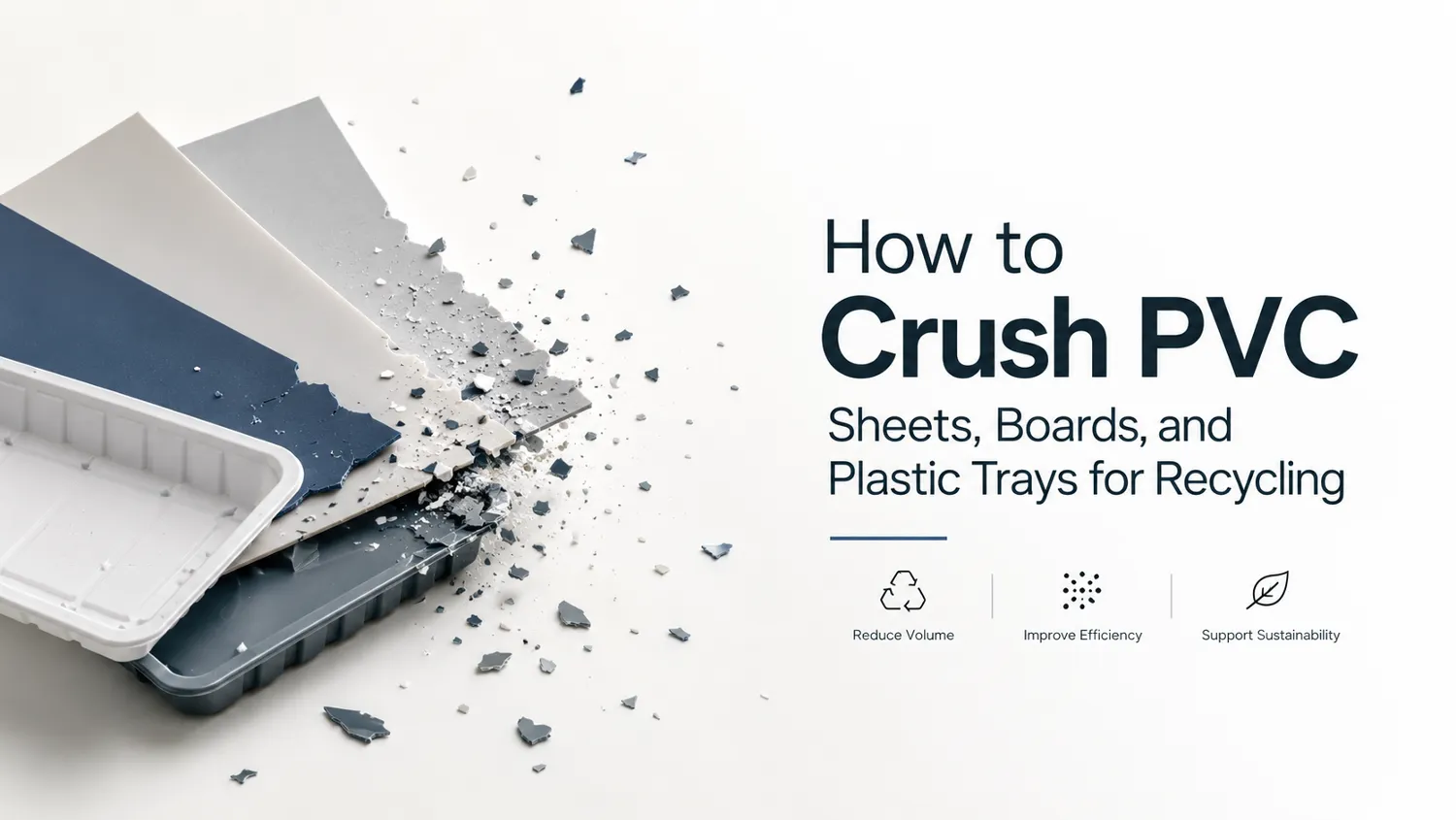
Crushing PVC sheets, rigid boards, and plastic trays is a different job from crushing bottles or pipe. Flat stock is wide, stiff, and awkward: a 1.2 m sheet will not fall through a vertical hopper, trays bridge across narrow openi...
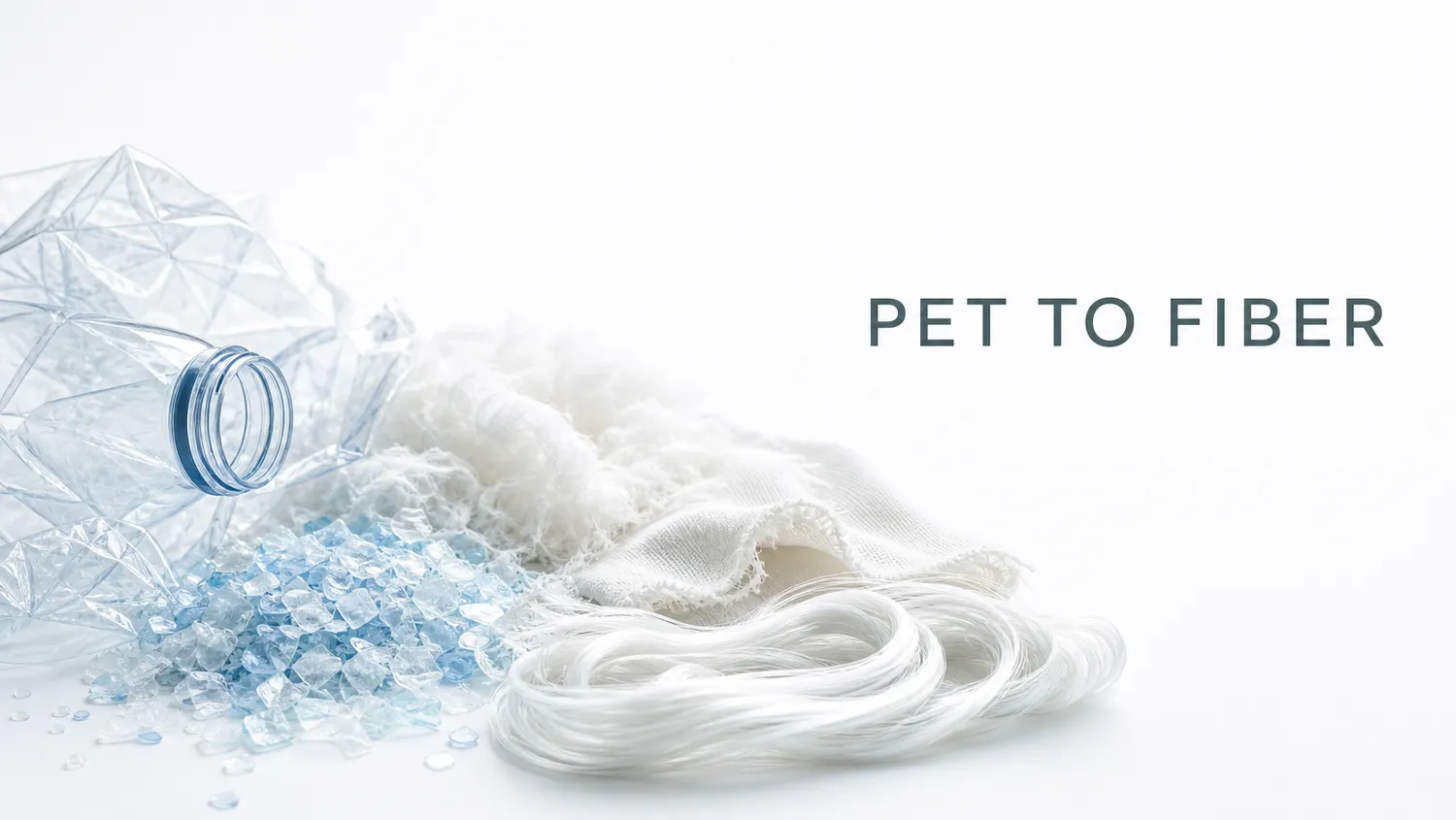
A polyester recycling machine turns PET waste — bottles or textiles — back into reusable polyester fiber or pellets. Polyester and PET are the same polymer, which is why the two biggest feedstock streams end in the same place:...
A plastic recycling washing line cost depends on much more than the number of machines in the quotation. Material type, contamination level, hourly capacity, washing stages, drying method, automation, water treatment, and installa...
A plastic recycling machine RFQ helps suppliers quote the right equipment instead of guessing from a few photos and a target price. If the RFQ misses feedstock details, output specs, utilities, or trial-run conditions, buyers ofte...
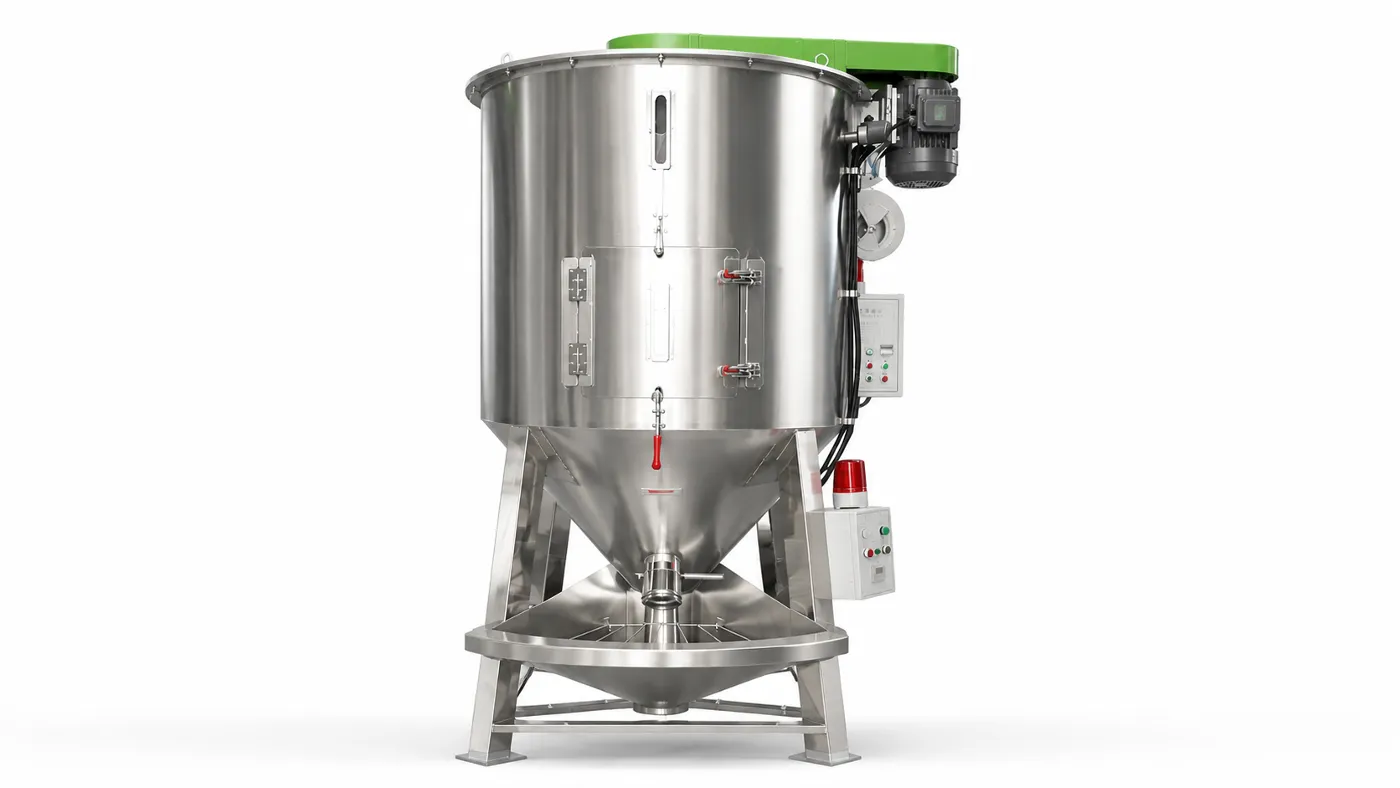
Choosing the right plastic mixer for industrial processing affects extrusion stability, color consistency, additive dispersion, energy use, and the life of downstream equipment. Poor mixing can create streaks, weak mechanical prop...
Small plastic recycling machine options look attractive when you want to test a material, train a team, or start with a limited budget. An industrial recycling line makes more sense when you need steady kg/h output, cleaner flakes...
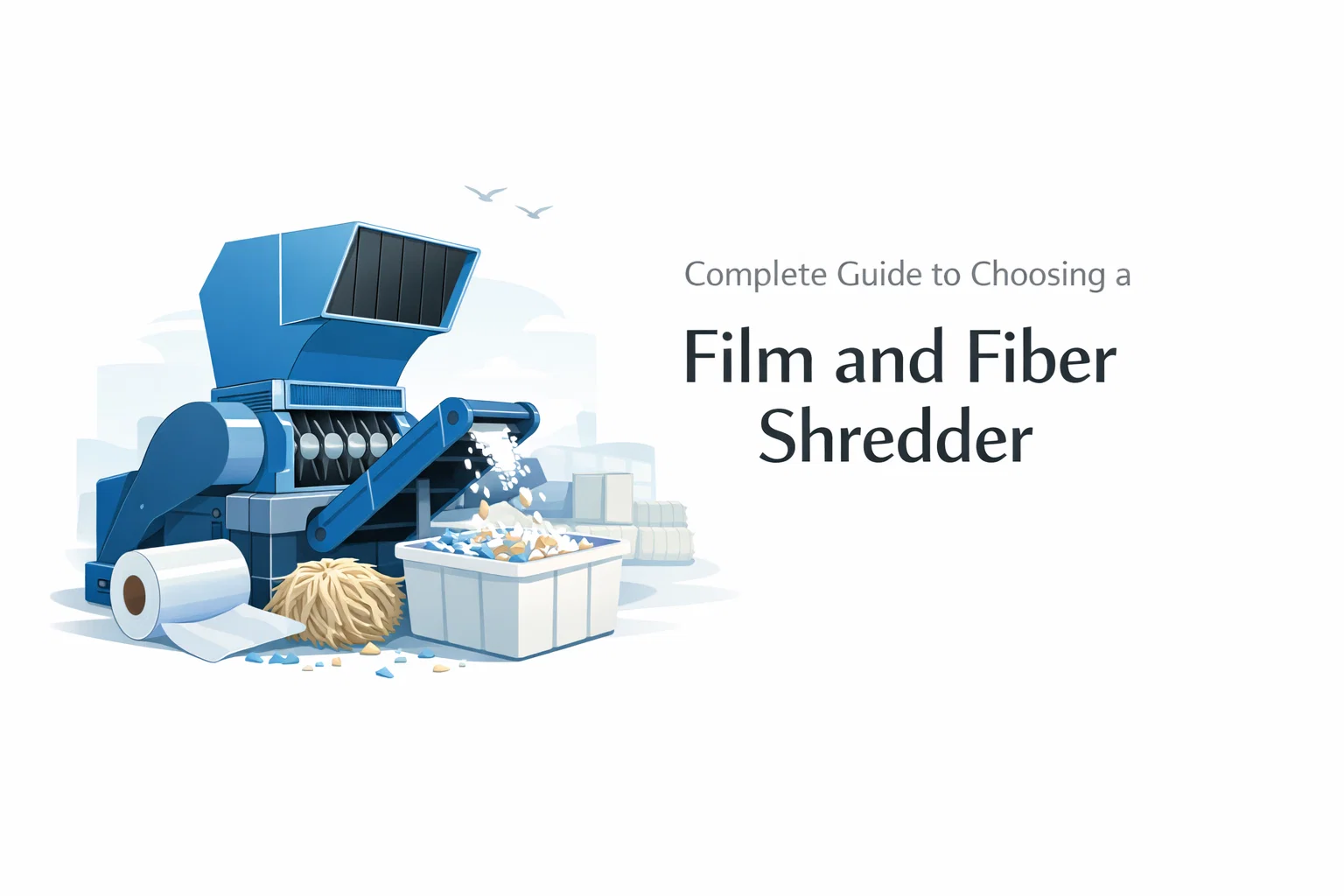
Introduction Recycling flexible plastics and industrial textiles presents one of the most notoriously difficult challenges in the waste management sector. If your facility processes these materials, you already know the operati...
PVC pipe granulator machines reduce long, bulky plastic pipes and profiles into uniform, reusable regrind. Facilities use these granulators to process in-house manufacturing scrap or post-consumer piping back into viable feedstock...
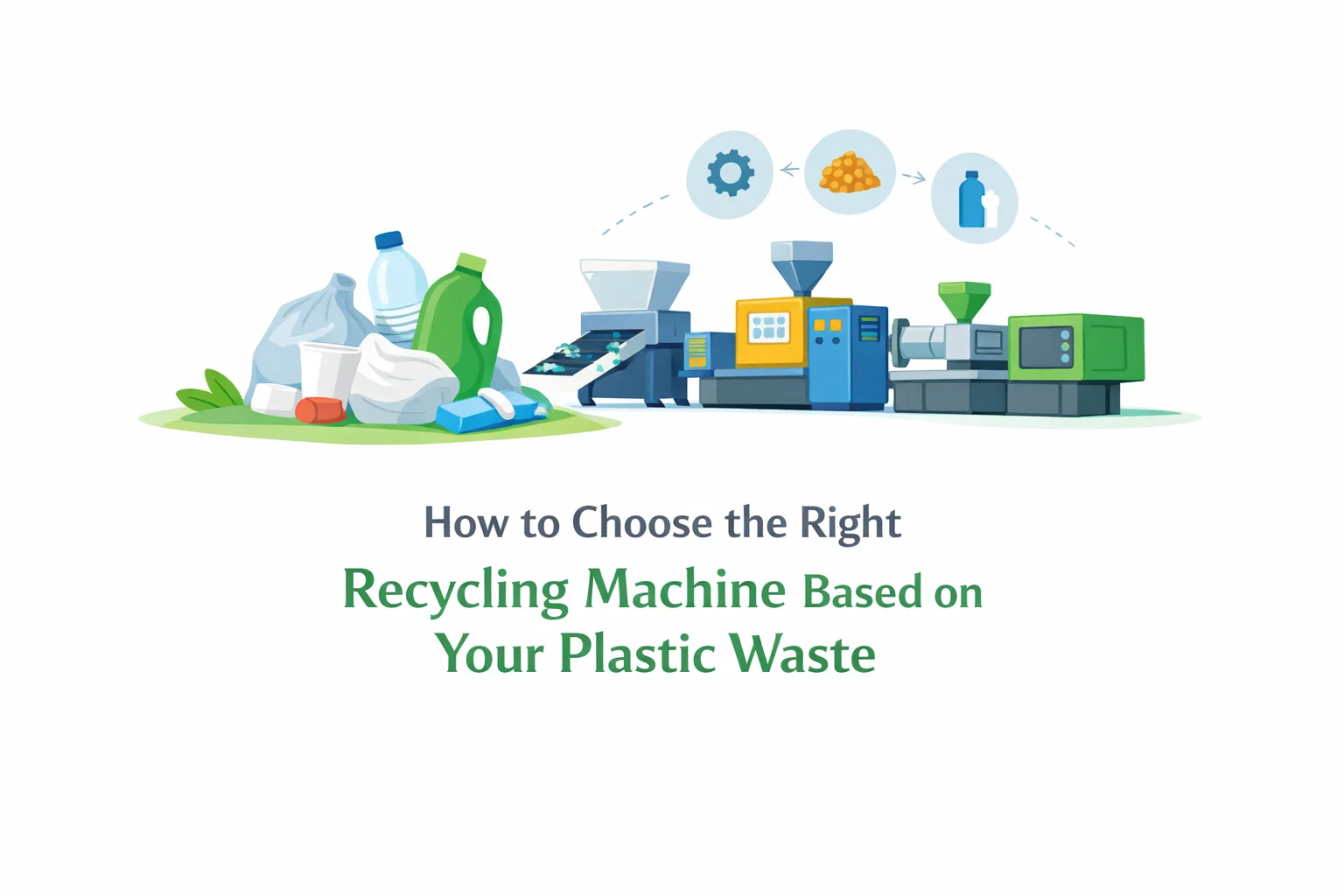
최종 업데이트: 2026년 4월 28일 | Rumtoo 기술 팀 검토 Plastic recycling machine selection starts with one practical question: what waste do you need to process every day? A machine that works well for clean PP in...
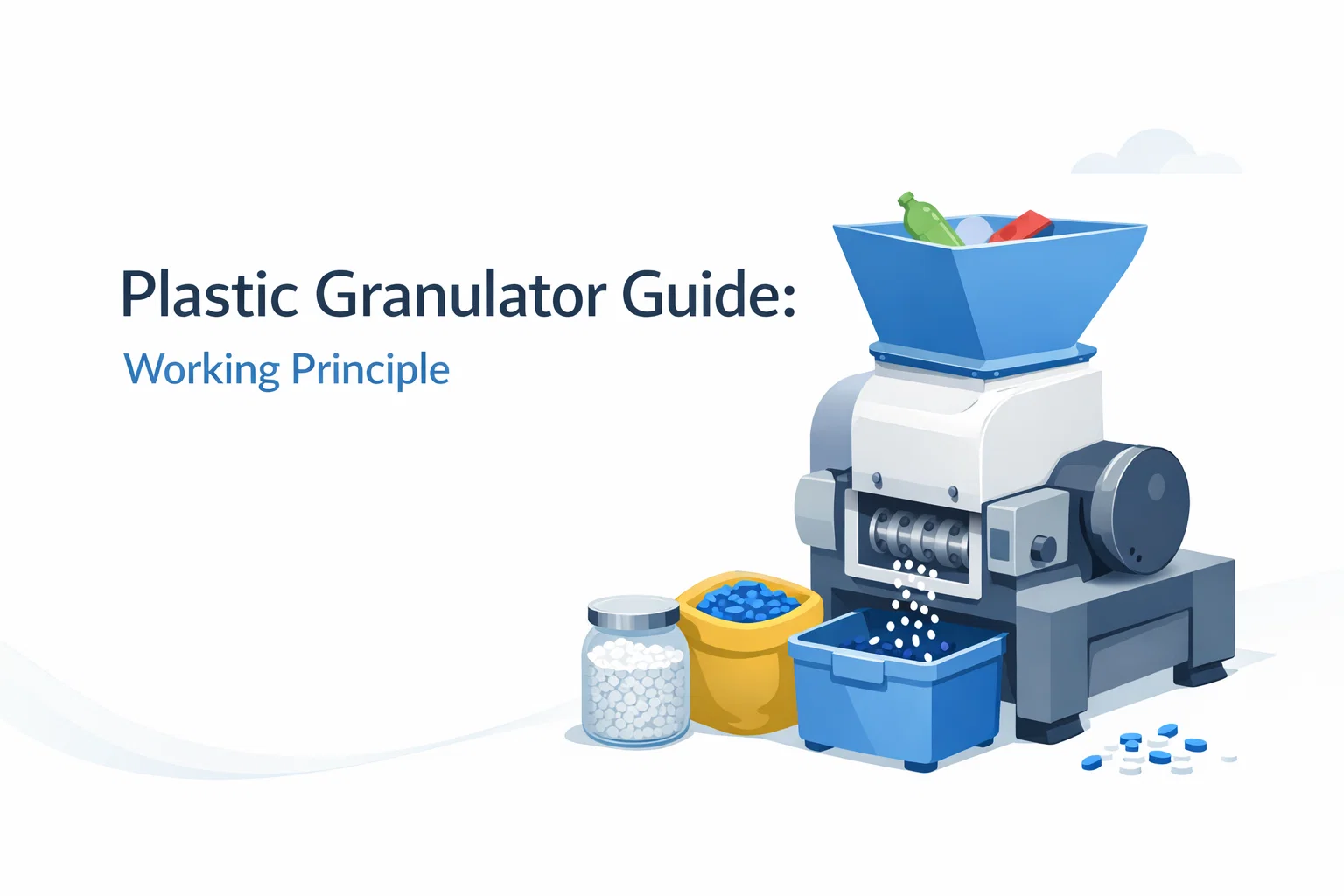
A plastic granulator is a precision machine used to turn plastic scrap into consistent regrind, typically in the 6-12 mm range. Crushers are used for rough primary reduction, while granulators are used for tighter particle control...
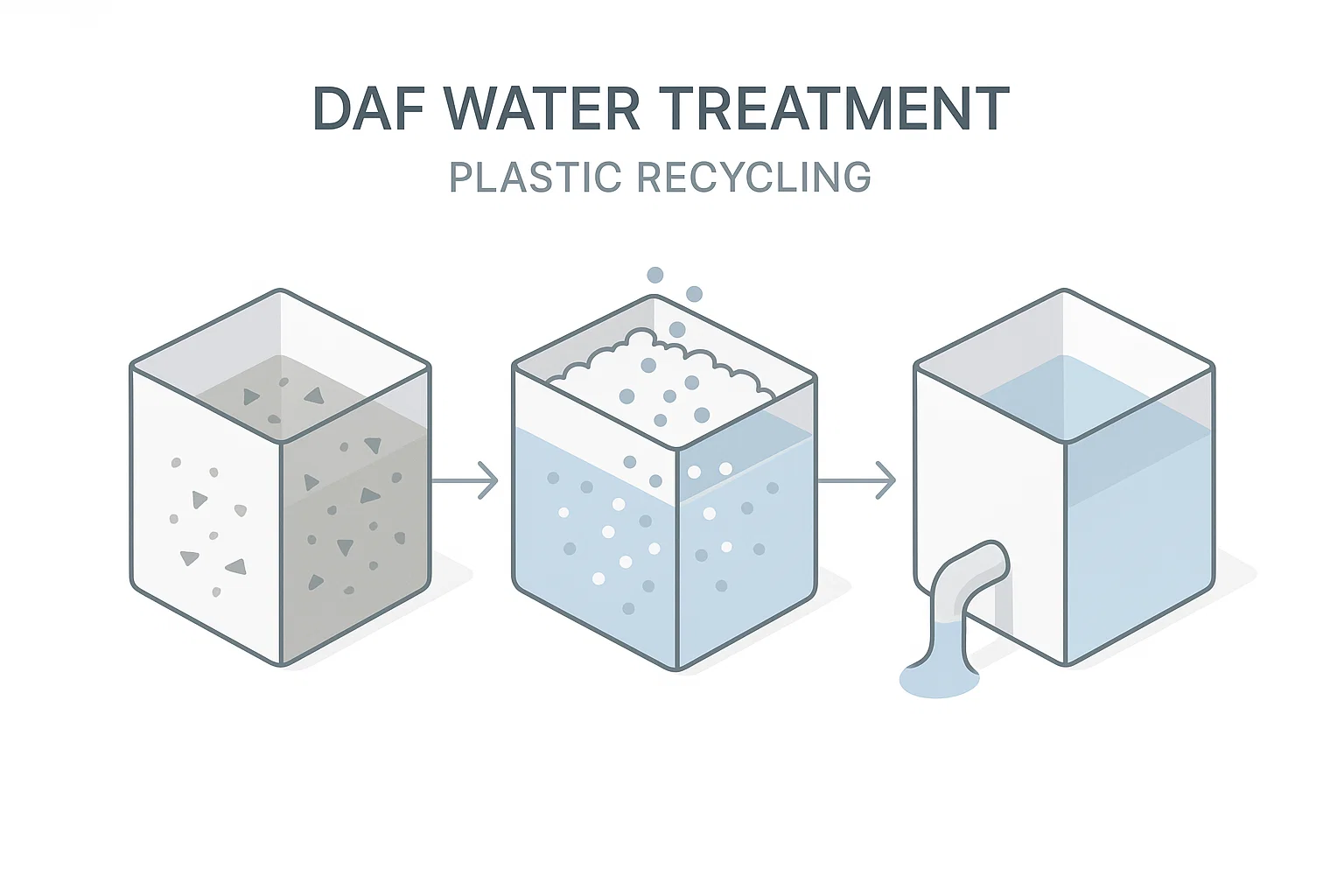
Water is the primary consumable in any washing plant. A standard 2,000 kg/h PET line consumes 4-5 tons of water per hour if not recirculated. Implementing a closed-loop water system using Dissolved Air Flotation (DAF) is a proven...
The Centrifugal Dryer is a critical component in any plastic washing line, responsible for reducing moisture content to levels suitable for extrusion (typically <3%). Operating at high speeds (often 1200+ RPM), these machines f...
Plastic recycling plant design should begin with a mass balance and material-flow drawing, not a list of machine nameplate capacities. The line’s saleable output is limited by its slowest stable process, feed variation, downtime...
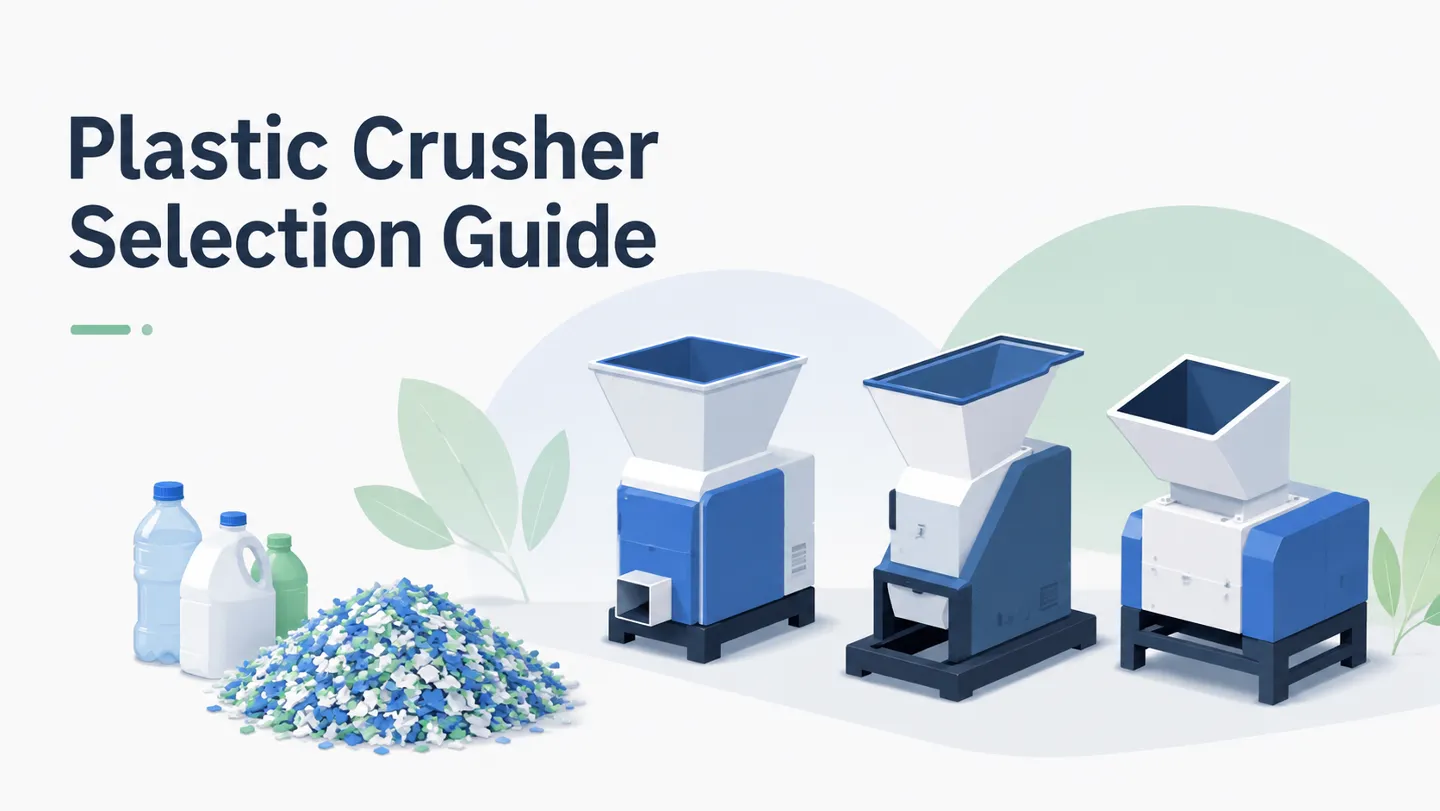
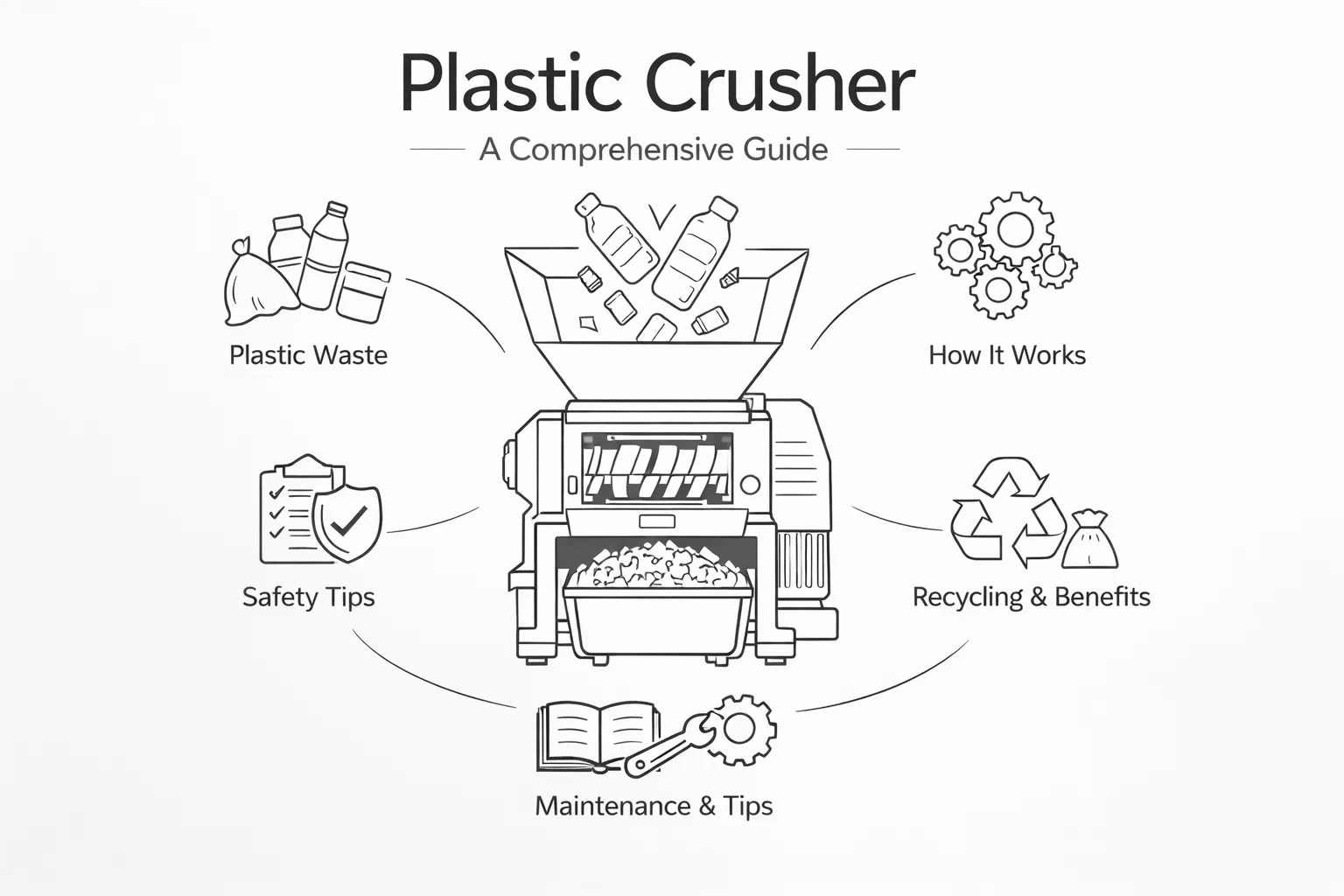
Plastic crushers—often called granulators in international markets—are essential machines in recycling operations, converting bulky plastic waste into uniform flakes ready for washing and pelletizing.[1] For plant managers and...
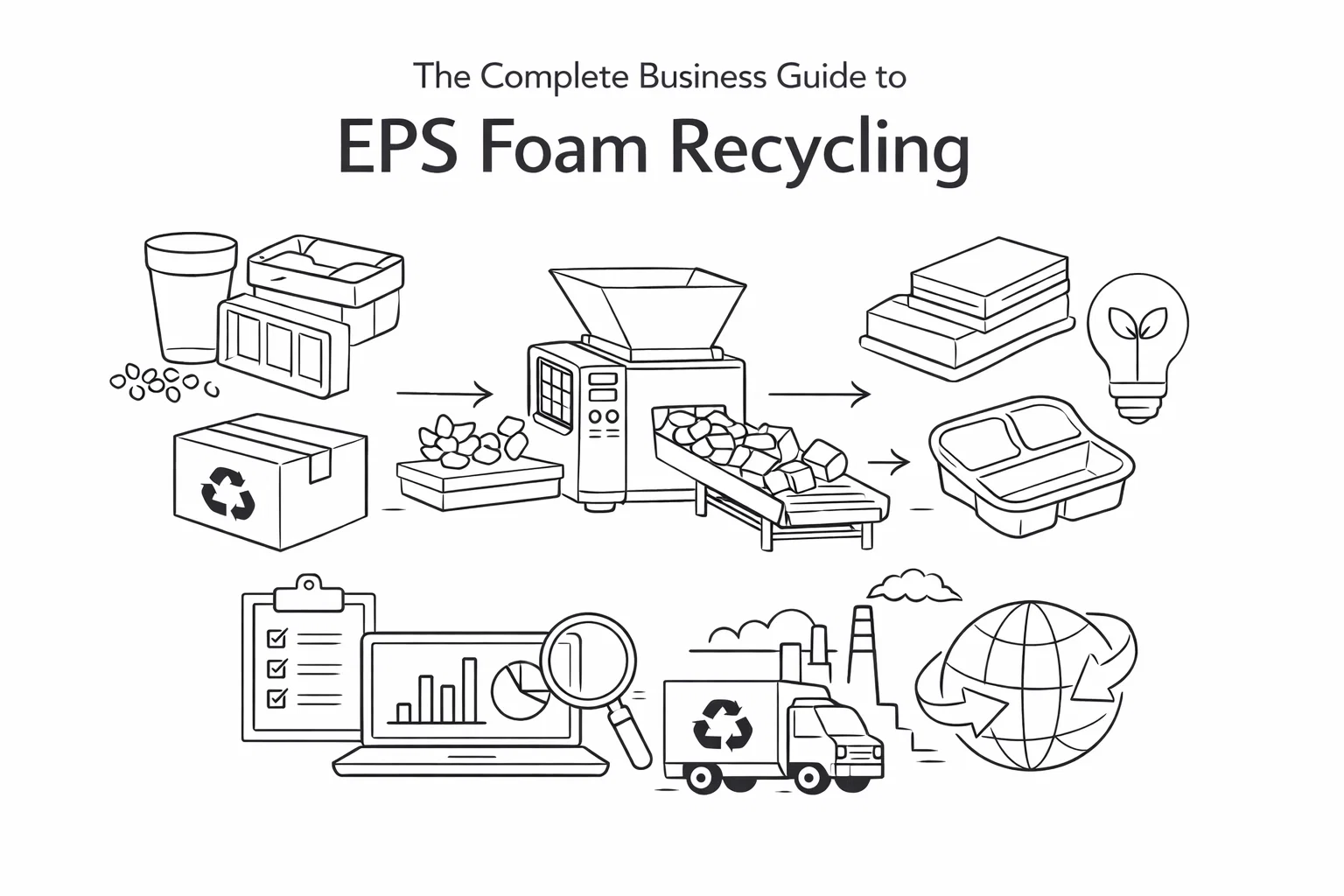
EPS foam recycling transforms bulky packaging waste into profitable recycled material. Businesses generating consistent foam waste can cut disposal costs by 60-80% while creating new revenue streams through densified blocks that s...
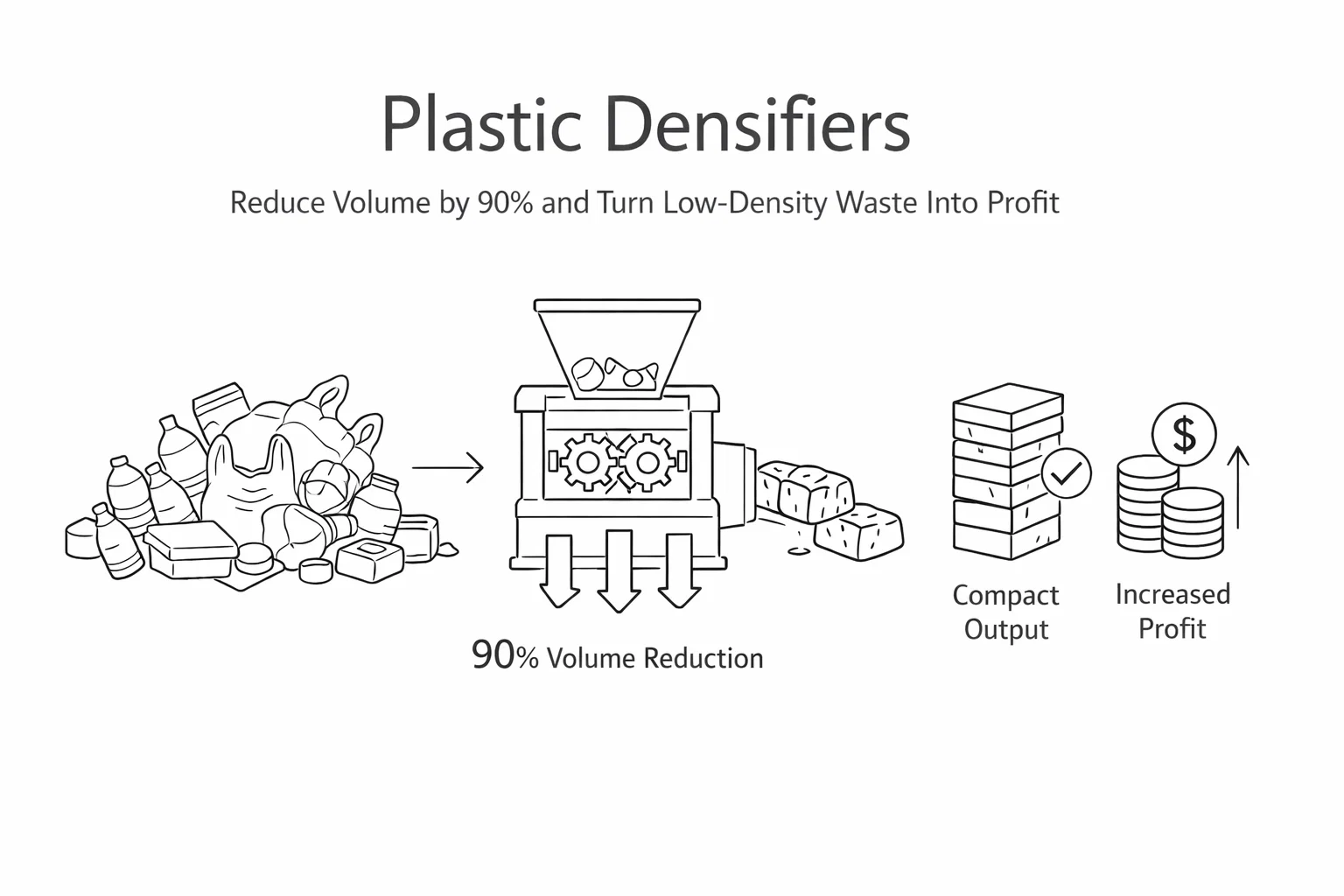
A plastic densifier machine solves one of two different problems: it reduces the shipping volume of EPS foam, or it turns loose PP/PE film into a denser feed for recycling. Those jobs need different machine designs, so the correct...