


Plastic Film Squeezing Machine | Dewatering & Densifier
Reduce washed film moisture from 10–35% down to 1–5% while densifying for stable, high-throughput extrusion. Engineered for post-consumer film, agricultural film, and woven bag washing lines.
- Extracts trapped water that centrifugal dryers cannot remove
- Increases bulk density to eliminate extruder hopper bridging
- Consumes up to 50% less power than thermal hot-air drying
Applications & Compatible Materials for Film Squeezers
Engineered specifically for lightweight, high-moisture flexible plastics that trap water and resist conventional centrifugal dewatering.
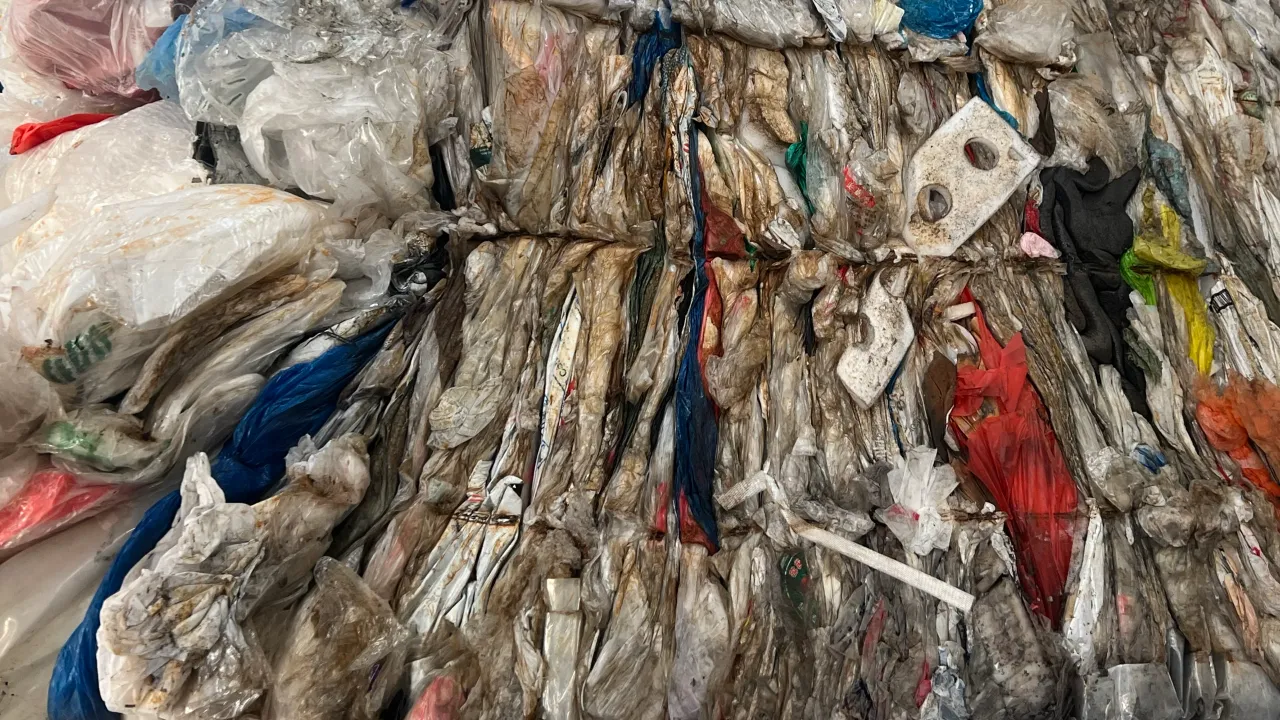
PE / LDPE Agricultural & Mulch Film
Effectively dewaters highly flexible agricultural film, greenhouse film, and silage wraps after washing, stripping trapped surface water down to 1–5%.
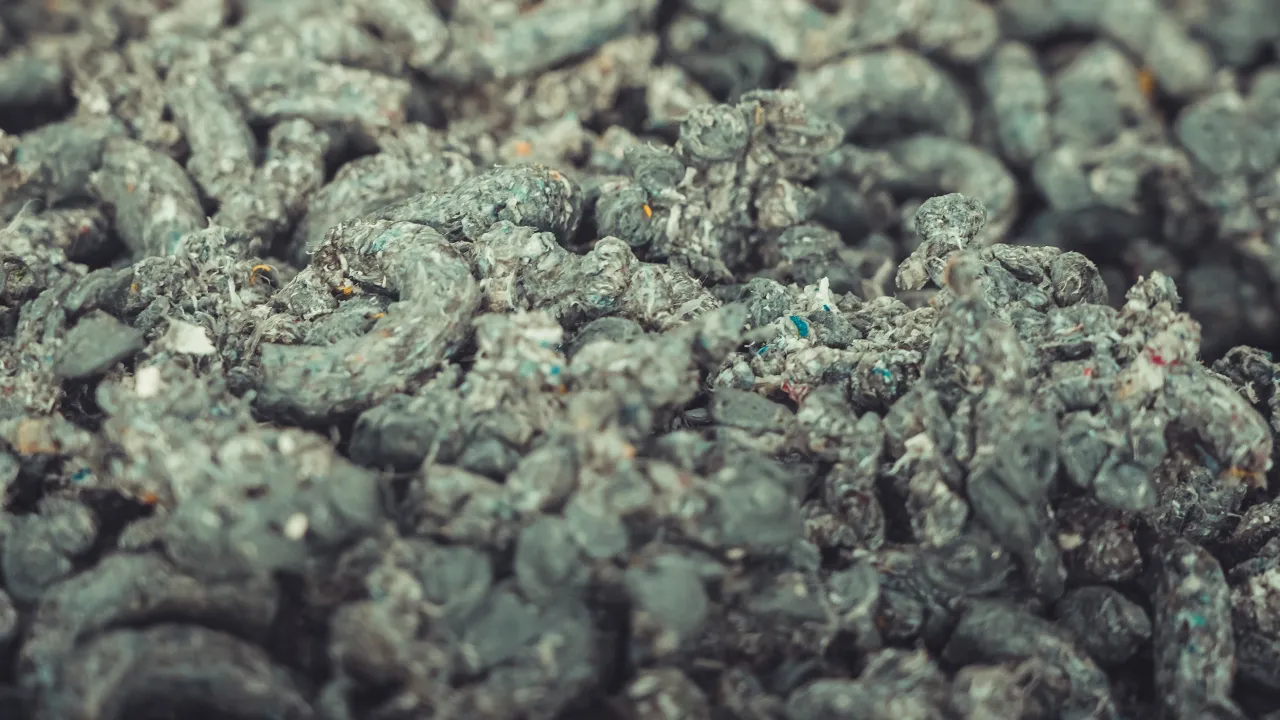
PP Woven Bags, Raffia & Jumbo Bags
Compresses bulky washed woven sacks, bulk bags (FIBC), and non-woven polypropylene waste into dense, free-flowing agglomerates ready for extrusion.
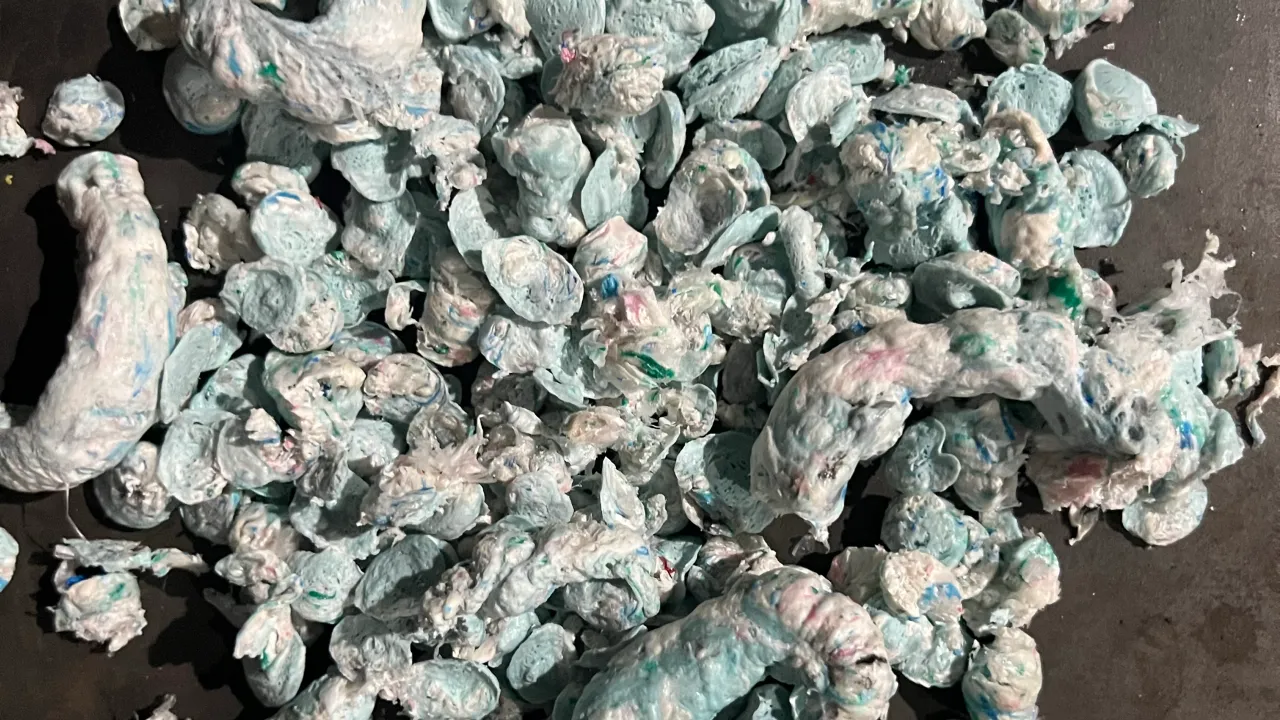
Post-Consumer Packaging & Stretch Film
Transforms lightweight shrink wraps, stretch films, and post-consumer plastic bags into high-density feedstock, eliminating extruder feed bottlenecking.
Plastic Film Squeezing & Dewatering Process
A continuous mechanical compression cycle converts wet, fluffy film into compact feedstock in five linked stages.
01. INFEED
Continuous Feeding
Washed wet films and flakes are conveyed directly from the wash line into the heavy-duty feeding hopper.
02. SQUEEZING
High-Pressure Compression
A specialized variable-pitch screw drives material forward under extreme mechanical pressure.
03. DRAINAGE
Water Separation
Water is squeezed out through 360-degree perforated barrel screens and collected in the drainage sump.
04. DENSIFICATION
Frictional Heating & Densifying
Controlled mechanical friction semi-plasticizes the dry material at the discharge die, collapsing air pockets.
05. DISCHARGE
Hydraulic Die Pellet Cutting
A rotary cutter slices the extruded dense material into uniform flakes ready for downstream pelletizing.
Key Advantages of Our Plastic Film Squeezer Dryer
Engineered for high-volume dewatering, volume reduction, and stable downstream feeding with minimal thermal degradation.
-
Efficient Moisture Reduction
Reduces moisture in washed film flakes from 10–35% down to 1–5% in a single continuous mechanical pass.
-
High-Density Feedstock
Transforms fluffy film into compact agglomerates, significantly increasing bulk density for smooth feeding.
-
Low Energy Consumption
Mechanical screw extrusion consumes 40–50% less electricity compared with thermal hot-air drying lines.
-
Minimized Heat Degradation
Physical pressing generates minimal heat history, protecting polymer intrinsic viscosity and resale value.
-
Optimized Feed for Extrusion
Uniform dryness and increased density boost downstream pelletizer output by up to 20–30%.
-
Wear-Resistant Alloy Construction
High-nitrogen 38CrMoAlA alloy screw and bimetallic barrel liners deliver extended service life.
Integration in Film Washing & Pelletizing Lines
The plastic film squeezer acts as the vital bridge connecting wet washing lines to dry pelletizing extruders, preventing hopper bridging and moisture venting issues.
Upstream Washing Connection
Receives washed wet film directly from the friction washer or sink-float tank via screw conveyor, eliminating wet storage stockpiles.
Inline Dewatering & Sizing
Squeezes water out and cuts material into dense semi-molten flakes. An optional secondary thermal pipe dryer can be added for applications requiring <0.5% moisture.
Downstream Pelletizer Feeding
Dense flakes feed continuously into plastic pelletizers without bridging, maintaining stable extruder head pressure and uniform melt flow.
Plastic Film Squeezing Machine Specifications
Standard parameters for RTMSQ series film squeezer dryers. Custom capacities and voltage configurations are available upon request.
| Model | Screw Dia. (mm) | Heating Power (kW) | Material | Main Motor Power | Screw Material | Heating Method | Output (kg/h) |
|---|---|---|---|---|---|---|---|
| RTMSQ250 | 250 | 15 | PP/PE | 90 kW | High Nitrogen Steel | Electromagnetic Heating | 200–350 |
| RTMSQ300 | 300 | 22 | PP/PE | 110–132 kW | High Nitrogen Steel | Electromagnetic Heating | 400–550 |
| RTMSQ320 | 320 | 30 | PP/PE | 160–185 kW | High Nitrogen Steel | Electromagnetic Heating | 600–750 |
| RTMSQ350 | 350 | 36 | PP/PE | 200–220 kW | High Nitrogen Steel | Electromagnetic Heating | 800–1000 |
Swipe horizontally to view the full table.
Film Squeezer in Action: Video Demonstration
Watch our plastic film squeezing machine dewater washed film, discharge dry agglomerates, and feed continuously into recycling extruders.
Frequently Asked Questions
Answers to common customer questions regarding residual moisture, film types, line placement, and power requirements.
Warranty & Global Installation Support
We stand behind our equipment with comprehensive warranty protection, professional commissioning, and lifetime service support.
-
Comprehensive Warranty
Every machine comes with a 12-month full-parts warranty covering defects in material and workmanship under normal industrial use.
-
Global Installation Support
Certified engineers can provide on-site installation, commissioning, and operator training for safe, rapid startup worldwide.
-
Lifetime Technical Service
We provide ongoing technical assistance via remote video, phone, and fast-dispatch genuine replacement spare parts.
Get a Plastic Film Squeezing Machine Quote
Tell us about your washing line capacity and material types. Our engineering team will size the optimal squeezer dryer and provide a tailored layout and quotation.