


Tire Recycling Machine
Process scrap passenger, truck, and off-road tires into crumb rubber, recovered steel, and separated textile fiber with a line configured around your feedstock and target output.
- Handles staged shredding, grinding, separation, grading, and conveying.
- Produces selectable rubber chip, granule, or powder sizes.
- Configured for capacity, floor space, power supply, and final-product needs.
Why Choose Our Tire Recycling Line?
A coordinated system configured around scrap tire feedstock, target mesh size, and plant operating conditions.
-
Controlled Size Reduction
Stages whole tires through coarse shredding, granulation, and optional fine milling to match target particle sizes.
-
Effective Cleanliness
Integrated magnetic and air-separation stages extract steel wire and nylon fiber to improve final rubber value.
-
Centralized Automation
PLC control manages feeding sequences, interlocking safety, and operating status across all line components.
-
Modular Engineering
Flexible layouts adapt to workshop dimensions, height limits, and future capacity expansions.
How a Tire Recycling Machine Works
A complete tire recycling line uses several coordinated stages. The exact sequence changes with tire size and the required rubber product.
-
01. PREP
Inspection & Preparation
Operators identify tire type, remove unsuitable foreign contamination, and prepare oversized tires for feeding.
-
02. DE-BEADING
Bead Wire Removal
Heavy bead wire can be pulled before shredding to reduce cutter wear and simplify downstream steel recovery.
-
03. SHREDDING
Primary Shredding
A high-torque shredder reduces whole tires into manageable chips for controlled secondary processing.
-
04. LIBERATION
Steel Liberation
Further size reduction frees embedded reinforcement wire from the surrounding rubber matrix.
-
05. MAGNETIC
Magnetic Separation
Cross-belt magnetic separators extract liberated steel before the rubber enters finer grinding stages.
-
06. FIBER
Fiber Separation
Airflow and cyclone equipment separate light textile fluff and nylon fibers from the heavier rubber fraction.
-
07. MILLING
Grading & Fine Milling
Screens classify crumb rubber by size, while an optional superfine mill produces ultra-fine rubber powder.
Key Machinery Components of Tire Recycling Line
The final equipment sequence depends on incoming tire size and the required rubber output.
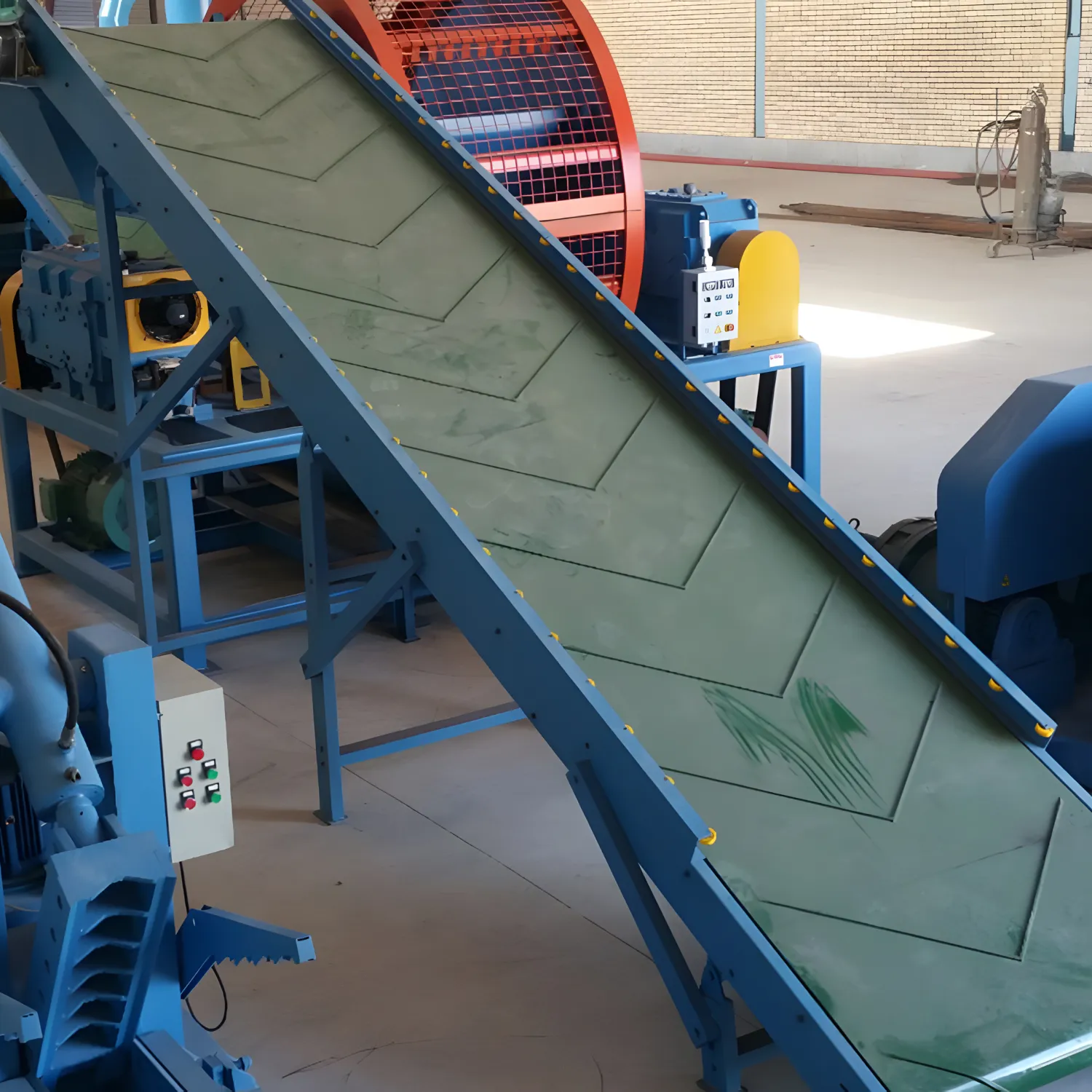
Belt Conveyor
Transfers tire pieces and rubber material between processing stages for steady line operation.
Key parts: motor, speed reducer, heavy-duty belt, rollers, and frame.
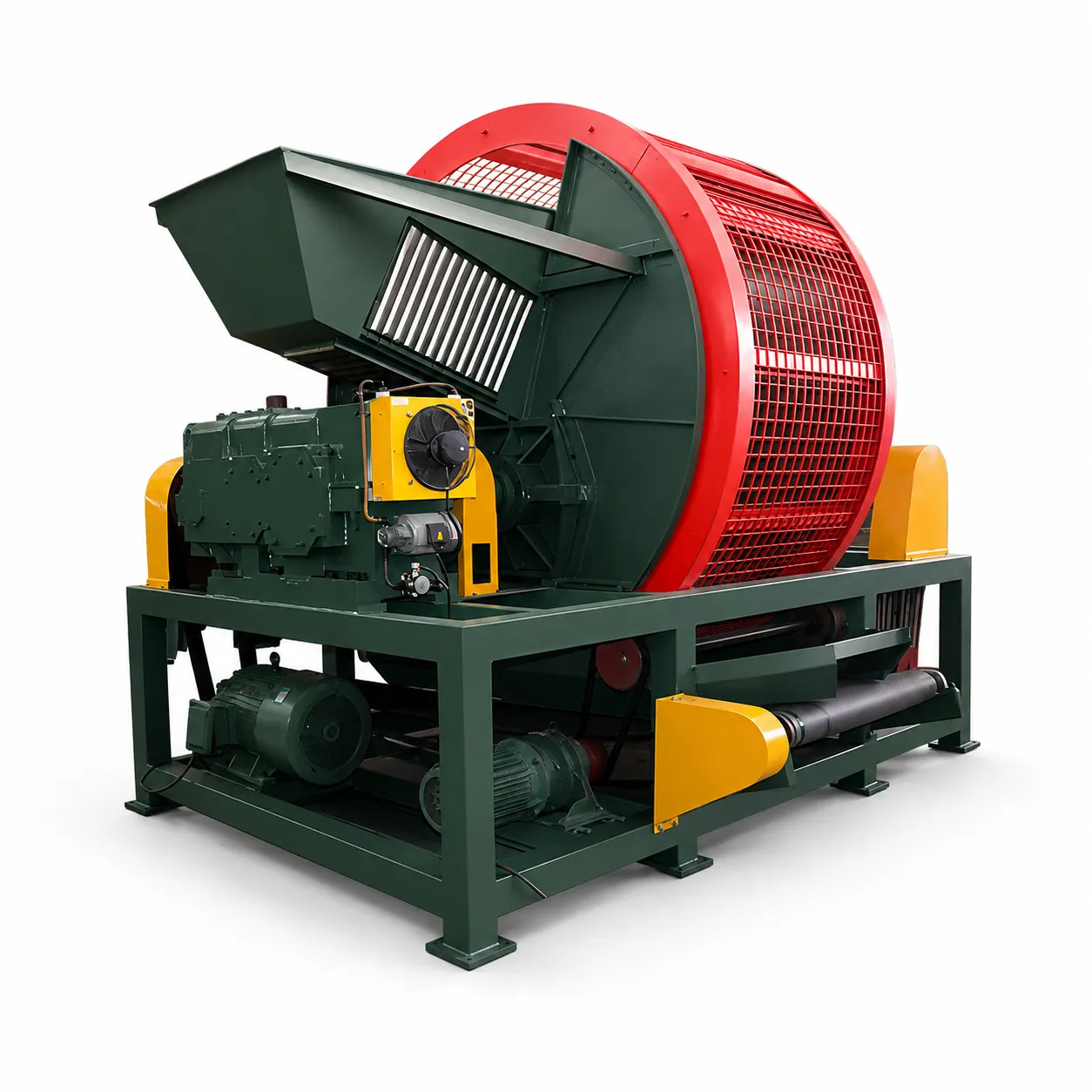
Tire Shredder
Reduces debeaded whole tires into approximately 50 x 50 mm chips before downstream grinding and separation.
Key parts: high-torque drive, shredding blades, rotary screener, and transmission.
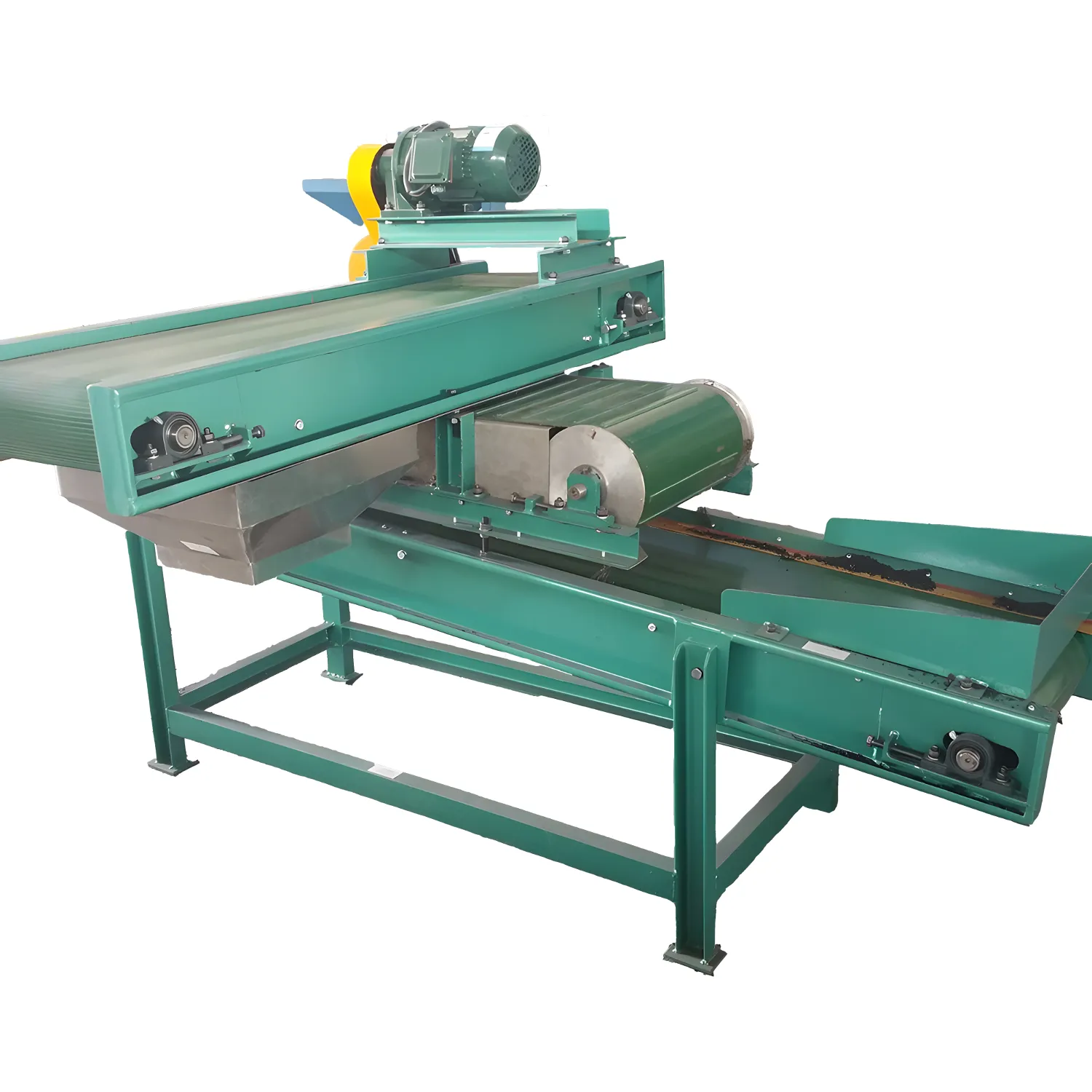
Belt Iron Separator
Extracts liberated steel wire from shredded rubber to protect downstream machinery and improve rubber purity.
Key parts: permanent magnet, motor, armored conveyor belt, and control cabinet.
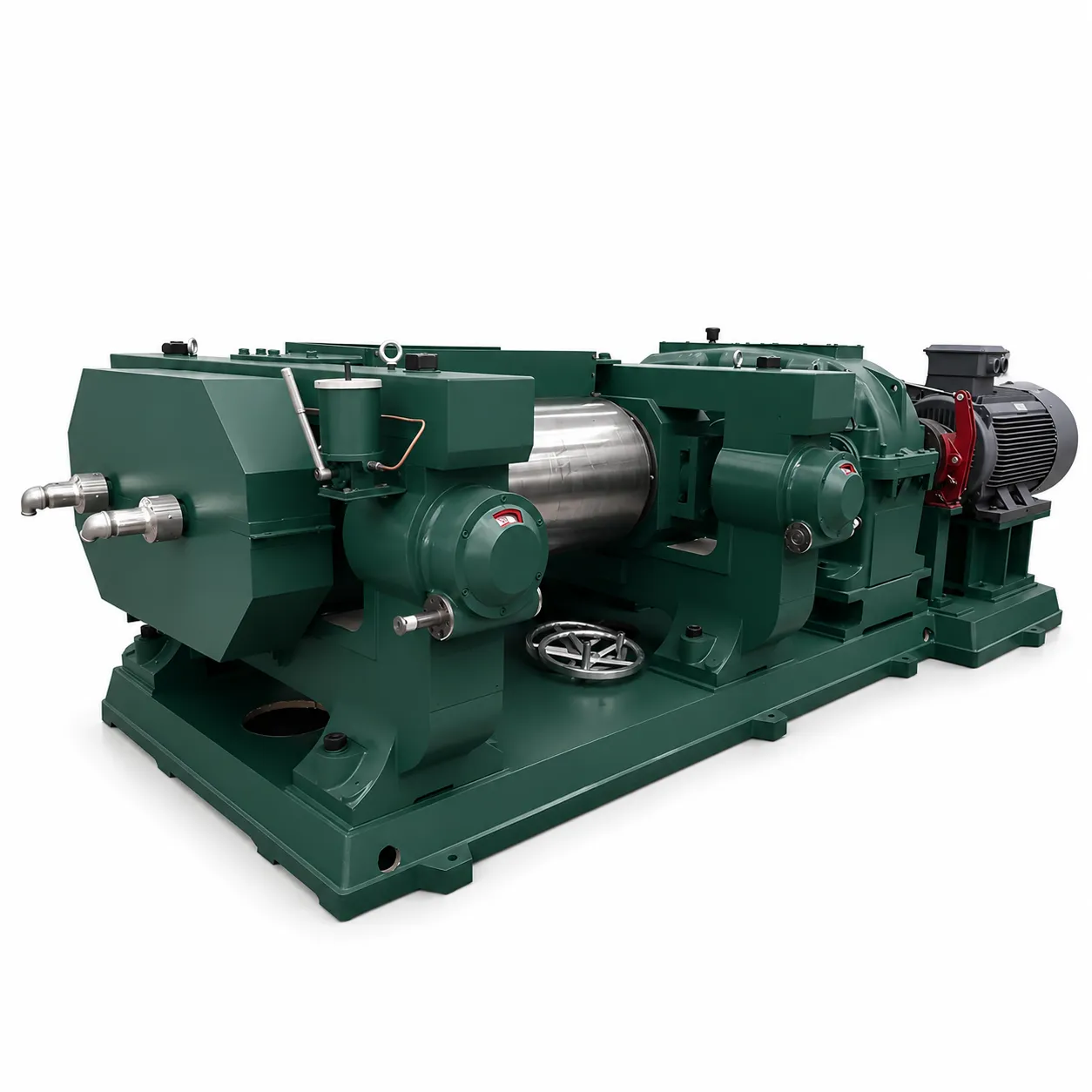
Double Roller Rubber Grinder
Uses a controlled roller-speed difference to shear rubber chips into smaller, consistent granules. Integrated water cooling supports stable continuous operation.
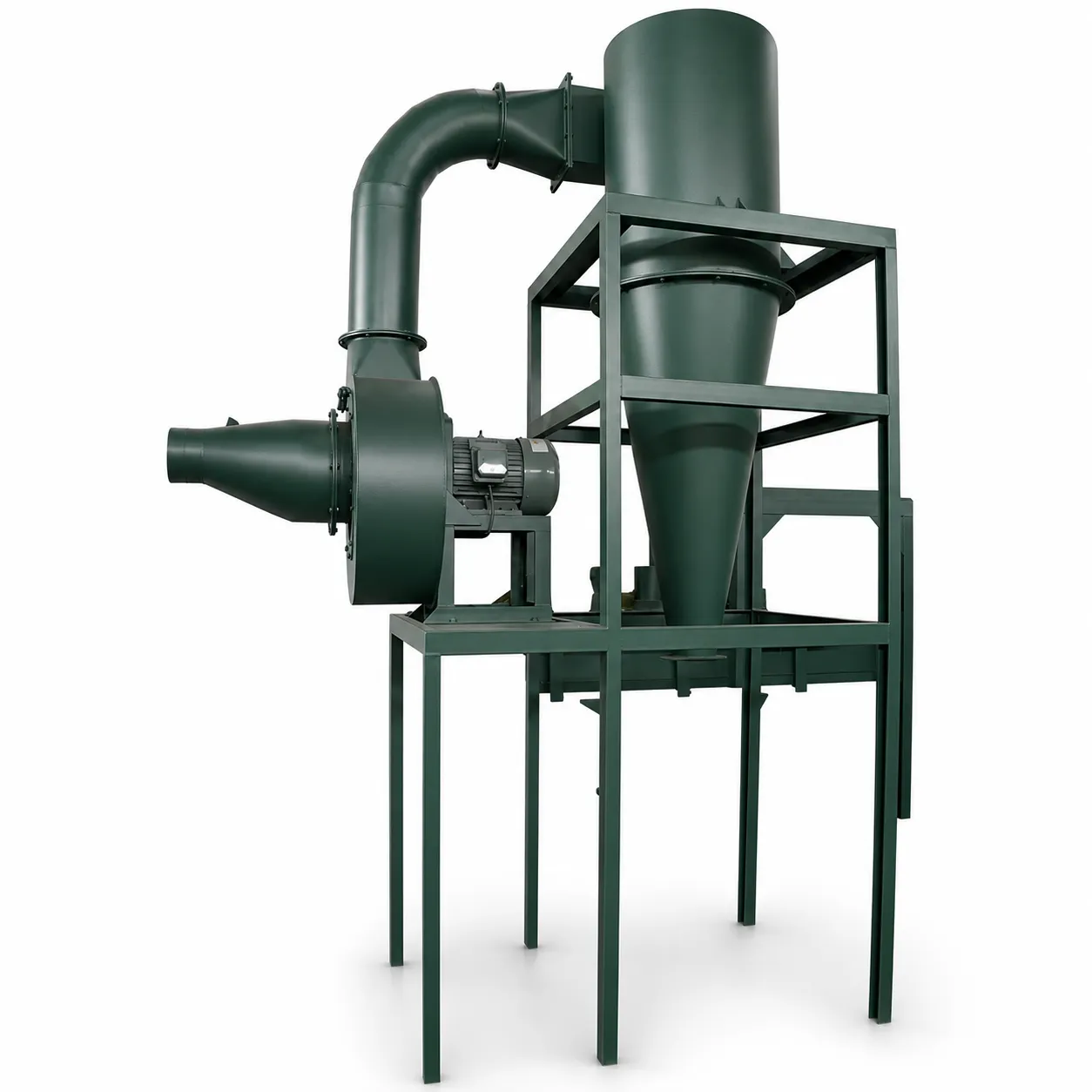
Coarse Fiber Separator
Uses airflow and cyclone separation to remove nylon and textile fiber from rubber granules.
Key parts: suction inlet, air fan, separation cyclone, and support structure.
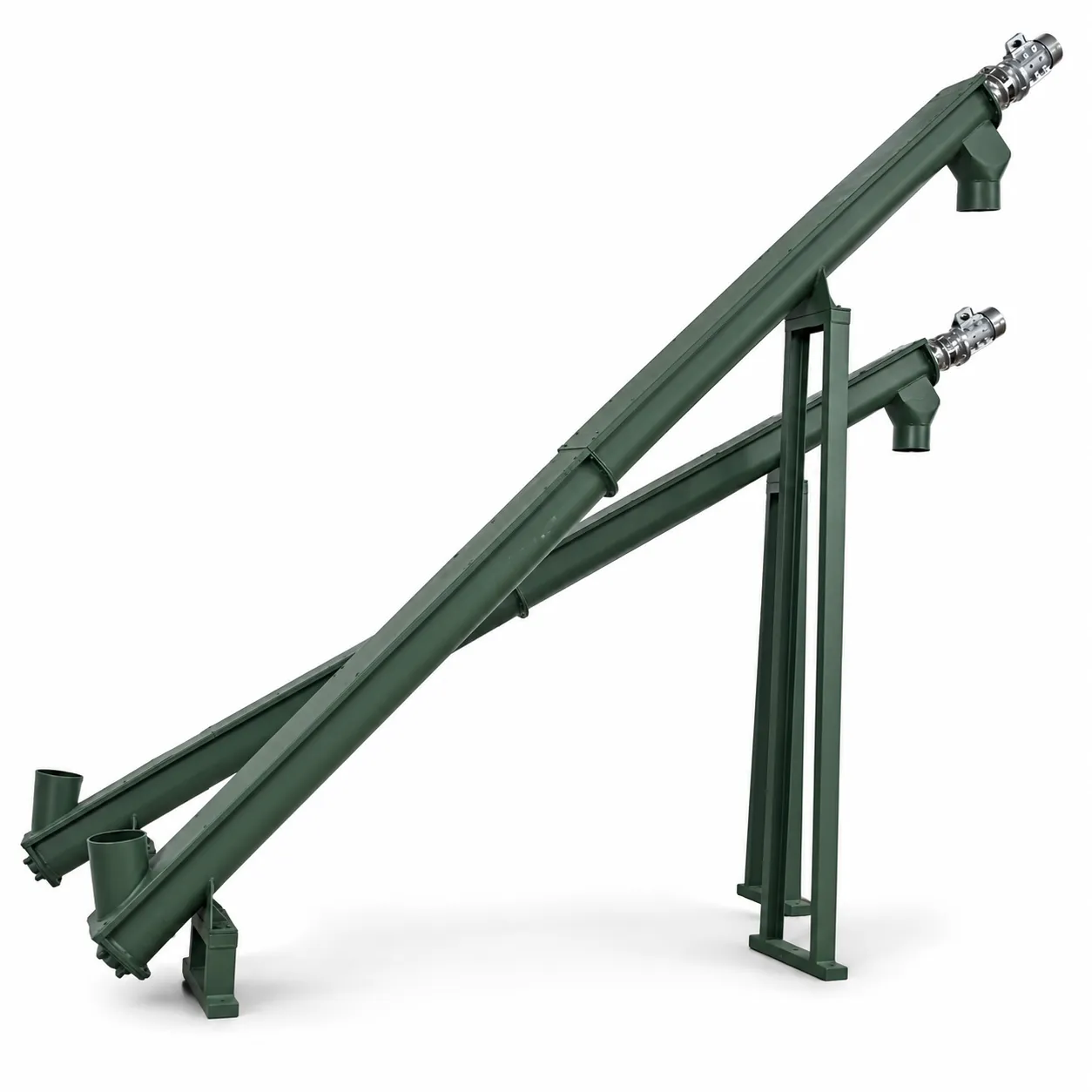
LS Screw Conveyor
Moves rubber granules and powder through an enclosed path to reduce dust and material loss.
Key parts: motor, spiral screw shaft, enclosed conveyor trough, and hopper.
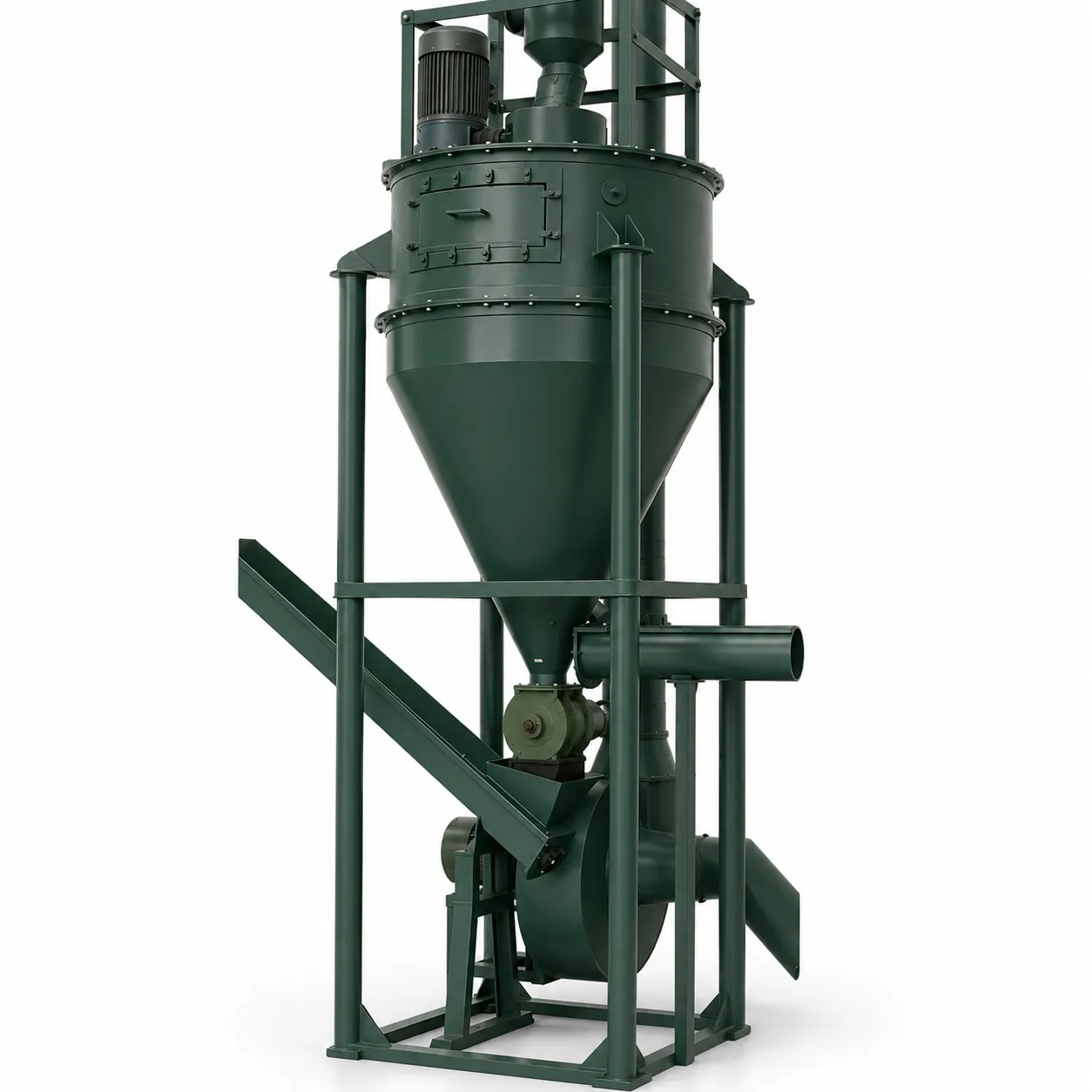
Rubber Powder Grader
Classifies rubber powder by particle size under controlled airflow and negative pressure.
Key parts: variable-frequency motor, classification rotor, impellers, and vanes.
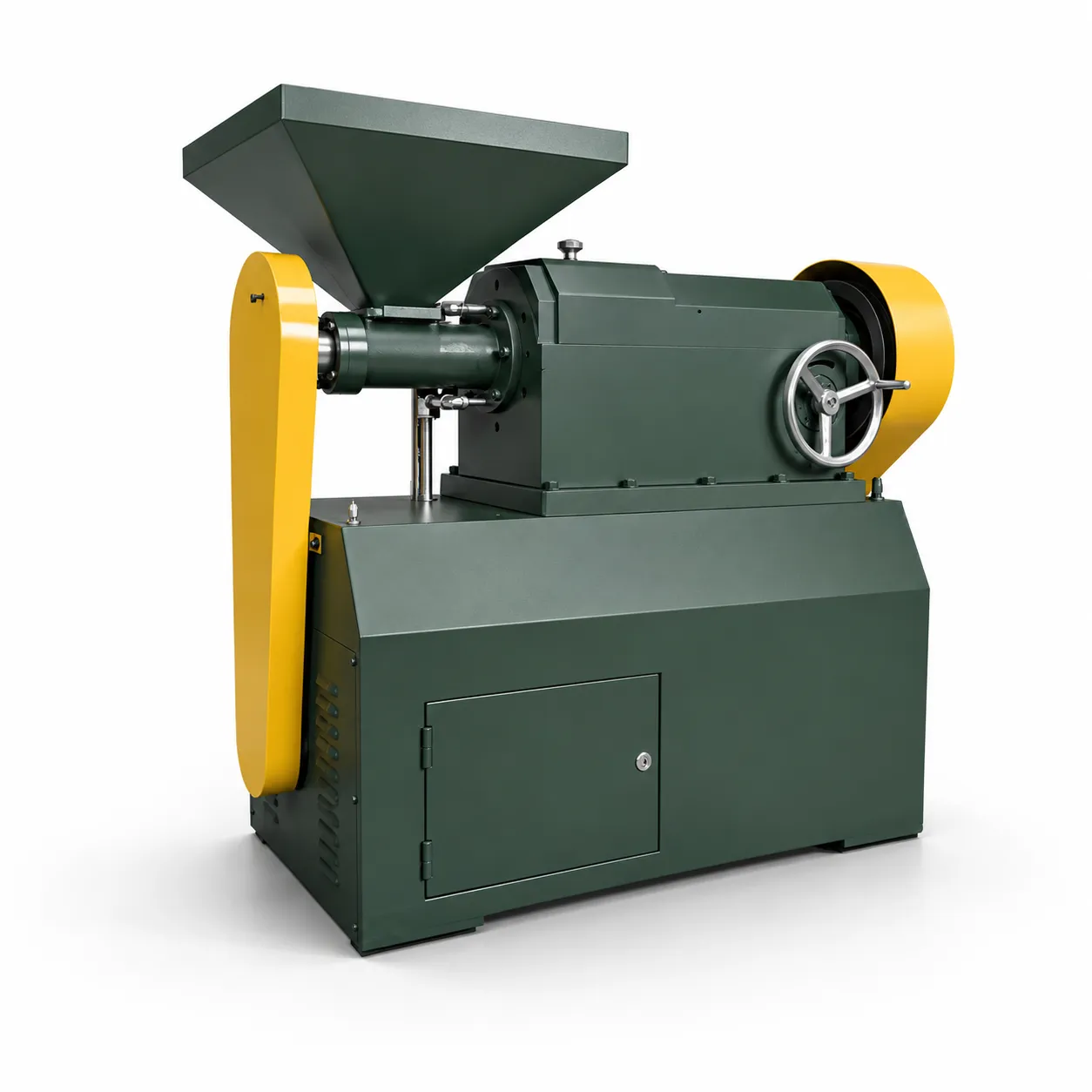
Rubber Powder Superfine Mill
Produces fine rubber powder for applications such as modified asphalt, molded products, and technical rubber compounding.
Key parts: milling chamber, dust collector, draft fan, cyclone, and cabinet.
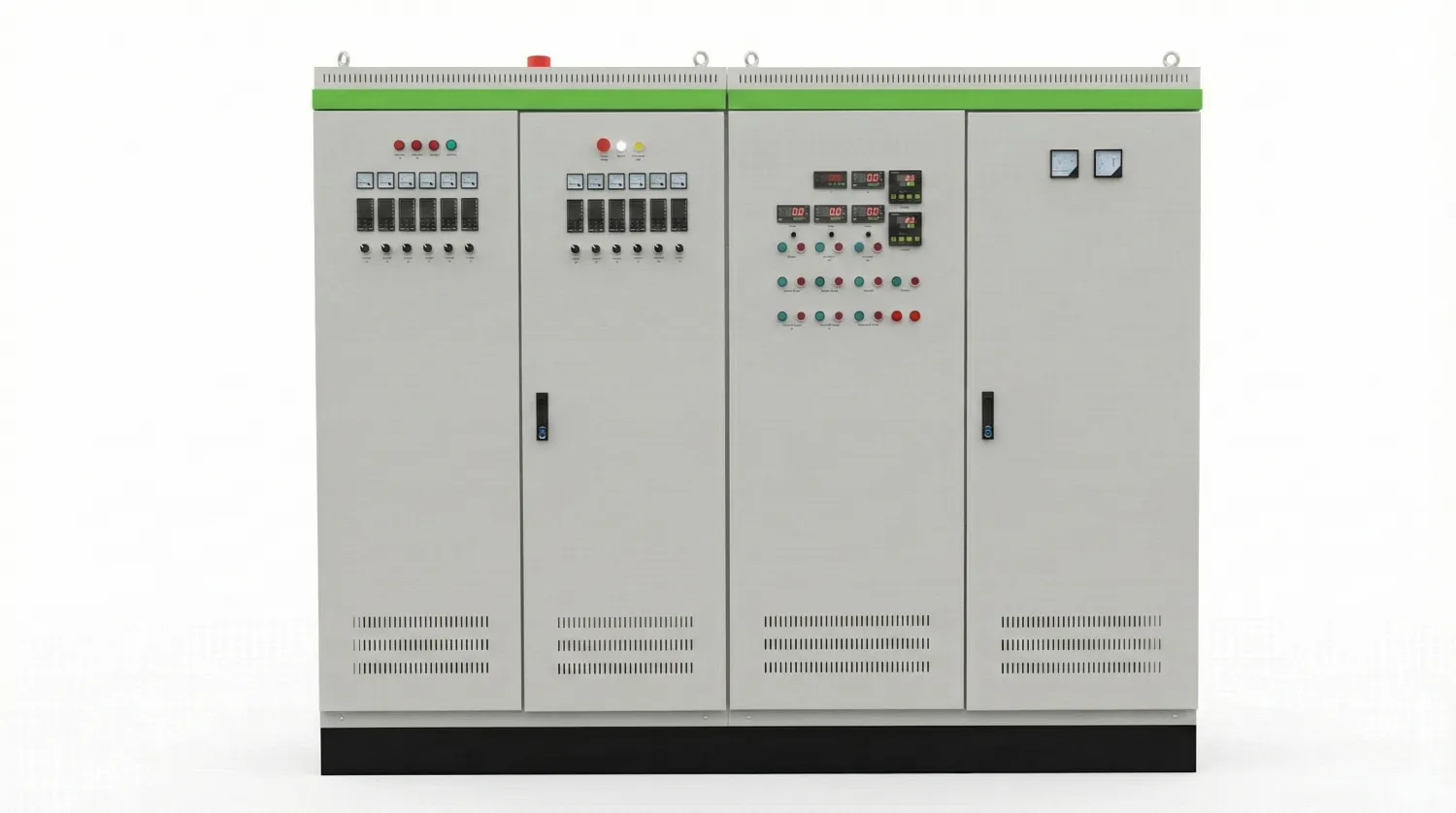
PLC Automatic Control System
Provides centralized line control, operating-status monitoring, safety interlocks, and coordinated starts and stops across all machinery.
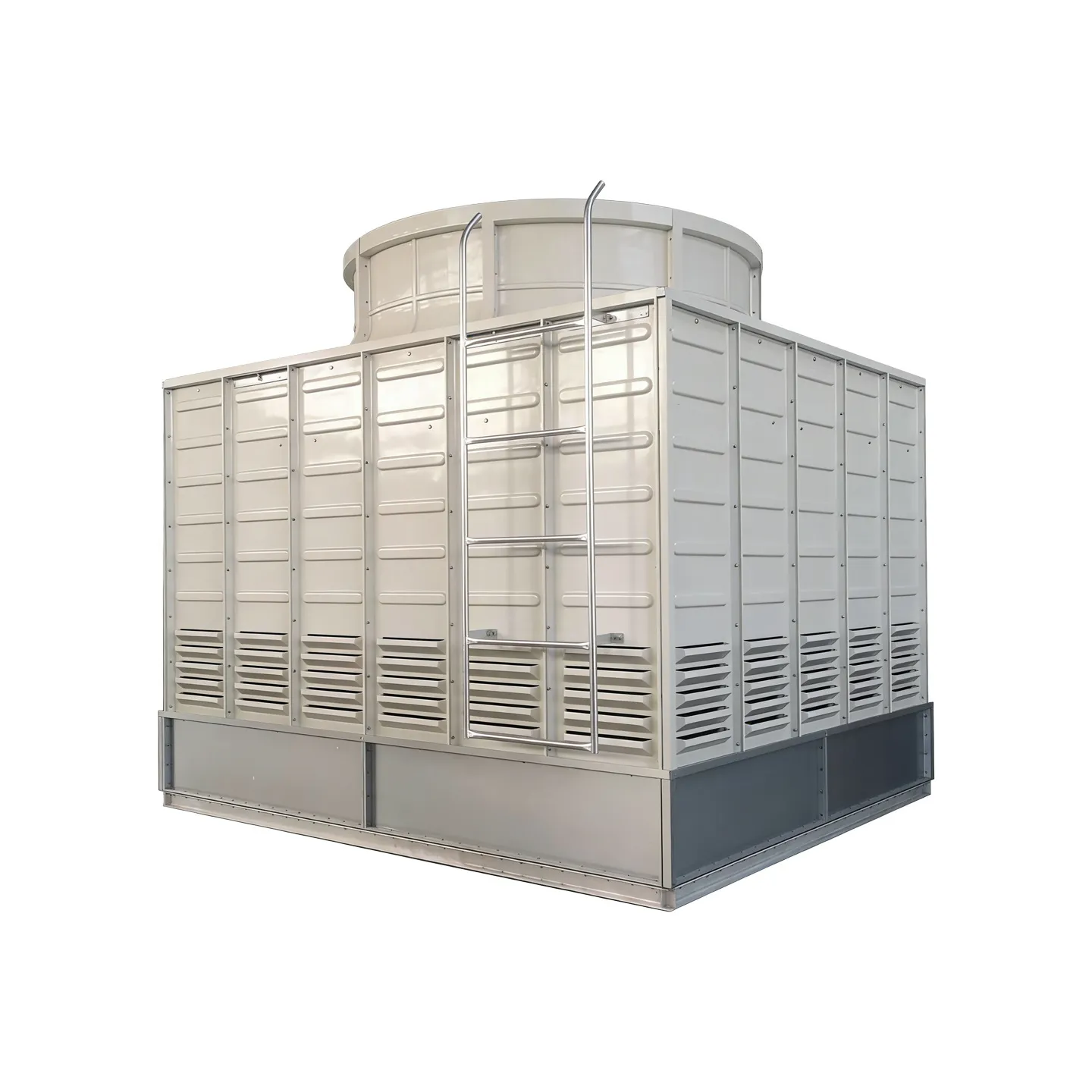
Cooling System
Circulates cooling water through heat-generating equipment to maintain optimal operating temperature during continuous production.
Key parts: cooling tower, pump, water reservoir, and circulation piping.
Compare Tire Recycling Machine Configurations
Start with the product you plan to sell. Output size and purity determine how many processing and separation stages the line needs.
Tire Chip Line
Typical output: Coarse tire chips or shreds (50×50 mm).
Main equipment: Preparation equipment, primary shredder, screener, and conveyors.
Suitable for: Operators supplying size-controlled tire chips or TDF fuel feedstock.
Crumb Rubber Line
Typical output: Graded rubber granules (1-5 mm) with recovered steel and separated textile fiber.
Main equipment: Shredder, grinder or granulator, magnets, fiber separator, and grader.
Suitable for: Rubber flooring, molded products, sports surfaces, and granule markets.
Fine Rubber Powder Line
Typical output: Fine, classified rubber powder (40-100 mesh).
Main equipment: Complete crumb line plus superfine mill, collection, cooling, and air classifier.
Suitable for: High-value asphalt modification, reclaimed rubber, and technical coatings.
Explore complete recycling solutions or browse all recycling machines.
Recovered Tire Materials & Commercial Uses
Output specifications determine equipment selection because particle size and purity define required stages.
Crumb Rubber & Powder
Used extensively in molded rubber tiles, athletic turf infill, running tracks, and high-performance modified asphalt pavements.
Recovered Steel Wire
Magnetically separated high-tensile bead and radial belt wire provides clean scrap-metal value for steel smelters.
Separated Textile Fiber
High-efficiency air classification removes textile fluff from rubber, ready for lightweight insulation or industrial absorbent uses.
What Affects Tire Recycling Machine Price?
A useful quotation must define the complete production target rather than price a single machine in isolation.
Input Tire Type
Passenger car, heavy truck, agricultural, and OTR tires differ in diameter, weight, bead wire thickness, and preparation needs.
Required Capacity
Hourly throughput directly influences machine sizing, motor horsepower, conveyor width, buffer storage, and separation scale.
Final Particle Size
Ultra-fine powder requires additional fine grinding passes, air classification, cooling systems, and pulse dust collection.
Separation Target
Higher rubber cleanliness requirements (99%+) require multi-stage magnetic belts, drum separators, and multi-cyclone fiber extractors.
Automation & Safety
PLC touch-screen integration, safety interlocks, amperage-based auto-reversal, and emergency-stop packages influence electrical scope.
Installation Scope
Sea shipping, overseas commissioning, operator training, local electrical code compliance, and exhaust filtration affect project cost.
Project Parameters for Accurate Line Sizing
Send these project details so our engineers can prepare a technical proposal with confirmed capacity, power, and footprint.
| Project Input Parameter | Why It Matters for Engineering |
|---|---|
| Tire category and maximum dimensions | Determines preparation method, shredder cutting chamber size, drive torque, and infeed mechanism. |
| Required hourly capacity (kg/h) | Sets the physical size and processing speeds of machines throughout the tire recycling line. |
| Target rubber particle size & application | Determines whether granulation, rotary screening, or fine powder milling stages are required. |
| Required steel and fiber purity levels | Defines the number, intensity, and stages of magnetic and pneumatic separation systems. |
| Available floor space & ceiling height | Guides conveyor incline angles, equipment footprint spacing, maintenance access, and silo placement. |
| Power supply & regional electrical codes | Ensures motor voltages, inverter ratings, control components, guarding, and safety designs comply with local law. |
Frequently Asked Questions
Key points to confirm before planning a tire recycling line.
A tire recycling machine is a coordinated system that reduces scrap tires and separates rubber, steel, and textile fiber for reuse.
The line uses staged shredding, grinding, magnetic separation, fiber separation, grading, and conveying to produce clean recovered materials.
The line can be configured for passenger-car, truck, and off-road tires. Tire size, bead construction, contamination, and target output determine the required equipment.
Depending on the configuration, outputs can include tire chips, crumb rubber, fine rubber powder, recovered steel, and separated textile fiber.
A centralized PLC control system can coordinate conveyors and processing equipment, monitor operating conditions, and support interlocks and emergency stops.
Provide the tire types, desired capacity, required output size, available floor space, power supply, and local environmental requirements so the line can be sized correctly.
Price depends on tire size, hourly capacity, required output size, separation stages, automation, dust control, electrical standard, and installation scope.
OTR tires require a configuration selected around tire diameter, weight, bead construction, and desired output. Large tires may need dedicated cutting or pre-shredding equipment.
Request a Tire Recycling Line Proposal
Tell us the tire type, target capacity, required rubber size, and available installation space.