


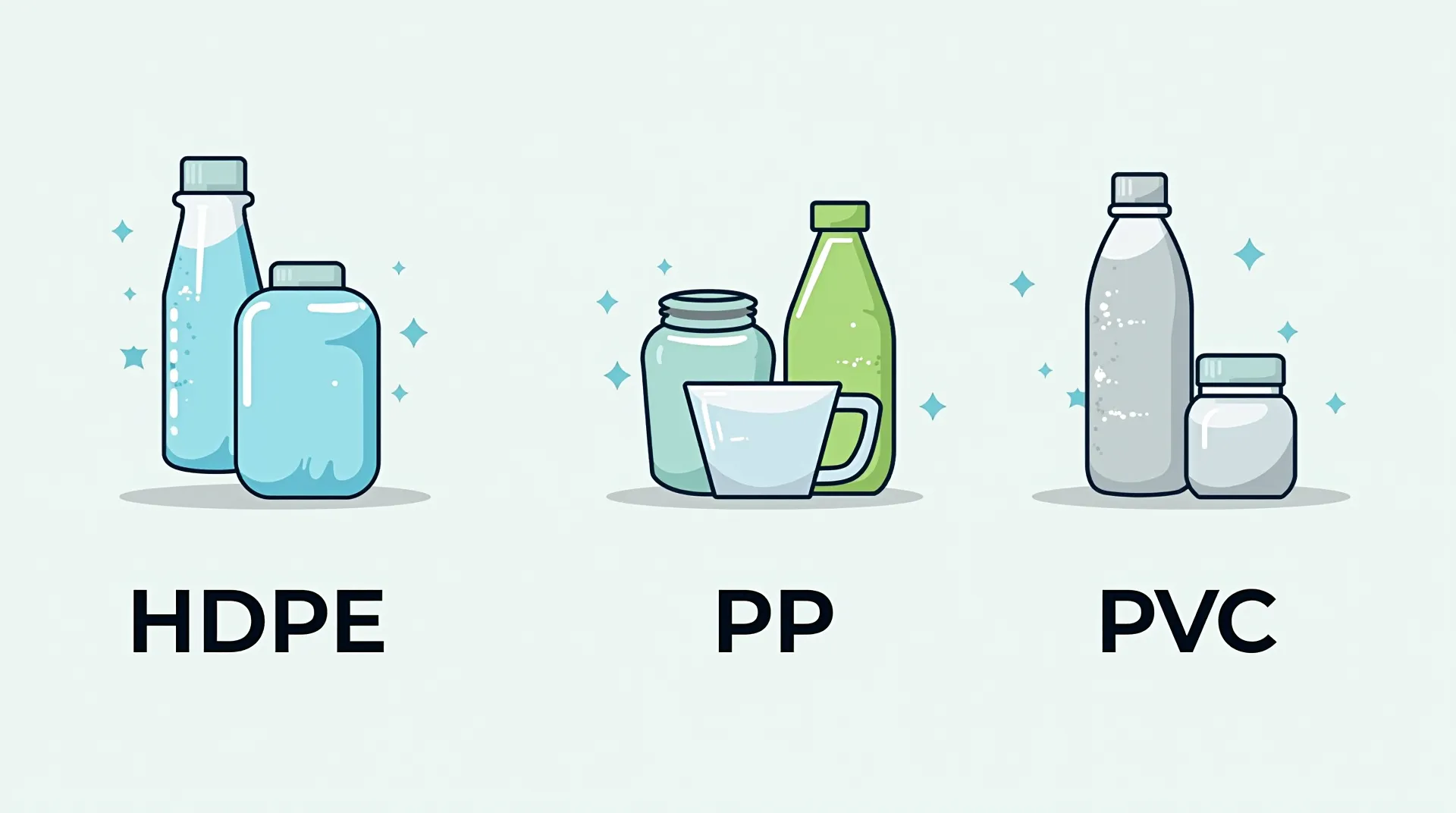
Распространенные виды жестких пластмасс, подлежащих переработке (HDPE, PP, PVC, PET и другие).
Эта страница предназначена для предприятий по переработке отходов и покупателей, желающих... определить жесткие пластмассы, понимать риски сортировки,и выберите правильный рабочий процесс переработки—от измельчения до промывки и гранулирования.
- Как определить твердые пластмассы (экспресс-проверка)
- Наиболее распространенные твердые пластмассы: свойства, применение и информация по переработке.
- Рекомендуемые методы и оборудование для переработки отходов.
- Сравнительная таблица, ориентированная на переработку отходов.
- Часто задаваемые вопросы (сортировка, мойка, гранулы)
Как определить жесткий пластик (быстрая проверка на пригодность к переработке)
Правильная идентификация является основой стабильного качества выходной продукции. В смешанных жестких потоках, неправильная сортировка ПВХ Это одна из наиболее распространенных причин низкого качества гранул и проблем с обработкой.
1) Код смолы и типичный продукт
Ищите идентификационные номера смолы на упаковке или маркировке отливки.
- HDPE (#2): бутылки, бочки, ящики с моющими средствами
- ПП (#5): жесткая упаковка, крышки, автомобильные запчасти
- ПВХ (#3): трубы, профили, кабельные каналы
- ПЭТ (#1): бутылочки, подносы (часто требуют более частой мойки)
2) Подсказка по плаванию/погружению (проверка в воде)
Краткое справочное руководство, используемое во многих линиях переработки (результаты могут различаться в зависимости от наполнителей/добавок).
- Обычно плавает: HDPE, PP
- Часто тонет: ПЭТ, ПВХ, ПК, АБС (зависит от состава)
3) Типичные точки загрязнения
- Этикетки и клей: усложняет стирку
- Металлические вставки: требуется магнитная/металлическая сепарация
- Масло/смазка: требует более интенсивной стирки/сушки
- Смешанные полимеры: снижает качество гранул
4) Целевые показатели выпуска продукции имеют значение.
- Хлопья: более низкие капитальные затраты, что характерно для повторного использования внутри компании.
- Гранулы: Более высокая ценность, требует стабильной подачи и фильтрации расплава.
Если вы планируете продавать пеллеты, рассмотрите возможность приобретения специализированного оборудования. Линия гранулирования пластмасс подобранный в соответствии с вашими требованиями к материалу и уровню чистоты.
Наиболее распространенные жесткие пластмассы: свойства, применение и информация о переработке.
Ниже перечислены наиболее распространенные виды жестких пластмасс, встречающиеся в промышленных и бытовых отходах, а также приведены практические рекомендации по переработке, которые помогут вам спланировать сортировку и выбрать необходимое оборудование.
1) Полиэтилен высокой плотности (HDPE)
Общие источники: бутылки, бочки, ящики, трубы (некоторые области применения)
- Высокое соотношение прочности к плотности
- Превосходная химическая и влагостойкость.
- Прочный и ударостойкий
- Часто используется в паре с полипропиленом в жестких потоках, но наилучшие результаты достигаются при чистой сортировке.
- Типичный процесс: измельчение → промывка/сушка → хлопья или гранулы
- Рекомендуемый путь комплектации: Измельчитель пластика → Пластиковый гранулятор → Линия мойки пластика
2) ПП (полипропилен)
Общие источники: жесткая упаковка, крышки, автомобильные компоненты, товары для дома
- Высокая температура плавления (хорошая термостойкость)
- Отличная устойчивость к усталости (петли/колпачки)
- Легкий и химически стойкий
- При правильной сортировке и очистке хорошо подходит для производства гранул.
- Обратите внимание на наличие клея для этикеток и смешанных полимеров в жесткой упаковке.
- Рабочий процесс: Гранулятор + Бельевая веревка → необязательно Линия гранулирования
3) ПВХ (поливинилхлорид)
Общие источники: трубы, профили, оконные рамы, кабельные каналы
- Жесткий или гибкий в зависимости от добавок.
- Отличная химическая стойкость и долговечность.
- Хорошая электроизоляция
- Критическое состояние: Загрязнение ПВХ в потоках ПП/ПЭ может ухудшить качество и вызвать проблемы в процессе переработки.
- Требуется строгая сортировка и особый подход к обработке.
- Для обработки отходов жесткого ПВХ начните с контролируемого измельчения: Шредер / Гранулятор
4) ПЭТ (полиэтилентерефталат)
Общие источники: бутылки, лотки, блистерная упаковка
- Высокая прочность на разрыв, прочный и легкий.
- Хороший газо- и влагозащитный барьер
- Подлежит вторичной переработке.
- Качество стирки зачастую является важнейшим фактором, определяющим стоимость выпускаемой продукции.
- Может потребоваться удаление этикеток и промывка горячей водой (зависит от исходного сырья).
- Перед гранулированием начните с измельчения и планирования промывки.
5) ПС (полистирол)
Общие источники: Упаковка, корпуса, одноразовые изделия (различаются в зависимости от региона)
- Жесткие и зачастую прозрачные
- Легко поддается формованию и приданию формы.
- Хорошая теплоизоляция
- Может быть хрупким; выбор лезвия и сита имеет значение.
- Для обеспечения качества продукции необходимо поддерживать чистоту и порядок при сортировке.
- Типичный подход: Гранулятор → уборка по мере необходимости
6) АБС (акрилонитрилбутадиенстирол)
Общие источники: корпуса для электроники, автомобильные запчасти, товары длительного пользования
- Высокая ударопрочность
- Хорошая стабильность размеров
- Легко поддается механической обработке.
- Часто содержит металлические вставки — спланируйте их разделение.
- Более качественные гранулы получаются при использовании однородного сырья (избегайте смешанных пластмасс).
- Уменьшение размера: Шредер → Гранулятор
7) ПК (поликарбонат)
Общие источники: защитные экраны, электроника, автомобильные компоненты, изделия оптического качества
- Исключительная ударопрочность
- Высокая прозрачность (многоуровневая)
- Термостойкий
- Качество зависит от сорта; поддерживайте стабильное качество потоков.
- Обратите внимание на покрытия и смешанные материалы (это влияет на требования к фильтрации расплава).
- При работе с гранулами тщательно подбирайте параметры фильтрации и технологического процесса.
Рекомендуемые методы и оборудование для переработки (жестких пластмасс)
Ниже описаны типичные рабочие процессы, используемые в реальных проектах. Ваша точная конфигурация зависит от уровня загрязнения, целевого размера хлопьев и от того, производите ли вы хлопья или гранулы.
Рабочий процесс A: Жесткий полипропилен/полиэтилен высокой плотности → Чистые хлопья
Наилучшие характеристики: возможность повторного использования внутри компании, стабильный выход хлопьев, умеренные инвестиции.
- Измельчитель пластика (необязательно для крупногабаритных предметов)
- Пластиковый гранулятор (однородный размер чешуек)
- Линия мойки пластика (Удалить этикетки, грязь, остатки клея)
- Сушка и хранение (снижение влажности, стабилизация производительности)
Рабочий процесс B: Жесткий полипропилен/полиэтилен высокой плотности → Гранулы
Лучше всего подходит для: продажи гранул, получения более высокой добавленной стоимости, более жесткого контроля технологического процесса.
- Предварительная сортировка и удаление металла.
- Измельчение (шредер/гранулятор)
- Стирка и сушка (обеспечение стабильной чистоты и влажности)
- Линия гранулирования пластмасс (экструзия + фильтрация + нарезка гранул)
Рабочий процесс C: Смешанный жесткий поток (более высокий риск)
Наилучший вариант для: операторов с высокими возможностями сортировки и стабильным сырьем.
- Необходимо заблаговременно отбраковывать ПВХ и другие несовместимые пластмассы.
- Используйте стабильное уменьшение размера, чтобы избежать узких мест на последующих этапах обработки.
- Планируйте интенсивность промывки в местах, загрязненных этикетками/клеем и маслом.
Комплексный подход: один поставщик, одна система.
Преимущества: более быстрая наладка, меньшее количество рисков интеграции, стабильная долгосрочная работа.
Если вам нужен полный план, включающий конфигурацию оборудования, компоновку и поддержку при вводе в эксплуатацию, рассмотрите следующие варианты: Комплексное решение для переработки отходов.
Сравнительный анализ распространенных жестких пластмасс с учетом вопросов переработки.
В этой таблице основное внимание уделяется тому, что наиболее важно для предприятий, занимающихся переработкой отходов: идентификационные признаки, сложность сортировки, необходимость мойки и рекомендуемое направление обработки.
| Пластик | Код смолы | Типичные источники | Подсказка: поплавок/тонет | Сложность сортировки | Необходимость стирки | Рекомендуемое направление |
|---|---|---|---|---|---|---|
| ПНД | #2 | Бутылки, бочки, ящики | Часто плавает | Низкий–Средний | Середина | Хлопья → по желанию гранулы (после промывки/сушки) |
| ПП | #5 | Крышки, жесткая упаковка, автозапчасти | Часто плавает | Середина | Середина | Хлопья или гранулы (чистая сортировка улучшает качество гранул) |
| ПВХ | #3 | Трубы, профили, кабельные каналы | Часто раковины | Высокий | Низкий–Средний | Специализированный поток; избегать смешивания с PP/PE. |
| ДОМАШНИЙ ПИТОМЕЦ | #1 | Бутылки, подносы | Часто раковины | Середина | Высокий | Интенсивная стирка; ценность результата зависит от чистоты. |
| ПС | #6 | Упаковка, корпуса | Часто раковины | Середина | Середина | Контролируемое гранулирование; поддержание однородности потоков. |
| АБС | — | Корпуса для электроники и автомобилей | Часто раковины | Середина | Низкий–Средний | Планируйте удаление металла; хлопья → гранулы при условии стабильного качества сырья. |
| ПК | #7 (часто “Другое”) | Защитные экраны, электроника | Часто раковины | Середина | Низкий–Средний | Необходимо поддерживать постоянный уровень качества; для гранул требуется стабильная фильтрация. |
Часто задаваемые вопросы
Какие виды жесткого пластика проще всего перерабатывать?
Во многих производственных процессах полиэтилен высокой плотности (HDPE) и полипропилен (PP) относятся к числу наиболее легко перерабатываемых жестких пластмасс при условии правильной сортировки и очистки. Стабильность выходного продукта значительно повышается при поддержании постоянного состава потоков.
Почему загрязнение ПВХ представляет собой такую большую проблему?
Примеси ПВХ в потоках ПП/ПЭ являются распространенной причиной проблем с качеством и нестабильности процесса переработки. Если ваше сырье может содержать ПВХ, уделите первостепенное внимание предварительной сортировке и рассмотрите возможность специализированной переработки.
Нужна ли мне бельевая веревка для жестких пластиковых изделий?
Если ваши жесткие пластмассы являются отходами потребления или загрязнены (этикетки, клей, масло, грязь), для получения чистых хлопьев или стабильных гранул обычно требуется промывочная линия. Для чистых заводских отходов промывка может быть минимальной.
Какое оборудование мне понадобится для переработки жестких пластмасс?
В большинстве технологических процессов производства жестких пластиков сначала используется измельчение (шредер и/или гранулятор), а затем промывка/сушка по мере необходимости. Для производства гранул следует добавить линию гранулирования. См.: Комплексное решение для переработки отходов.
Мне следует производить хлопья или гранулы?
Хлопья обычно требуют меньших инвестиций и часто используются для повторного применения внутри предприятия. Гранулы могут быть более ценными, но требуют стабильной чистоты, контроля влажности и фильтрации расплава. Если ваша цель — продажа гранул, рассмотрите возможность приобретения специализированного оборудования. Линия гранулирования пластмасс.
Нужна рекомендуемая конфигурация для ваших жестких пластиков?
Пришлите фотографии материала, уровень загрязнения (этикетки/масло/металл), целевую производительность (кг/ч) и желаемый выход продукции (хлопья или гранулы). Мы подготовим полную конфигурацию и коммерческое предложение, исходя из особенностей вашего проекта.
