


High-Performance Plastic Pelletizing Lines for Uniform, High-Value Pellets
Our advanced plastic pelletizing lines are the final step in transforming recycled plastic waste into a valuable, consistent, and reusable raw material. We engineer complete systems for compounding, modifying, and pelletizing a wide range of polymers.
- Supports strand pelletizing and water-ring pelletizing for different polymers and capacities.
- Designed for stable melt filtration, uniform pellet size, and lower fines.
- Custom engineering available for recycled plastics, compounds, and modified materials.
Comparing Pelletizing Systems
The ideal technology depends on your material type, output requirements, and operational preferences. We specialize in two primary, highly efficient systems.
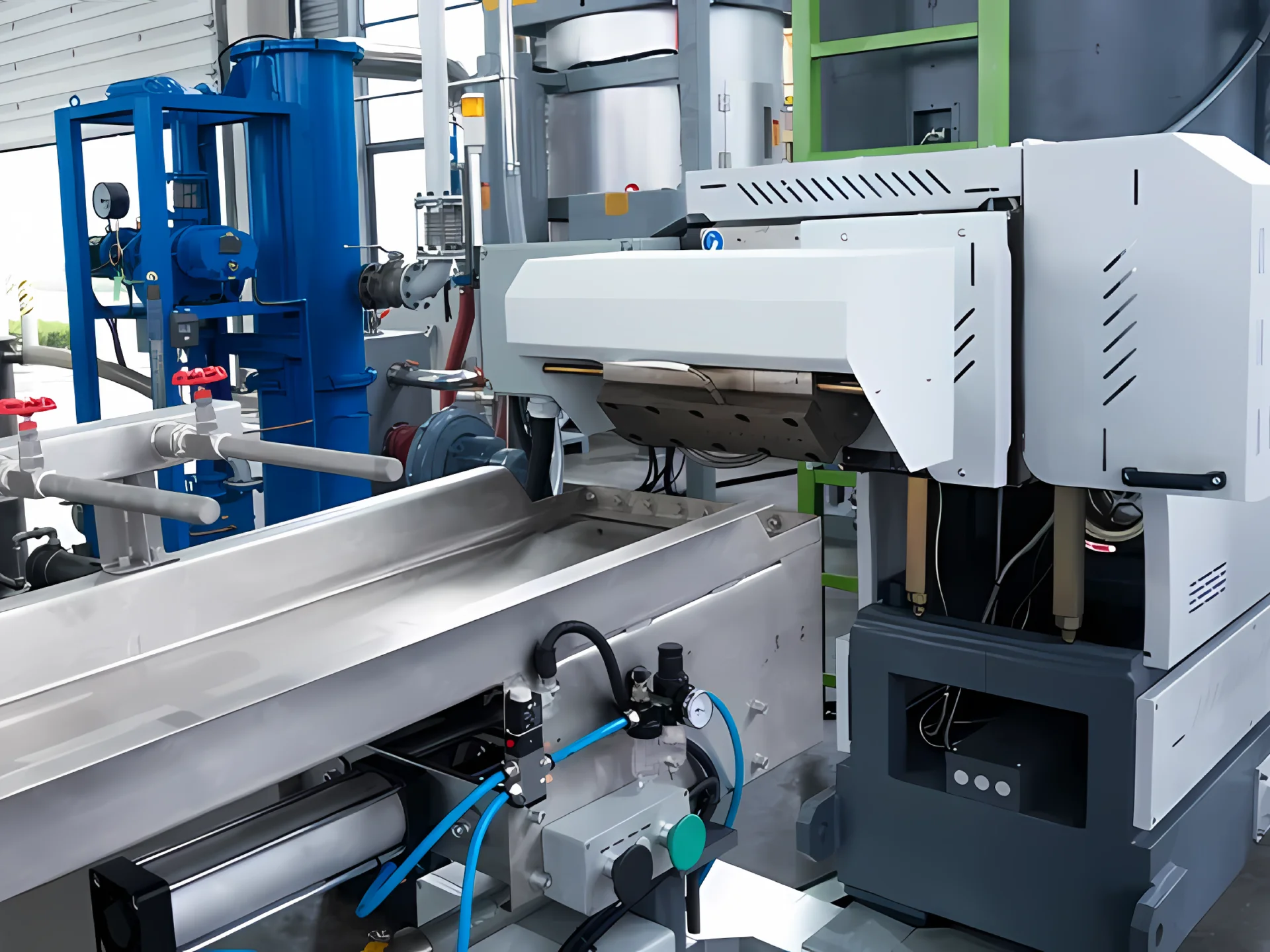
Water Strand Pelletizing Line
A classic, robust, and cost-effective method ideal for a wide variety of polymers, especially those sensitive to temperature changes.
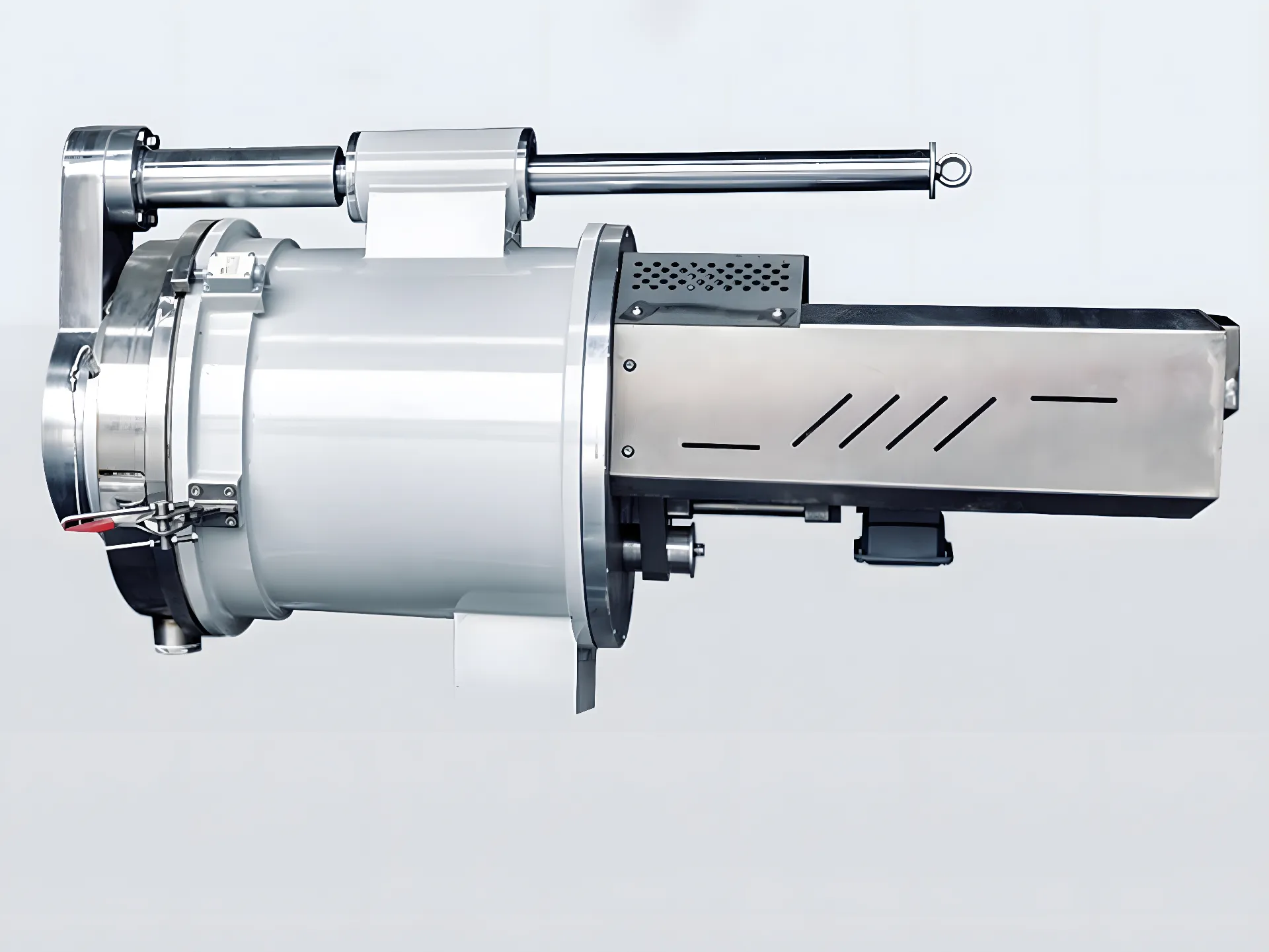
Water-Ring Pelletizing Line
A more automated and compact system that cuts pellets at the die face, ideal for high-volume production of polyolefins.
Water Strand Pelletizing Line
A classic, robust strand extrusion and water-bath cooling workflow engineered for temperature-sensitive and high-viscosity polymers.
-
01. PROCESS
Strand Extrusion & Cooling
Molten plastic is extruded into continuous strands, quenched and solidified through a temperature-controlled water bath, and fed into the rotary pelletizer.
-
02. MATERIALS
Target Feedstock
PET flakes, polystyrene (PS), ABS, rigid engineering plastics, and highly-filled or glass-fiber reinforced compounds.
-
03. ADVANTAGES
Process Benefits
Simple and intuitive operation, fast color changeovers, easy maintenance, and high versatility from pilot lines to large-scale production.
Water-Ring Pelletizing Line
A compact, automated die-face cutting process with immediate water-ring quenching for high-capacity polyolefin recycling.
-
01. PROCESS
Die-Face Cutting
High-speed rotary blades cut hot melt strands directly at the die face, where pellets are instantly quenched and flushed away by a circulating water ring.
-
02. MATERIALS
Target Feedstock
PE film flakes, PP woven bags, post-industrial packaging, and polymers with low-to-medium melt viscosity.
-
03. ADVANTAGES
Process Benefits
Produces uniform spherical pellets, eliminates manual strand drawing, saves plant floor space, and enables continuous automated operation.
Overcoming Plastic Pelletizing Challenges
How our pelletizing systems resolve common production challenges and improve quality, uptime, and cost.
Inconsistent pellet size and high fines
Closed-loop control of die-face or strand speed, automatic knife pressure, and post-classification deliver uniform 3-5 mm pellets and lower dust and rework.
Frequent filter clogging and downtime
Continuous dual-channel or backflush screen changers with enlarged filtration area extend run time, stabilize melt pressure, and cut scrap events.
Moisture and volatiles affecting pellet quality
Pre-drying plus vacuum-vented extruders remove moisture and VOCs; optimized die heating produces a stable melt and glossy pellets.
High kWh/kg and water usage
IE3 and IE4 motors with VFDs, energy-tuned screws, and closed-loop water circuits reduce specific energy consumption and utility cost.
Pelletizing Systems in Action: Video
Watch a complete walkthrough of one of our advanced plastic pelletizing lines, from raw material to final, high-quality pellets.
Explore Our Plastic Pelletizing Machines
Every core component is engineered to ensure high throughput, continuous melt purity, and consistent final pellet quality.
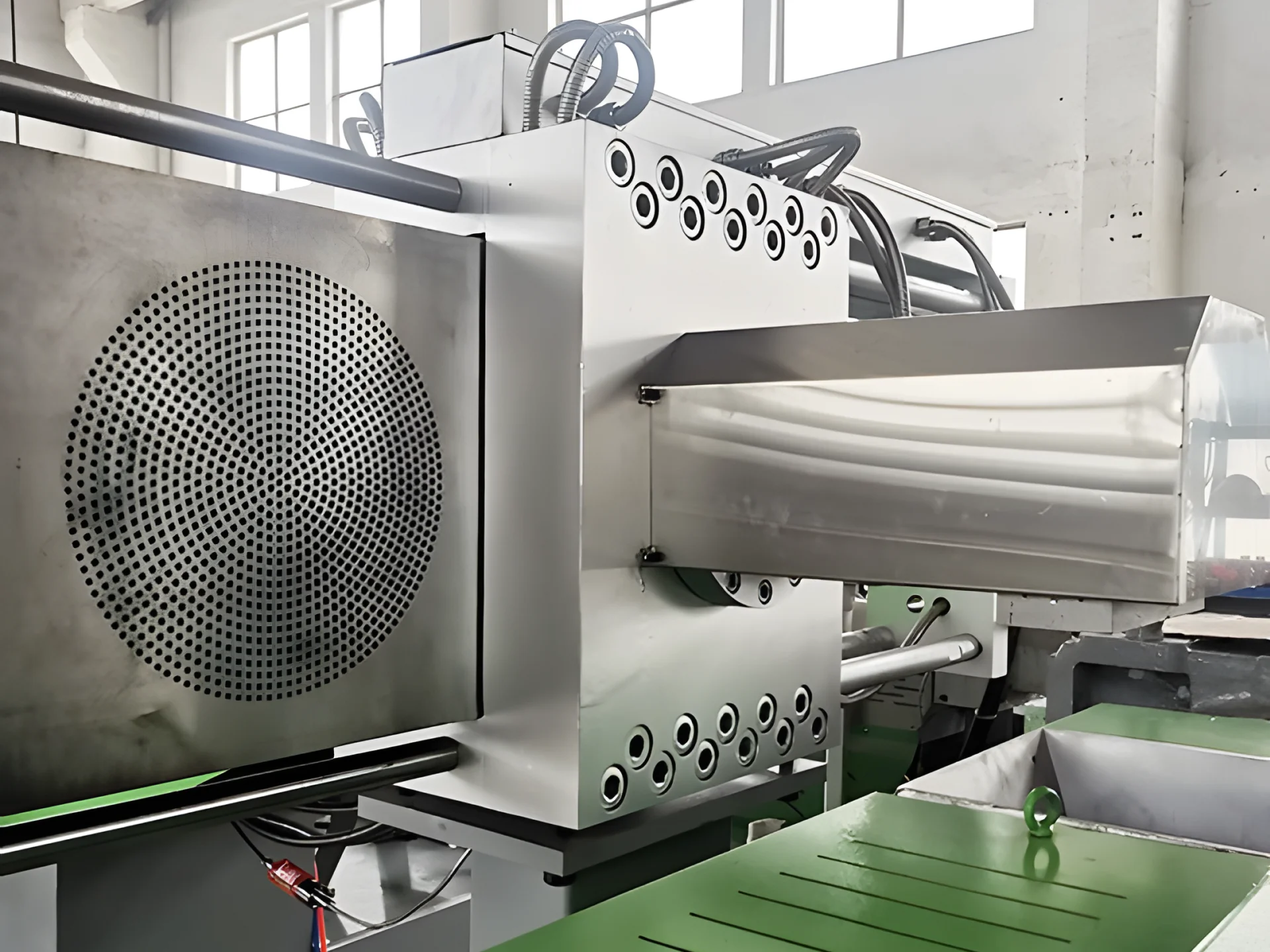
Continuous Melt Filtration (Screen Changer)
Automatic screen changers remove contaminants and impurities from the melt stream without interrupting production, stabilizing head pressure for uniform extrusion.
Supports continuous 24/7 runs with minimal stoppage.
Improves melt cleanliness and prevents broken strands.
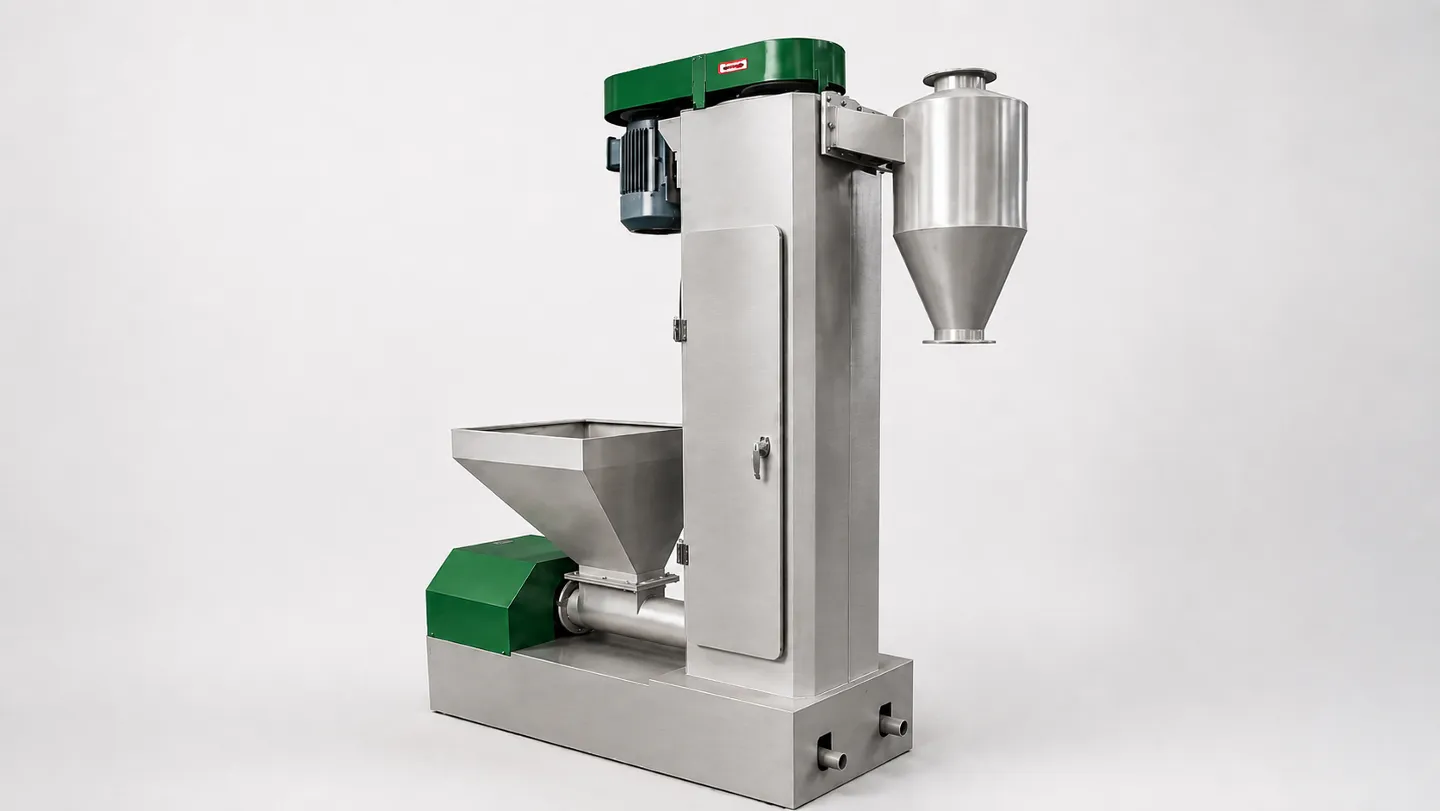
Efficient Centrifugal Dewatering (Vertical Dryer)
A vertical centrifugal dryer rapidly extracts surface moisture from water-cooled strands and pellets, preparing them for storage and packaging.
Reduces surface moisture rapidly after cutting.
Heavy-duty stainless steel rotor with easy-clean screen.
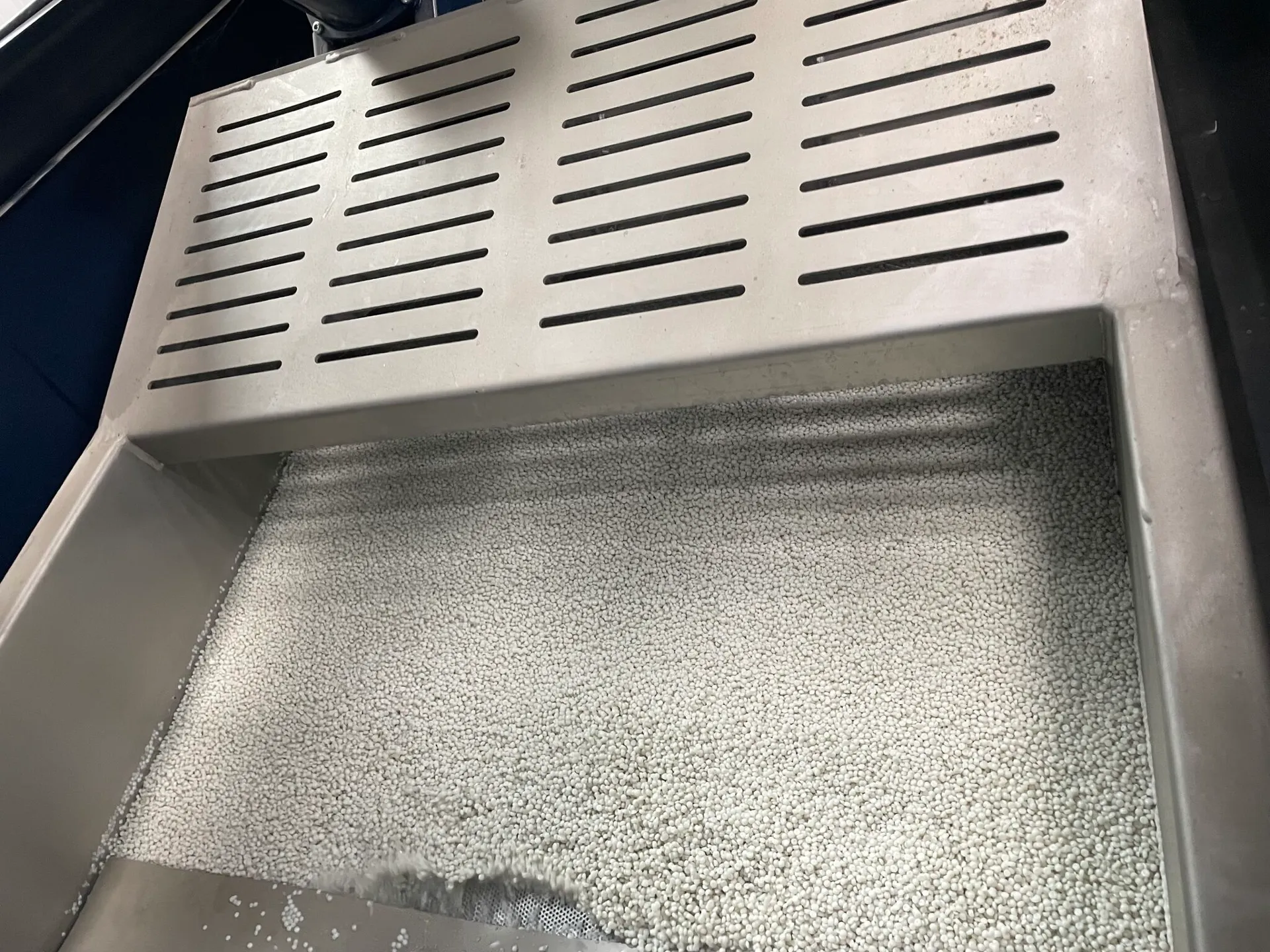
Pellet Classification (Vibrating Screen)
A multi-deck vibrating screen classifies pellets by size, reliably filtering out oversized agglomerates and fine dust for consistent market grade pellets.
Multi-deck grading separates oversized and fine particles.
Continuous self-cleaning prevents mesh blinding.
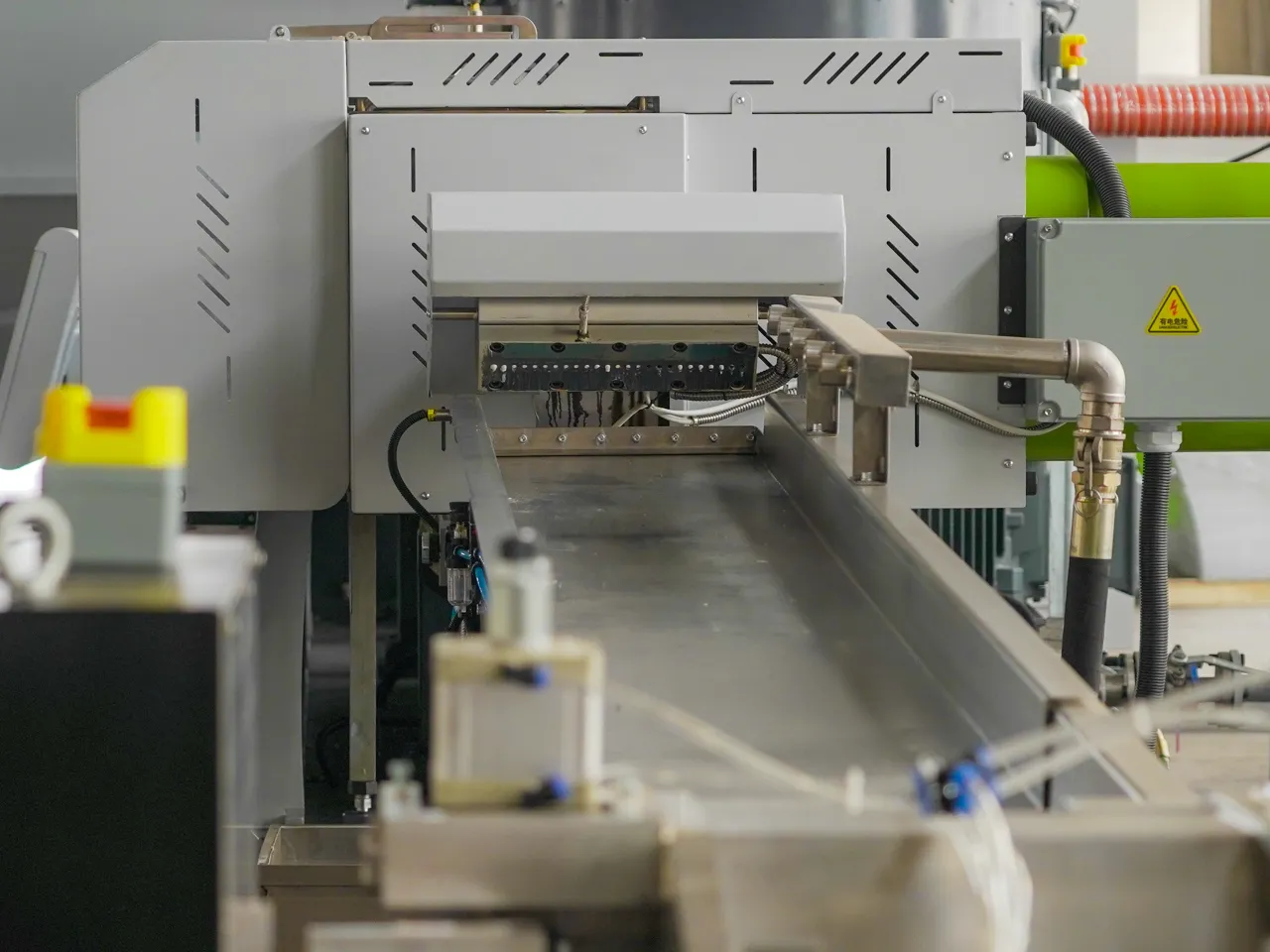
Strand Type Cutting System (Pelletizer)
Water-cooled polymer strands are drawn and cut with precision rotary blades into uniform cylindrical pellets with clean cuts and minimal dust.
High-wear tungsten alloy knives for clean, sharp cuts.
Speed synchronizes with extruder output to maintain pellet length.
Applications for Recycled Plastic Pellets
Our systems produce clean, uniform, and highly marketable pellets from a wide range of input materials.
-
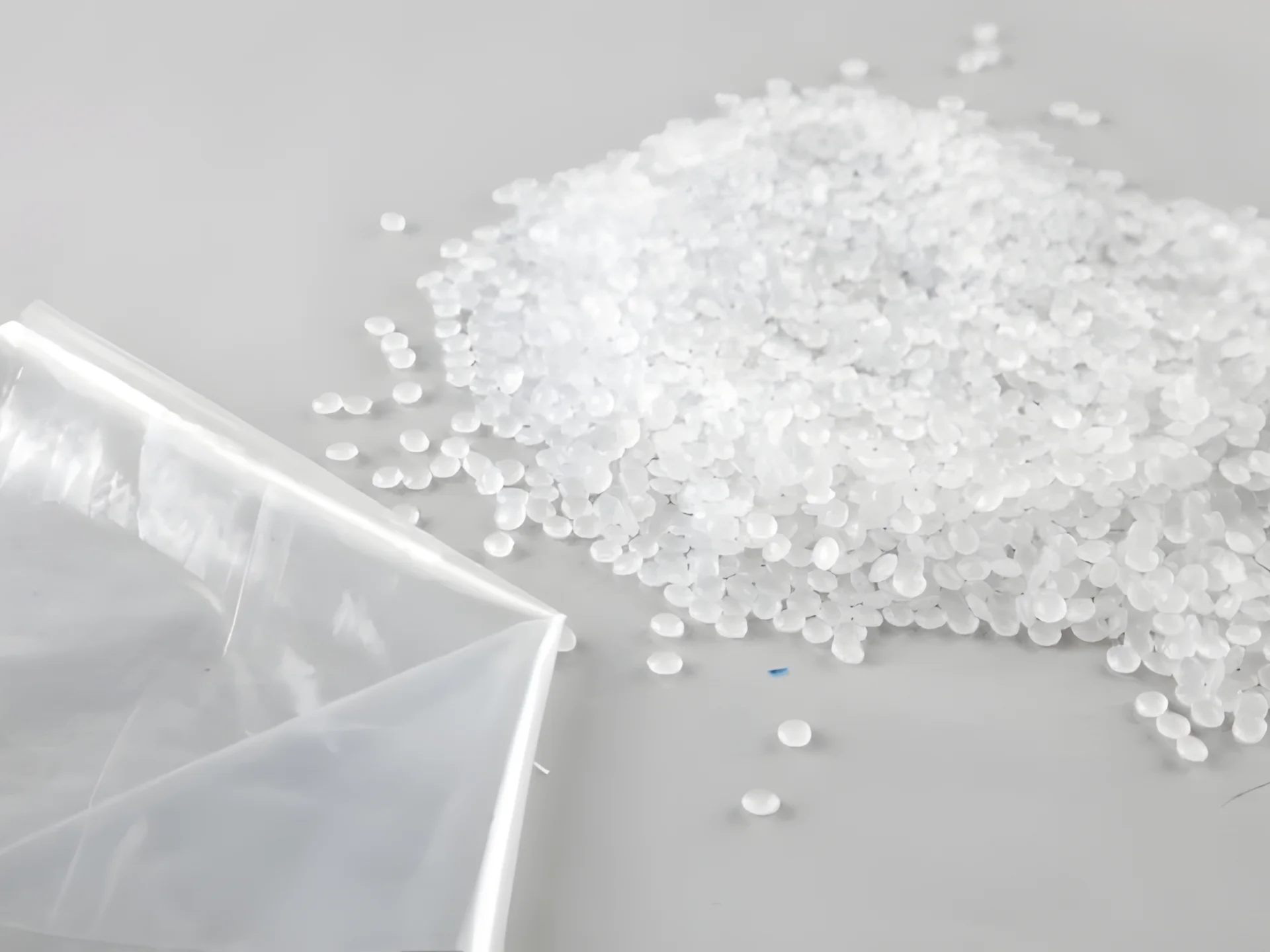
PE Pellets
-
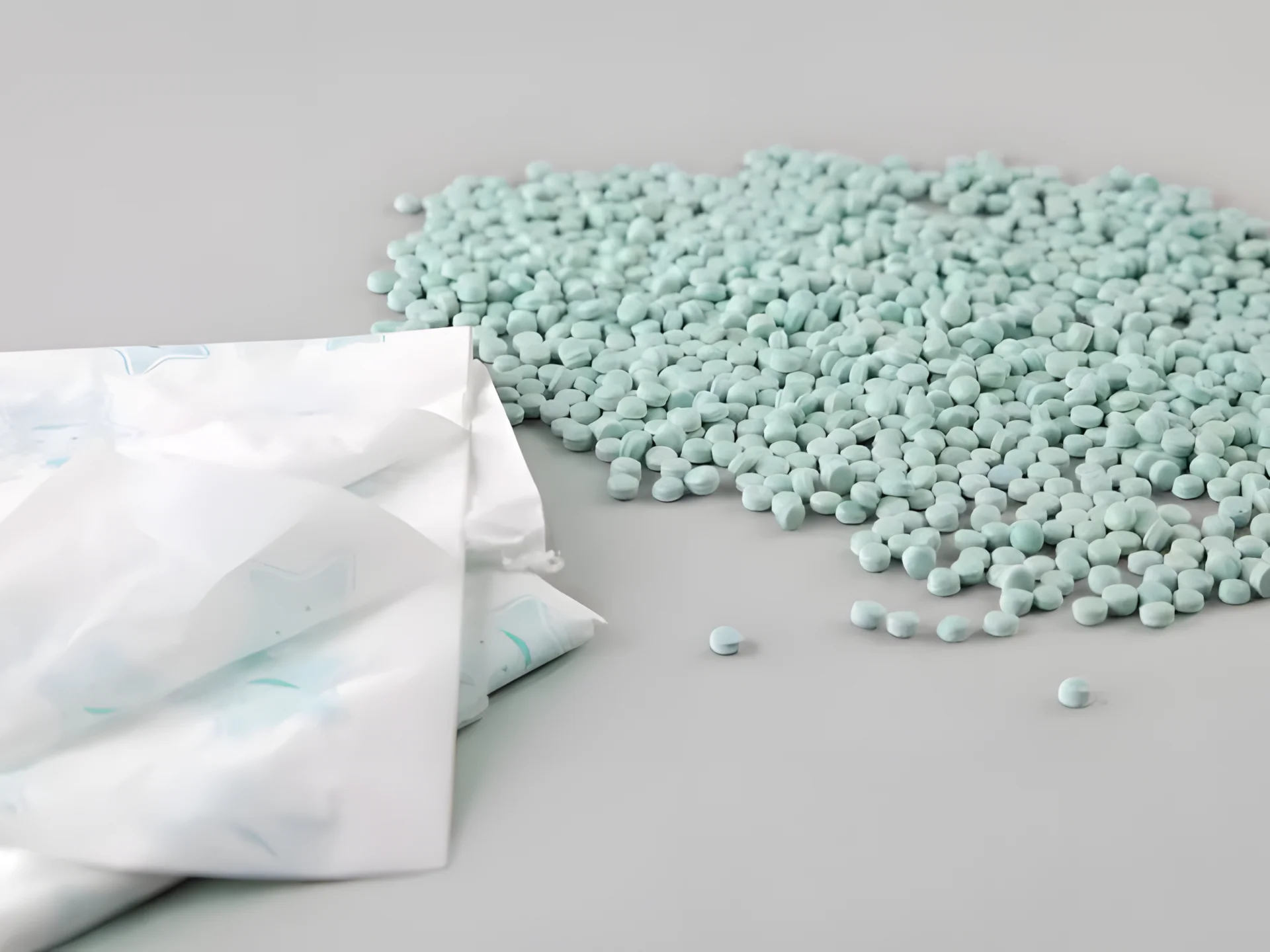
Plastic Film Pellets
-
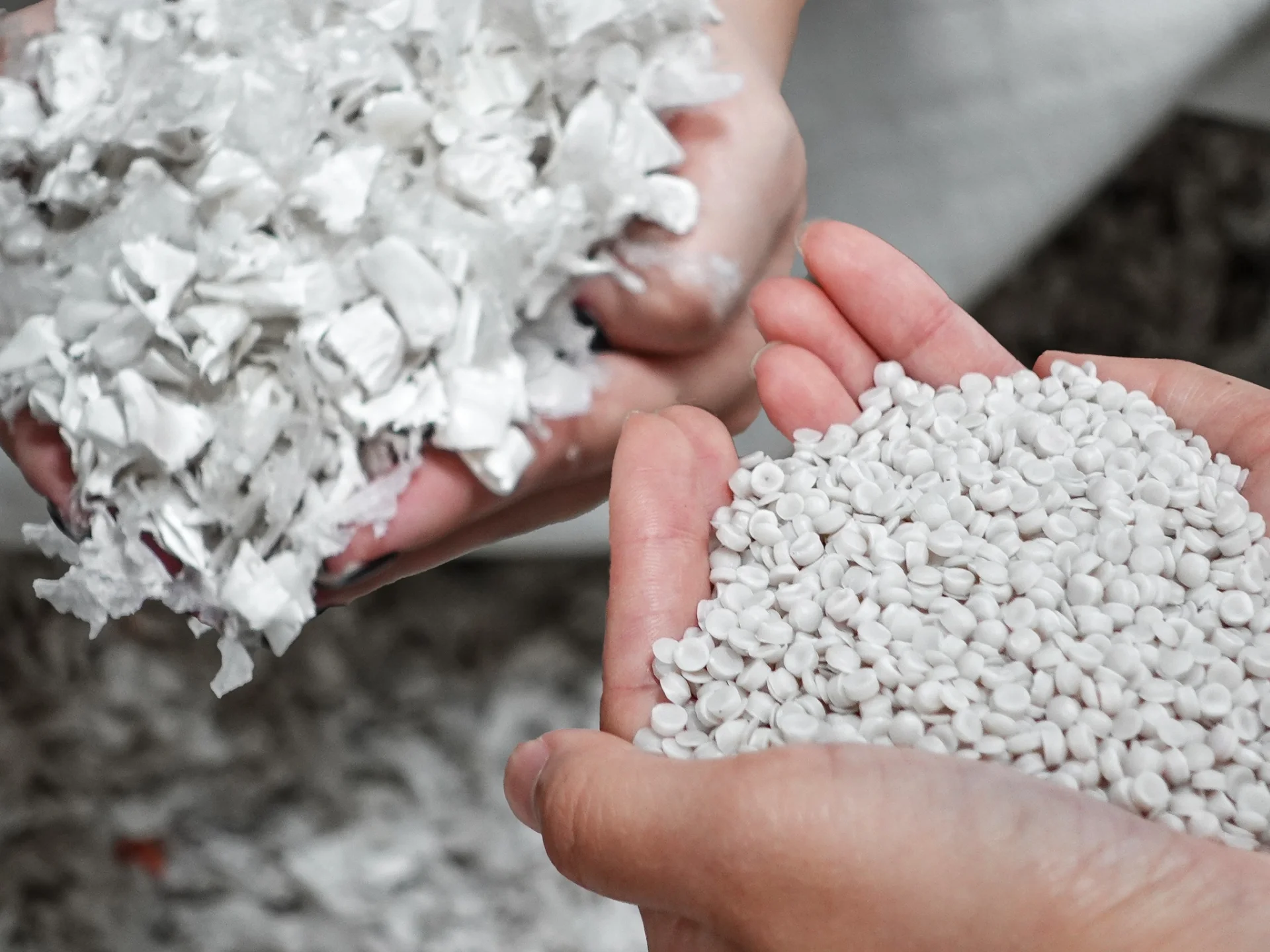
PVC and Hard Plastic Pellets
Plastic Pelletizer Technical Specifications
Representative configurations. Custom engineering and options are available on request.
Swipe horizontally to view the full table.
| Machine Model | Pelletizing Method |
Filtering Method |
Screw Diameter (mm) | L/D Ratio | Motor Power (kW) | Capacity (kg/h) |
|---|---|---|---|---|---|---|
| SJ85-100 | Water strands pelletizing & Water ring pelletizing (Optional) |
Plate / Column / Automatic screen changer (Optional) |
85 / 100 | 28-33:1 / 10:1 | 55-75 | 100-200 |
| SJ100-120 | 100 / 120 | 28-33:1 / 10:1 | 90-110 | 200-350 | ||
| SJ130-150 | 130 / 150 | 28-33:1 / 10-12:1 | 132-160 | 400-550 | ||
| SJ150-160 | 150 / 160 | 28-33:1 / 12:1 | 185-200 | 500-650 | ||
| SJ160-180 | 160 / 180 | 28-33:1 / 12:1 | 220-250 | 700-900 | ||
| SJ180-200 | 180 / 200 | 28-33:1 / 12:1 | 280-315 | 900-1200 |
Options: Pelletizing Method (Water strands pelletizing & Water ring pelletizing optional); Filtering Method (Plate, Column & Automatic screen changer optional). Values are indicative; final specs depend on material and configuration.
Pelletizing Line Performance & Real-World Results
Real outcomes reported by customers operating our pelletizing systems.
Plant Engineer, Recycling Producer
Pellet quality tightened and dust dropped by about 40%, while throughput rose around 25% after moving to continuous filtration and tuning cutter speed.
Operations Manager, Film Converter
Water-ring pelletizing stabilized PP film regrind across shifts. Specific energy fell by roughly 15% and shift-to-shift variability was reduced.
Production Director, Compounder
Turnkey delivery and on-site training were on schedule. Uptime improved with the recommended screen packs and maintenance plan.
Frequently Asked Questions
Strand pelletizing extrudes molten plastic into strands cooled in water before cutting, while water-ring pelletizing cuts at the die face, producing uniform spherical pellets. The best choice depends on polymer type and production scale.
PET, HDPE, LDPE, PP, PS, EVA, ABS, and filled or reinforced compounds. The systems can process both recycled and virgin materials.
Yes. We provide full pelletizing systems with extruders, filtration, pellet cutting, cooling, and drying, as well as installation and training.
Typical line capacities range from 100 to 2000 kg/h depending on configuration and polymer type.
Warranty & Global Installation Support
-
Warranty Coverage
Standard warranty coverage is available for supported machine components and manufacturing defects.
-
Installation & Support
We provide installation guidance, commissioning support, operator training, and spare parts service according to project scope.
Get a Plastic Pelletizer Quote
Contact our experts to discuss your specific material and application. We will design a custom pelletizing or compounding line to meet your goals for quality and throughput.