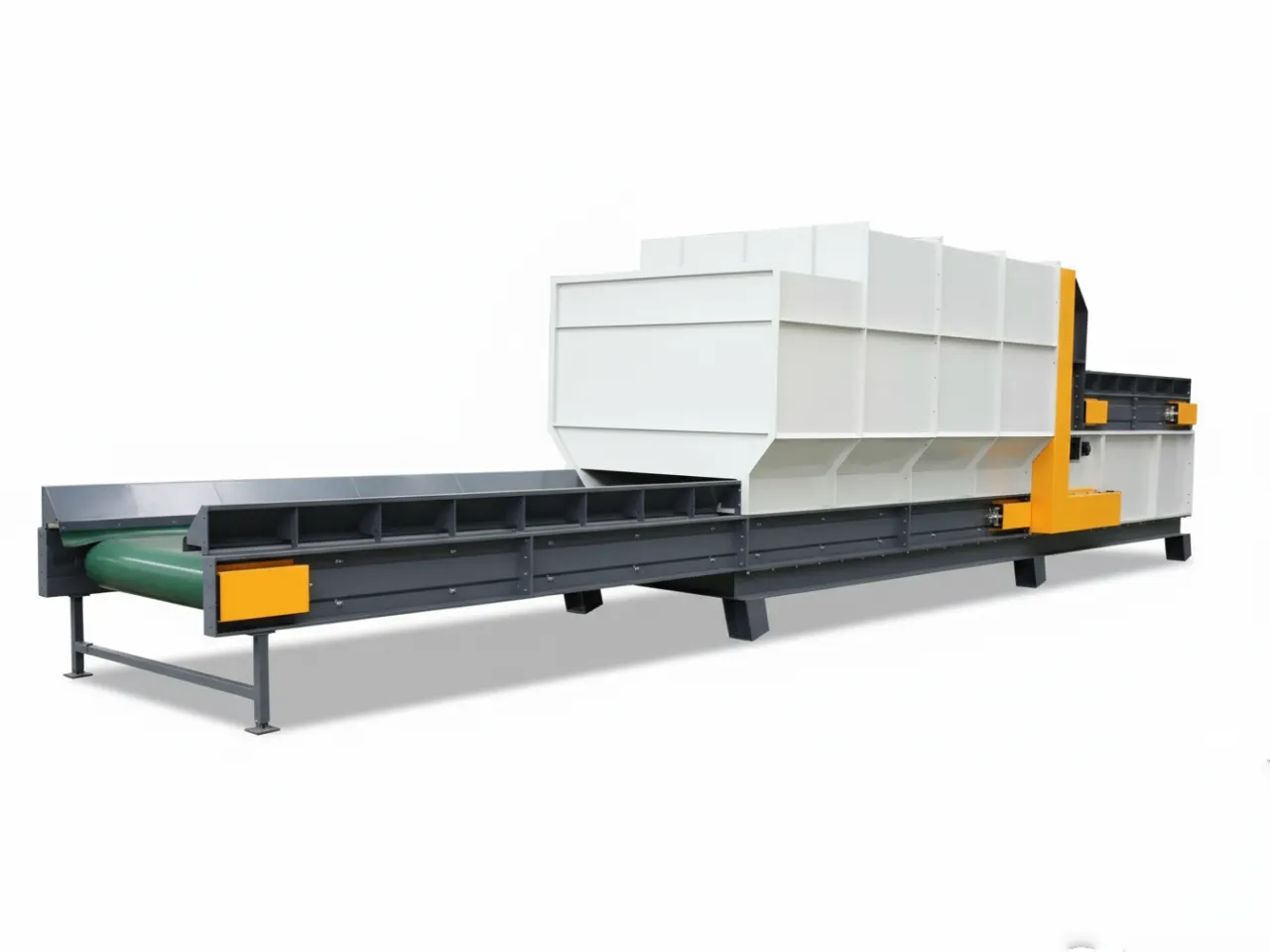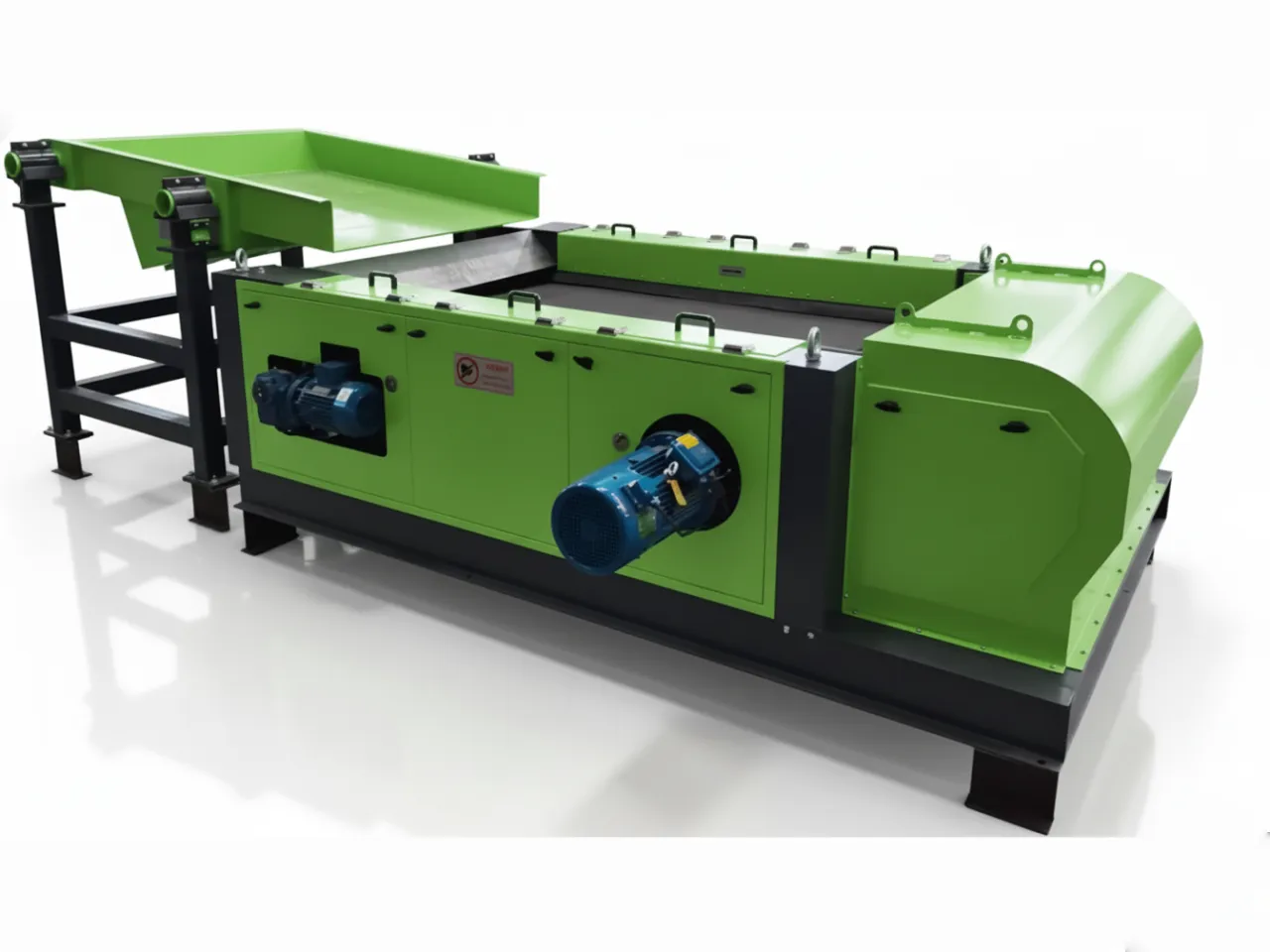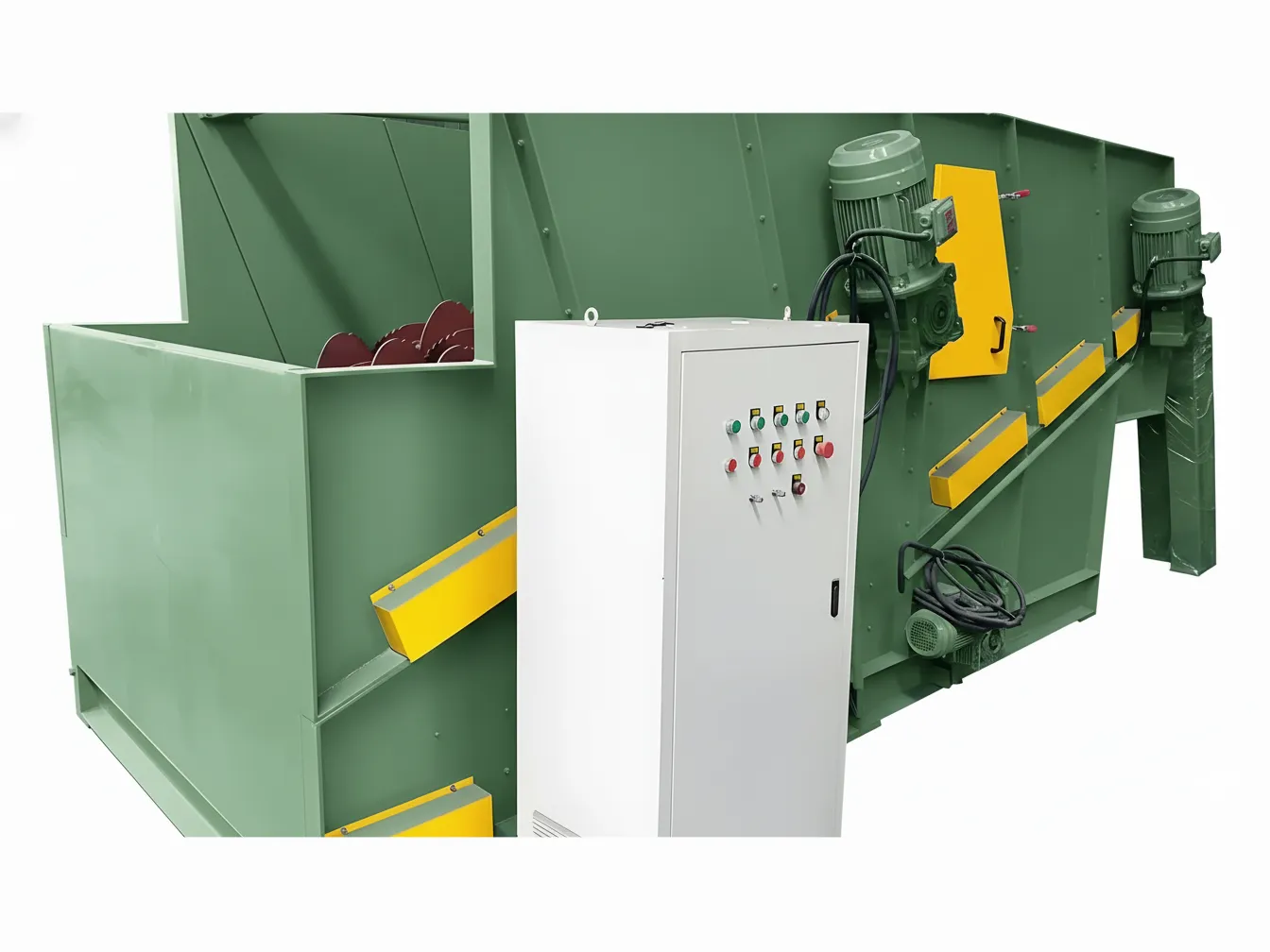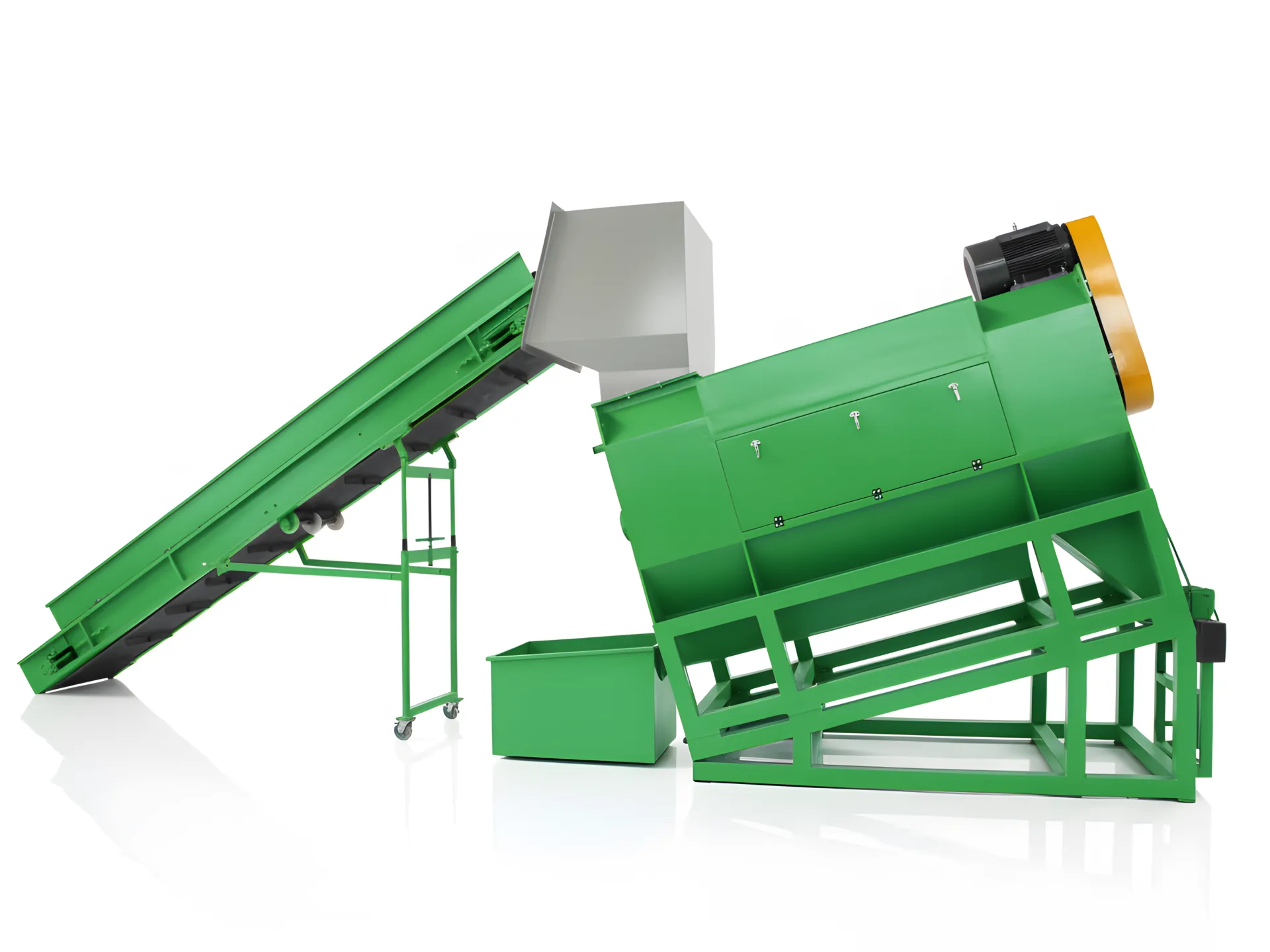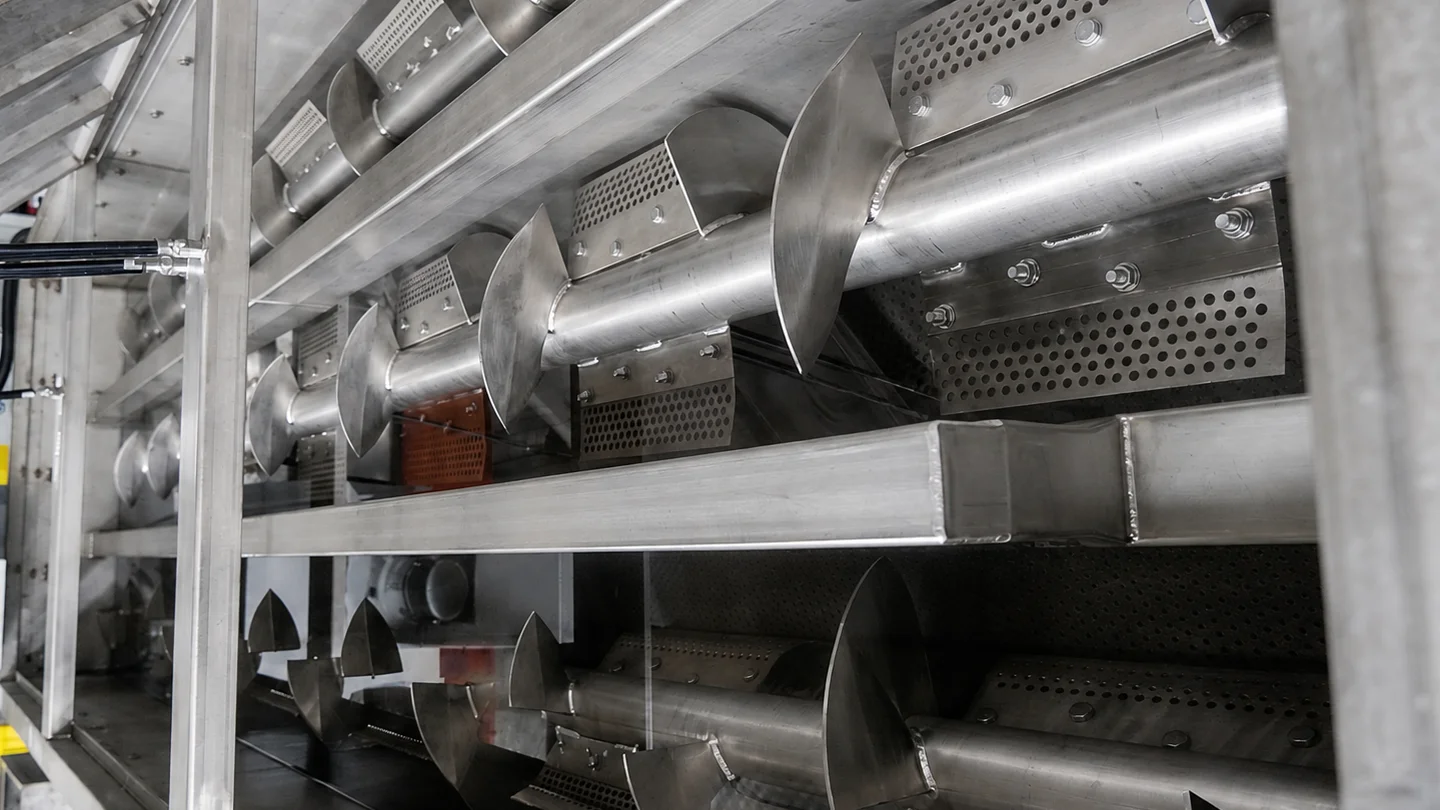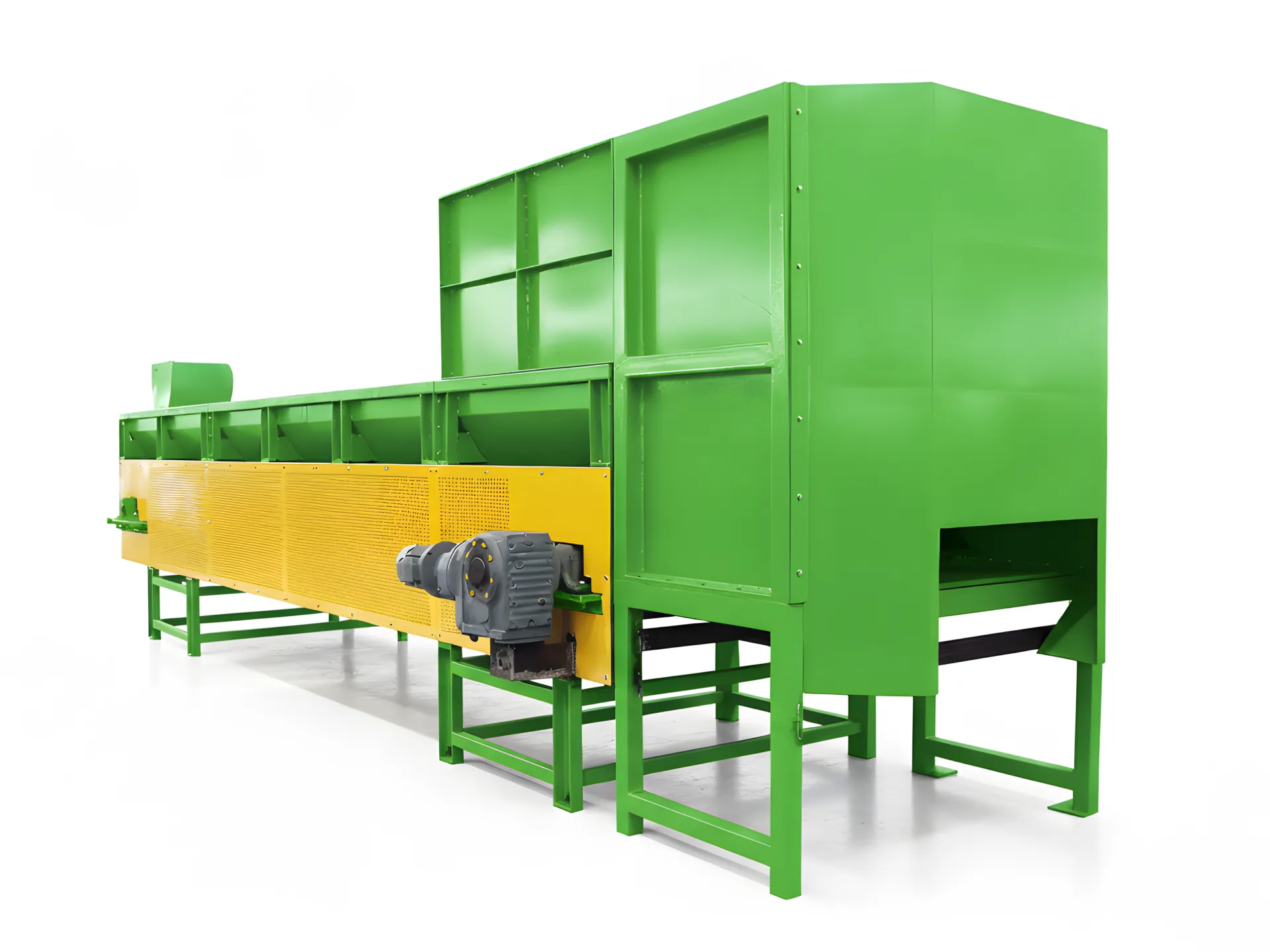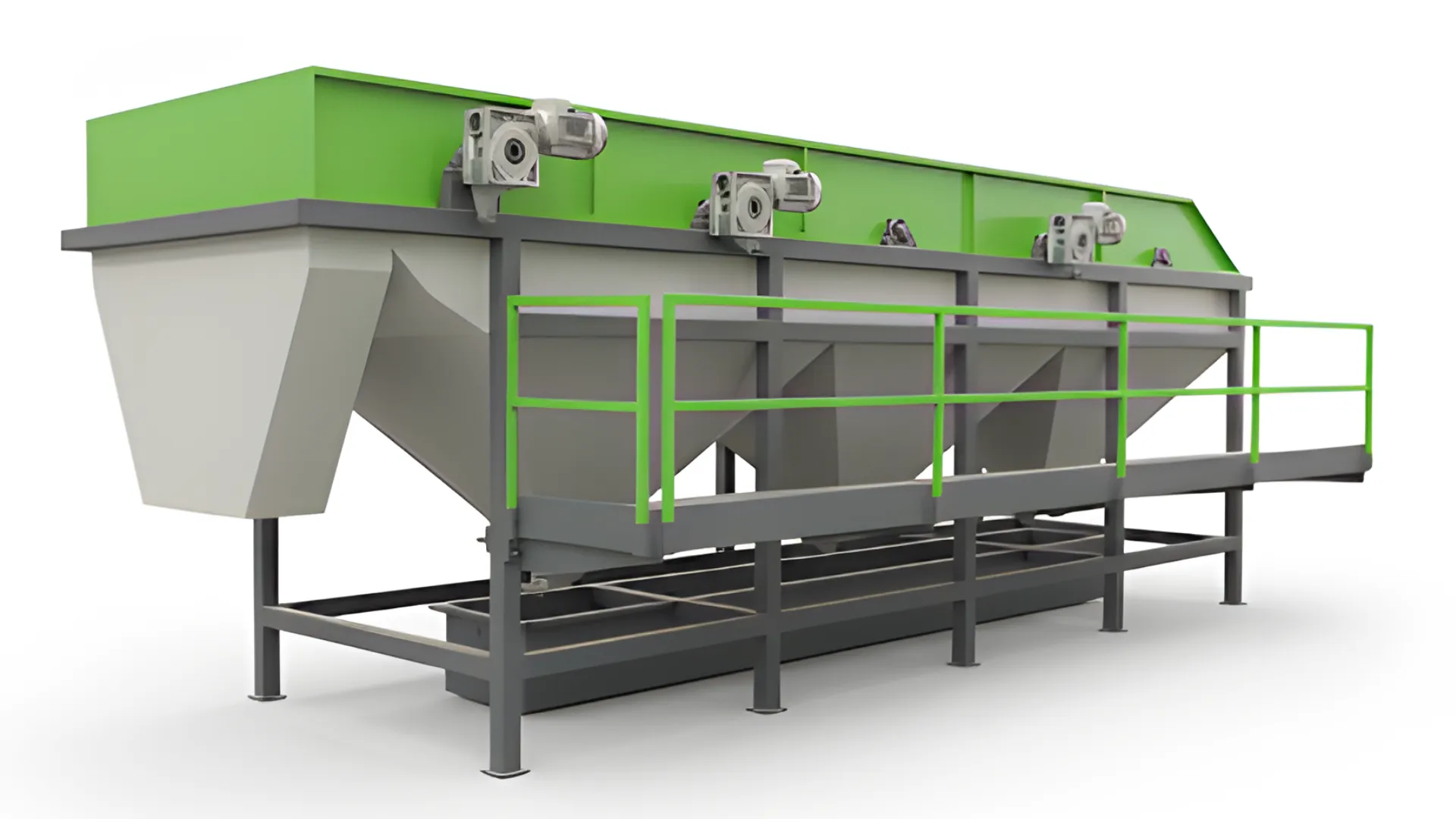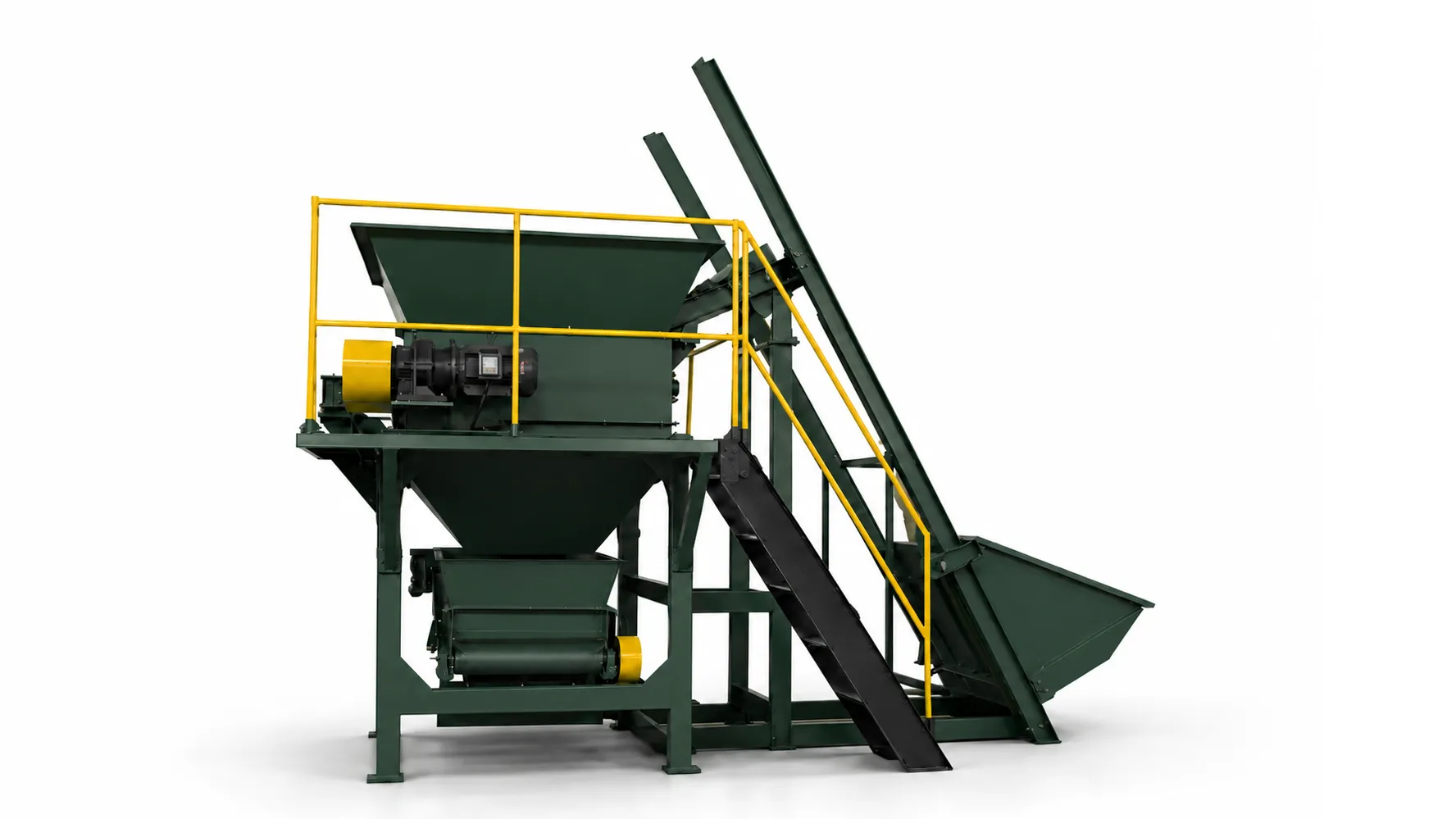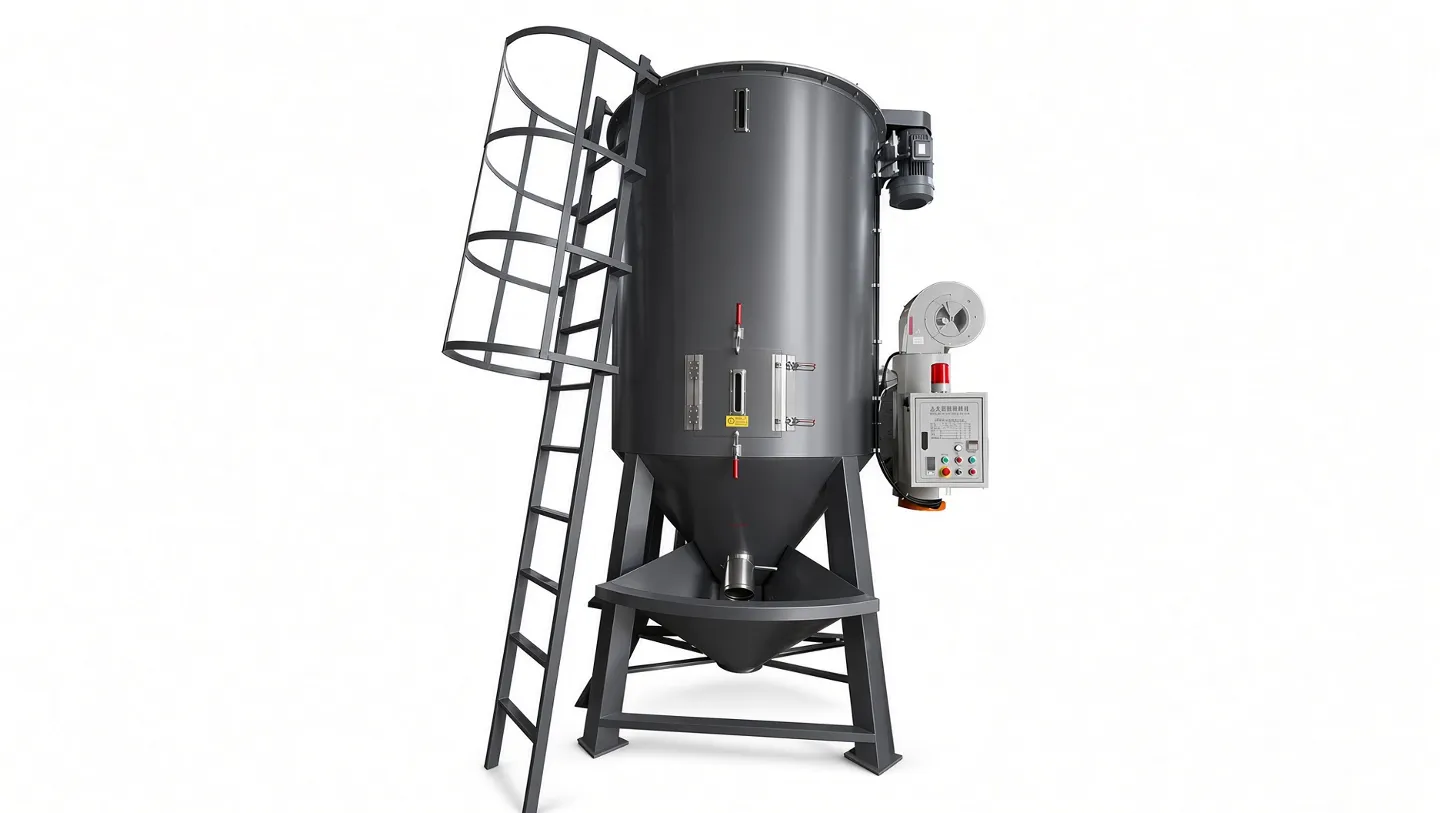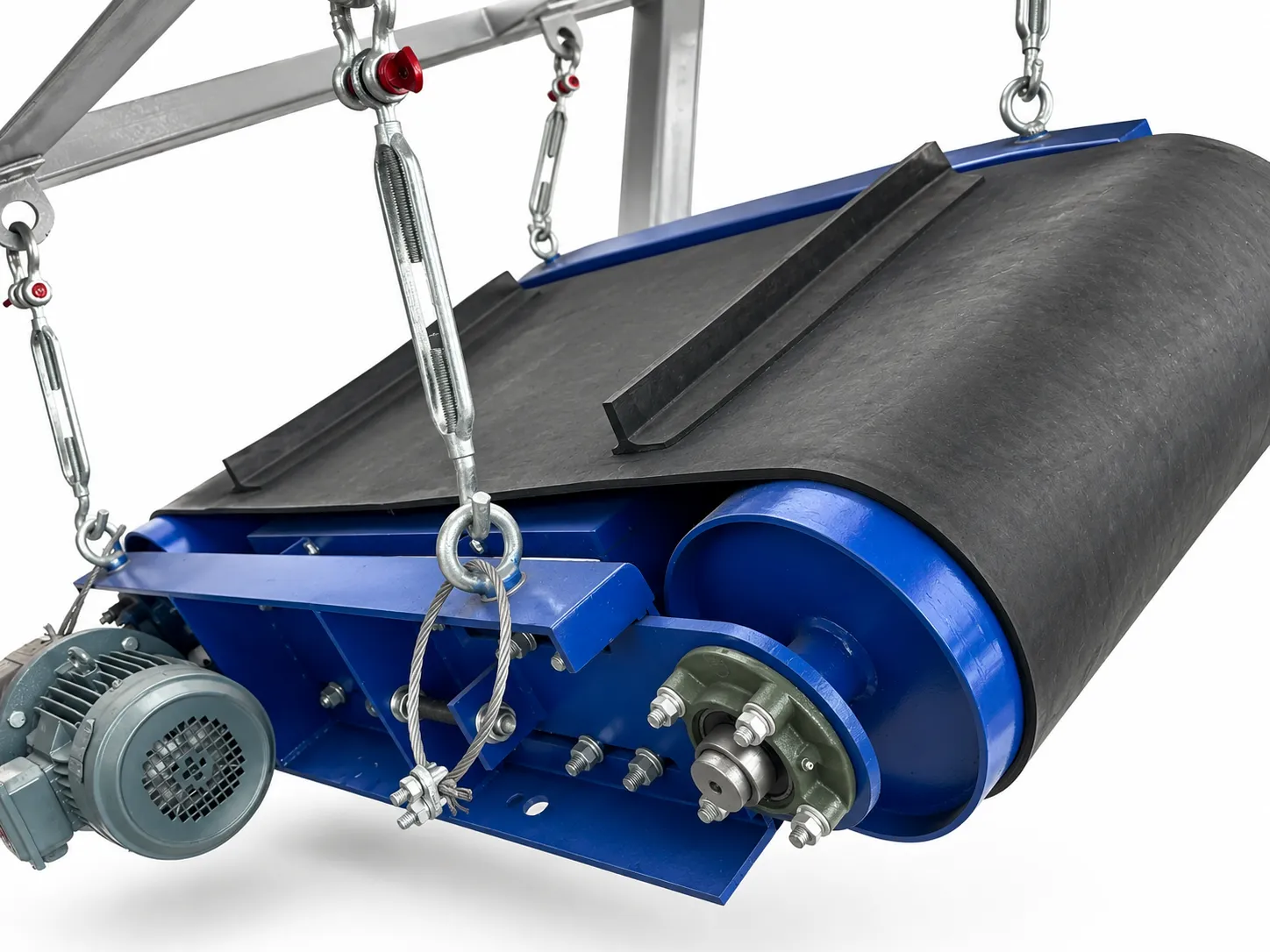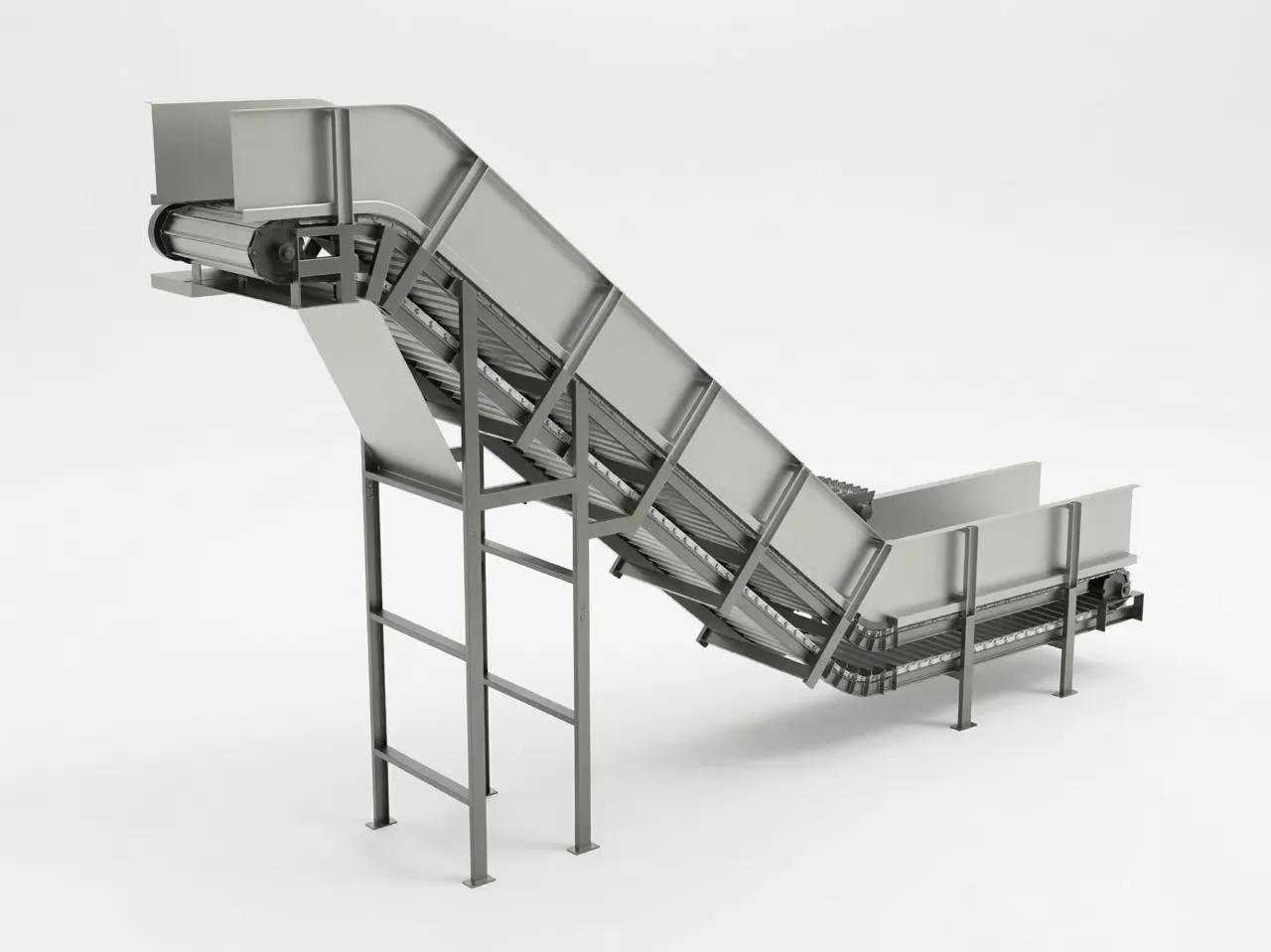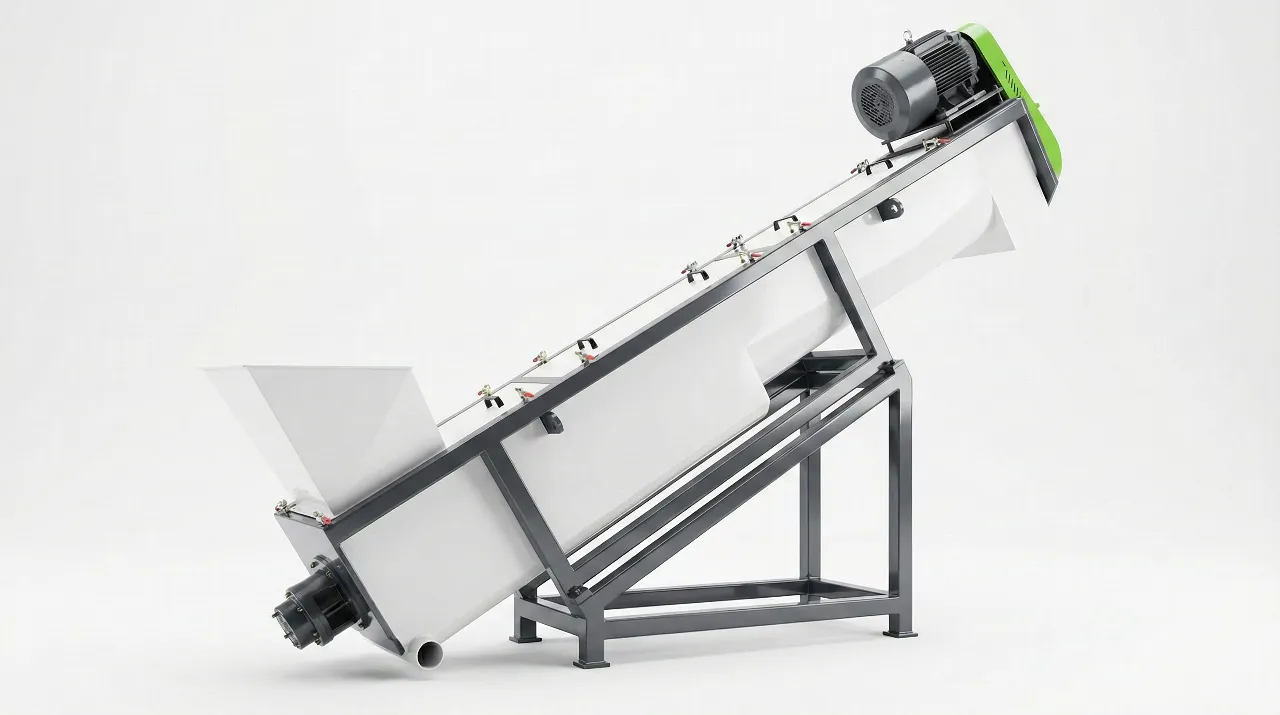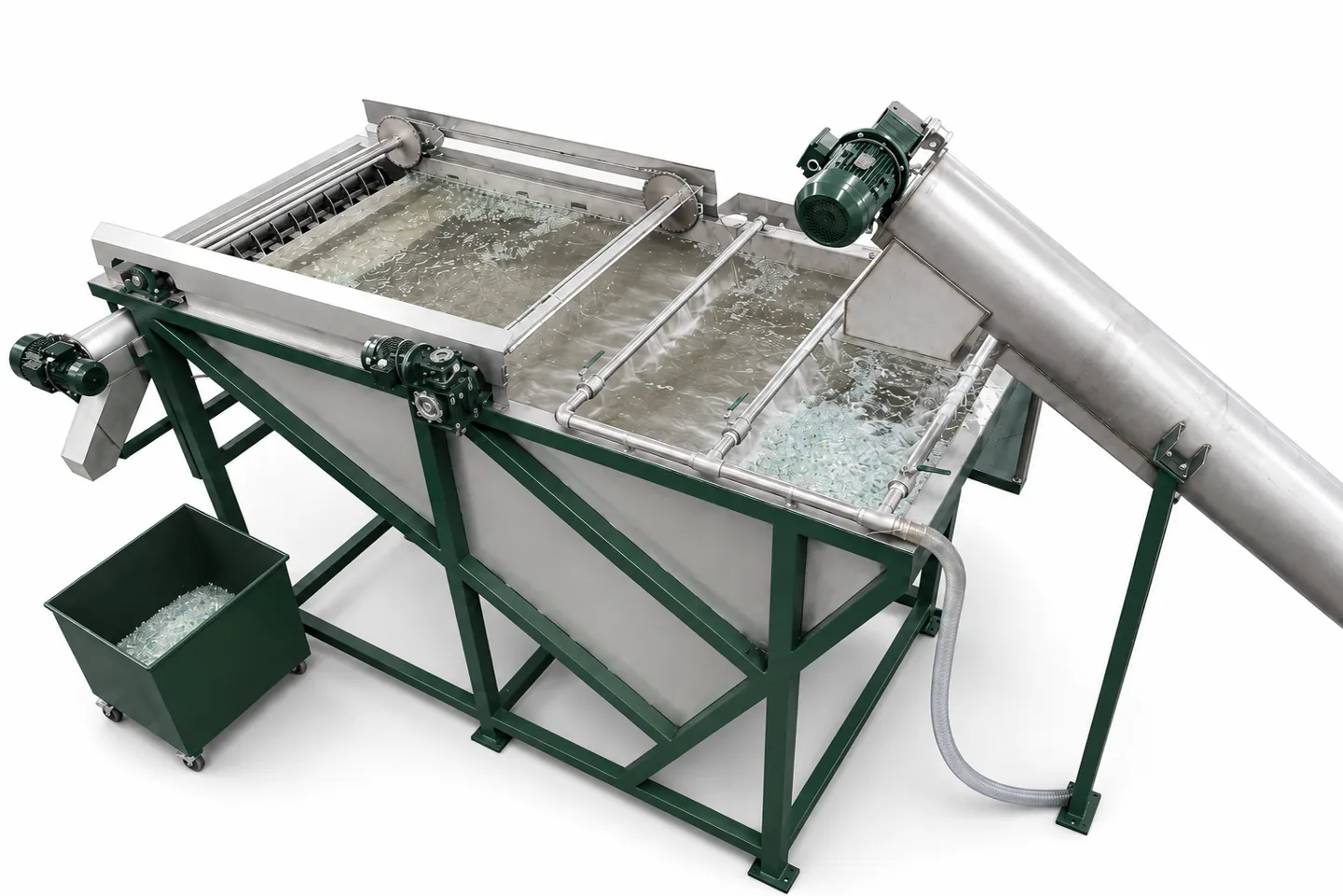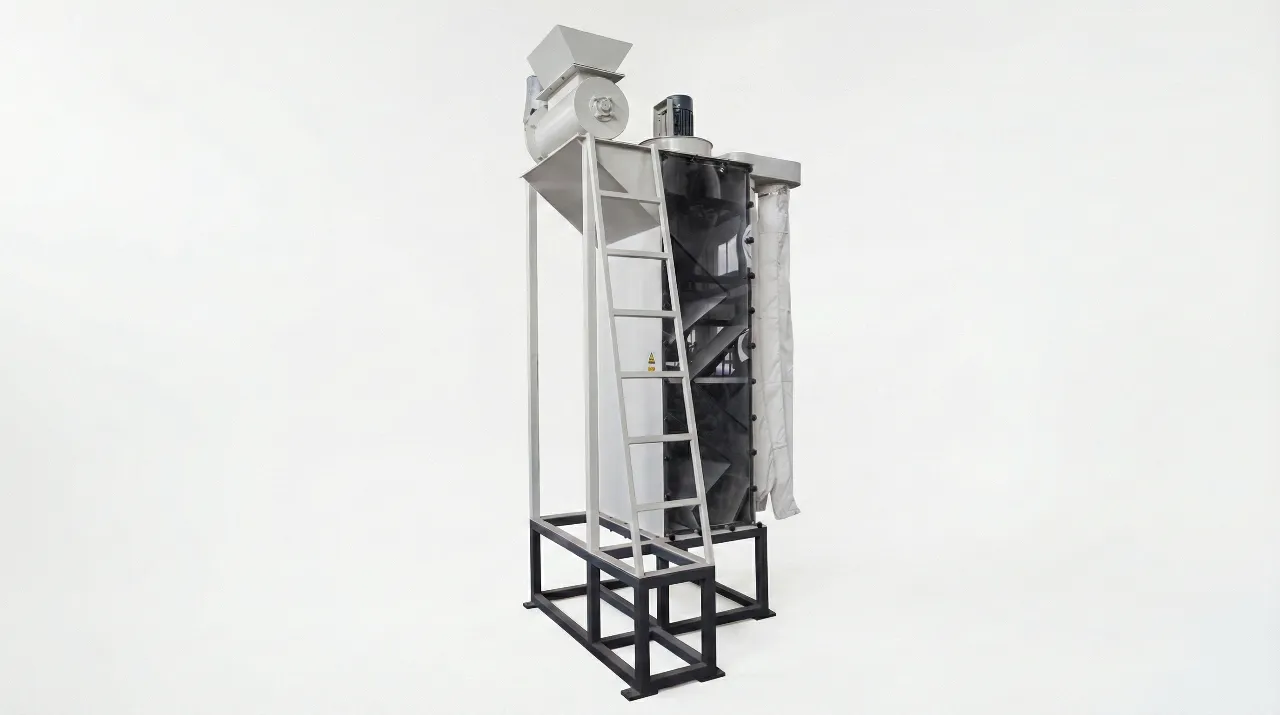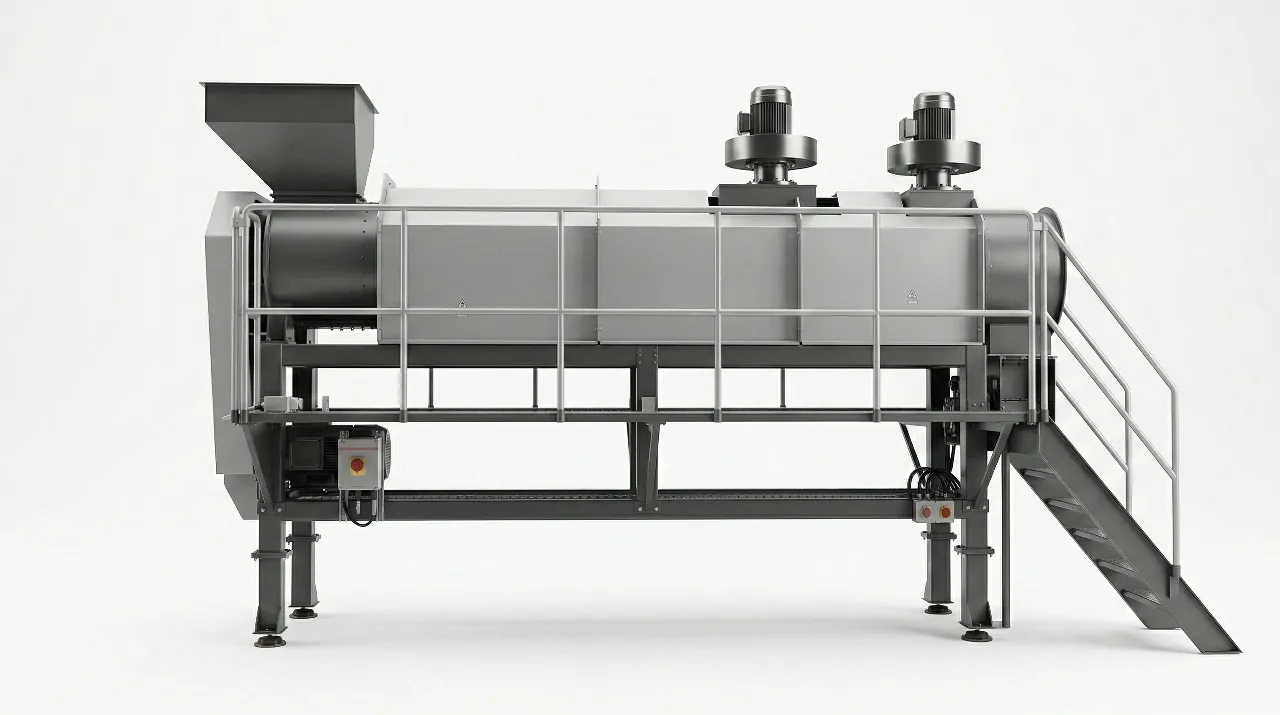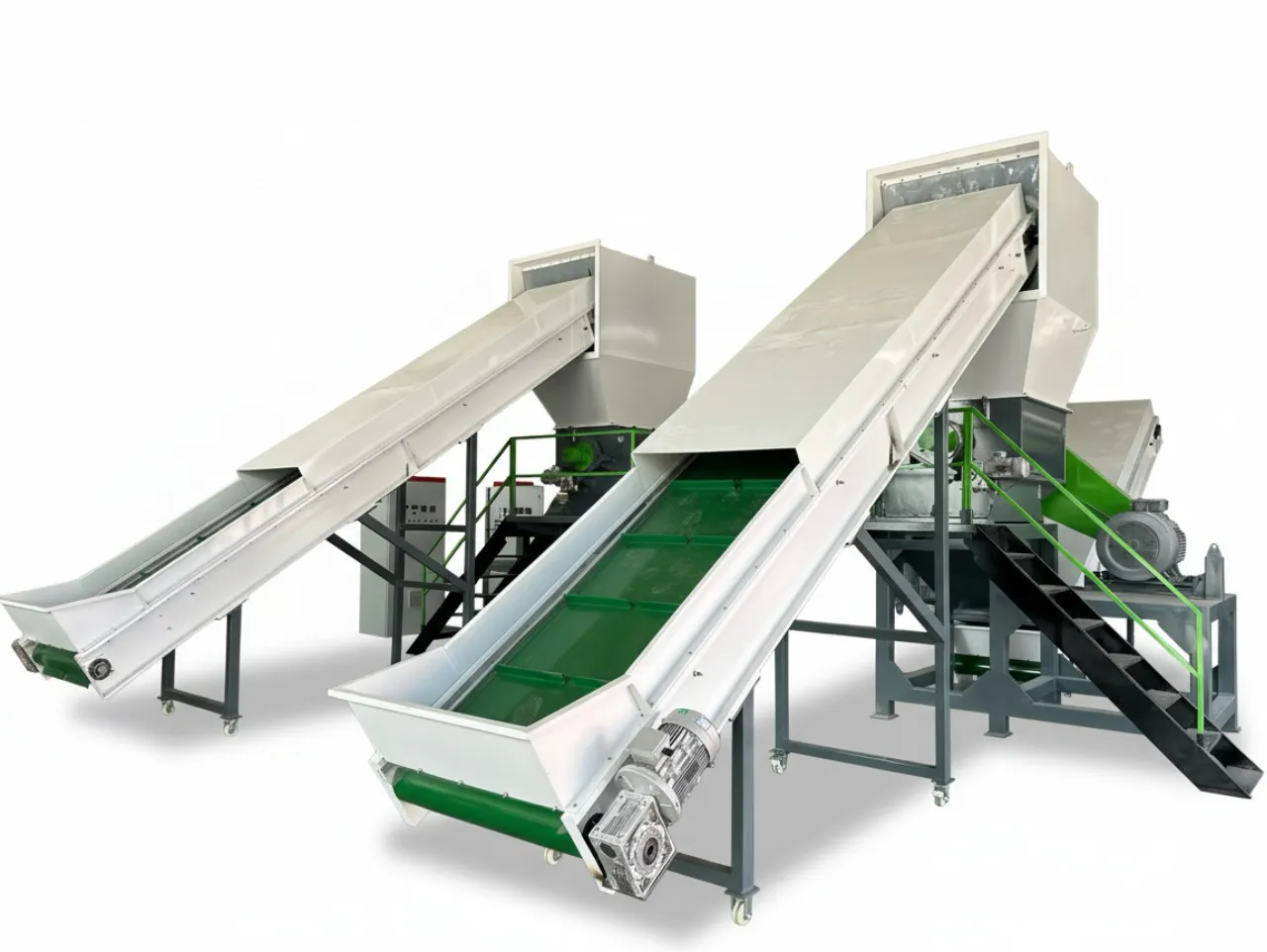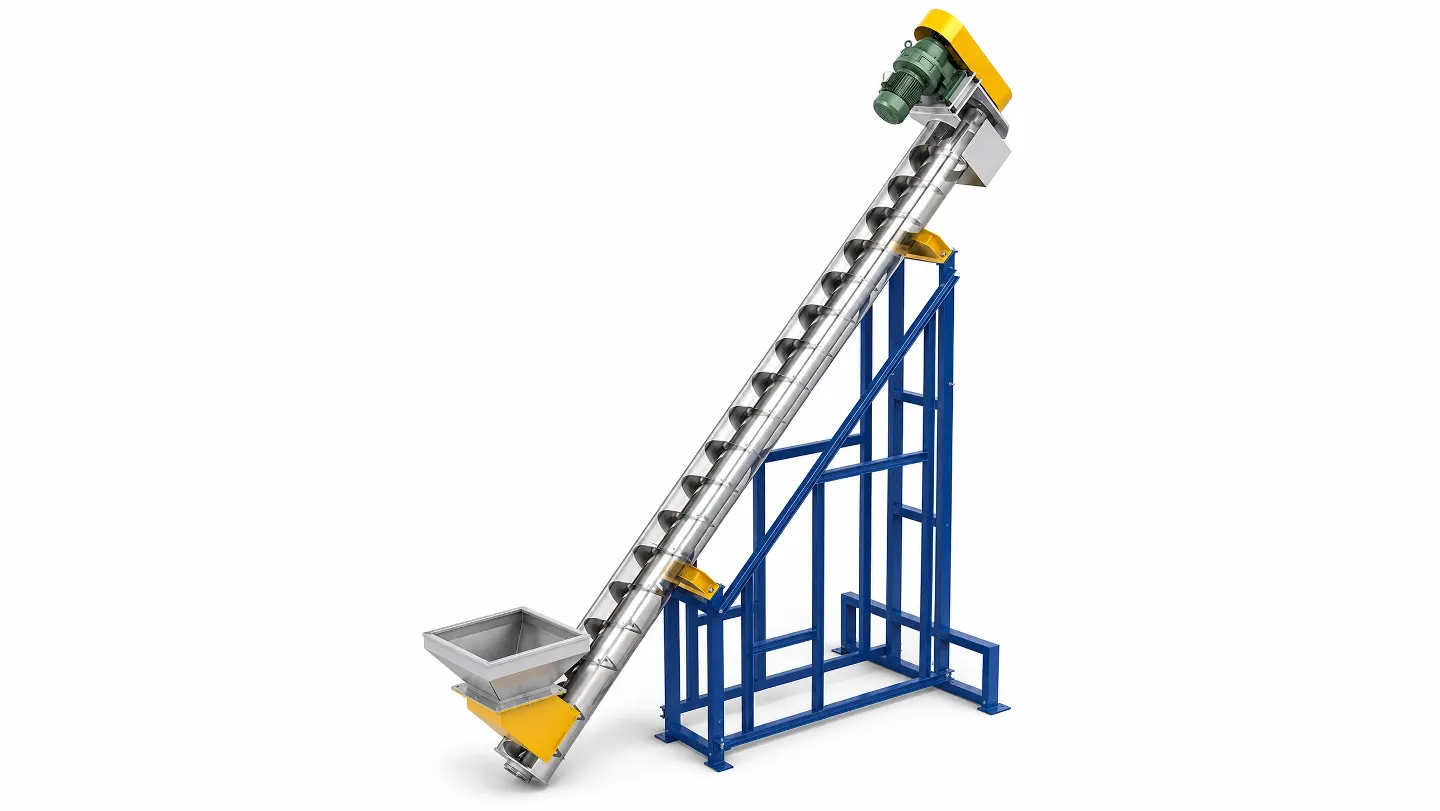

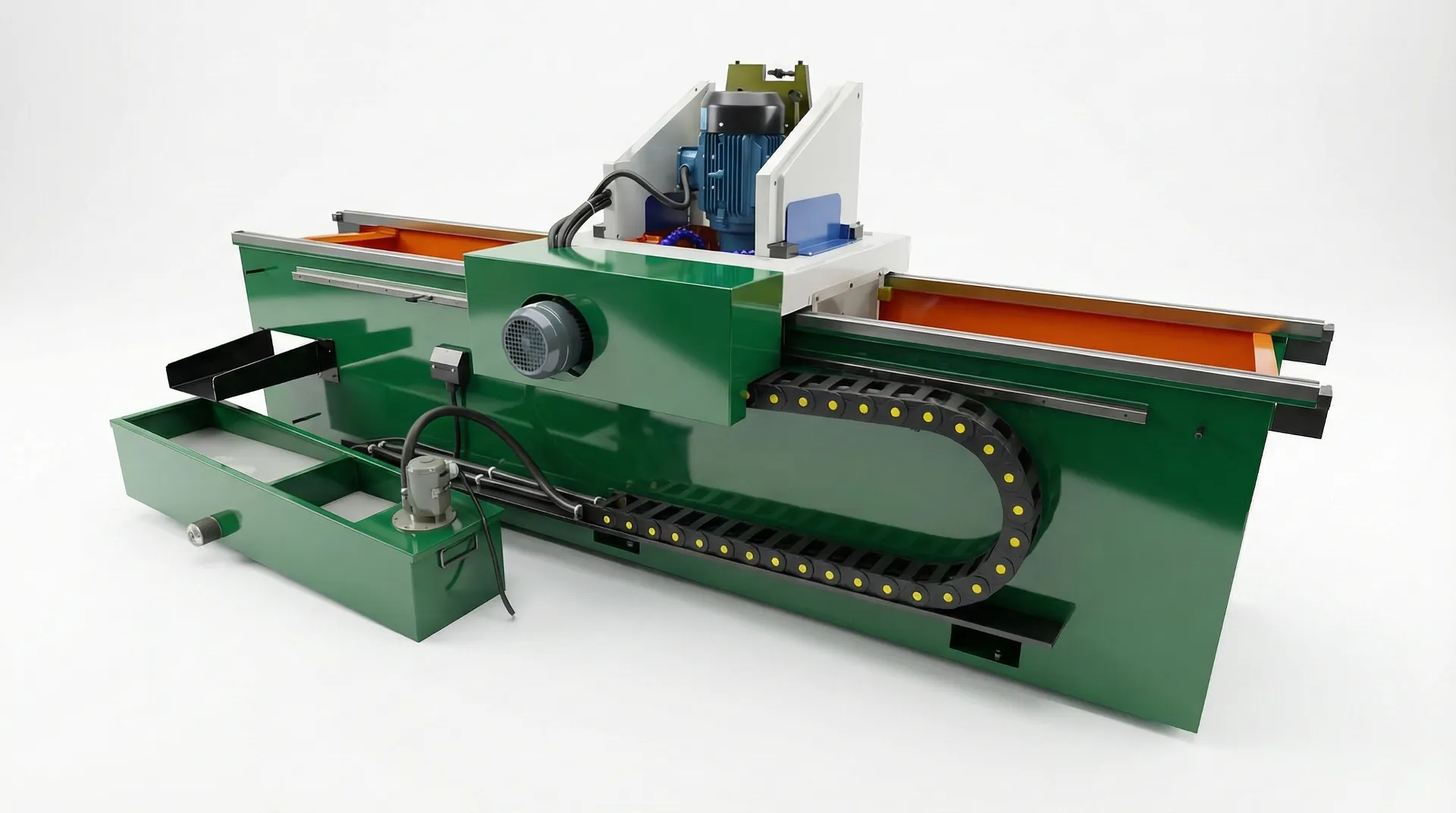


Our Disk Separator is a highly efficient machine designed to separate material streams based on size. Whether you're dealing with plastics, paper, metals, or other mixed materials, this machine ensures precise separation tailored to your needs. Its customizable features and robust construction make it a top choice for various industrial applications.


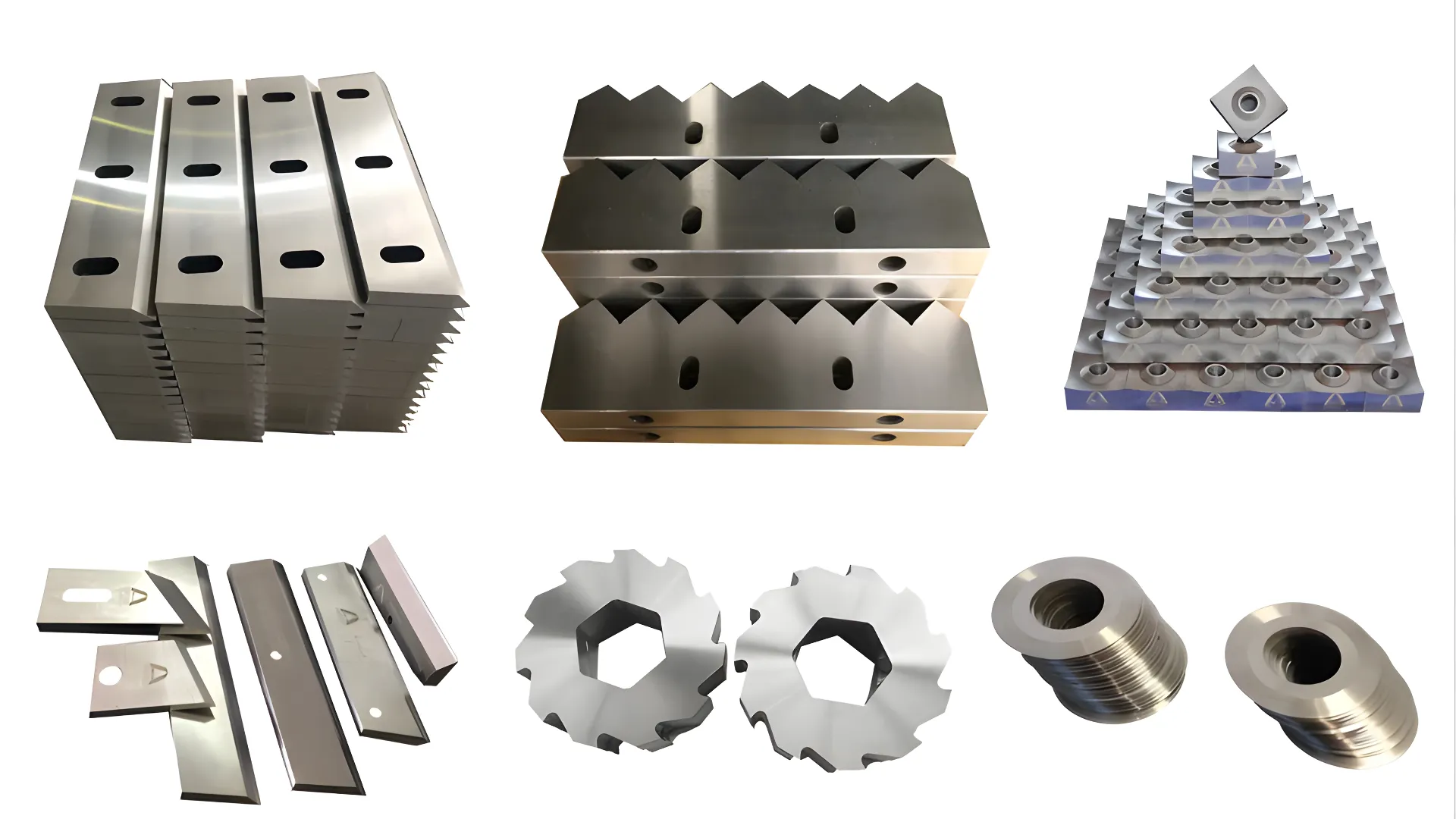
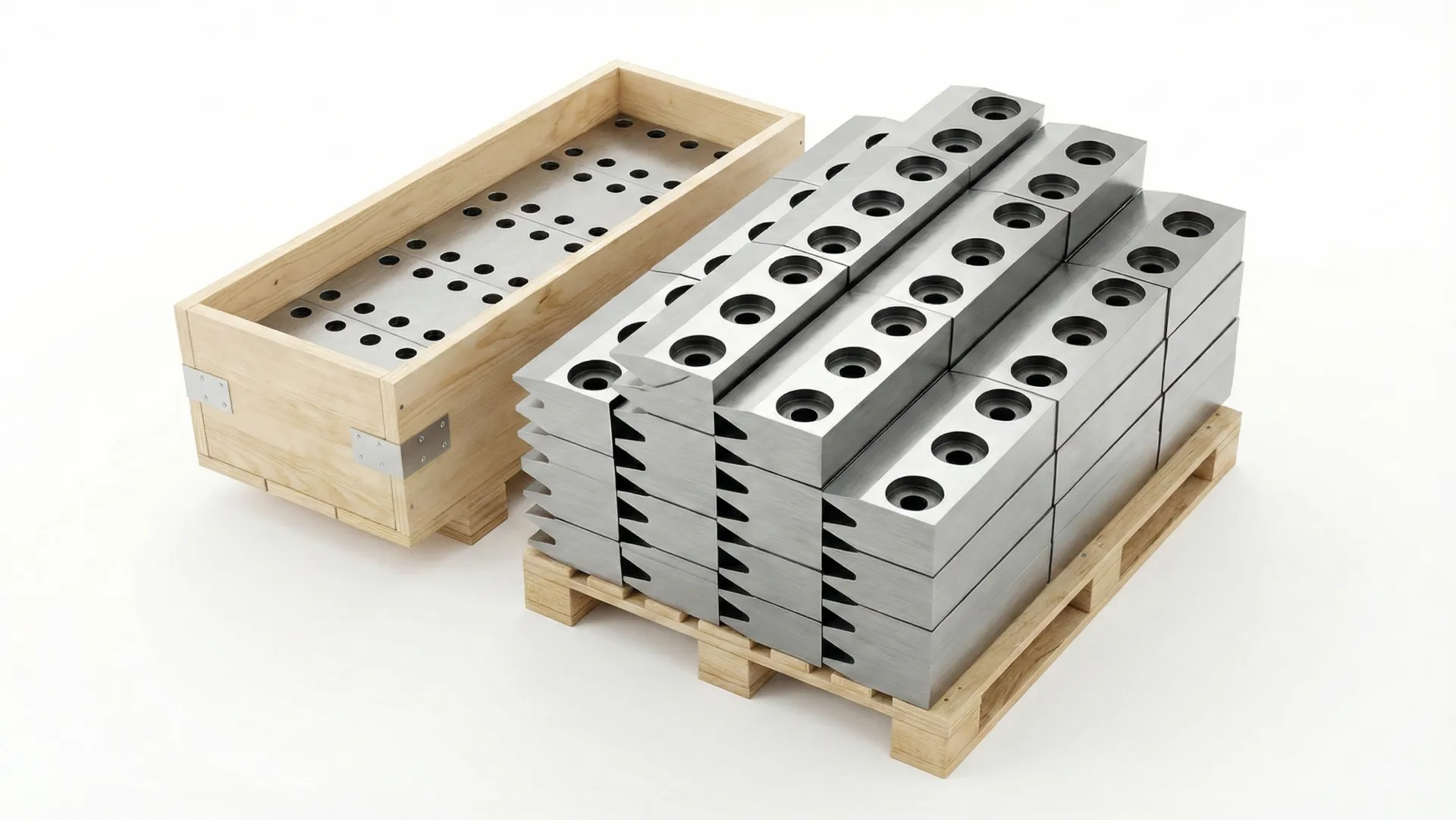
Maintaining the efficiency of your plastic recycling line depends on timely shredder blade replacement. Our replacement blades for plastic shredders are custom-machined from D2, DC53, and SKD-11 tool steel for durable, precise cutting — sized to fit your shredder's rotor and bed-knife geometry.
Key Features of Our Replacement Shredder Blades
- Tool-steel construction: machined from D2, DC53, or SKD-11 and heat-treated for hardness and wear resistance in tough shredding.
- Precise, repeatable cut: tight tolerances keep cut size consistent and reduce load on the rotor and motor.
- Custom fitment: made to your shredder's blade dimensions, bolt pattern, and clearance — including blades for other brands.
- Lower cost per ton: longer edge life and fewer changeovers cut blade spend and downtime.
Tool Steel Grades: D2, DC53 and SKD-11
The right steel depends on your feed. D2 balances wear resistance and toughness for general rigid plastics; DC53 adds toughness for abrasive, glass-filled material; SKD-11 suits hard plastics needing a fine, durable edge. For a full breakdown of blade steel grades and how to match them, see our guide to plastic recycling blade steels.
Shredder Blade Applications
- Plastic bottles: PET and HDPE bottles into uniform, recyclable pieces.
- Plastic film: PE/PP film and woven bags reduced to manageable size (anti-wrap geometry available).
- Rigid plastic and pipe: large-diameter HDPE/PVC pipe, profiles, and purgings.
- Mixed and bulky waste: drums, crates, and post-industrial scrap.
Custom-Machined to Fit Your Shredder
Send your blade drawing or sample, or your shredder make and model. We machine replacement blades to the exact length, width, thickness, bolt holes, and edge angle — so they drop in without modification and hold the clearance your cut quality depends on.
When to Replace Shredder Blades
Replace blades before a rounded edge starts costing you throughput. The practical signs:
- Cut size drifts larger or becomes inconsistent.
- More fines, strings, or uncut pieces in the output.
- Higher motor amp draw and more frequent jams.
- Visible rounding, chipping, or cracks on the cutting edge.
Where the edge is only dulled and the body is sound, many blades can be reground rather than replaced — see how to replace and maintain shredder blades.
Frequently Asked Questions
How often should shredder blades be replaced?
It depends on material and runtime, not a fixed interval. Abrasive or contaminated feed such as glass-filled plastic or mixed waste dulls edges faster than clean plastic. Replace when cut size drifts, fines increase, or amp draw climbs — and regrind earlier to extend total blade life.
Can I get replacement blades for another brand of shredder?
Yes. We machine blades to your drawing, sample, or shredder make and model, so they fit existing rotors without modification.
What tool steel are the blades made from?
Typically D2, DC53, or SKD-11, selected and heat-treated for your feed — abrasive material favors DC53, hard plastics favor SKD-11.
Should I replace or resharpen worn blades?
Resharpen while the blade still has usable steel above its minimum dimension and no cracks; replace once it reaches the wear limit or develops structural damage.
Inquire Now
To get the latest prices and lead times, send us a message using the form below.
See our recycling machine blades overview for the full range of blades across shredders, crushers, granulators, and pelletizers.


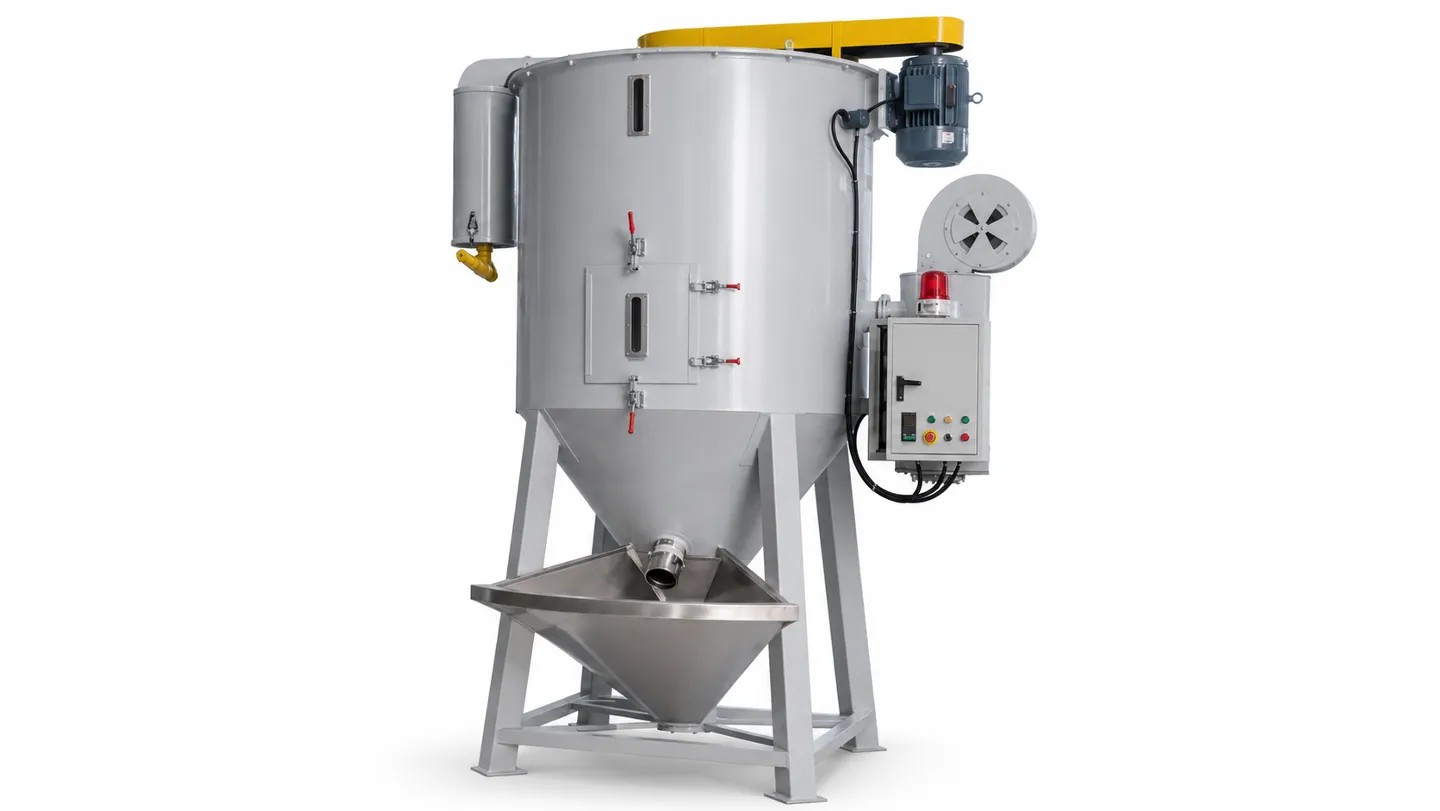
Vertical Mixing and Drying Machine
Vertical Mixing & Drying Machine
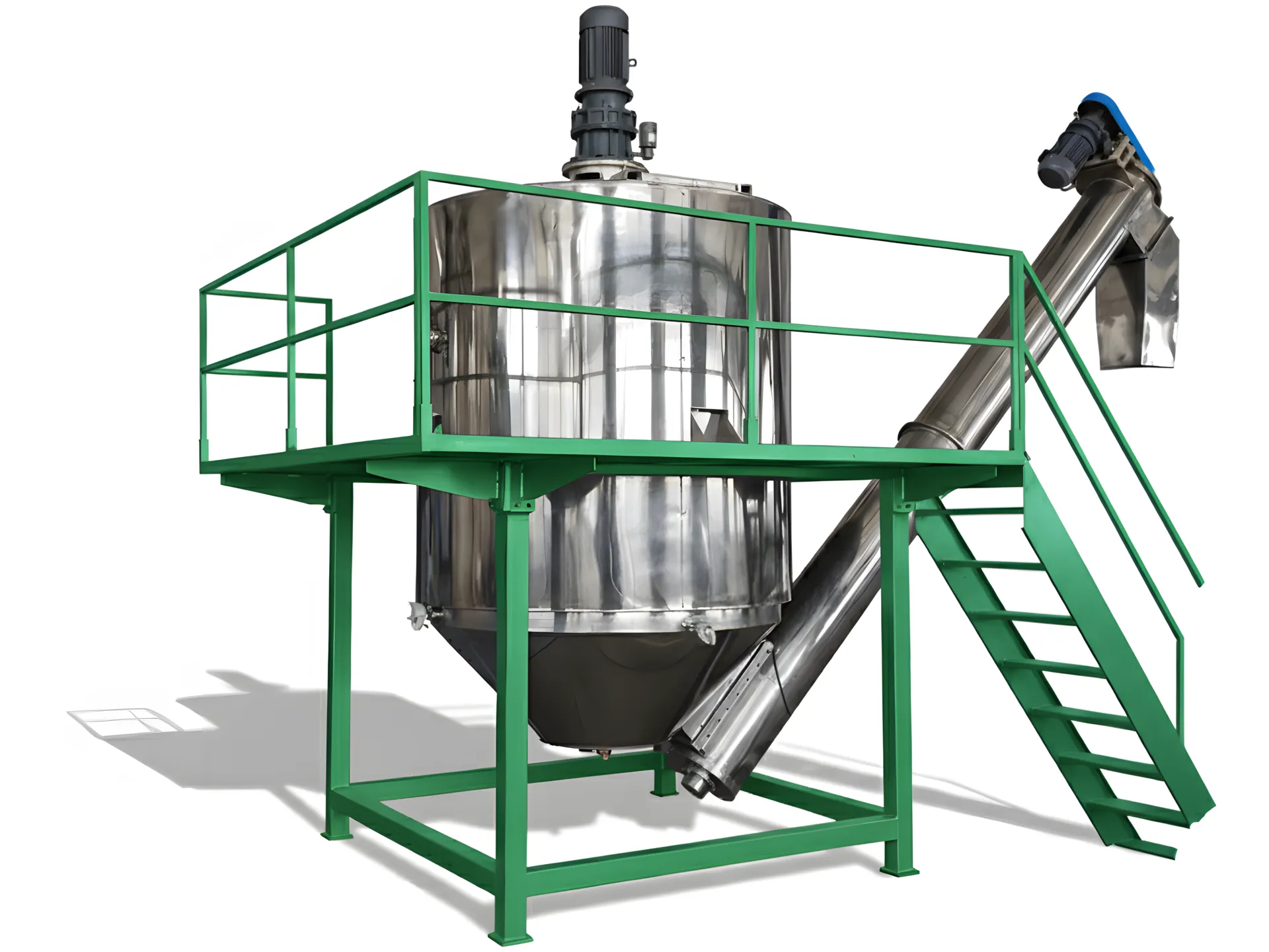
A compact, high-efficiency unit that blends powders or granules and removes moisture using controlled heating and airflow—ideal for plastics processing and industrial material preparation.

Key Features
Designed for stable mixing, efficient drying, and easy operation—built with industrial durability in mind.
- outboxVertical Tank Design
Vertical cylindrical tank with conical bottom for efficient mixing and discharge, with a compact footprint.
- categoryDurable Materials
Commonly built with corrosion-resistant stainless steel to withstand demanding industrial environments.
- thermostatHeating & Drying
Integrated heating system supports moisture removal and stable processing for temperature-sensitive materials.
- memoryControl System
Set and monitor parameters like temperature, mixing speed, and time for repeatable results.
- shieldSafety Protection
Emergency stop and safety interlocks help protect operators and reduce operational risk.
- support_agentOptional Accessories
Options like spray nozzles for liquid dosing or vacuum support for deaeration can be added.
How It Works: Mixing + Drying in One
A simple 3-step workflow that blends materials uniformly, removes moisture using heating + airflow, and discharges cleanly for the next process.
- inventory_21) Feeding
Load powder, granules, pellets, or flakes into the vertical chamber—optional dosing supports stable batch control.
- category2) Mixing
The mixing system circulates materials throughout the tank to improve uniformity, ideal for blending additives or masterbatch.
- thermostat3) Heating, Drying & Discharge
Controlled heating with hot-air circulation removes moisture, then the conical bottom supports fast, clean discharge to downstream equipment.
Technical Parameters
Reference specifications for a standard configuration. We support customization based on material and site requirements.
| Name | Specification |
|---|---|
| Volume | 3000 L |
| Power | 4 kW |
| Heating Power | 42 kW |
| Fan / Blower | 2.2 kW |
| Plate Thickness | 2.5 mm |
| Spindle Specifications | φ60 × 4 |
| Blade Thickness | 3 mm |
| Screw Diameter | φ273 |
| Equipment Weight | 700 kg |
| Dimensions | L1900 × W2300 × H3100 |
Applications
Suitable for powders, granules, and lightweight materials across plastics and general manufacturing.
- airPlastics Processing
Mixing and drying plastic pellets, flakes, or regrind for stable downstream extrusion or molding.
- water_dropChemical Industry
Mixing and drying chemical compounds to achieve consistent blending and moisture control.
- categoryFood & Beverage
Mixing spices and powders while reducing moisture for better consistency and preservation.
- move_to_inboxPharma & Cosmetics
Homogeneous mixing of ingredients and controlled drying to meet process requirements.
Benefits
A single machine that improves throughput, consistency, and operating efficiency.
- airHigher Efficiency
Combines mixing and drying into one unit to reduce handling time and simplify your workflow.
- verifiedConsistent Quality
Improves homogeneity and moisture stability for reliable downstream processing.
- thermostatEnergy Saving
Optimized thermal and airflow design helps reduce overall operating costs.
- workspace_premiumCompact Footprint
Vertical orientation saves floor space while maintaining working volume.
Image Gallery


Maintenance & Care
Routine inspection and cleaning help ensure stable output and long service life.
- scheduleRoutine Checks
Inspect key components, heating elements, and safety interlocks on a regular schedule.
- categoryLubrication
Maintain bearings and moving parts with proper lubrication to reduce wear and noise.
- precision_manufacturingCleaning
Clean the chamber after production runs to prevent buildup and cross-contamination.
- airCalibration
Verify temperature and timing settings for consistent drying performance.
Frequently Asked Questions
It’s suitable for many powders and granules, including plastic pellets/flakes, chemical compounds, and certain food or pharma powders. Tell us your material type and moisture level for confirmation.
Yes. The vertical mixing design supports consistent blending. We can recommend mixing speed/time based on bulk density and additive percentage.
Selection depends on batch size, target throughput, moisture content, and available installation space. Share your process details and we’ll propose a suitable configuration.
We support common industrial power standards and can customize for your region. Provide your voltage/frequency and site layout to confirm wiring and auxiliary equipment.
We recommend cleaning the chamber after production and following a routine inspection/lubrication plan. A maintenance guide and spare-parts list are available.
Yes. We offer remote or on-site commissioning options, operator training, and after-sales support with recommended spare parts for quick maintenance.
Inquire Now
Tell us your material type, target capacity, and power standard—our team will recommend the best solution.


Looking for a reliable way to bind your bales tightly and efficiently? Galvanized iron wire is the perfect solution for a variety of baling applications.
This durable wire is specifically designed for use with automatic horizontal balers, semi-automatic horizontal balers, and vertical balers.