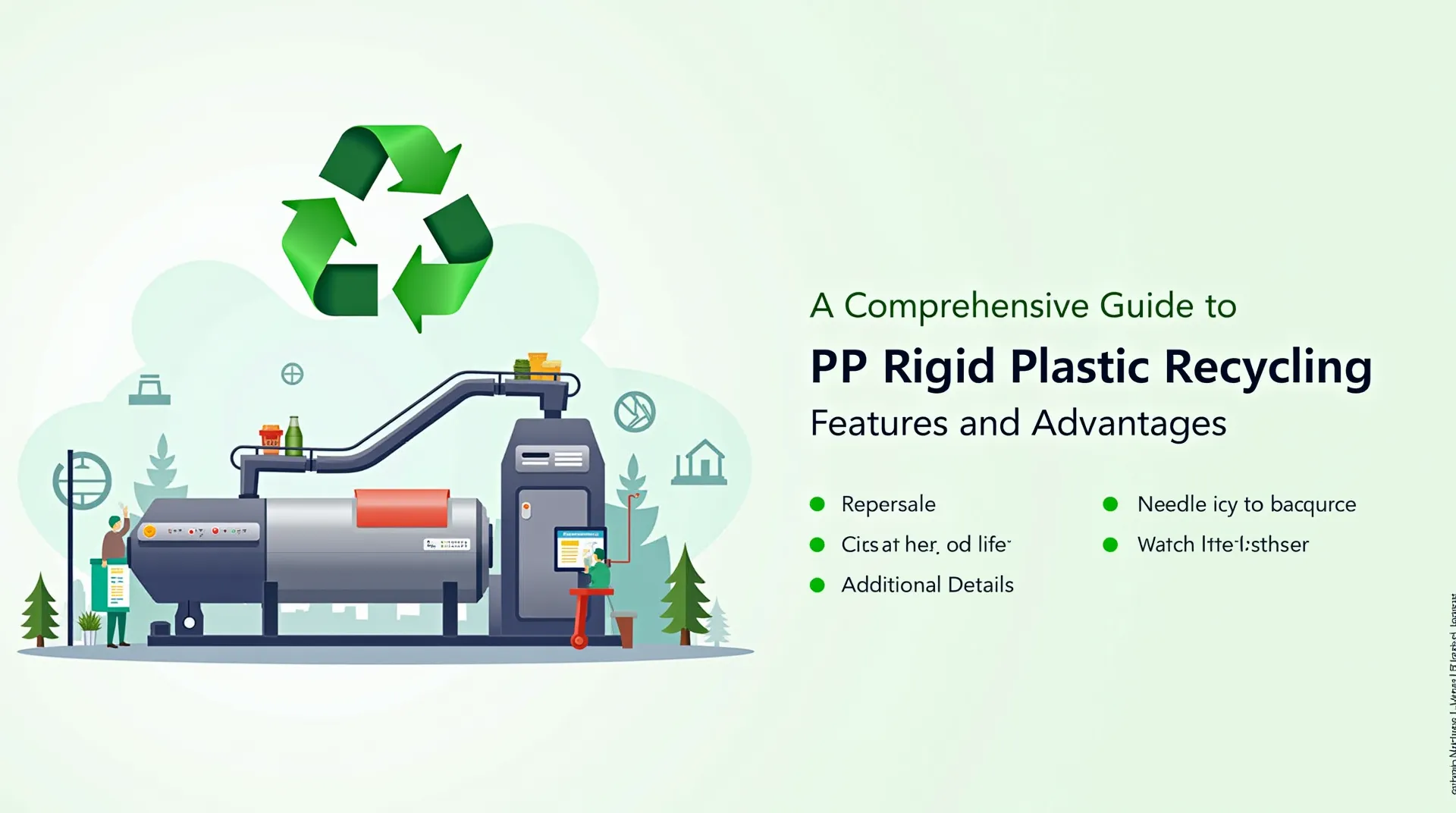
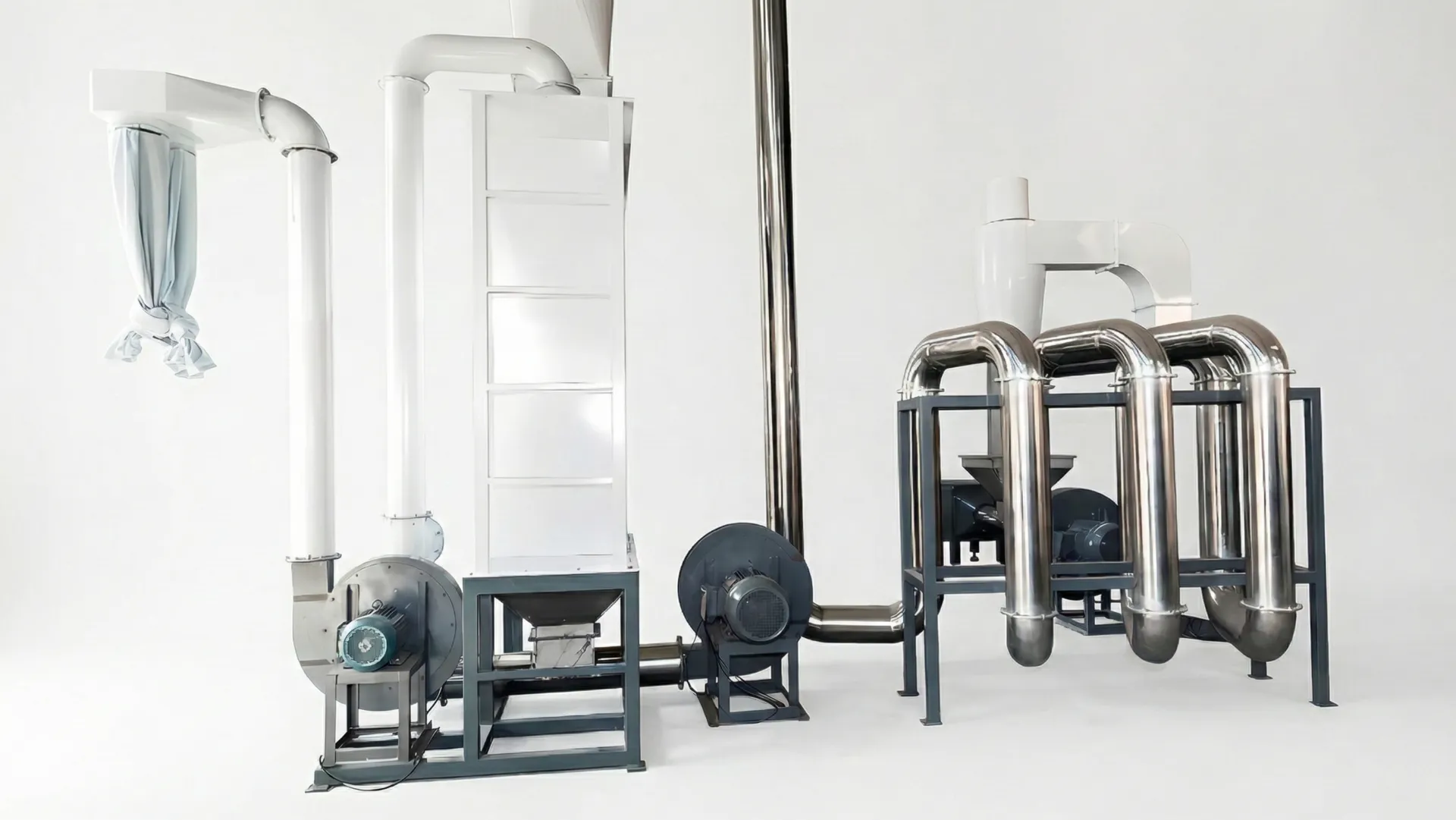
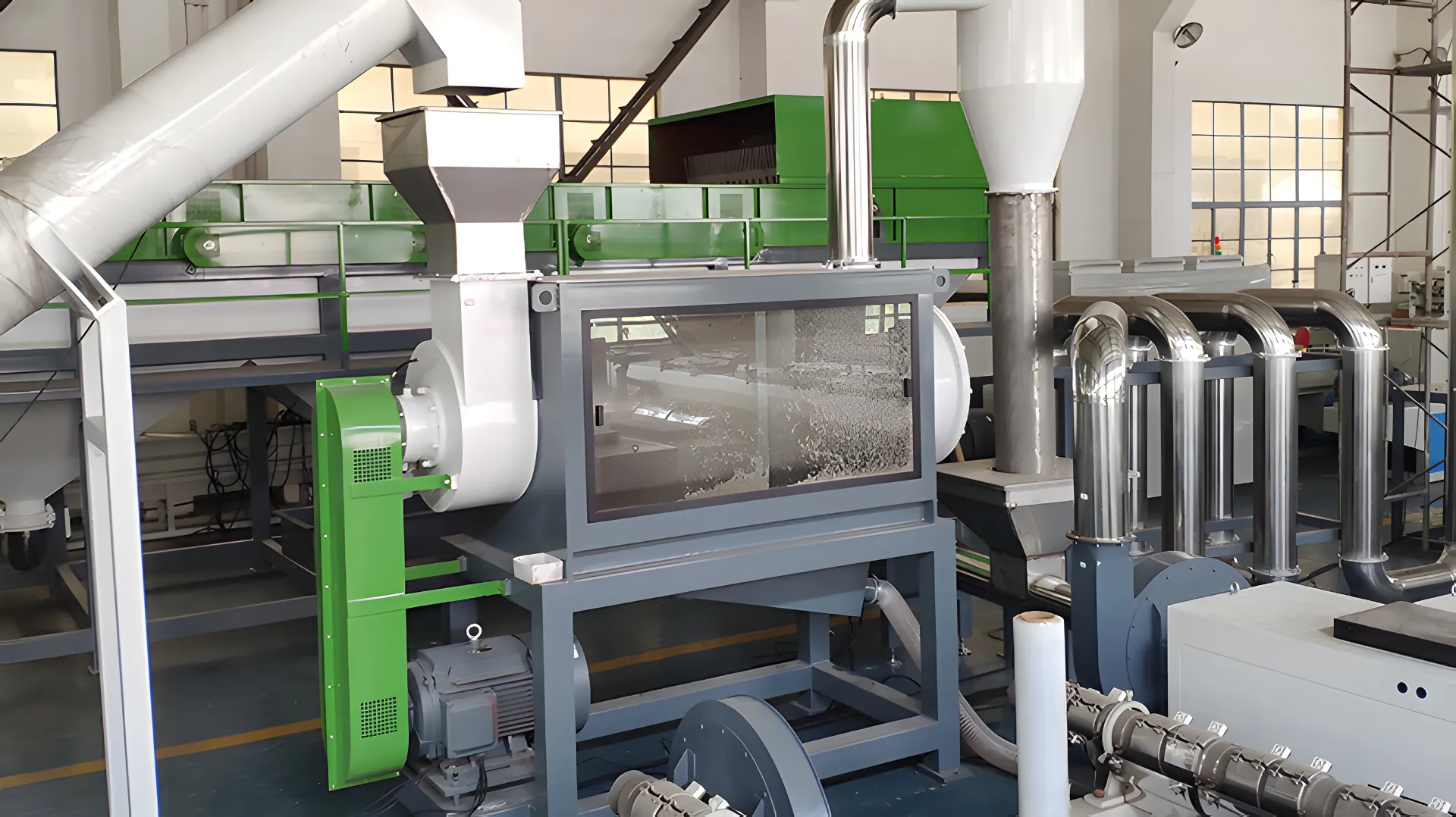
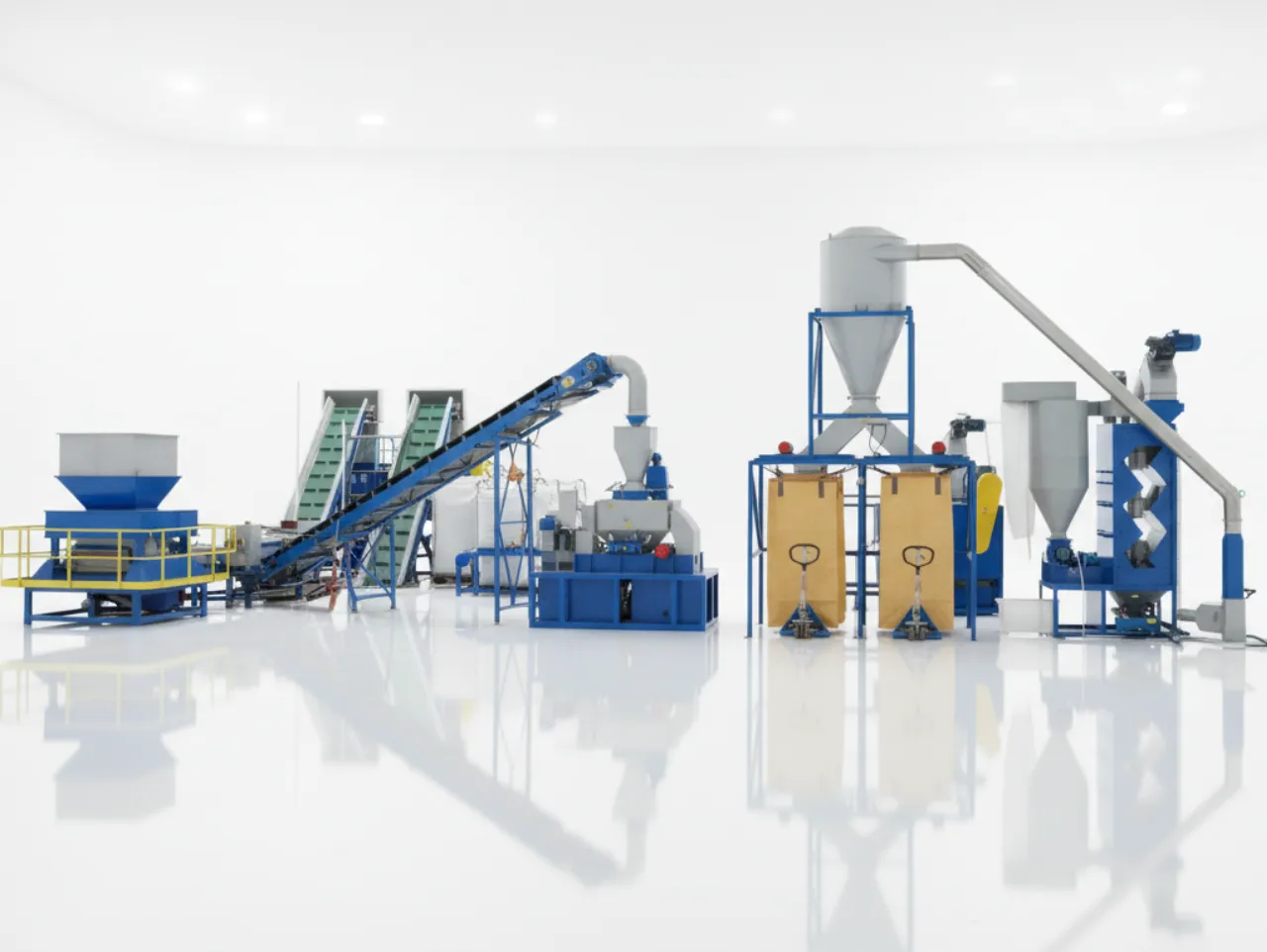
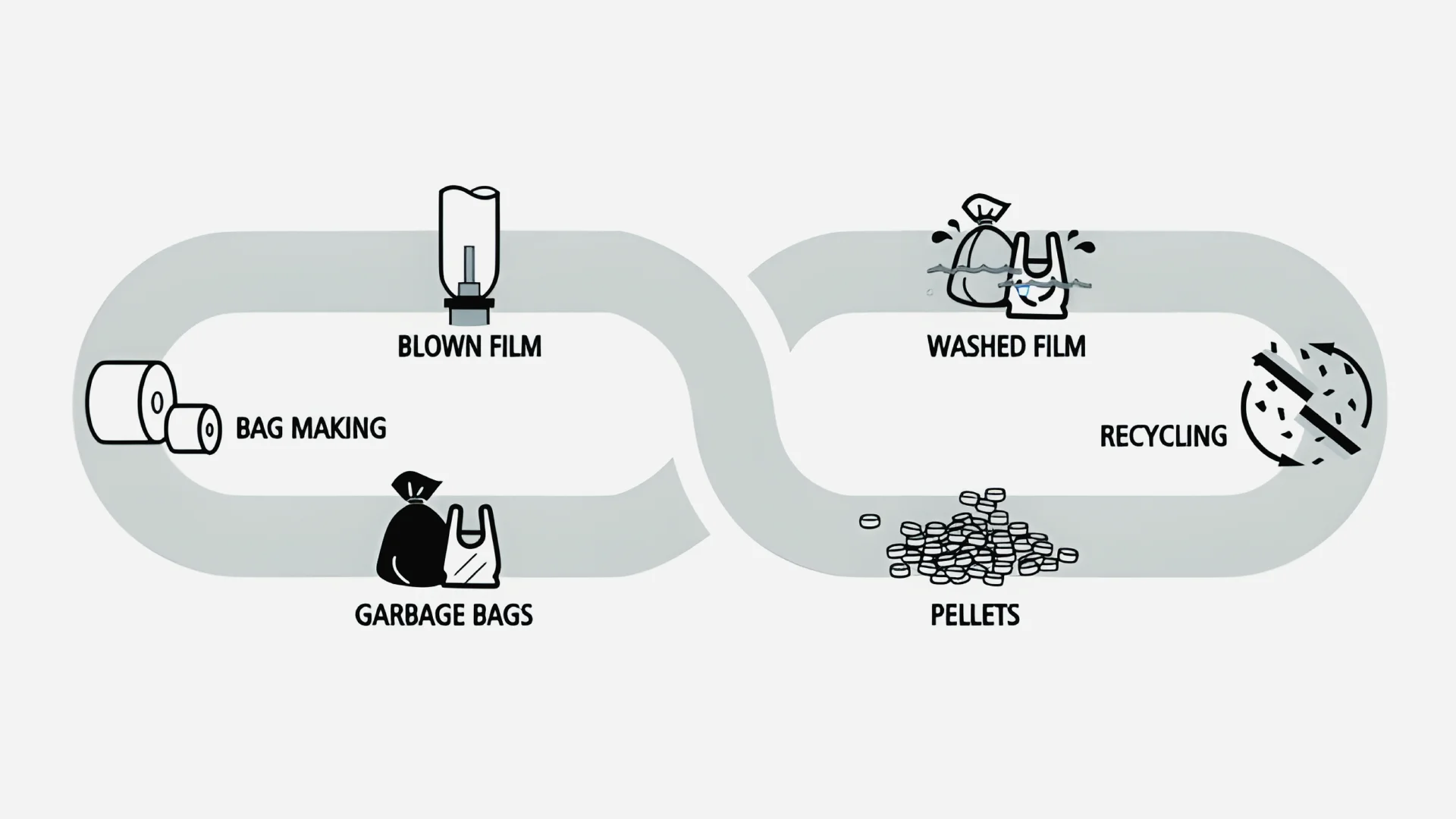
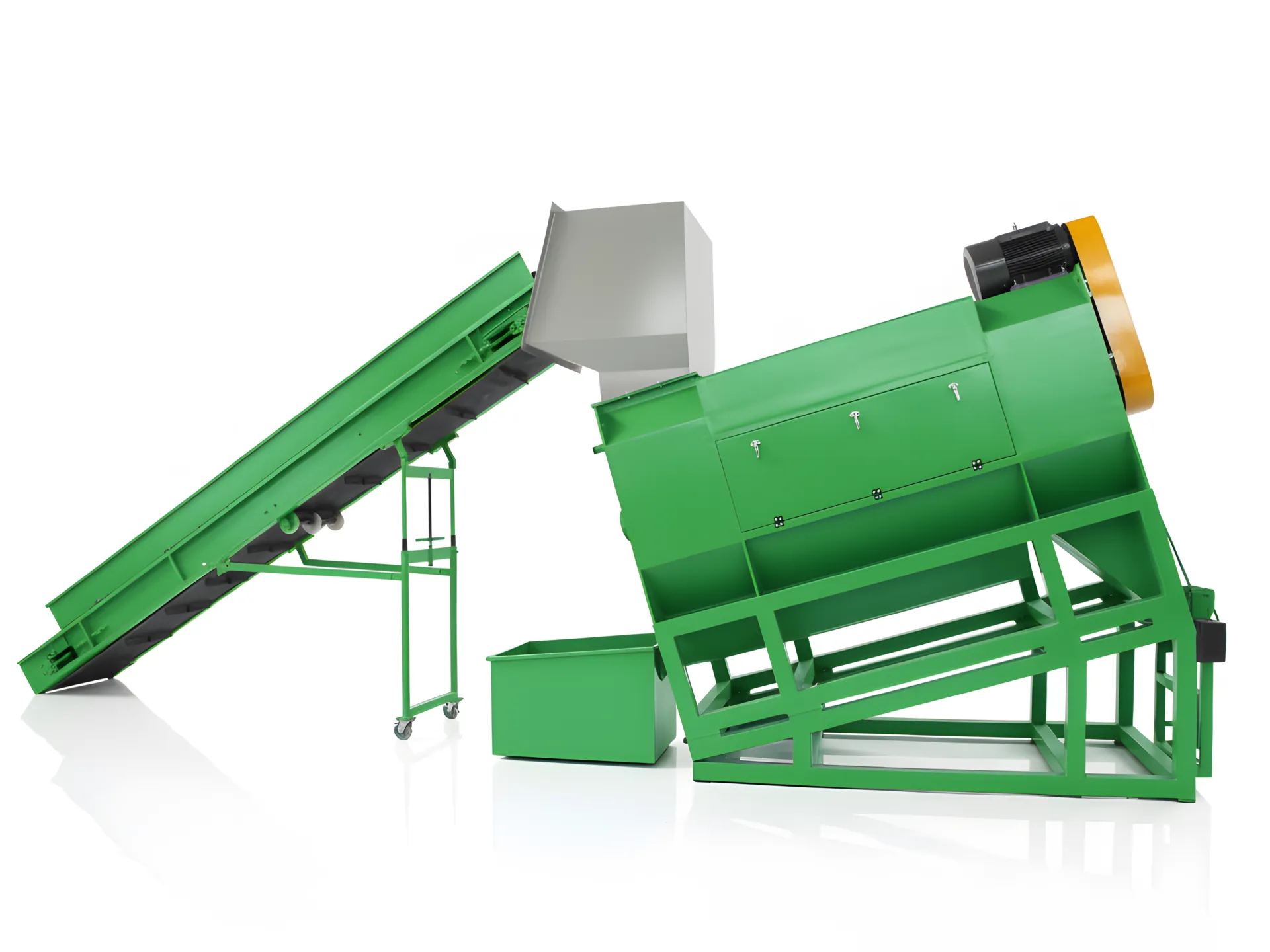
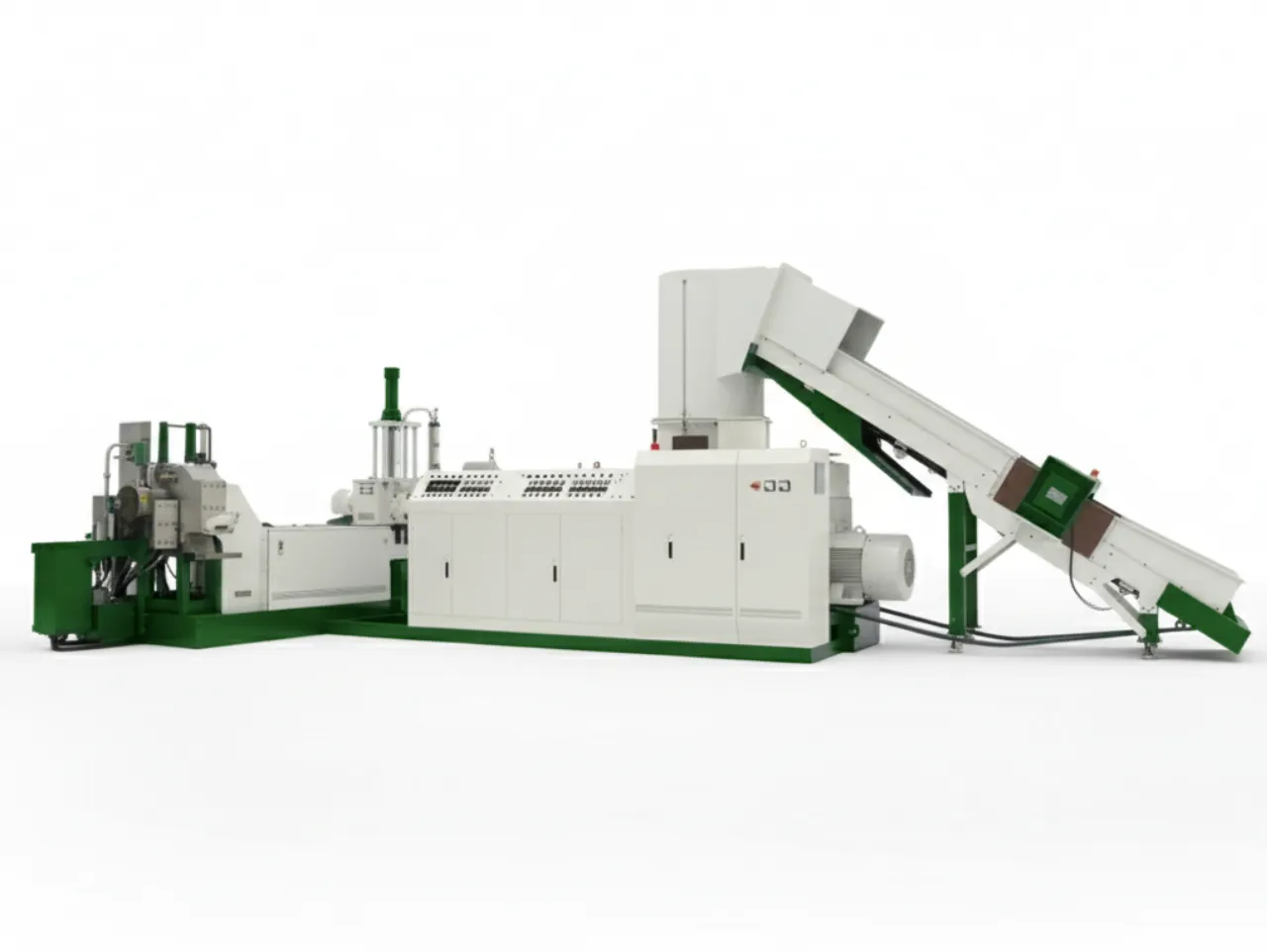
재활용 polypropylene bags, both woven and bulk, has become increasingly important in a world aiming for sustainability. Polypropylene (PP) is a versatile polymer widely used due to its strong, lightweight, and durable nature. H...
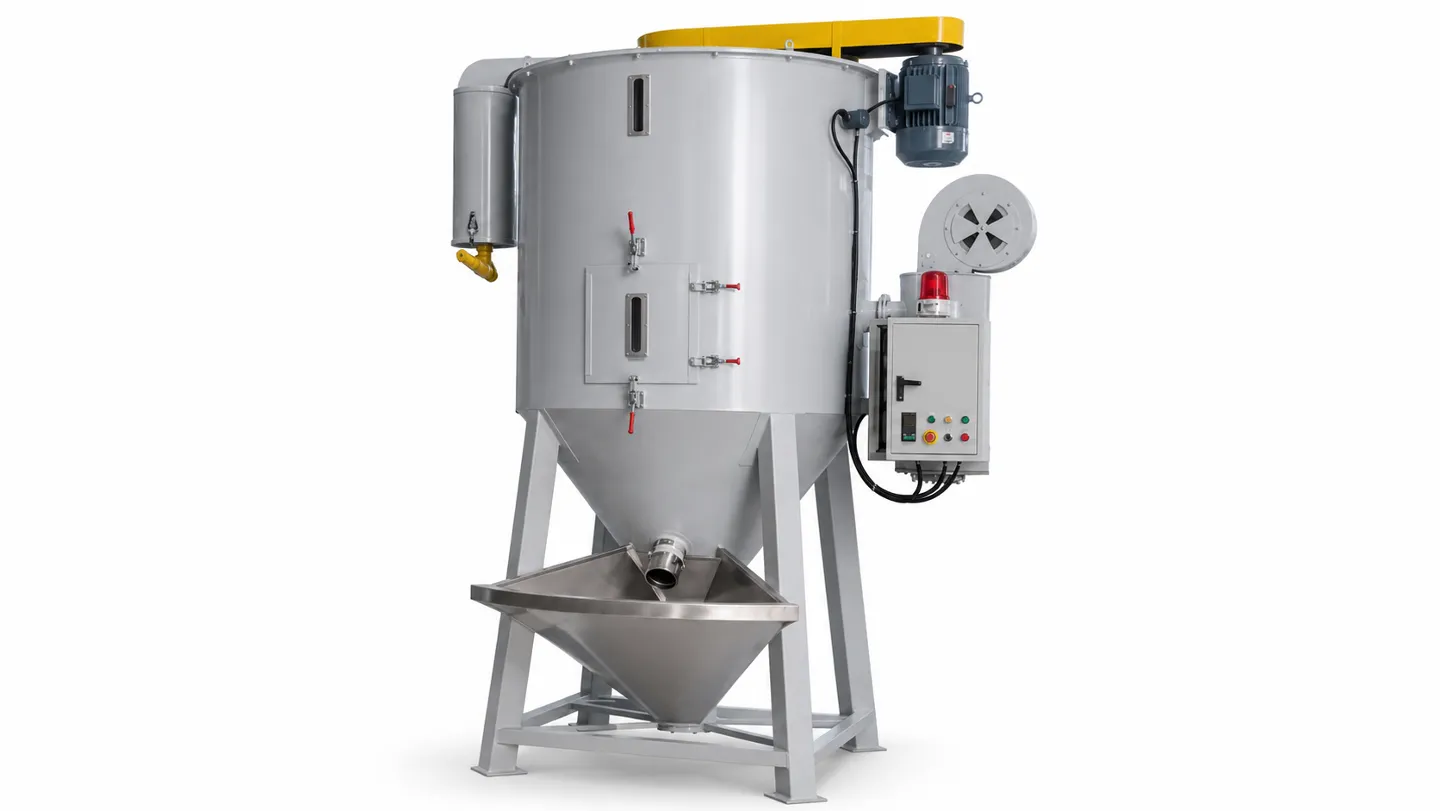
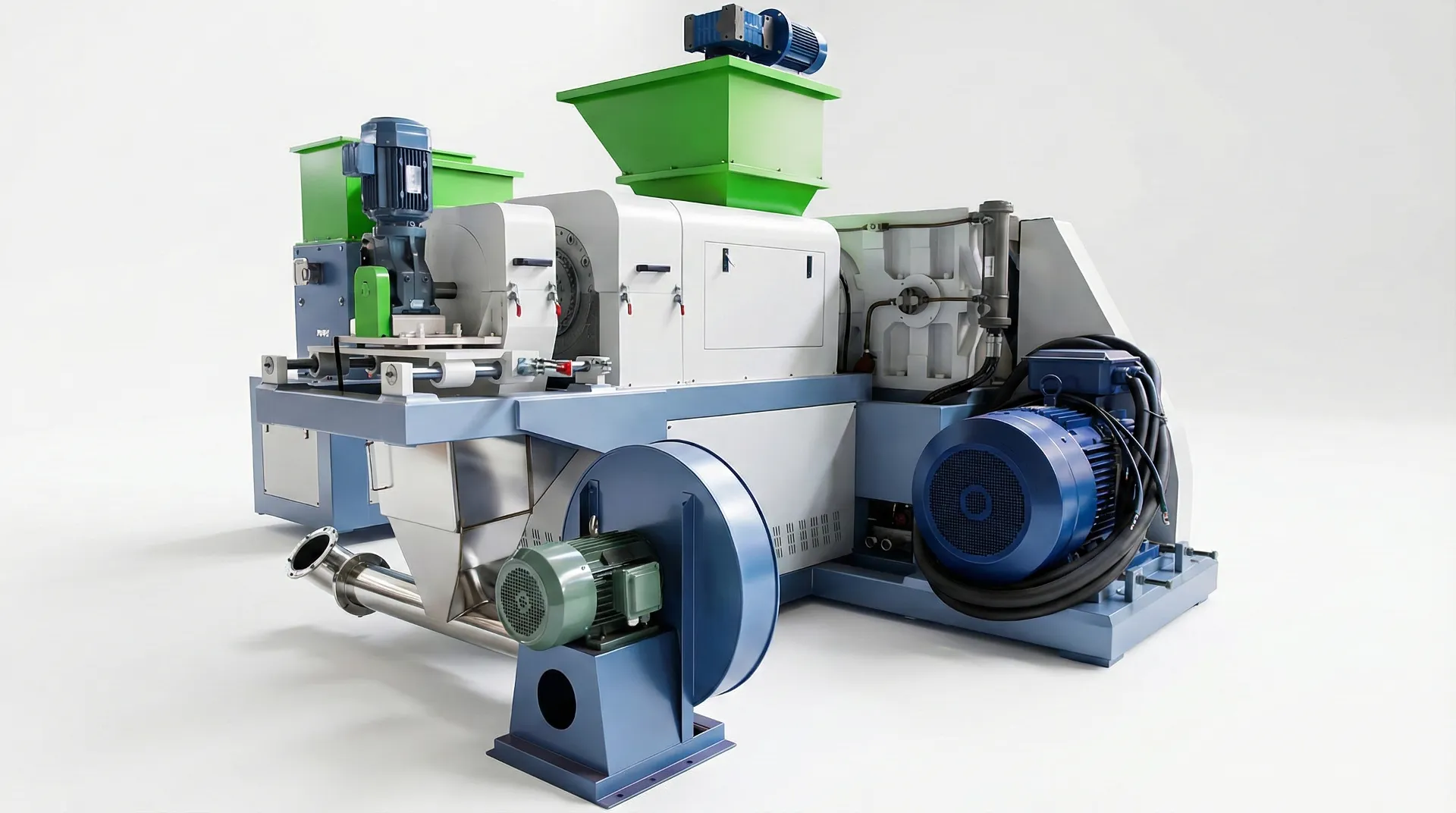
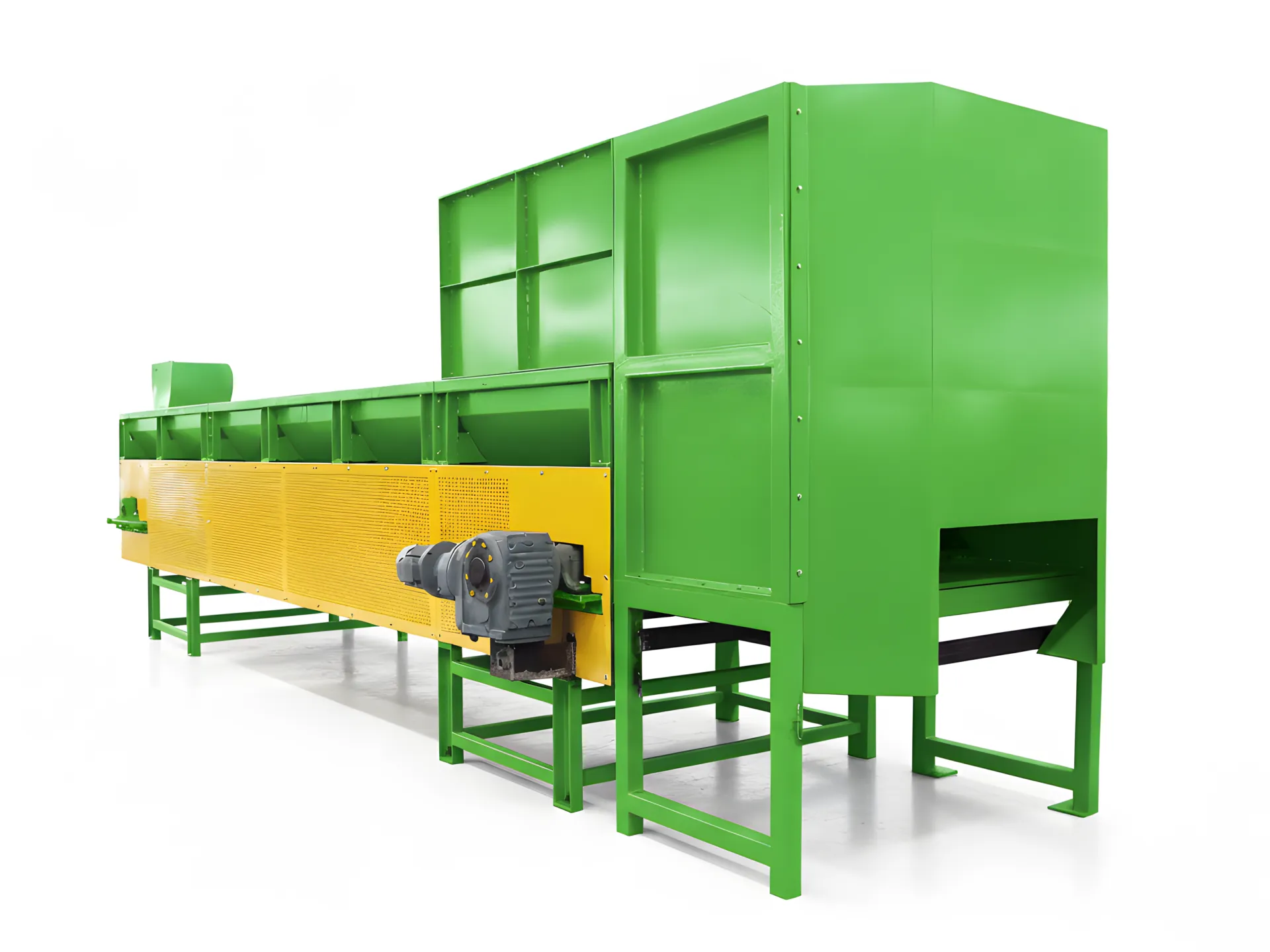
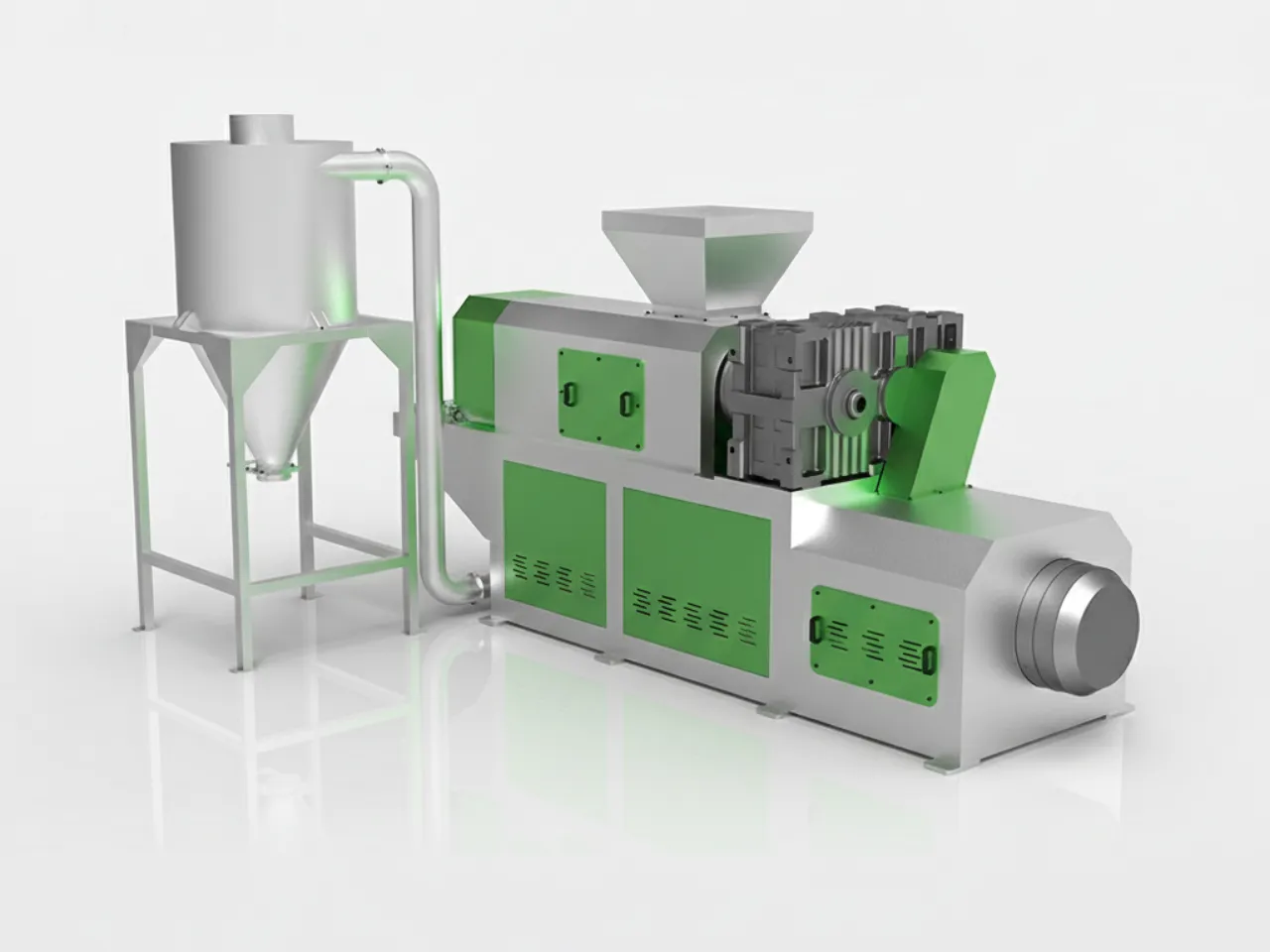
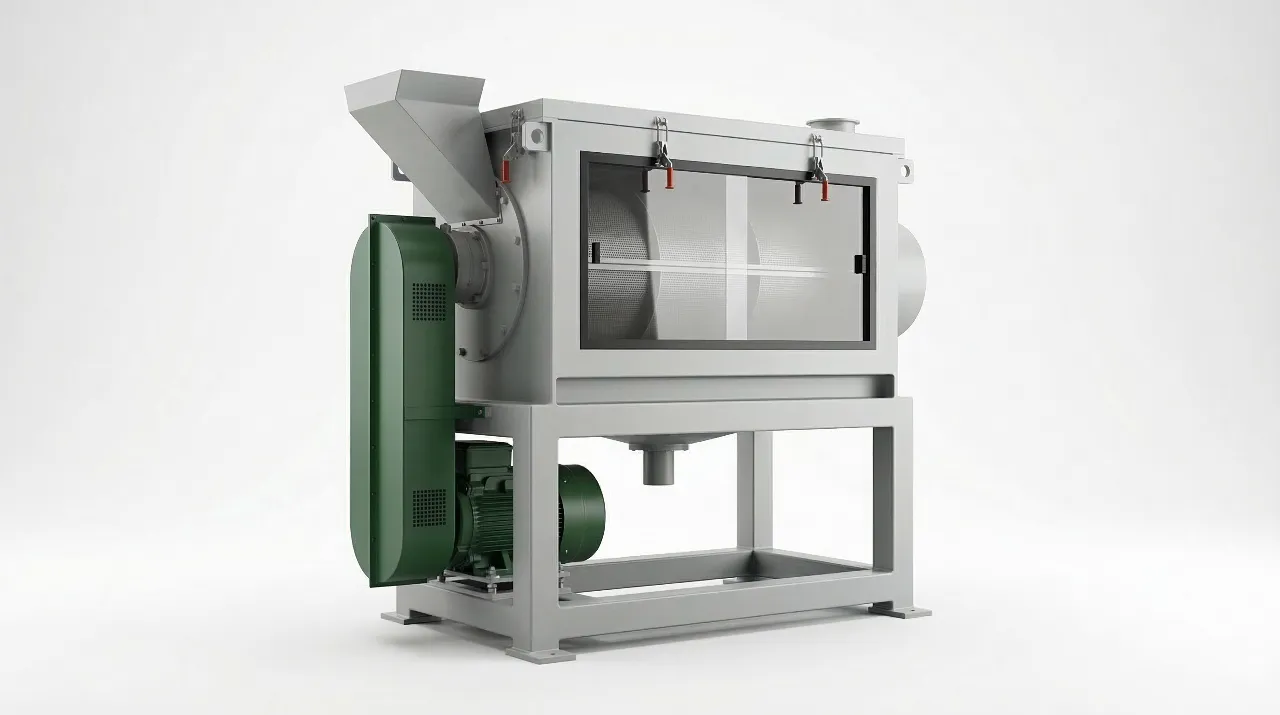
After a wash tank or friction washer, plastic flakes and film come out soaking wet. That leftover water is more than an inconvenience: it slows down every downstream step, wastes energy in drying, and can ruin pellet quality in th...
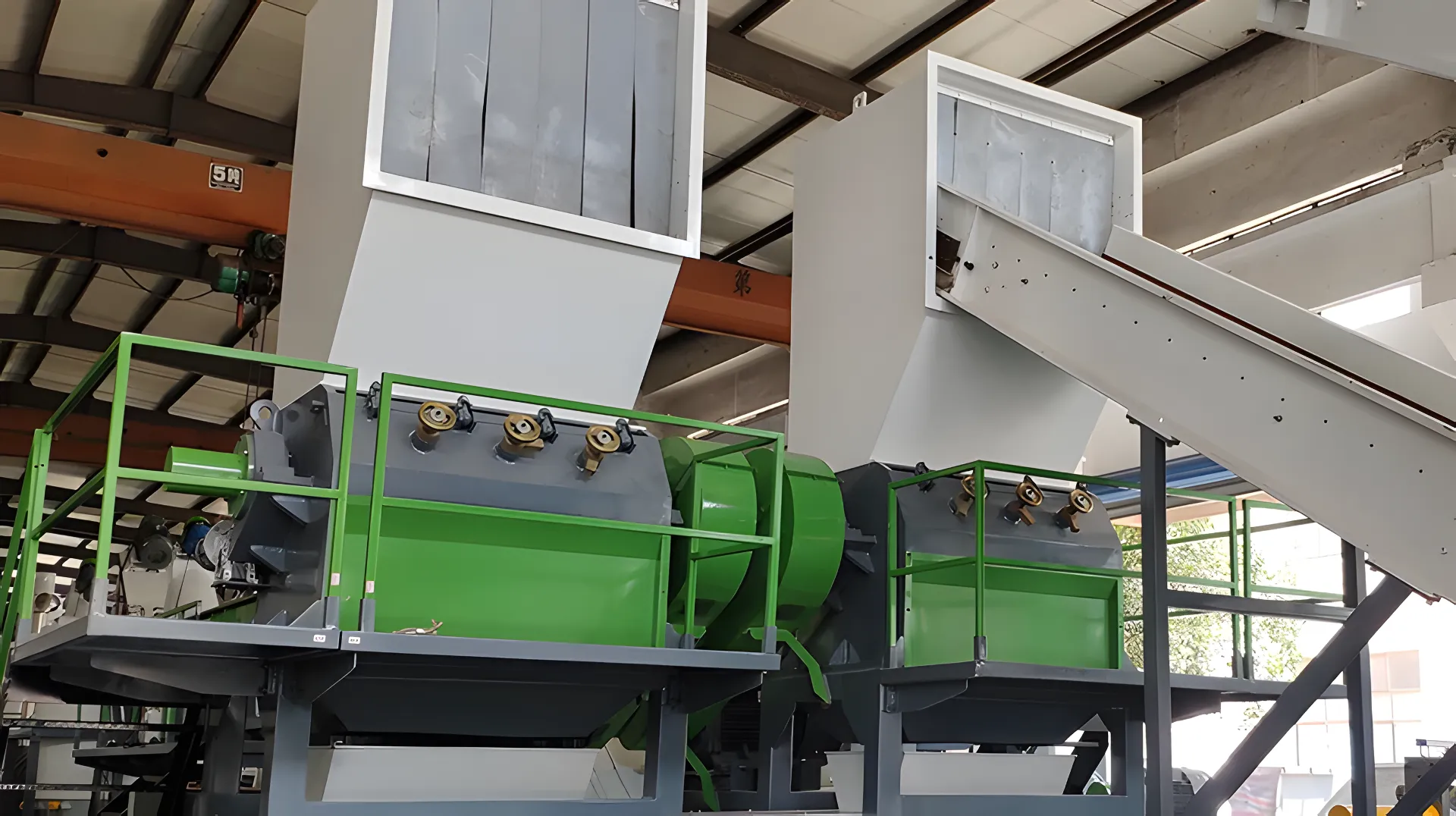
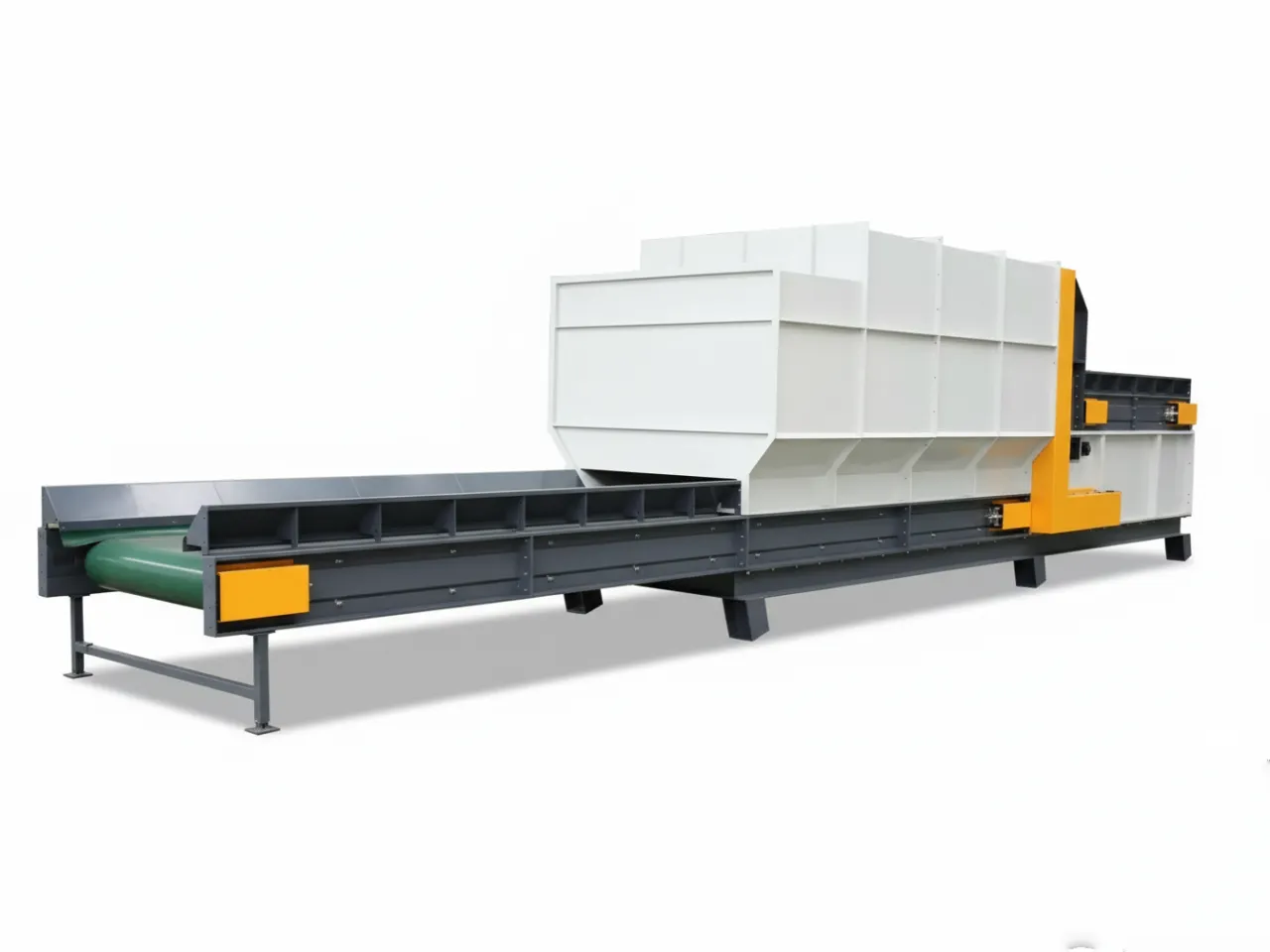
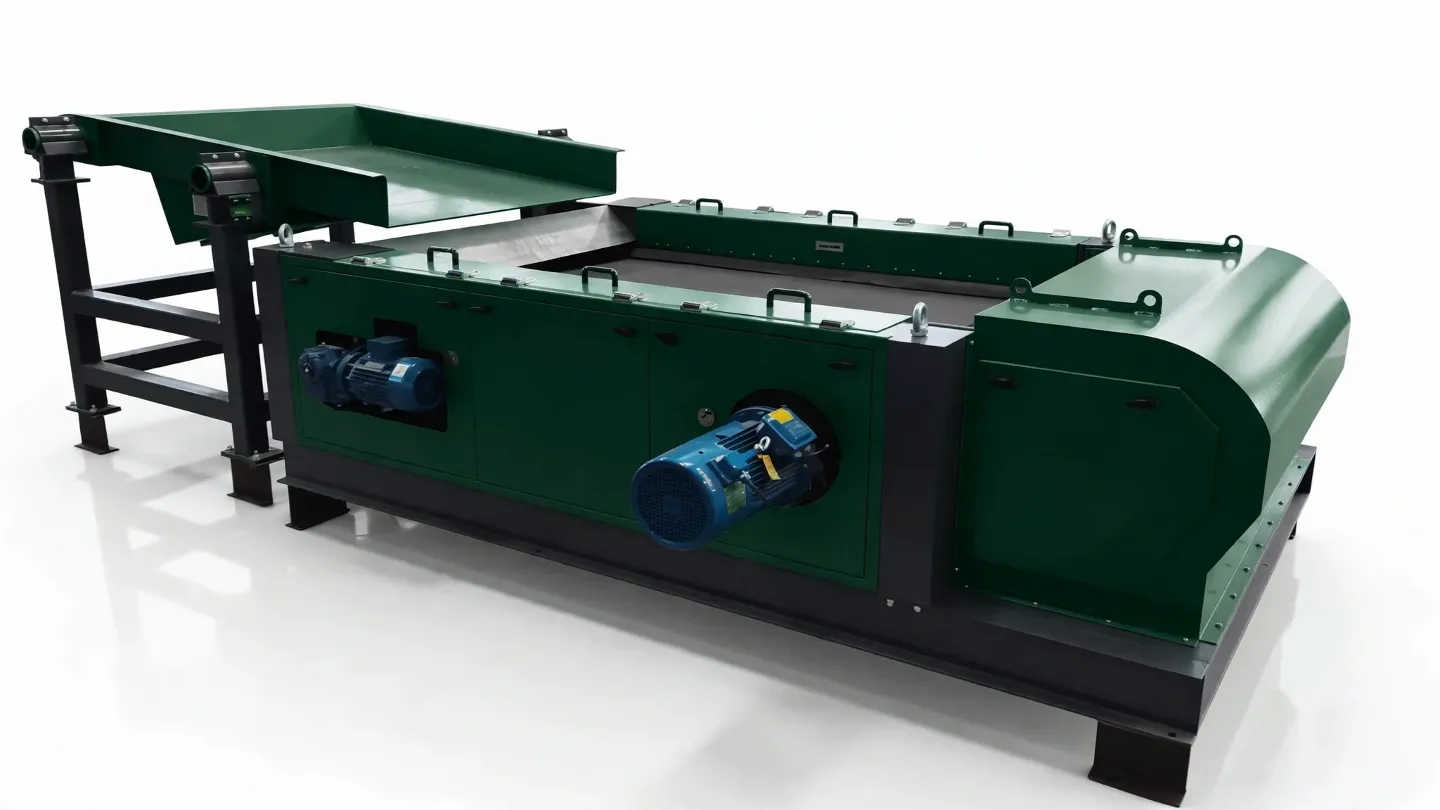
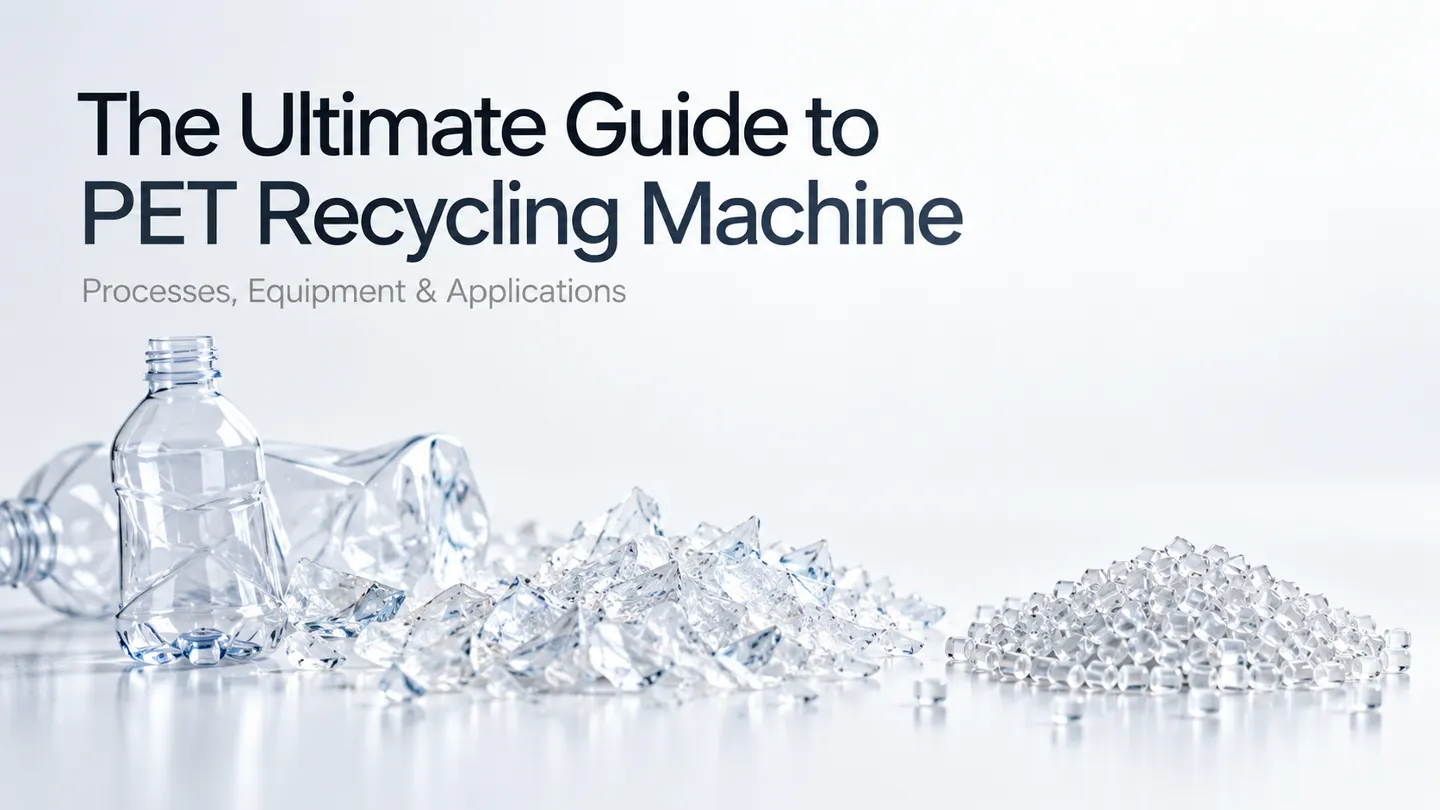
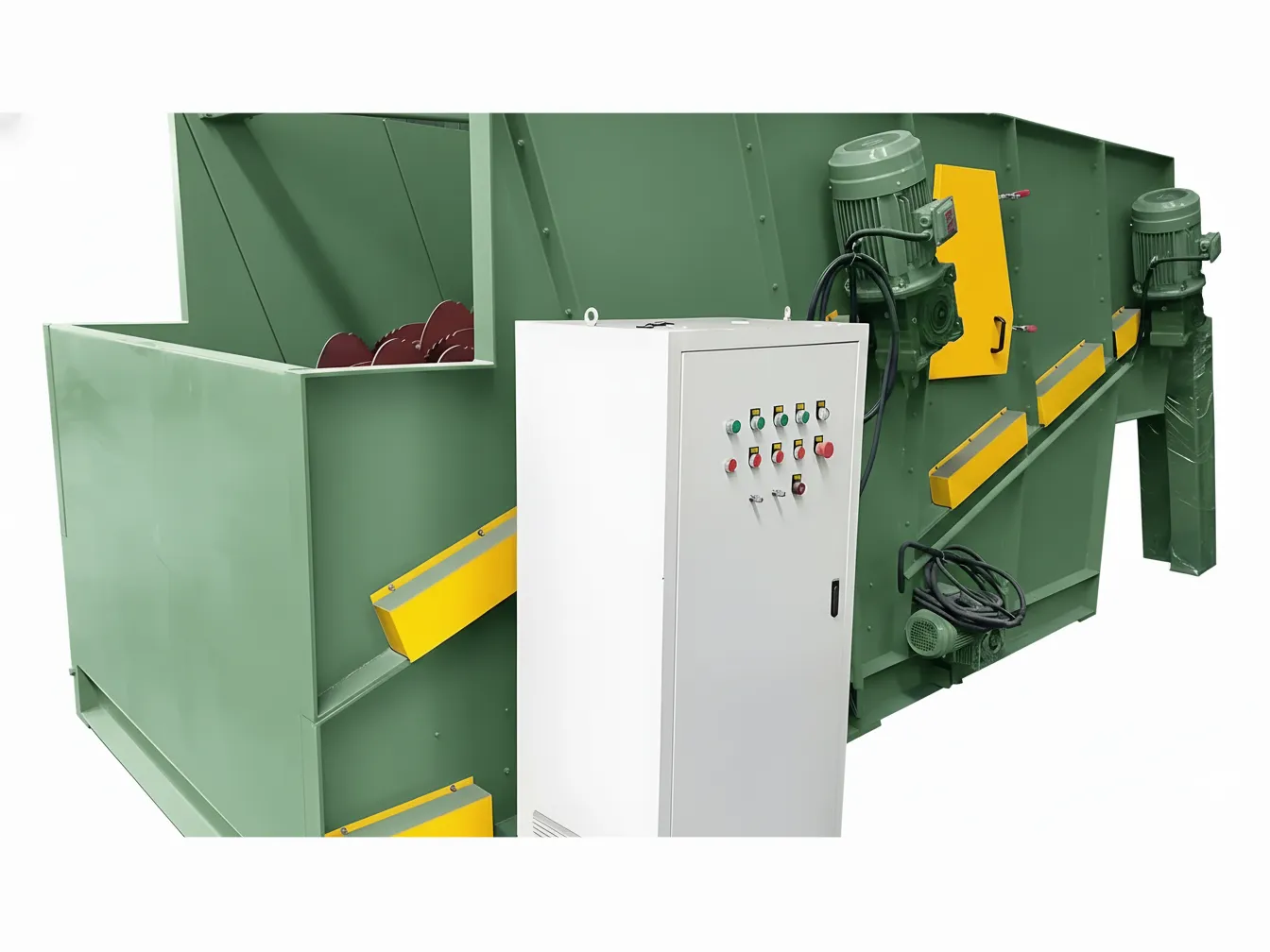
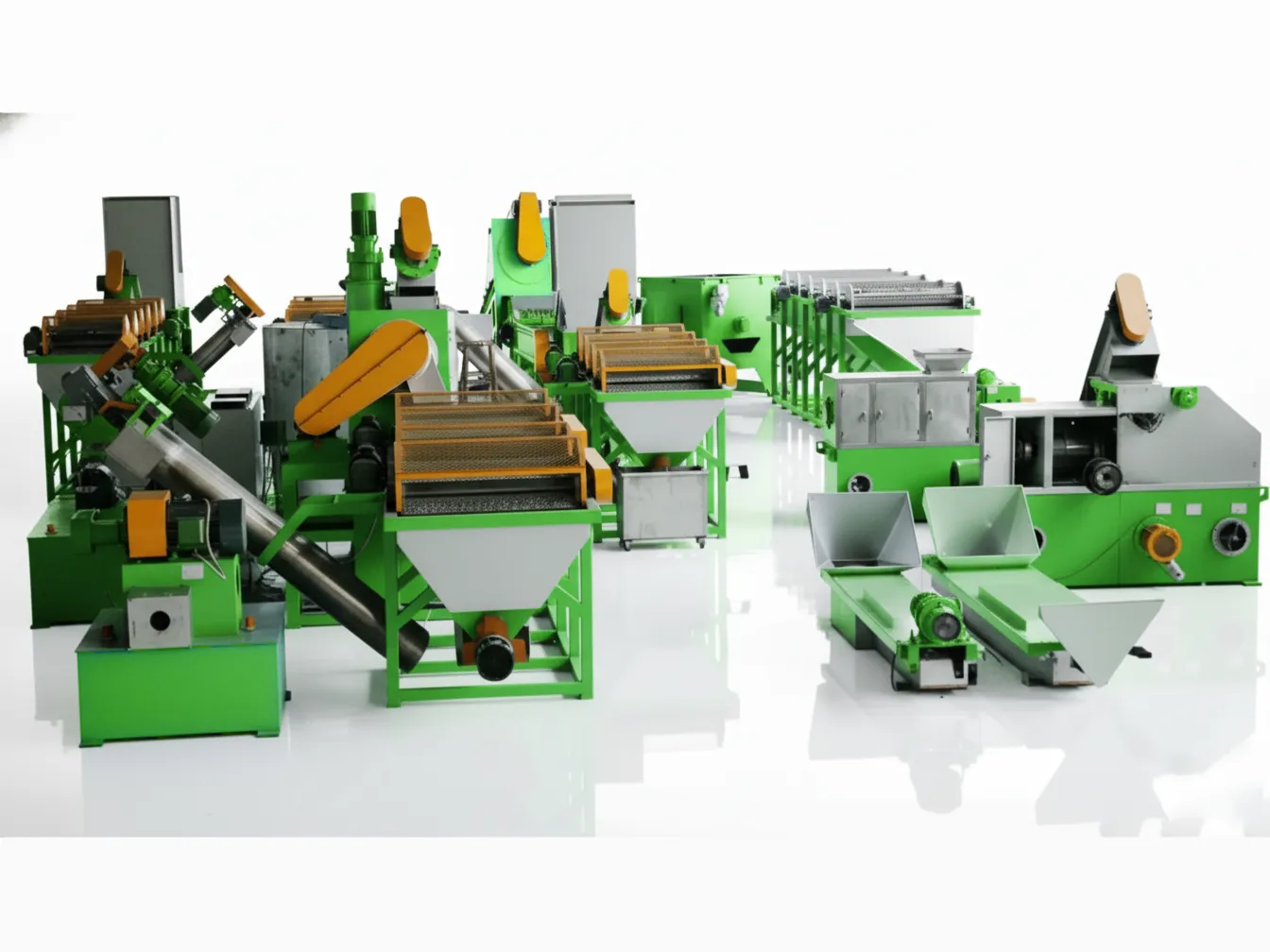
A PET recycling machine is rarely a single machine. When buyers ask for one, they usually need a PET washing line: a sequence of debaling, label removal, crushing, hot washing, friction washing, separation, rinsing, and drying tha...
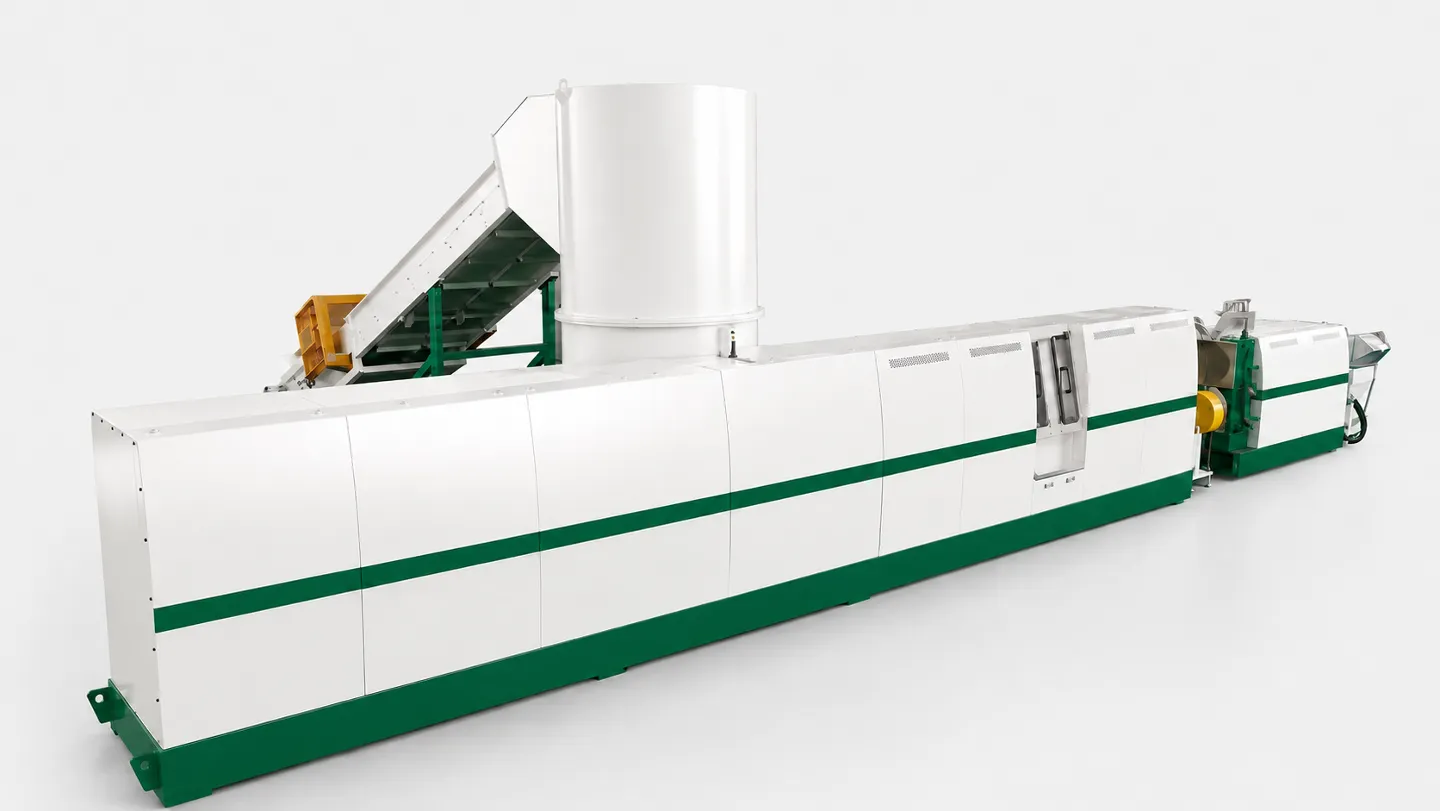
In-plant plastic recycling (also called in-house or post-industrial recycling, PIR) lets a manufacturer recover clean production scrap and return it to the process—instead of paying to store, haul, and dispose of it. For a stabl...
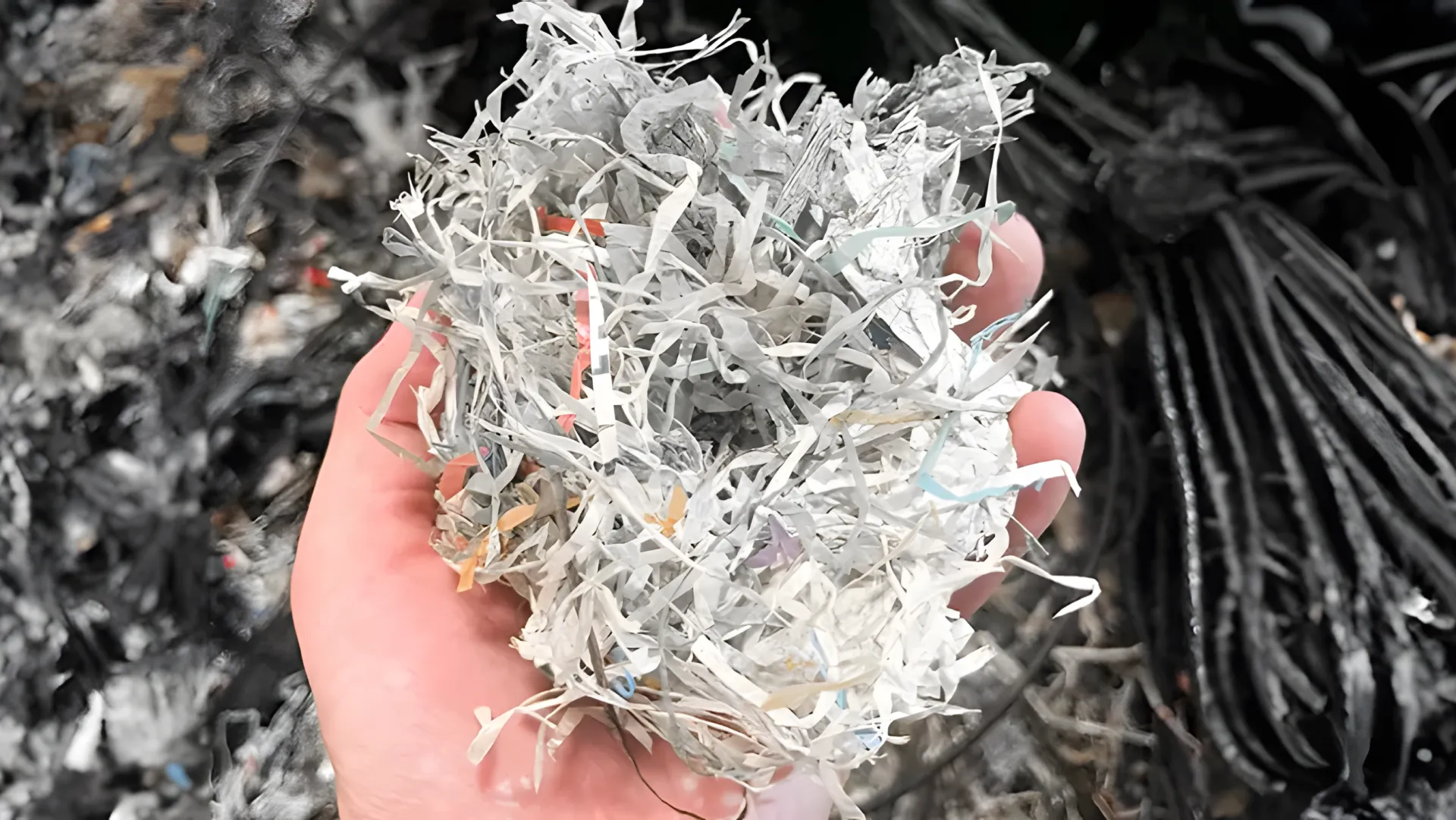
Polypropylene (PP) bags are everywhere in modern industry — woven sacks for grain and fertilizer, bulk bags (FIBCs) for chemicals and minerals, and nonwoven fabrics for agriculture, hygiene, and geotextiles. They are valued for...
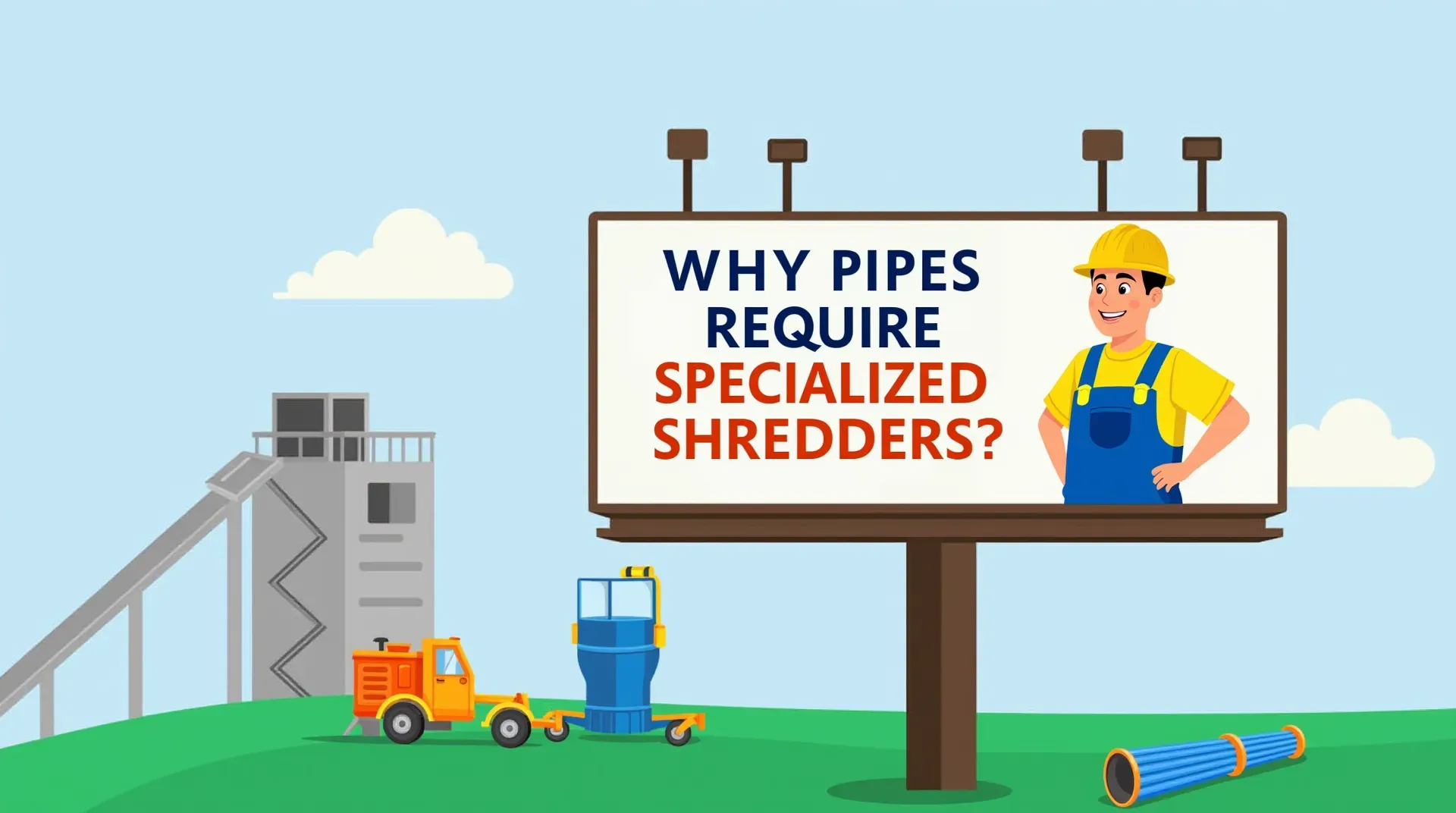
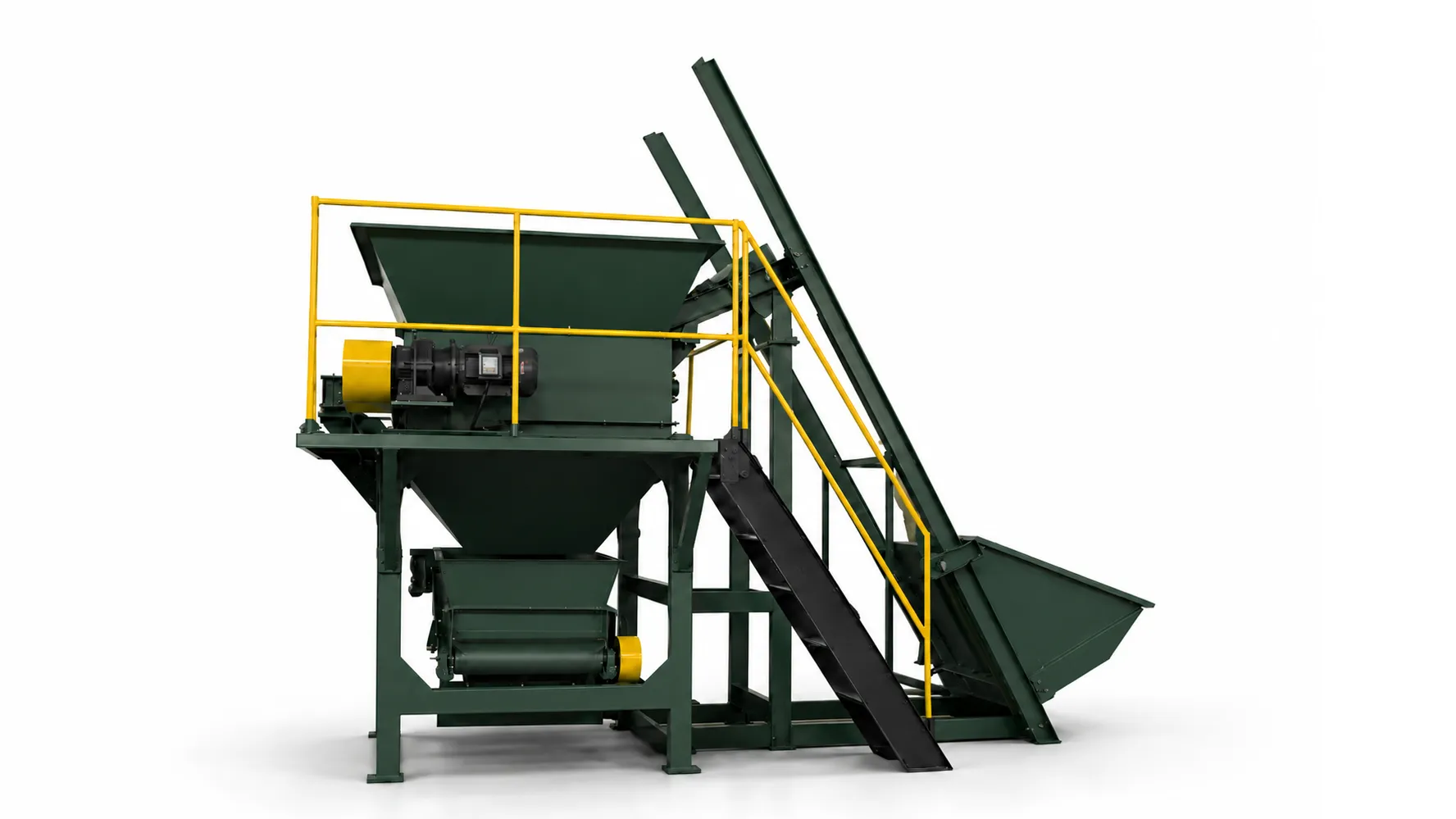
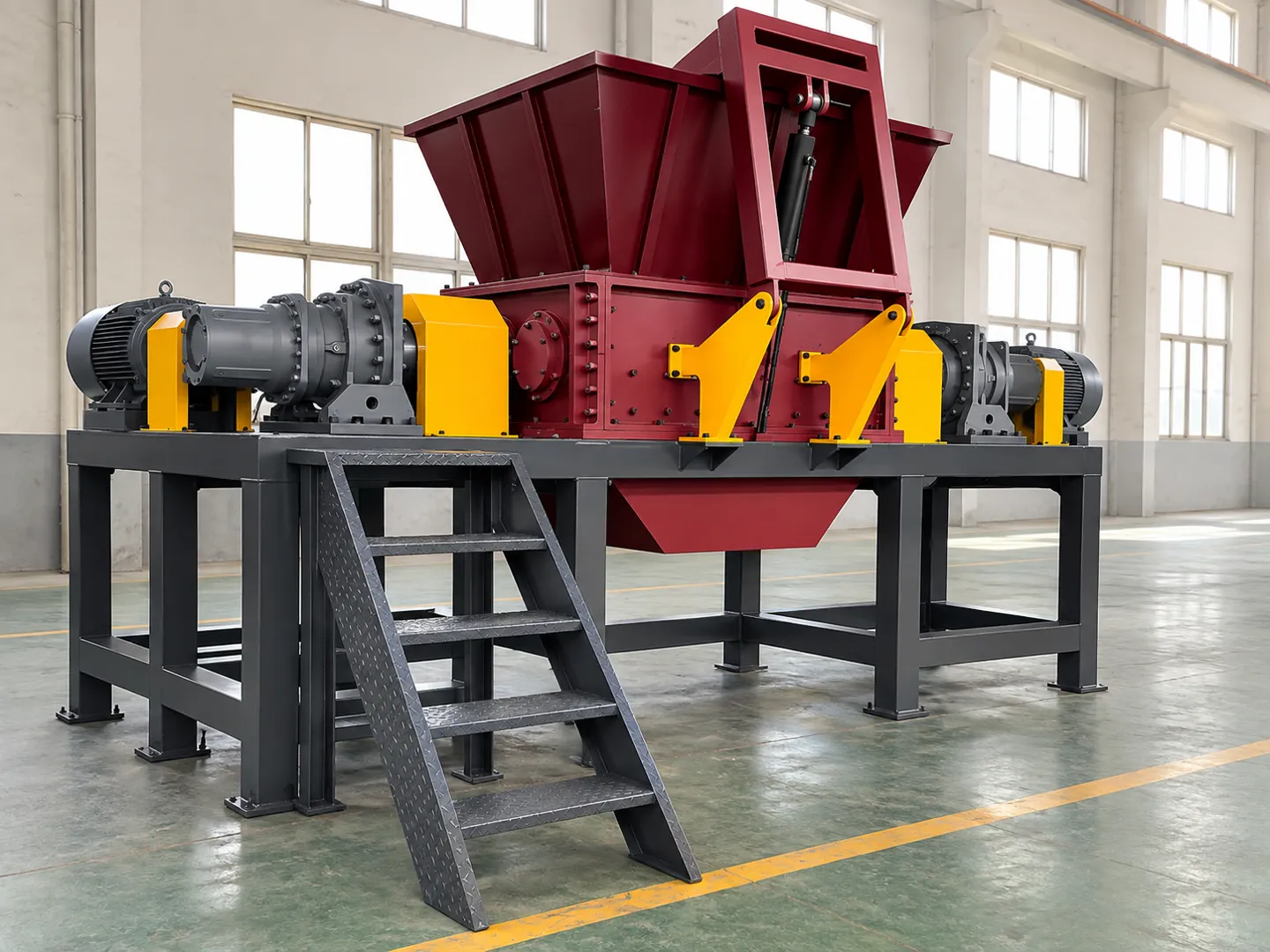
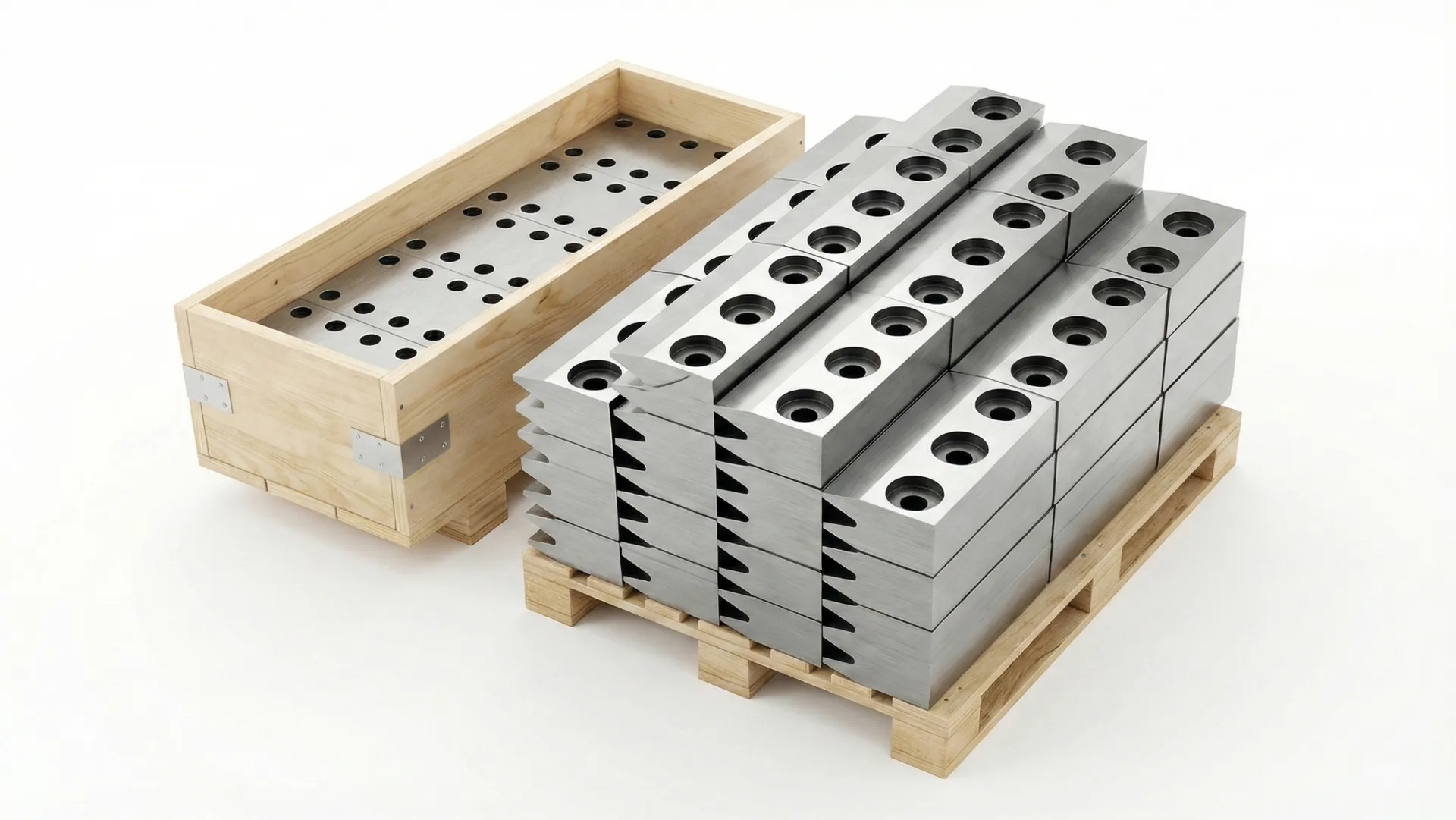
Recycling long, rigid plastic extrusions is one of the most frustrating jobs in a plastics recycling plant. Standard granulators are built for bottles, film, and small rigid parts — feed them a 6-meter PVC pipe or a bundle of PP...