


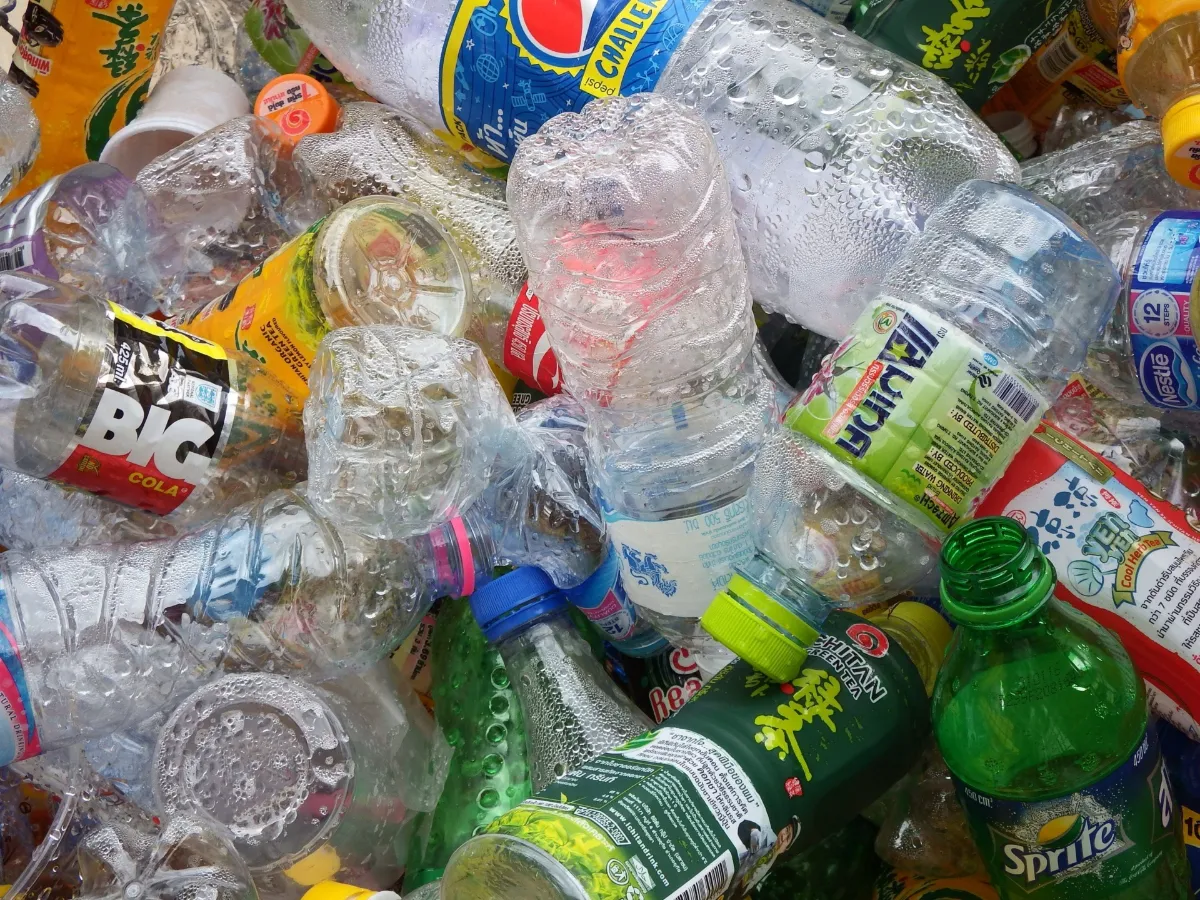
The market for Recycled Polyethylene Terephthalate (rPET) is shifting from low-grade fiber applications to high-value food-grade packaging. For recycling plant operators, this transition dictates the necessary equipment specifications. Achieving the purity levels required for premium applications—typically <50ppm PVC content—relies entirely on the efficiency of the PET Bottle Recycling System.
1. Polyester Fiber (Staple Fiber)
Historically the largest consumer of rPET, the fiber market remains a volume driver. Washed flakes are extruded into Polyester Staple Fiber (PSF) for:
* Textiles: Fleece, sportswear, and automotive upholstery.
* Home Furnishings: Carpeting, pillow fill, and non-woven fabrics.
Technical Constraint: Fiber spinning requires consistent intrinsic viscosity (IV). A robust Plastic Granulator is essential to produce uniform flake geometry, preventing feed issues in the spinning extruders.
2. Thermoforming Sheets (Packaging)
Clean rPET flakes are increasingly extruded directly into sheets for thermoformed products like fruit clamshells, blister packs, and bakery trays.
* Appearance: High clarity is non-negotiable. This demands a washing line equipped with a hot washer to remove all adhesive residues and opaque contaminants.
3. Bottle-to-Bottle (Food Grade)
The most lucrative yet demanding application. Major beverage brands (Coca-Cola, PepsiCo) require rPET pellets to blend with virgin material.
* Standards: FDA/EFSA compliance requires decontamination technologies that remove volatile organic compounds (VOCs). The process begins with optical sorting and high-intensity friction washing to ensure 99.9% purity before pelletizing.
4. High-Tensile Industrial Strapping
Green PET strapping is replacing steel bands in logistics.
* Material Properties: Requires rPET with high tensile strength. The extrusion process is sensitive to moisture; thus, efficient centrifugal drying and thermal drying systems are critical pre-processing steps.
5. Engineering Plastics & Compounding
Recycled PET is compounded with glass fiber or flame retardants for injection molding automotive parts (e.g., engine covers, wiper arms).
* Processing: This application often utilizes a Single Shaft Shredder to handle tough purgings or defective injection molded parts before re-granulation.
Recommended Processing Technology
To access these high-value markets, Rumtoo engineers recommend a multi-stage approach. A standard crushing-washing line is insufficient for food-grade applications.
1. Size Reduction: Start with a heavy-duty shredder to reduce whole bales.
2. Purification: Implement a sink-float separation tank to remove polyolefins (PP/PE caps).
3. Refinement: Use a hot washer with caustic soda to strip labels and glues.
By configuring your line for maximum purity, you move your product from the commodity “low-end fiber” market to the premium “packaging” sector, significantly increasing profit margins per ton.
