


HW49 Hazardous Waste Container Washing Line
Efficiently recycle paint cans, IBC totes, and HDPE drums with a fully enclosed automated line for hazardous container processing.
- Designed for contaminated 200L drums, IBC totes, and HDPE chemical containers.
- Integrated shredding, washing, separation, and drying for controlled hazardous material handling.
- Supports project-based layouts with utility planning and downstream recycling integration.
Tired of Hazardous Waste Container Challenges?
Traditional disposal is costly, risky, and difficult to scale. HW49 provides a safer closed-loop recycling path.
The Pains of Traditional Methods
- Higher risk of contamination and secondary pollution.
- Manual handling increases worker safety risk.
- Disposal and compliance costs remain high.
- Difficult to meet stricter environmental regulations.
The HW49 Solution
- Fully enclosed automation reduces leaks and exposure.
- Multi-stage washing improves recycled material purity.
- Converts waste into reusable and saleable output.
- Water-circulation design lowers operating consumption.
The HW49 Washing and Recycling Process
A practical 11-step sequence from infeed to final dried material output.
Chain Conveyor
Safe Infeed
Dual-Shaft Shredder
Initial Sizing
Alkaline Washing
Chemical Cleaning
Crusher
Size Refinement
Friction Washing
Mechanical Scrubbing
Rinsing and Dewatering
Agent Removal
Hot Water Rinsing
Deep Cleaning
Centrifugal Dewatering
High-Speed Drying
Hot Air Drying
Final Drying
Silo Storage
Collection
Output Handling
Ready for Reuse
Core Advantages of the HW49 Washing Line
Engineered for safety, compliance, and stable industrial throughput.
-
High-Grade Automation
Reduces manual operation and improves consistency.
-
Versatile Processing
Handles steel drums, HDPE barrels, and IBC container streams.
-
Eco-Friendly and Compliant
Closed-loop process supports stricter environmental compliance goals.
-
Safe and Reliable Operation
Enclosed modules and durable components support long-cycle operation.
-
Superior Cleaning Performance
Chemical and mechanical washing remove stubborn residues effectively.
-
Modular and Scalable Design
Flexible layout options based on capacity and material conditions.
See the HW49 Line in Action
Watch how contaminated containers are converted into clean recyclable output.
Project Gallery: Before and After
Typical transformation examples from dirty input containers to reusable recycled material.
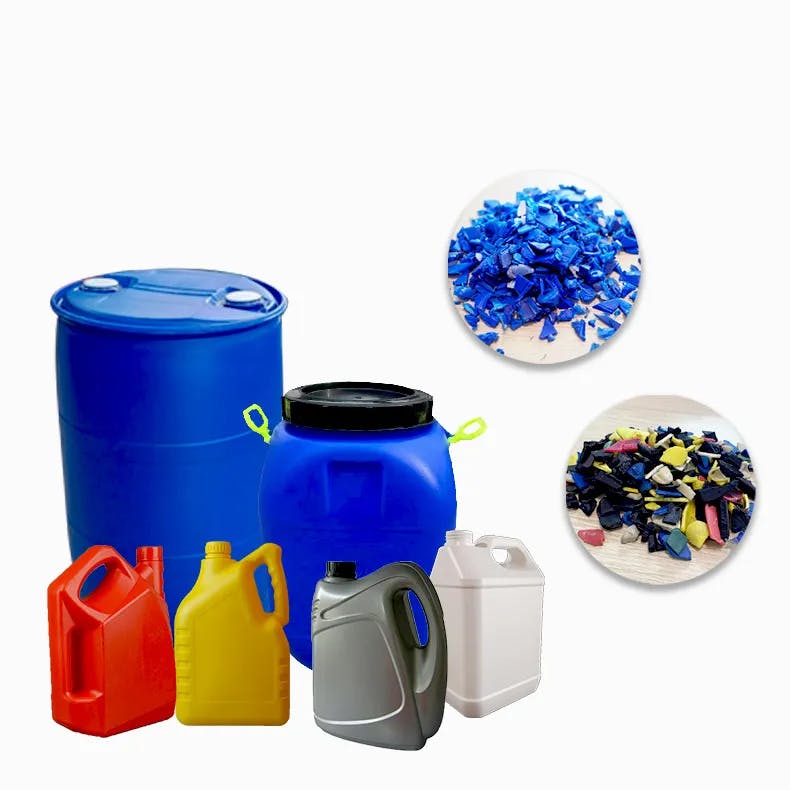
Before Processing
Contaminated HDPE bucket feedstock.
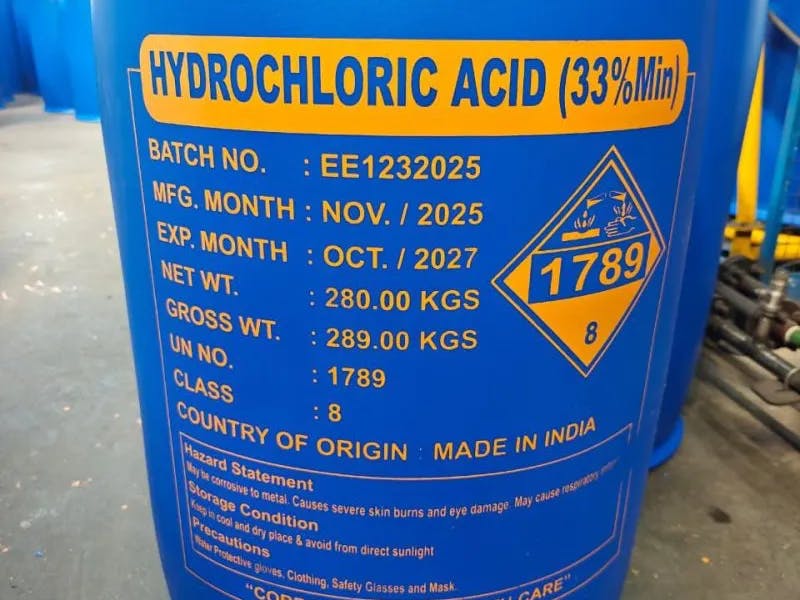
Clean Flakes
Washed plastic flakes ready for downstream conversion.
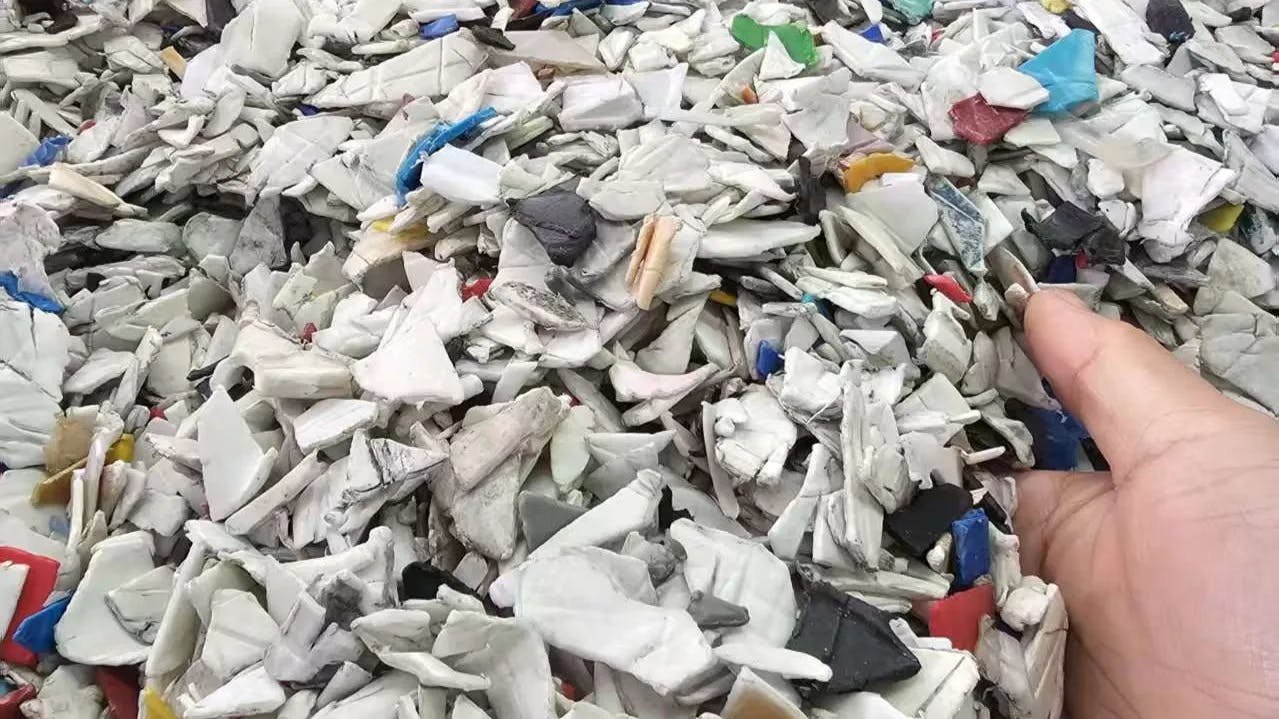
Contaminated Inputs
Oily and dirty containers before washing.
Serving a Wide Range of Industries
Suitable for facilities handling hazardous container streams in regulated sectors.
Chemical Manufacturing
Petroleum and Petrochemical
Paints and Coatings
Pharmaceuticals and Agrochemicals
Professional Recycling Facilities
Technical Specifications
Standard models can be adjusted based on contamination level, capacity, and site constraints.
| Capacity (kg/h) | Installed Power (kW) | Footprint (m2) | Operators | Steam Required (kg/h) | Compressed Air (MPa) | Water Consumption (m3/h) |
|---|---|---|---|---|---|---|
| 500 | 220 | 400 | 8 | 350 | 0.6-0.8 | 1 |
| 1000 | 500 | 750 | 10 | 500 | 0.6-0.8 | 3 |
| 2000 | 700 | 1000 | 12 | 800 | 0.6-0.8 | 5 |
| 3000 | 900 | 1500 | 12 | 1000 | 0.6-0.8 | 6 |
Installed Power (kW)
Footprint (m2)
Operators
Steam Required (kg/h)
Compressed Air (MPa)
Water Consumption (m3/h)
HW49 Washing Line vs. Traditional Disposal
Comparison across efficiency, safety, compliance, and long-term operating cost.
| Feature | Traditional Disposal | HW49 Washing Line |
|---|---|---|
|
Processing Efficiency |
Low | High (continuous automation) |
|
Operational Safety |
Higher risk (manual contact) | Lower risk (fully enclosed) |
|
Environmental Compliance |
Difficult | Easier with controlled process |
|
Resource Recovery Rate |
Low to none | High with cleaner output |
|
Long-Term Operating Cost |
High | Lower through automation and recovery |
What Our Clients Are Saying
Production Supervisor
The automated workflow greatly reduced manual risk, and the quality of cleaned flakes created additional resale value for our plant.
Operations Manager
HW49 helped us meet compliance targets while reducing disposal burden. Engineering support during deployment was practical and responsive.
Frequently Asked Questions
HW49 handles 200L steel drums, HDPE plastic barrels, and 1000L IBC totes contaminated by chemicals, paints, coatings, and oils.
The multi-stage washing process produces cleaner flakes and scraps suitable for downstream pelletizing or metal recovery workflows.
A circulation and filtration system reduces fresh water demand, and optional wastewater integration can support local discharge requirements.
Yes. We provide installation guidance, commissioning, operator training, and after-sales technical support.
Get Your Custom Solution Today
Tell us your container type, contamination profile, and target capacity. Our engineers will send a tailored proposal.