


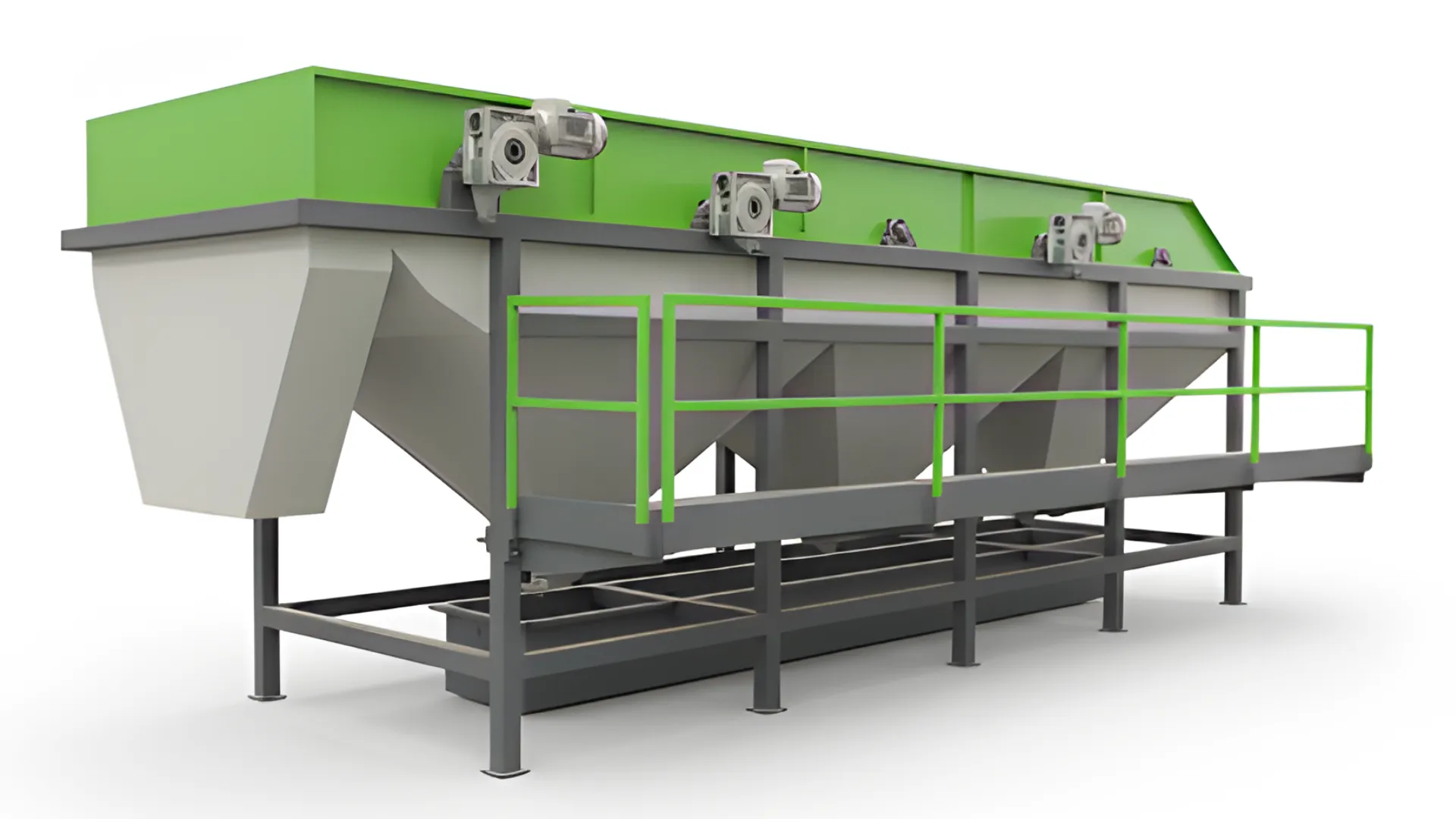
Sink-Float Separation Tank for Plastic Recycling
This separation system is designed to improve sorting accuracy, reduce contamination, and support cleaner downstream recycling output.
- Configured according to material type, throughput requirement, and downstream process.
- Designed for stable industrial operation and practical maintenance access.
- Available with project-specific layout and support options.
Sink-Float Separation Tank Overview
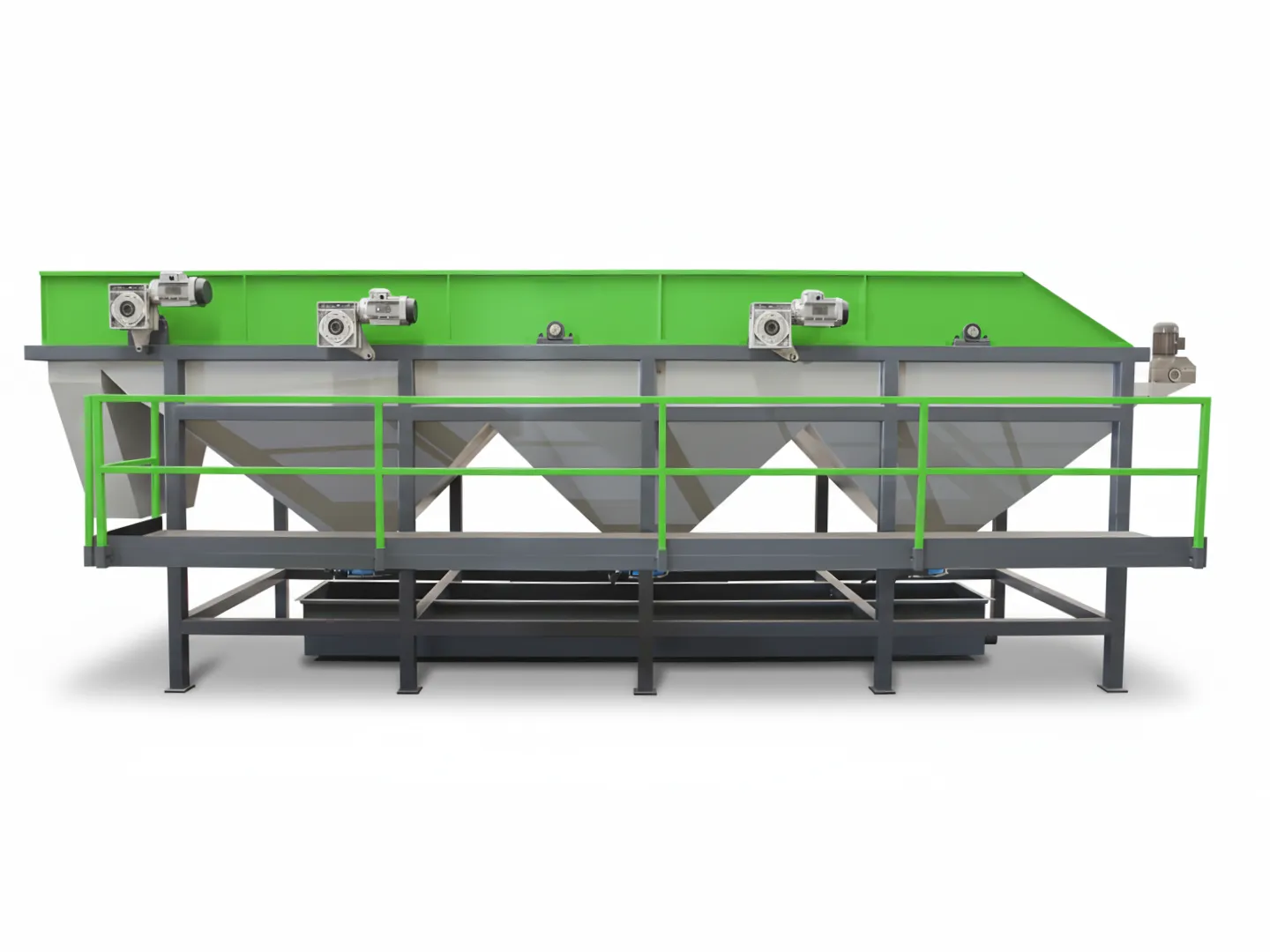
Industrial Solution Overview
This separation system is designed to improve sorting accuracy, reduce contamination, and support cleaner downstream recycling output. A sink-float separation tank is also known as a float-sink tank, float washing tank, or floating washer. Learn what a sink-float separation tank is and how it works.
Key Features of Sink-Float Separation Tank
Supports cleaner product streams by separating contaminants or mixed material fractions.
-
Improved Separation Efficiency
Supports cleaner product streams by separating contaminants or mixed material fractions.
-
Adjustable Operation
Working parameters can be tuned according to material composition and plant requirements.
-
Durable Industrial Build
Designed for continuous operation in recycling and material recovery environments.
-
System Integration
Can be installed as part of a larger sorting, washing, or recovery line.
Applications & Materials
-
Plastic Recycling
Separating labels, fines, metals, or mixed material fractions.
-
Material Recovery Lines
Used as a key process stage before final product storage.
-
Contaminant Reduction
Improves purity before washing, pelletizing, or packaging.
-
Custom Sorting Projects
Configured to match local material conditions and process goals.
Build a Complete Washing Line Around This Tank
A sink-float separation tank is one stage of a full plastic recycling wash line, not a standalone machine. Upstream, the material is shredded and friction-washed; downstream, the separated fractions are dried and pelletized. Most buyers specify this tank as part of a complete rigid plastic washing line, and size it using our sink-float tank sizing guide. The equipment below is what typically sits before and after the tank.
Friction Screw Washer
Sits before the tank. Scrubs off oil, glue, and surface dirt so the sink-float stage sorts clean flake.
Continuous Hot Washer
For oily or heavily contaminated regrind, a hot wash stage removes residues cold washing leaves behind.
Centrifugal Dryer
Sits after the tank. Spins off the free surface water from the separated flake before any thermal drying.
Thermal Dryer
Brings flake below 1% moisture when the next step is pelletizing, where wet feed degrades the melt.
Rigid PP/HDPE Flake Pelletizer
Turns the clean, dried flake into uniform pellets — the right pelletizer for rigid HDPE and PP regrind.
Single-Screw Pelletizing Line
A water-ring or strand single-screw line pelletizes washed flake at production throughputs.
Specifications
| Feature | Specification Range |
|---|---|
| Interior Width | 1000 mm to 2000 mm |
| Total Length | 4 to 7 meters |
| Interior Material | Type 304 Stainless Steel |
| Exterior Frame | Carbon Steel |
| Conveyor Paddle Motors | Customized by application |
| Certification | CE certification available |
Sink-Float Separation Tank Working Video
Watch how the sink-float separation tank moves plastic flakes through the water bath and separates materials by density during continuous operation.
Frequently Asked Questions
Sink-Float Separation Tank for Plastic Recycling can be configured according to the material type, contamination condition, and production target involved in your recycling project.
Yes. Layout, motor sizing, wear parts, and supporting components can be adjusted according to application requirements.
Yes. We provide installation guidance, commissioning support, operator training, and after-sales service according to project scope.
Selection depends on material characteristics, target capacity, installation conditions, and the downstream process. We can recommend a suitable configuration after reviewing your requirements.
Get a Sink-Float Separation Tank Quote
To get the latest prices and lead times, send us a message using the form below.

Comments are closed.