


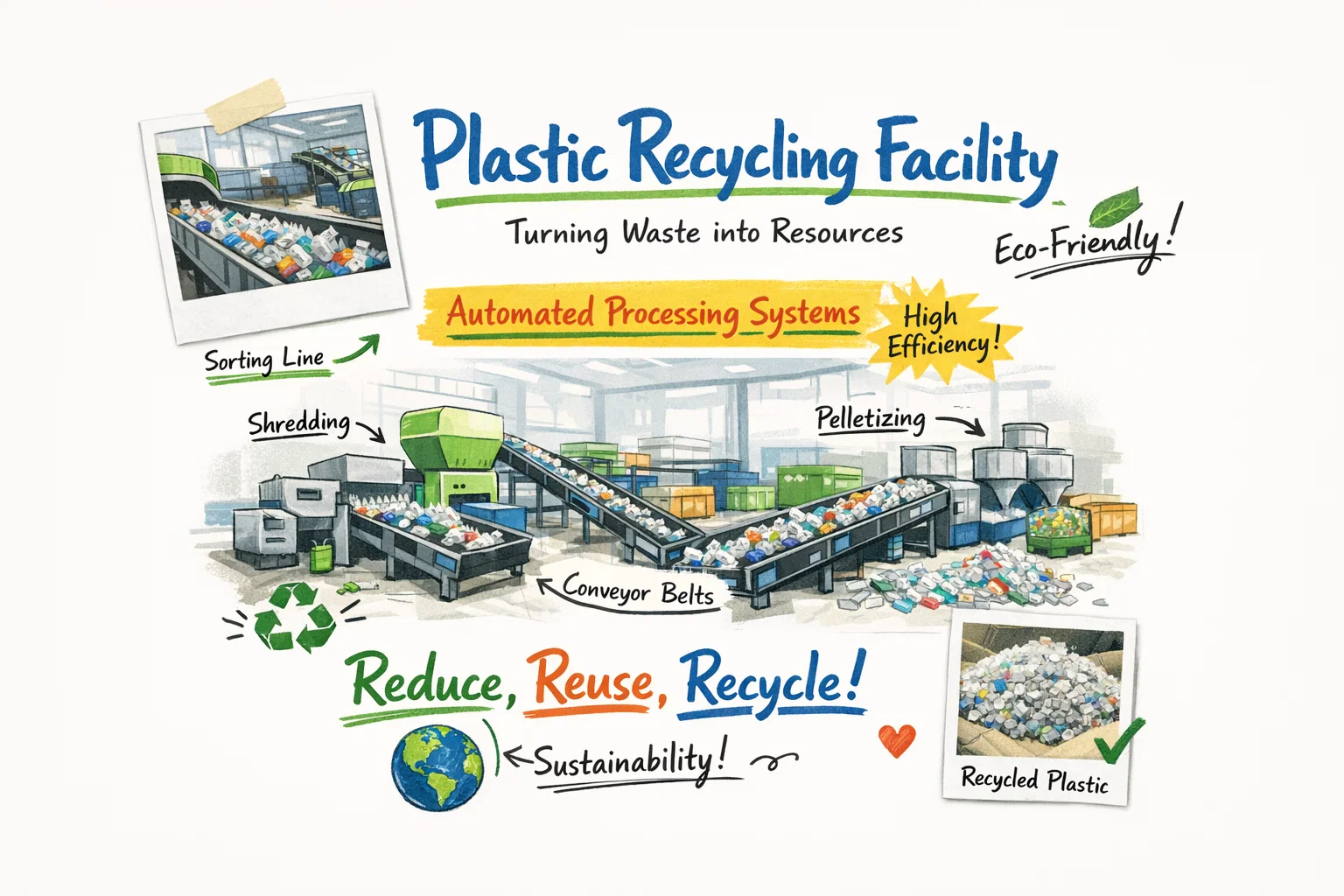
Um guia prático e focado no comprador para a criação de um programa de reciclagem eficiente.
Implementar um programa de reciclagem de resíduos não é apenas uma iniciativa ambiental — é uma decisão operacional estratégica que pode reduzir custos, melhorar a conformidade e gerar valor a longo prazo. Ao contrário do que se pensa, um programa de reciclagem bem-sucedido não precisa ser grande ou complexo. Muitos dos programas mais eficazes começam pequenos, permanecem altamente controlados e só são ampliados depois que os sistemas e a infraestrutura são comprovados.
Este guia fornece uma lista de verificação metódica e prática para ajudar as organizações a projetar, implementar e otimizar um programa de reciclagem de resíduos, identificando também onde os equipamentos de reciclagem, como... enfardadeiras, trituradores de plástico, trituradores de plástico, E os compactadores podem proporcionar um retorno sobre o investimento mensurável.
1. Compromisso Executivo e Alinhamento Organizacional
Um programa de reciclagem só tem sucesso quando a alta administração demonstra um comprometimento visível. A liderança define prioridades, aloca orçamentos e promove a responsabilização. Sem o apoio da direção, mesmo programas tecnicamente sólidos fracassam.
Boas práticas:
Crie uma declaração de missão concisa para a reciclagem, desenvolvida em conjunto pela gerência e pelos funcionários. Isso garante responsabilidade compartilhada e conformidade a longo prazo.
2. Definir Responsabilidades e Governança Claras
Designar um Gerente ou Coordenador de Reciclagem de Resíduos responsável por:
- Coleta e análise de dados
- Coordenação entre fornecedores e recicladores
- Avaliação de equipamentos
- Melhoria contínua
Para operações de médio a grande porte, estabeleça uma Força-Tarefa de Reciclagem para supervisionar a execução diária em todos os departamentos.
3. Realizar uma auditoria detalhada de resíduos (primeiro passo crucial)
Uma auditoria profissional de resíduos identifica:
- Composição do fluxo de resíduos (papel, plásticos, metais, matéria orgânica, resíduos perigosos)
- Pontos de volume e geração
- Riscos de contaminação
- Oportunidades de redução e reutilização
Esta auditoria determina quais materiais são economicamente recicláveis, quais necessitam de redução de tamanho ou densificação e onde a maquinaria agrega valor.
4. Defina políticas claras de hierarquia de resíduos.
Implementar políticas corporativas que priorizem:
- Redução de resíduos
- Reutilizar
- Reciclando
- Eliminação ou tratamento (último recurso)
Essas políticas apoiam a conformidade, simplificam a tomada de decisões dos funcionários e justificam os investimentos em equipamentos de reciclagem.
5. Avaliar os mercados de reciclagem e o valor dos materiais.
O valor da reciclagem depende de:
- Demanda de mercado e volatilidade de preços
- Limpeza e consistência do material
- Tamanho, densidade e logística dos fardos
- Proximidade aos compradores
Comece com "ganhos fáceis", como papelão, garrafas PET, recipientes de PEAD e filmes de embalagem — materiais que normalmente justificam o investimento inicial em enfardadeiras, trituradores de plástico, ou trituradores de plástico.
6. Selecione os materiais estrategicamente
Ao escolher o que reciclar, avalie:
- Sensibilidade à contaminação
- Volumes diários e mensais
- Espaço de armazenamento e layout
- Requisitos de transporte e carregamento
- Receita esperada versus custos operacionais
Evite projetos excessivamente complexos no início. Aumente a escala dos equipamentos somente quando os volumes justificarem.
7. Projetar sistemas práticos de coleta e classificação
Sistemas de cobrança eficazes devem ser:
- Conveniente para os usuários
- Compatível com o layout da instalação
- Eficiente em termos de mão de obra
- Escalável
Lixeiras mal posicionadas e regras de separação pouco claras são as principais causas de contaminação.
8. Educar, promover e garantir a participação
O envolvimento dos funcionários impacta diretamente a qualidade da reciclagem. Promova o programa através de:
- Sinalização clara
- Guias simples do que fazer e não fazer
- Rotulagem visual de caixas
- Lembretes e atualizações regulares
Em áreas públicas ou destinadas a clientes, utilize lixeiras com abertura personalizada para reduzir o uso indevido.
9. Monitorar, medir e melhorar continuamente
Os programas de reciclagem devem ser revistos rotineiramente. Recolha feedback de:
- Equipe de zeladoria e operações
- Funcionários e clientes
- Transportadores de resíduos e recicladores
Acompanhe os principais indicadores de desempenho (KPIs), tais como:
- Taxa de reciclagem (desvio de %)
- Níveis de contaminação
- Redução dos custos de descarte
- Utilização de equipamentos
10. Orçamento, incentivos e acompanhamento do desempenho
Forneça orçamento suficiente nas fases iniciais e recompense a inovação. Reconheça os funcionários que propõem:
- ideias para redução de resíduos
- Melhorias de processo
- soluções para redução da contaminação
Acompanhe os marcos e documente as conquistas para justificar a expansão.
11. Separar os fluxos de resíduos de forma inteligente
Organize o lixo por categorias funcionais:
- resíduos de embalagens
- Resíduos de processo/fabricação
- Lixo de escritório
- desperdício de alimentos
- resíduos de jardim
- Resíduos perigosos (estritamente regulamentados)
Nunca misture resíduos perigosos ou úmidos com materiais recicláveis.
12. Análise de Visita Técnica: Conheça suas Instalações
Uma visita presencial revela:
- Pontos reais de geração de resíduos
- Tipos e locais de lixeiras corretos
- Restrições de espaço
- Oportunidades de colocação de equipamentos
Exemplos de resultados:
- Escritórios: papel, papelão, garrafas, latas
- Áreas de alimentação: resíduos úmidos, embalagens, gordura
- Áreas públicas: garrafas, jornais, latas
13. Padronizar a triagem e a comunicação
Uma vez definidos os procedimentos:
- Emita um memorando interno claro.
- Defina exatamente o que vai em cada lugar.
- Afixe as instruções nos postos de trabalho.
- Inclua as regras de reciclagem no treinamento de novos funcionários.
A consistência evita contaminação e tempo de inatividade.
14. Seleção de Equipamentos: Quando o Uso de Máquinas Faz Sentido
Com o aumento dos volumes, o processamento mecânico torna-se essencial. Considere:
- Enfardadeiras para papelão, plástico e papel.
- Trituradores para plásticos e embalagens
- Trituradores para vidro ou materiais rígidos
- Empilhadeiras para logística interna
Equipamento adequado:
- Reduz os custos de armazenamento e transporte.
- Melhora o valor do material
- Possibilita melhores contratos de reciclagem
Para purificação avançada e recuperação de valor, você também pode avaliar sistemas de lavagem de plástico ou peletizadoras de plástico como parte de uma linha de reciclagem ampliada.
15. Estimativa do Retorno do Investimento em Equipamentos de Reciclagem (Exemplo: Enfardadeira)
Considerações sobre custos anuais:
- Amortização de equipamentos
- Consumo de energia
- Manutenção (1–3% do custo de novos equipamentos)
- Mão de obra por fardo
- Materiais de consumo (ex.: arame para enfardamento)
Benefícios anuais:
- Receita proveniente de materiais reciclados
- Redução dos custos de aterro e transporte
- Aluguel de caçambas e taxas de descarte reduzidas
Em muitos casos, os períodos de retorno do investimento são 12 a 36 meses, dependendo do volume e do valor do material.
16. Comece pequeno e depois expanda com confiança.
Começar em pequena escala permite que as organizações:
- Validar suposições
- Aprimorar fluxos de trabalho
- Treinar funcionários
- Evite erros dispendiosos
Expansão pode significar:
- Ampliar a escala de um material em toda a organização.
- Adicionando novos materiais após o sucesso com um fluxo.
Conclusão: Construindo um programa de reciclagem que traga resultados
Um programa de reciclagem de resíduos bem-sucedido não se define pelo tamanho, mas sim pela disciplina, pelos dados e pela execução. Com uma liderança clara, processos estruturados e o maquinário de reciclagem adequado, as empresas podem transformar a gestão de resíduos em uma operação econômica, em conformidade com as normas e orientada para a sustentabilidade.
Para organizações que lidam com plásticos, embalagens ou resíduos industriais, equipamentos profissionais de reciclagem não são uma despesa, mas sim um fator que impulsiona a eficiência e a lucratividade.
