


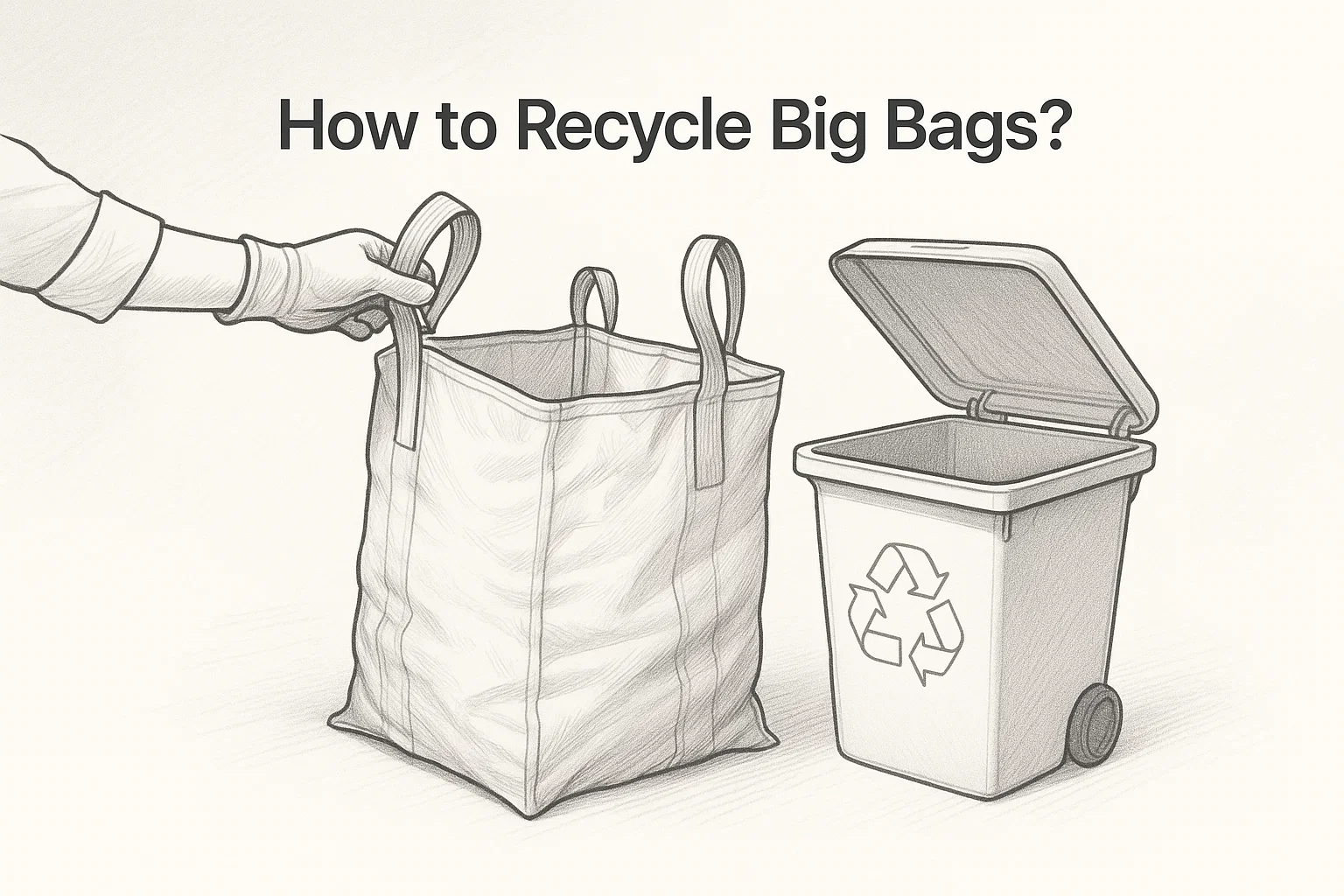
The global demand for Flexible Intermediate Bulk Containers (FIBCs), commonly known as “big bags” or “super sacks,” has skyrocketed across industries ranging from construction to agriculture. However, their durability—the very feature that makes them indispensable—poses a significant challenge at the end of their lifecycle. For recycling plant operators, the question of how to recycle big bags efficiently is not just about sustainability; it is a matter of operational profitability.
Recycling these bulky, woven polypropylene (PP) containers requires specialized knowledge and robust machinery capable of handling tough, entangled materials. This guide explores the complete recycling process and highlights how high-performance equipment can streamline your operations.
The Challenge: Why FIBCs Are Difficult to Recycle
Before diving into the solution, it is crucial to understand the problem. Big bags are manufactured from woven polypropylene tapes, often reinforced with durable lifting straps and liners.
- High Tensile Strength: The woven structure is designed to hold tons of weight, making it resistant to standard cutting mechanisms.
- Entanglement Risks: The long, flexible straps and lifting loops are notorious for wrapping around shredder rotors, causing jams, downtime, and motor burnout.
- Contamination: Used bags often contain residual abrasive materials (sand, cement) or chemicals, which can wear down machinery components rapidly.
To overcome these hurdles, you need more than a standard crusher; you need an engineered solution designed for heavy-duty soft materials.
Step-by-Step Process: From Waste to Pellet
The transformation of dirty, used big bags into clean, reusable plastic granules involves several critical stages.
1. Pre-Shredding and Size Reduction
The first and most critical step is size reduction. Because big bags are voluminous and tough, feeding them directly into a granulator is inefficient and risky.
For this stage, a double-shaft shredder is often the superior choice. Unlike single-shaft models which may struggle with the “wrapping” effect of the straps, a Double-Shaft Plastic Shredder utilizes counter-rotating blades to shear and tear the material effectively. The high torque and low speed ensure that even the toughest lifting loops are cut without jamming the rotor.
For facilities requiring finer output immediately, the Soft Material Single Shaft Shredder Machine is another excellent option. These machines are specifically calibrated with anti-winding rotor designs, ensuring that woven fabrics are processed smoothly. If your facility deals with particularly stubborn clumps or baled bags, a Fixed Bucket Single Shaft Shredder can provide the aggressive shredding action needed to break down high-density bales.
2. Washing and Separation
Once shredded into smaller flakes, the material must be cleaned. Big bags often carry heavy contaminants that must be removed to ensure the quality of the final pellet.
- Friction Washing: High-speed friction washers scrub the flakes to remove adhered dirt, oil, and labels.
- Density Separation: Sink-float tanks separate the floating PP material from heavier contaminants like metals, sand, or stones.
3. Drying and Pelletizing
Wet flakes are difficult to extrude. Advanced drying systems, such as centrifugal dryers or squeeze dryers, reduce moisture content to below 3%.
Finally, the clean, dry flakes are fed into a plastic pelletizing line. This is where the recycled material is melted, degassed, and cut into uniform pellets. For operators looking to process a mix of materials, utilizing advanced plastic recycling equipment for PE film and fabrics ensures versatility, allowing you to handle both woven bags and plastic films with the same high-efficiency line.
Selecting the Right Equipment for Your Plant
Choosing the right machinery affects your plant’s uptime and maintenance costs. When selecting a shredder for big bags, look for:
- Anti-Winding Rotors: Essential for preventing strap entanglement.
- Wear-Resistant Blades: Look for high-alloy steel knives (like D2 or SKD11) that can withstand abrasive residues.
- Integrated Systems: Machines like the Integrated Shredder and Granulator Machine combine two steps into one, saving floor space and energy while reducing labor costs.
For heavy-duty applications, such as recycling thick-walled HDPE pipes alongside bags, a Heavy Duty HDPE Plastic Pipe Shredder System might offer the robust chassis and power needed for a multi-purpose recycling line.
The Economics of Big Bag Recycling
The market for recycled polypropylene (rPP) is growing. By converting waste bags into high-quality rPP pellets, recyclers can sell to manufacturers of outdoor furniture, injection-molded parts, or even new woven bags (in closed-loop systems).
However, purity is key. Investing in a Double-Shaft Plastic Shredder or a specialized Single-Shaft Shredder for Extruder Head Waste (if you are processing production purge) ensures consistent output size, which directly correlates to higher efficiency in the washing and extrusion stages.
Conclusion
Recycling big bags presents unique challenges, but with the right technological partners, it is a highly rewarding venture. By deploying specialized equipment like the Soft Material Single Shaft Shredder Machine or the versatile Double-Shaft Plastic Shredder, you can eliminate downtime caused by tangling and maximize your throughput.
At Rumtoo, we understand the intricacies of industrial plastic recycling. Whether you need a standalone Fixed Bucket Single Shaft Shredder or a complete washing line, our equipment is engineered to turn your toughest waste challenges into profitable resources.
Ready to upgrade your recycling line? Contact us today to discuss your specific requirements and request a quote.
