


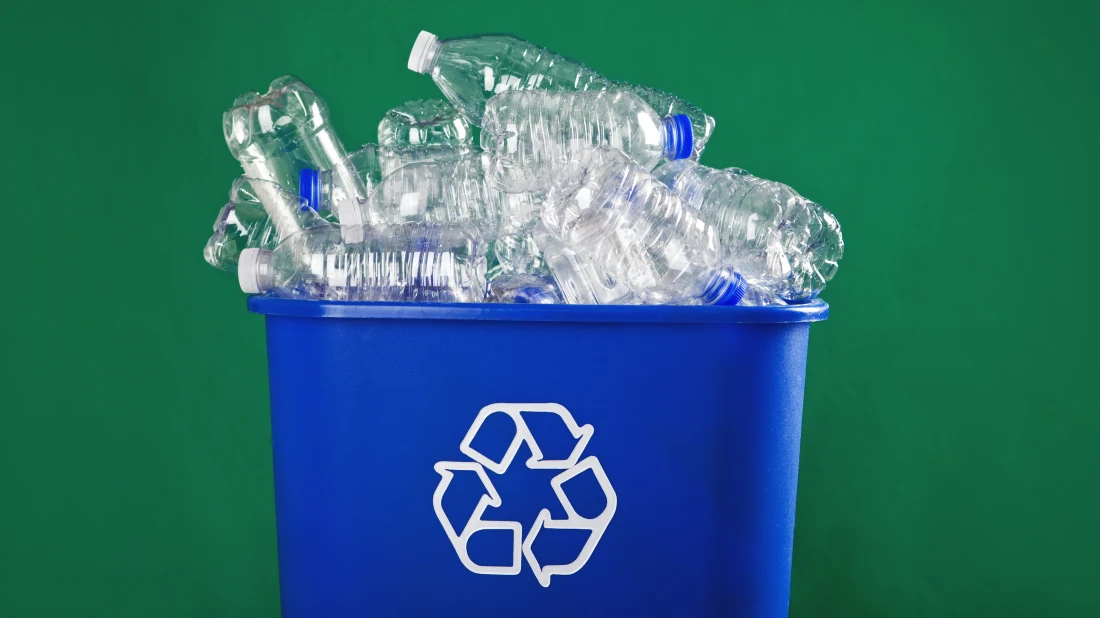
The plastic recycling industry looks very different today than it did five years ago. Tighter environmental rules (especially in the EU and North America), higher labor costs, and rising electricity prices have changed what “profitable recycling” really means.
For facility owners, the old approach of simply “crush and melt” is no longer enough. In 2026, profitability comes from stable output, predictable uptime, lower kWh per ton, and pellet quality that meets stricter buyer specs.
At Rumtoo, we build equipment to solve these exact problems. Whether you process post-consumer films or rigid industrial waste, our recycling machines can be configured to help you stay ahead
Below are four machinery trends that directly influence your operating cost and sales price—and what to prioritize when upgrading a line.
1) Smart Automation: From Operator-Dependent to Process-Controlled
In many plants, the biggest “hidden cost” is instability: feed surges, jams, overheating, inconsistent pellet output, and frequent stop-start cycles. Modern lines reduce that risk by shifting control from manual experience to closed-loop monitoring.
How Rumtoo applies it
- Active load monitoring + automatic feed control: The system tracks motor load and regulates the conveyor/feeder speed to prevent overload and reduce jamming.
- Process protection logic: Temperature, pressure, and torque thresholds trigger staged responses (slow-down, purge, stop) before damage occurs.
- Predictive maintenance reminders: Operating hours and sensor trends support planned maintenance instead of surprise downtime.
- Optional remote diagnostics: Faster troubleshooting and clearer fault history for maintenance teams.
Why it matters
- Fewer unplanned stops
- More consistent throughput and pellet quality
- Lower dependence on “one skilled operator” to keep the line stable
2) Energy Efficiency Becomes a Standard KPI: kWh per Ton
Electricity is often one of the largest ongoing costs in recycling operations. In 2026, the most competitive plants manage energy the same way they manage yield—by tracking kWh/ton and improving it through equipment design and process stability.
How Rumtoo applies it
- High-efficiency motor systems + VFD control: Power delivery matches real-time load instead of running at full draw.
- Direct-drive or optimized transmission design (where applicable): Reduces losses and improves torque utilization.
- Heating and thermal efficiency upgrades: Better insulation, faster-response heaters, and stable temperature control reduce heat loss and melt fluctuations.
- Line-level optimization: Correct sizing of crusher/shredder, feeding, and extrusion components avoids energy waste caused by bottlenecks.
Why it matters Energy savings are highly site-dependent (material, moisture, contamination, capacity, and local electricity rates). But when a line is correctly configured, many plants see meaningful reductions in unit energy cost and improved production stability—both of which directly increase margin per ton.
3) “Virgin-Like” Pellet Quality: Filtration + Degassing + Odor Control
The market for low-grade recycled pellets is crowded. The growth opportunity is in higher-value applications—where buyers require cleaner melt, fewer gels/impurities, lower odor, and more consistent pellet appearance.
To sell at a premium, your process must manage contaminants and volatiles effectively, especially with post-consumer film and printed materials.
How Rumtoo applies it
- Continuous melt filtration (screen changer options): Supports stable operation while removing fine contaminants from the melt.
- High-vacuum degassing and venting design: Removes moisture, trapped gases, and volatile compounds that cause bubbles, smell, and unstable extrusion.
- Process matching by feedstock: Filtration and vacuum configuration should match your real material (labels, inks, paper, aluminum residue, moisture level).
Why it matters Better melt cleanliness and degassing improve pellet consistency and widen your buyer pool—often the difference between “commodity pricing” and “qualified supplier pricing.”
4) Integrated Compaction-to-Extrusion for Films: Less Space, More Stability
Soft plastics and films are notoriously difficult to feed consistently. Traditional layouts with many separate steps can waste heat, occupy too much floor space, and create feeding instability.
A major trend is integration—especially for film recycling—so the material is densified and stabilized before extrusion.
How Rumtoo applies it
- Cutter-compactor-extruder (3-in-1) concept (for suitable film applications): The compaction stage densifies film, improves feeding consistency, and helps reduce moisture before extrusion.
- Reduced thermal loss between steps: Keeping material warm and stable lowers energy required for melting and reduces output fluctuations.
- Smaller footprint and simpler material flow: Fewer transfer points reduces dust, bridging, and handling losses.
Why it matters If your core feedstock is film (LDPE/LLDPE/PP film, woven bags, flexible packaging), integrated compaction and stable feeding are often the fastest path to higher output consistency and lower operating headaches.
Quick Buyer Checklist: Choosing the Right Upgrade Path
Before upgrading equipment, make sure your configuration matches your real operating conditions. A reliable supplier should ask for:
- Material photos/video (before and after pre-processing)
- Contamination profile (paper/labels/aluminum/ink/sand/organics)
- Moisture level and whether you can wash/dry upstream
- Target capacity (kg/h) and hours per day
- Power supply (voltage/Hz/phase) and electricity cost
- Target pellet spec (pellet size, odor requirement, buyer application)
- Factory layout constraints (space, height, material flow)
This information determines whether you should prioritize automation, kWh/ton optimization, filtration/degassing, or integrated compaction.
Common Questions (FAQ)
Q: Is new automation difficult for my staff to learn?
A: No. The engineering is complex, but the operation should be simple. We use a visual touchscreen interface and provide commissioning guidance so operators can run the line confidently.
Q: How long does it take to see ROI?
A: ROI depends on electricity price, uptime improvement, selling price of pellets, and the current condition of your line. Many plants target payback in the 12–24 month range, but we recommend evaluating ROI after we review your material and operating data.
Q: Can I process printed or wet films?
A: Yes—if the line is designed for it. Wet or printed films usually require the right compaction, filtration, and vacuum degassing configuration. Share your material photos and typical moisture/contamination, and we will recommend the most practical setup.
Ready to Upgrade Your Facility?
The technology to run a more profitable recycling plant exists today—if the configuration matches your feedstock and your business goal. Whether you plan to upgrade one component or build a complete new line, Rumtoo can help you select the right solution.
Contact us here:
Share your material photos, target capacity, and power supply, and we will propose a practical configuration for your project.
