


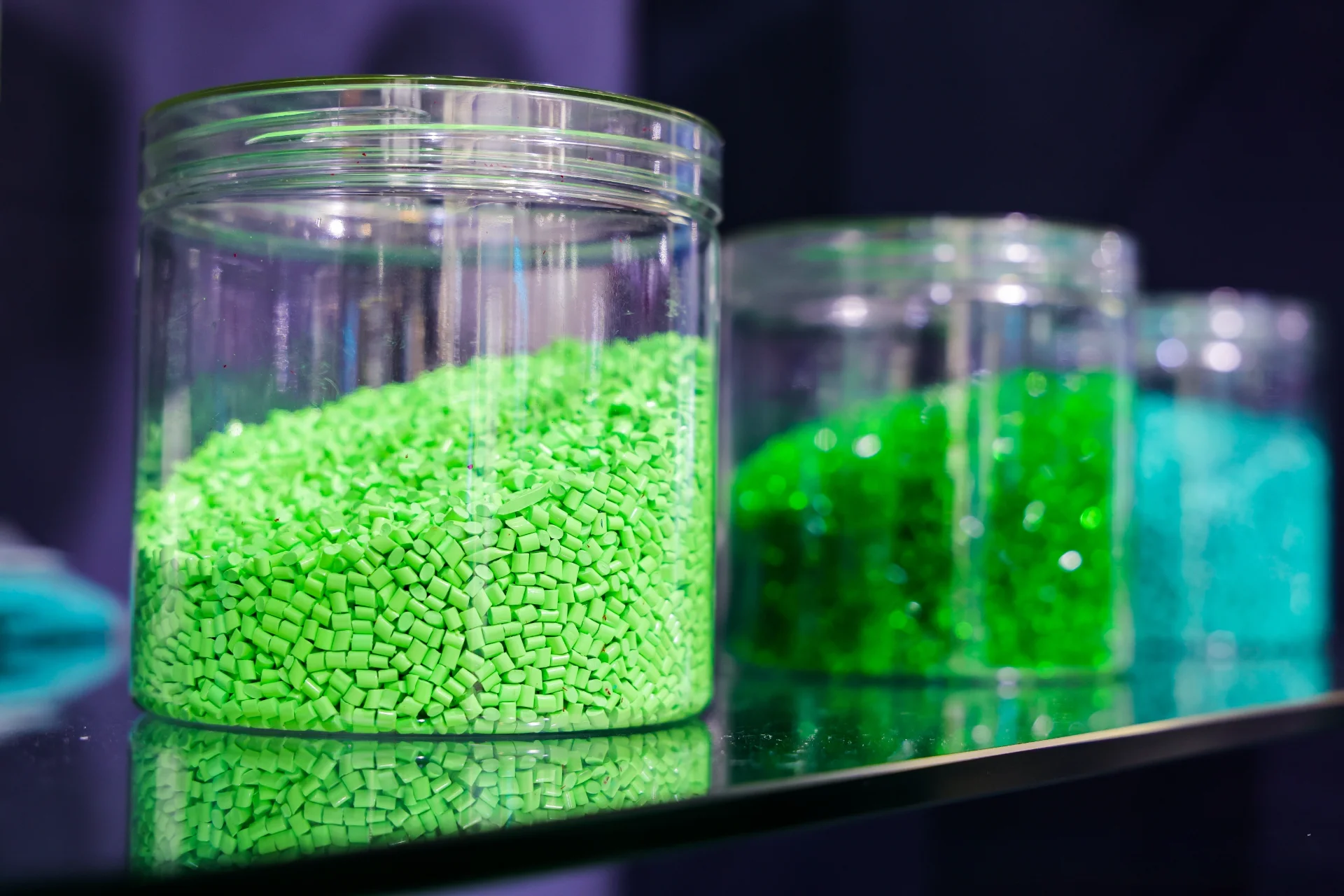
Plastic waste is ubiquitous, but for the recycling industry, it is not trash—it is “black gold.” The key to unlocking this value lies in transforming irregular, bulky scrap into uniform, high-quality plastic granules (or pellets).1 These granules are the standard currency of the plastics industry, used to manufacture everything from new bottles to automotive parts.2
But how exactly do we get from a dirty milk jug or a discarded film roll to a pristine, reusable pellet? The secret lies in advanced Plastic Pelletizing Lines.
At Rumtoo, we engineer the machinery that powers this transformation. In this guide, we’ll break down the technical process of plastic granulation and explain why the quality of your machinery directly impacts the profitability of your end product.
The Transformation Process: Step-by-Step
Creating plastic granules is not just about melting plastic; it’s about refining it. A typical Rumtoo recycling line involves a precise sequence of size reduction, cleaning, melting, and shaping.
1. Sorting and Preparation
Before the machine starts, the material must be categorized. Different polymers (like PE, PP, PET) have different melting points and cannot be mixed. Efficient sorting ensures the final granules have consistent physical properties.
2. Size Reduction (Crushing/Shredding)
You cannot feed a whole bumper or a bale of film into an extruder. The material must first be processed by a Plastic Granulator (Crusher) or Shredder.3
- What happens: Large plastic pieces are cut into small flakes (typically 10-15mm).4
- The Rumtoo Edge: Our machines use V-shape alloy blades to ensure a clean cut with minimal dust, which prevents issues in the melting stage.
3. Washing and Drying (For Dirty Waste)
If the input material is post-consumer waste (like agricultural film or bottles), it contains dirt, oil, and labels. The flakes pass through a Friction Washer and Sink-Float Tank.
- Crucial Step: Wet material cannot be extruded (it causes bubbles in the pellets). The washed flakes must be thoroughly dried in a centrifugal dryer before entering the pelletizer.5
4. Melting and Extrusion (The Heart of the Process)
The clean, dry flakes are fed into the Plastic Extruder. Inside the barrel, a large rotating screw generates friction and heat, melting the plastic into a viscous liquid.6
- Filtration: The melt passes through a Screen Changer to filter out any remaining impurities (like metal or wood).7
- Degassing: Rumtoo extruders feature Vacuum Degassing zones.8 This removes trapped air and moisture, ensuring the final pellets are solid and bubble-free. Solid pellets sell for a higher price than porous ones.
5. Pelletizing (Shaping the Granules)
How the molten plastic is cut determines the shape of the granule. There are two main methods:
- Strand Pelletizing (Noodle Cut): The plastic is extruded as long “spaghetti” strands, cooled in a water bath, and then chopped.9 This is ideal for rigid plastics (HDPE, PET).
- Water-Ring / Die-Face Cutting: The plastic is cut immediately as it exits the die head, while being cooled by a ring of water.10 This creates round, lens-shaped pellets, often preferred for film recycling (LDPE, PP).
6. Cooling and Packaging
The freshly cut pellets are cooled, dried via vibration or air, and finally stored in silos or packed into “Big Bags” for sale.11
Why Machine Quality Determines Profit
Not all granules are created equal. Manufacturers who buy your recycled pellets demand consistency. If your granules vary in size or contain air bubbles, they will cause defects in the final product.
Investing in a high-quality Rumtoo Pelletizing Line ensures:
- Uniformity: Every pellet is the same size, ensuring smooth melting for your customers.
- Energy Efficiency: Our optimized screw designs deliver higher output per kilowatt of energy consumed.
- Automation: Integrated control panels reduce the need for manual labor, lowering your operational costs.12
Frequently Asked Questions (FAQs)
Q: What is the difference between a “Granulator” and a “Pelletizer”?
A: In industry terms, a Granulator is usually a crusher that chops plastic into irregular flakes (regrind). A Pelletizer (or extruder) melts those flakes and shapes them into uniform pellets. Pellets have a higher market value and are easier to transport than regrind.13
Q: Which cutting method should I choose: Strand or Die-Face?
A: It depends on your material. Strand pelletizing is versatile and great for rigid plastics and engineering plastics.14 Die-face (Water Ring) pelletizing is more automated and compact, making it the industry standard for recycling PP/PE films and woven bags.15
Q: Can I process wet material?
A: Standard extruders require dry material (moisture <3-5%). If your material is wet, you will need a highly efficient Squeezing Dryer or a specialized Two-Stage Extruder with enhanced degassing capabilities to handle the moisture.
Q: How much energy does the process consume?
A: While melting plastic requires heat, Rumtoo machines utilize ceramic heaters and high-efficiency motors. Recycling plastic typically consumes 88% less energy than producing new plastic from crude oil.16
Ready to Upgrade Your Recycling Line?
Producing high-quality granules is the surest way to secure long-term contracts with buyers. Whether you need a standalone Granulator or a complete Plastic Pelletizing Line, Rumtoo has the engineering expertise to boost your production.
Contact us today for a customized machine configuration and quote.
What Is a Plastic Pelletizer and How Does It Work?
A plastic pelletizer is the machine at the heart of steps 4 and 5 above — it melts prepared plastic and reshapes it into uniform granules. Inside, four stages run continuously:
- Extrusion. A rotating screw conveys the flake or shredded plastic through a heated barrel, where controlled zone temperatures melt it into a homogeneous flow. Screw geometry and heat profile are matched to the resin — PE and PP forgive more than PVC or PET.
- Melt filtration. The molten plastic passes through a screen changer that traps residual paper, wood, and unmelted contaminants. Filtration fineness is a direct lever on granule quality: finer screens give cleaner pellets but need more frequent screen changes.
- Pelletizing (cutting). The clean melt is cut into pellets — either as cooled strands chopped by a rotary cutter (strand pelletizing), or sliced at the die face by rotating knives against a water ring or water bath (die-face and water-ring pelletizing, the standard route for PE/PP film and bags).
- Cooling and dewatering. Fresh pellets are cooled in water, spun dry, and screened so oversize and fines are separated before bagging.
The output is the free-flowing granule this whole process exists to produce. Machine formats differ mainly in the cutting stage — our plastic pelletizer range covers strand, die-face, and water-ring configurations, and the water-ring pelletizer working principle guide goes deeper on the film-and-bag route.
Which Plastics Can Be Made into Granules?
Nearly all thermoplastics pelletize well, but each family has its own handling notes:
- PE (HDPE/LDPE/LLDPE) — the easiest and highest-volume feed: film, bottles, pipes, and containers pelletize with stable melt behavior.
- PP — woven bags, caps, automotive parts, and containers; behaves much like PE in the extruder.
- PET — bottles and sheet; needs thorough drying before extrusion because moisture degrades the melt (hydrolysis).
- PS/ABS — rigid housings and appliance scrap; pelletize cleanly when sorted to a single resin.
- PVC — pipes and profiles; requires tight temperature control to avoid decomposition, so dedicated PVC lines are common.
The common requirement across all of them is a clean, dry, single-resin feed — which is why the sorting, washing, and drying stages above decide granule quality more than the pelletizer itself.
