


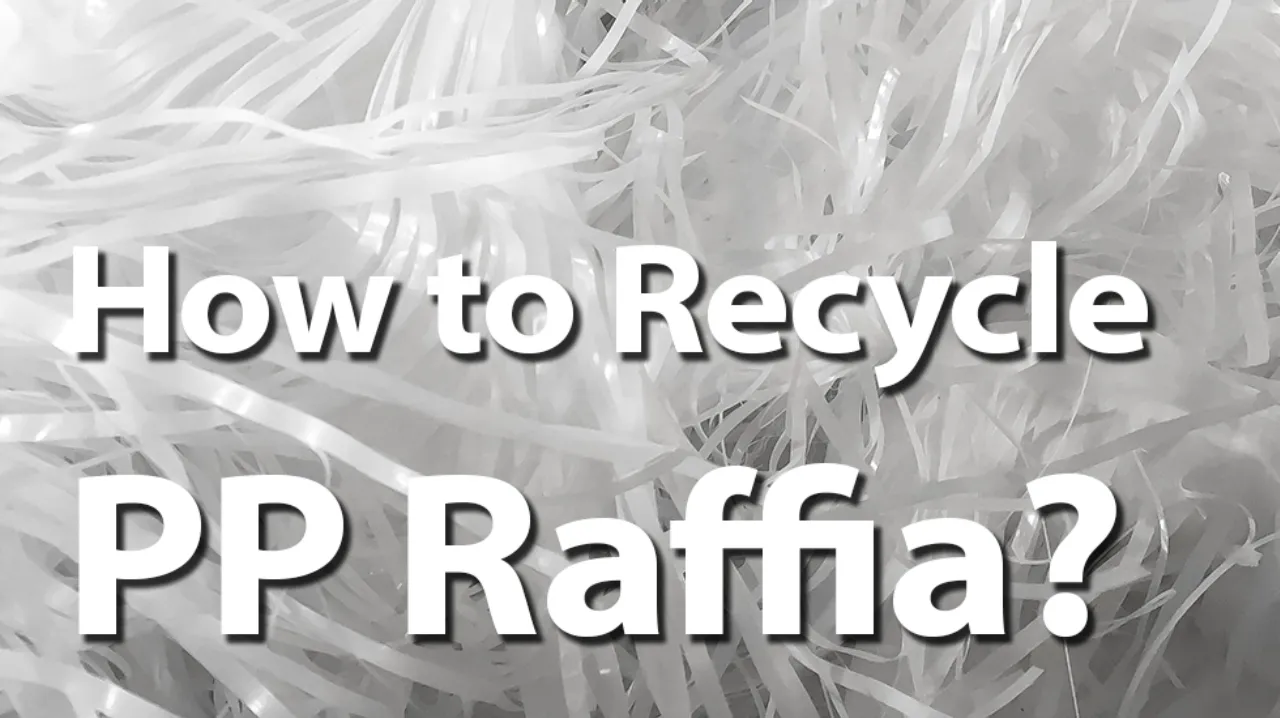
In the world of industrial plastic recycling, PP (Polypropylene) raffia stands out as a double-edged sword. On one hand, it is a ubiquitous material—found in millions of woven sacks, FIBC jumbo bags, cement bags, and agricultural netting—representing a massive, continuous stream of potential raw material. On the other hand, its incredible tensile strength and “fluffy” nature after shredding make it notoriously difficult to process with standard equipment.
For recycling plant owners and manufacturers, the question isn’t just how to recycle PP raffia, but how to do it profitably without constant machine downtime or quality issues.
At Rumtoo, we understand that processing raffia requires more than just a generic plastic granulator. It demands a specialized, engineered solution capable of handling high-strength fibers and high moisture content. This guide explores the technical realities of PP raffia recycling and demonstrates how our advanced PP Raffia Recycling Machine transforms challenging waste into high-value reusable pellets.
The Hidden Value in PP Raffia Waste
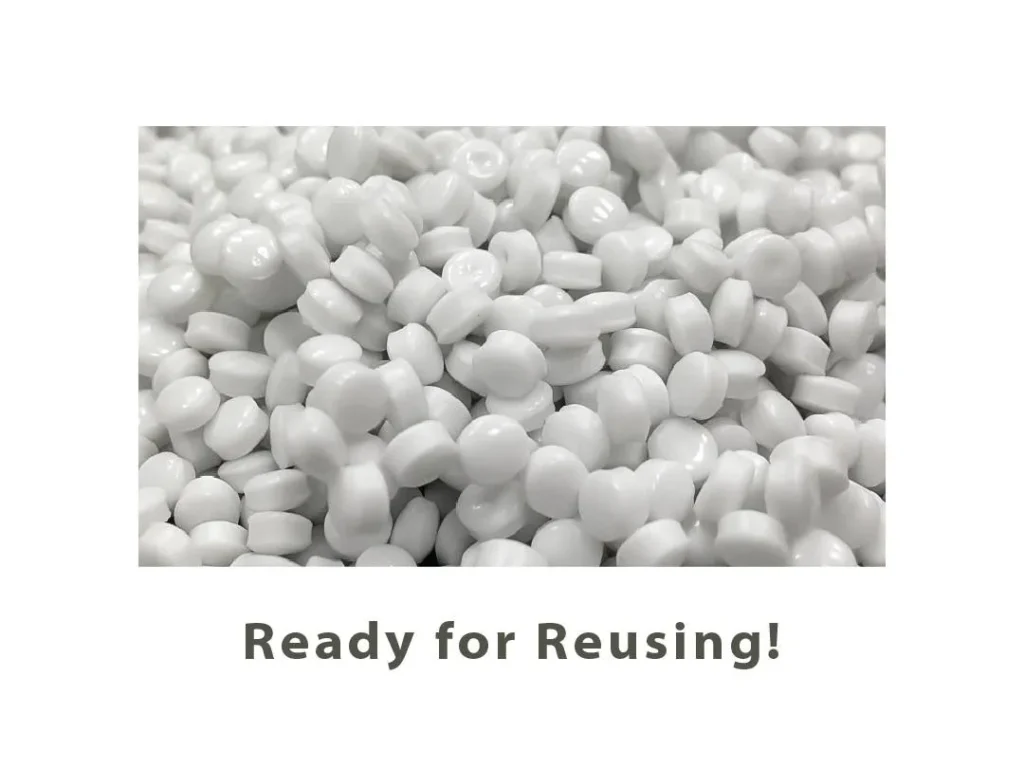
Polypropylene raffia is a thermoplastic polymer known for its toughness and resistance to chemical degradation.[1] Unlike single-use films, PP raffia is often used in heavy-duty applications, meaning the recycled pellets (granules) retain excellent physical properties.
Recycled PP raffia pellets are in high demand for:
- Injection Molding: Crates, pallets, and automotive parts.
- Blow Molding: Non-food grade containers.
- Strapping Bands: High-strength packaging straps.
- New Woven Bags: Many manufacturers blend up to 30-50% recycled content back into their production lines to cut raw material costs.
However, unlocking this value requires overcoming specific processing hurdles.
Overcoming the 3 Biggest Challenges in Raffia Recycling
If you have ever tried feeding shredder raffia into a standard extruder, you likely faced these issues. Here is how professional recyclers—and Rumtoo technology—solve them.
1. The “Fluff” Factor (Feeding Issues)
The Problem: When PP woven bags are shredded, they don’t turn into heavy chips; they turn into light, fluffy strips with very low bulk density. Standard gravity-fed hoppers cannot push this material into the extruder screw efficiently, leading to surging, unstable output, and low production rates.
The Solution: You need a system with Force Feeding or Cutter-Compactor Integration. Compacting the material creates heat and density, ensuring the extruder screw is always full, maximizing throughput.
2. Excessive Moisture Retention
The Problem: Woven structures trap water like a sponge during the washing process. Wet material hitting a hot extruder causes “foaming” pellets—porous, weak granules filled with steam bubbles that are unsellable.
The Solution: A simple centrifugal dryer is often not enough. A Squeeze Dryer is essential for raffia. It uses high pressure to physically wring out water, reducing moisture content to below 3% before the material even touches the extruder.
3. Extreme Material Strength
The Problem: Raffia is designed not to tear. In a weak shredder, it wraps around the rotor (a “bird’s nest” jam), burning out motors and halting production.
The Solution: High-torque, low-speed shredding with anti-winding rotor designs and intelligent reverse logic (PLC control) is non-negotiable for continuous operation.
The Rumtoo Solution: A Dedicated PP Raffia Recycling Line
At Rumtoo, we don’t just sell machines; we engineer workflows.[2] Our PP Raffia Recycling Machine line is calibrated to handle the specific density and friction characteristics of polypropylene woven fabrics.
Here is the step-by-step architecture of a high-efficiency Rumtoo line:
Step 1: Heavy-Duty Size Reduction
The process begins with the Rumtoo RTM Series Single-Shaft Shredder. unlike generic crushers, the RTM series is built for high-resistance materials.
- Intelligent Anti-Jamming: The PLC system monitors motor load in real-time.[2] If a tough bundle of jumbo bags creates too much resistance, the rotor automatically reverses to re-orient the material, preventing downtime.
- Hardened Blades: Our blades use high-alloy steel designed to stay sharp even when processing abrasive, dirty agricultural bags.
Step 2: Intensive Friction Washing
Post-consumer raffia bags are often contaminated with dirt, sand, or residual cement. Our High-Speed Friction Washer uses high RPM paddles to scrub contaminants off the surface of the plastic.
- Ink Removal: For printed bags, the friction generates heat and turbulence that helps detach surface inks, improving the color quality of your final pellets.
Step 3: The Game Changer – Squeezing Dryer
This is the most critical component for raffia. The Rumtoo Squeeze Dryer replaces thermal drying energy with mechanical pressure.
- Process: A specialized screw compresses the wet, washed raffia flakes against a perforated screen.
- Result: It reduces moisture from ~30% down to <3%. This not only ensures solid, bubble-free pellets but also significantly reduces the energy consumption of your extruder, as it doesn’t have to boil off excess water.
Step 4: Pelletizing with Degassing
The final step is the Rumtoo Single or Double Stage Pelletizing System.
- Force Feeder: We utilize a side-force feeder or a compactor-integrated design to cram the light raffia flakes into the screw, ensuring high output.
- Vacuum Degassing: To handle any remaining moisture or volatiles from printing inks, our extruders feature dual-venting vacuum zones. This sucks out gas pockets, ensuring your pellets are dense, glossy, and uniform.
- Filtration: A continuous hydraulic screen changer allows you to remove impurities without stopping the machine, maintaining 24/7 operation.
Why Choose Rumtoo Machinery?
Investing in a recycling line is a long-term commitment. Here is why industrial clients worldwide trust Rumtoo:
- Energy Efficiency: Our “Squeeze Drying” technology and efficient motors reduce the kilowatt-per-hour cost of production, directly increasing your profit margins.
- Durability: We use top-tier gearboxes and wear-resistant screws (bimetallic options available) to ensure your machine handles the abrasive nature of dirty raffia for years, not months.
- Automation: With our integrated PLC control panels, you can manage the entire line from a single touchscreen, reducing labor costs and human error.
- Customization: Whether you are processing clean post-industrial scraps or dirty post-consumer cement bags, we tailor the washing and filtration stages to your specific material condition.
Conclusion
Recycling PP raffia is no longer a challenge—it is a business opportunity. With the right technology, you can convert waste woven bags into high-quality granules that compete with virgin materials.
Don’t let “fluffy” material or moisture issues eat into your profits. Choose a system engineered for the job.[2][3][4]
Ready to upgrade your recycling capabilities?
Contact Rumtoo today for a consultation and a customized quote on our PP Raffia Recycling Machines. Let’s build a more profitable, sustainable future together.
