


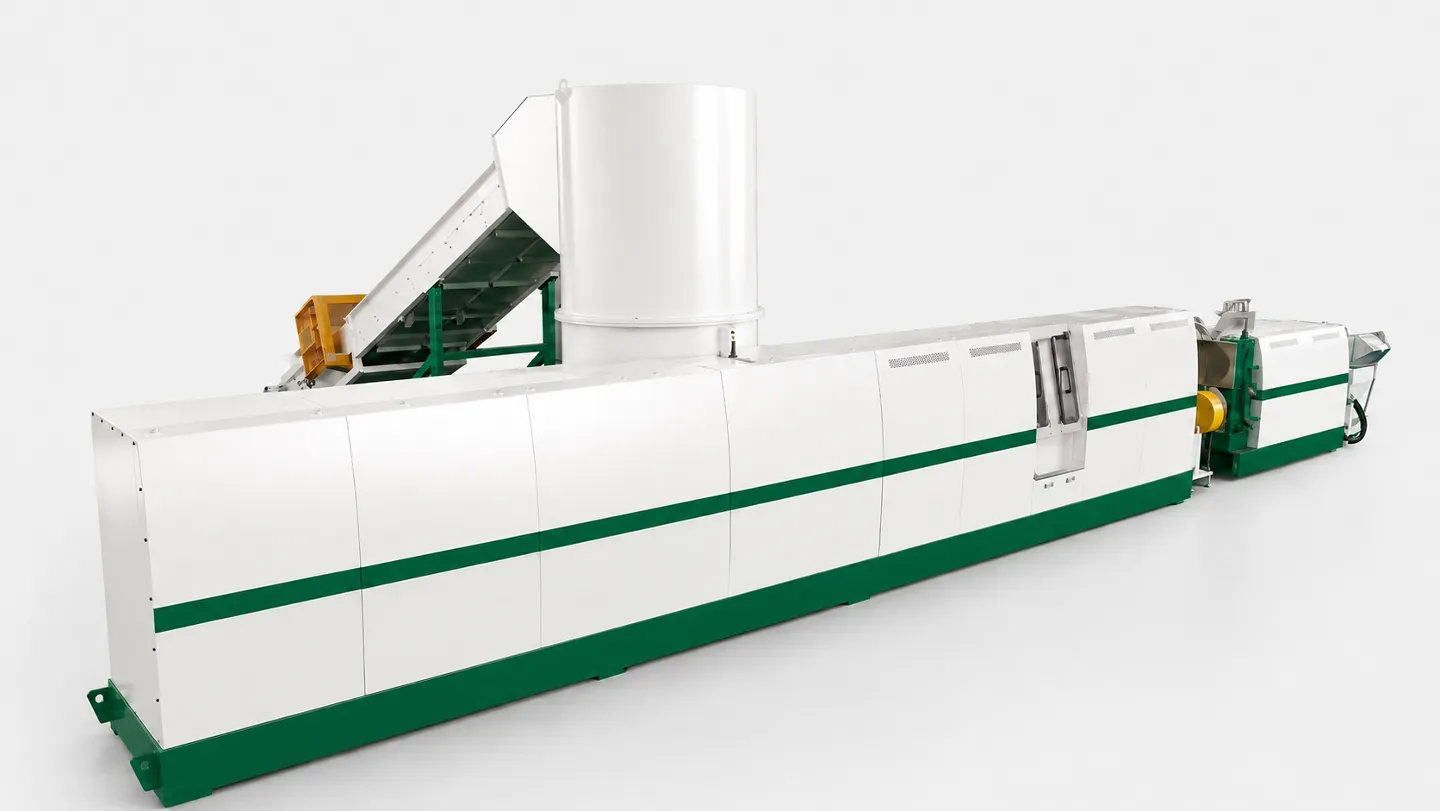
EPS Foam Pelletizing Machine
An EPS foam pelletizing machine converts bulky expanded polystyrene (Styrofoam) scrap into dense recycled PS pellets. The line combines size reduction, controlled melting, filtration, strand cooling, and pellet cutting for easier handling and downstream reuse.
- Processes clean EPS packaging foam, molded blocks, and suitable XPS offcuts after material review.
- Matches the line configuration to input form, contamination, target throughput, and available utilities.
- Produces recycled PS pellets for downstream molding or compounding when the output meets the required specification.
EPS Foam Pelletizing Equipment Overview
The line combines material preparation, extrusion and pelletizing, screening, dust handling, and electrical control equipment. Final scope depends on feed condition and pellet requirements.
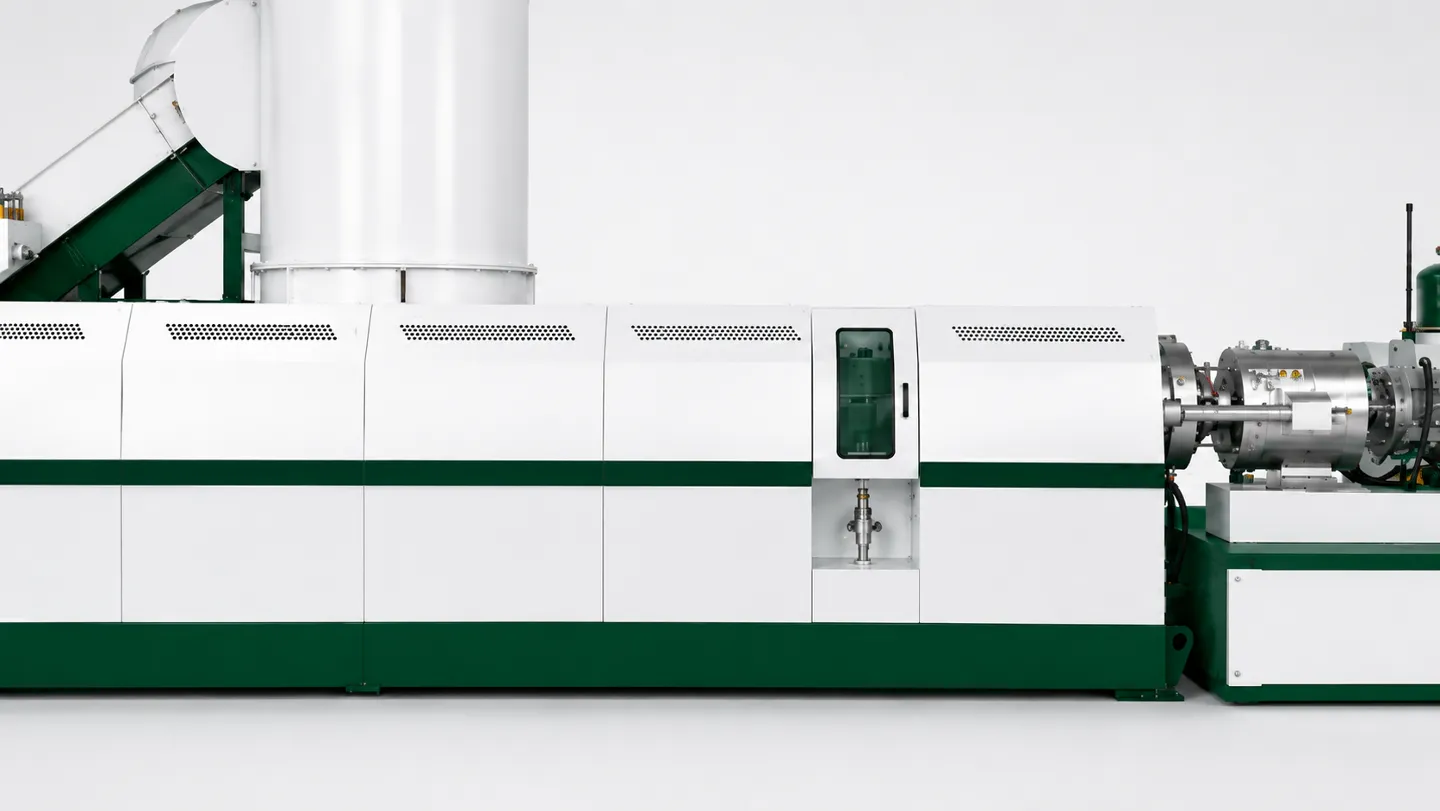
Main Extrusion and Pelletizing Assembly
The main extruder receives prepared foam, applies controlled heat and pressure, vents trapped gas, and sends the filtered PS melt to strand formation.
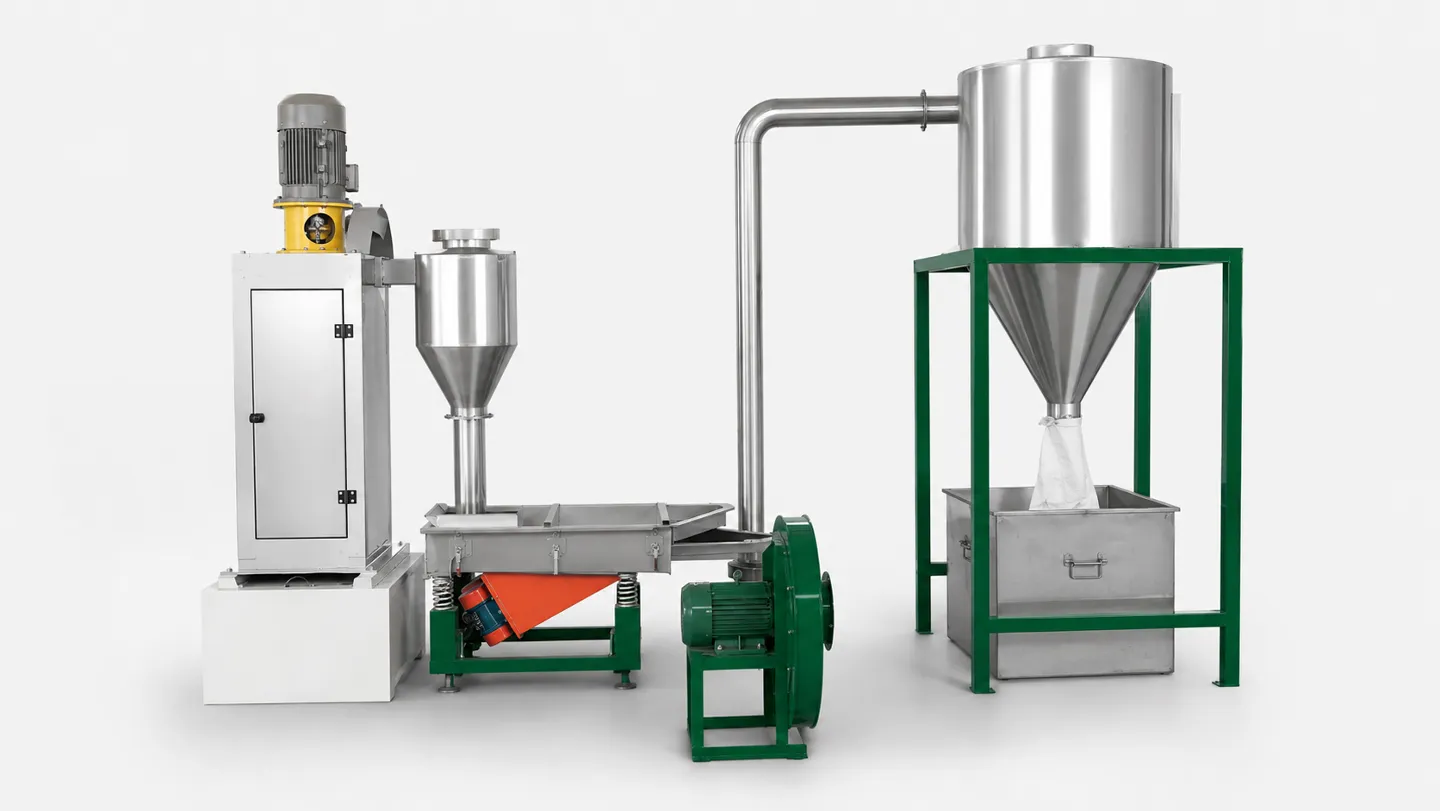
Vibrating Screen and Dust Collection
The vibrating screen separates fines from finished pellets, while dust collection helps control powder around the handling and bagging area.
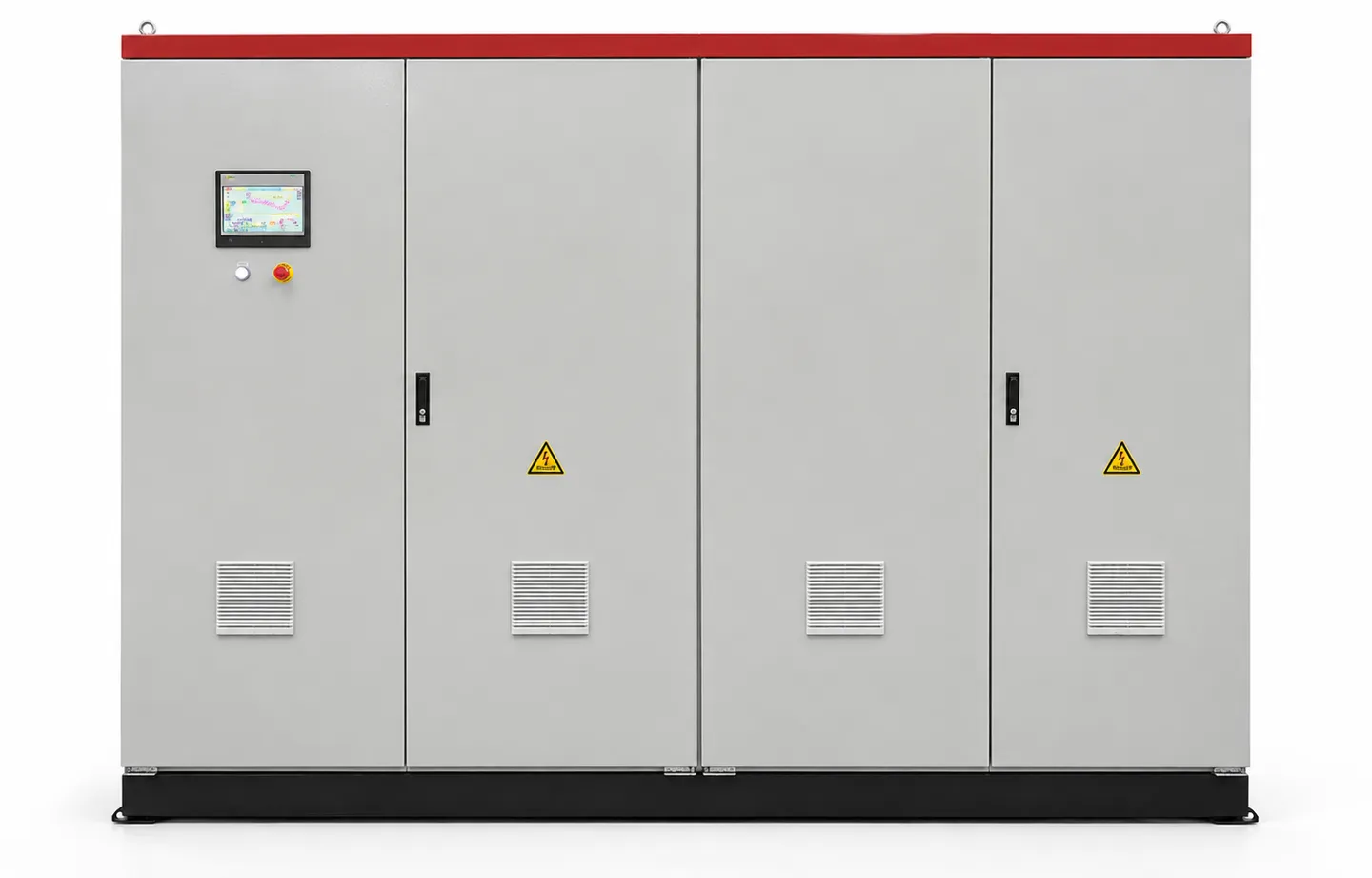
Electrical Control Cabinet
The central cabinet combines temperature, motor, status, and alarm controls so operators can monitor the main production stages from one interface.
Why Choose This EPS Foam Pelletizing Line
The system reduces the handling burden of bulky foam and prepares a more consistent recycled PS feedstock for downstream use.
- Stable Feeding
Crushing, buffer storage, and controlled dosing help prevent irregular foam pieces from surging into the extruder.
- Major Volume Reduction
Converting loose foam into dense pellets reduces the space required for storage and outbound transport.
- Controlled Melt Quality
Venting and melt filtration support steadier strand formation when the feedstock is properly sorted and prepared.
- Reusable PS Pellet Output
Uniform recycled pellets are easier to meter, blend, sell, or reuse than loose expanded foam.
- EPS Packaging Waste
Suitable input can include clean protective packaging, molded inserts, boxes, blocks, and production offcuts.
- XPS Offcuts
Compatible XPS insulation trim may be processed on a PS-oriented configuration after material testing.
- Project-Specific Configuration
Crusher, feeder, extruder, screen changer, cooling section, cutter, and dust handling are selected for the actual feed.
- Project Support
Layout review, utility confirmation, commissioning guidance, training, and spare-parts planning are available by project scope.
How the EPS Foam Pelletizing Process Works
The line prepares sorted foam, converts it into a controlled PS melt, forms strands, and cuts the cooled material into reusable pellets.
- 1Sort and Verify the Feedstock
Separate EPS and compatible XPS from EPE, EPP, PVC, metal, wet waste, and heavily coated foam. Material samples help confirm the right process.
- 2Crush and Meter the Foam
A crusher reduces large blocks and packaging into smaller pieces. A silo or controlled feeder supplies the extruder at a steadier rate.
- 3Melt, Vent, and Filter
The extruder melts the polystyrene, removes trapped gas and volatiles, and filters manageable solid contamination before strand formation.
- 4Form and Cool the Strands
The filtered melt exits through the die as strands, which pass through a cooling section before cutting.
- 5Cut, Screen, and Collect Pellets
The cutter produces pellets, and optional screening and dust collection remove fines before storage or bagging.
EPS Foam Pelletizing Machine Video
See the main feeding, extrusion, strand handling, and pelletizing stages before confirming your line configuration.
What to Confirm Before Ordering
A useful quotation starts with the actual waste stream, required output, and site conditions—not only a model number.
- Input Material
Provide foam type, piece size, bulk density, moisture, labels, coatings, mixed colors, and contamination details.
- Target Throughput
State expected hourly input, operating hours per day, peak supply, and whether the line will run continuously or in batches.
- Pellet Requirements
Define the intended reuse or buyer specification, including acceptable color, filtration level, pellet form, and contamination limits.
- Site Conditions
Confirm voltage, frequency, available floor space, ceiling height, cooling water, ventilation, dust handling, and discharge logistics.
For broader planning, compare our plastic pelletizing lines, review the EPS foam recycling business guide, read the plastic pelletizer selection guide, and prepare enquiries with the recycling machine RFQ checklist.
Warranty & Installation
-
Warranty Scope
The quotation identifies the warranty period, covered components, exclusions, and required maintenance. Confirm this scope before placing the order.
-
Installation and Support
Support can include layout review, utility confirmation, commissioning guidance, operator training, and spare-parts planning according to project scope.
EPS Foam Pelletizing Machine FAQ
Answers to common material, process, selection, and support questions.
The line is intended for clean, sorted EPS packaging foam, molded blocks, and similar expanded polystyrene scrap. XPS offcuts may also be suitable after testing. Send material photos or samples because moisture, labels, coatings, and mixed polymers affect the required preparation and filtration.
Use pre-crushing when feed pieces are too large or irregular for steady dosing. Small clean pieces may feed directly, while large blocks usually need crushing plus a silo or controlled feeder to prevent surging.
Confirm material type and contamination, target throughput, operating hours, required pellet quality, local voltage and frequency, cooling-water conditions, available floor space, and downstream pellet use. These inputs determine the crusher, extruder, filtration, cooling, and cutter configuration.
Pelletizing converts very low-bulk-density foam into a denser, standardized form that is easier to store, transport, meter, and reuse. Actual pellet value depends on polymer purity, color, contamination, and buyer requirements.
XPS and EPS are both polystyrene and may run on a compatible PS recycling line after material testing. EPE is polyethylene, so it requires a compatible PE process and should not be mixed with EPS or XPS without confirming screw, temperature, filtration, and pelletizing settings.
The quotation should state the warranty term, covered parts, exclusions, and service scope. Available support can include layout review, installation guidance, commissioning assistance, operator training, and spare-parts planning.
Request an EPS Pelletizing Line Recommendation
Send the foam type, contamination details, expected throughput, operating hours, voltage and frequency, available space, and intended pellet use. We will recommend a suitable configuration.
